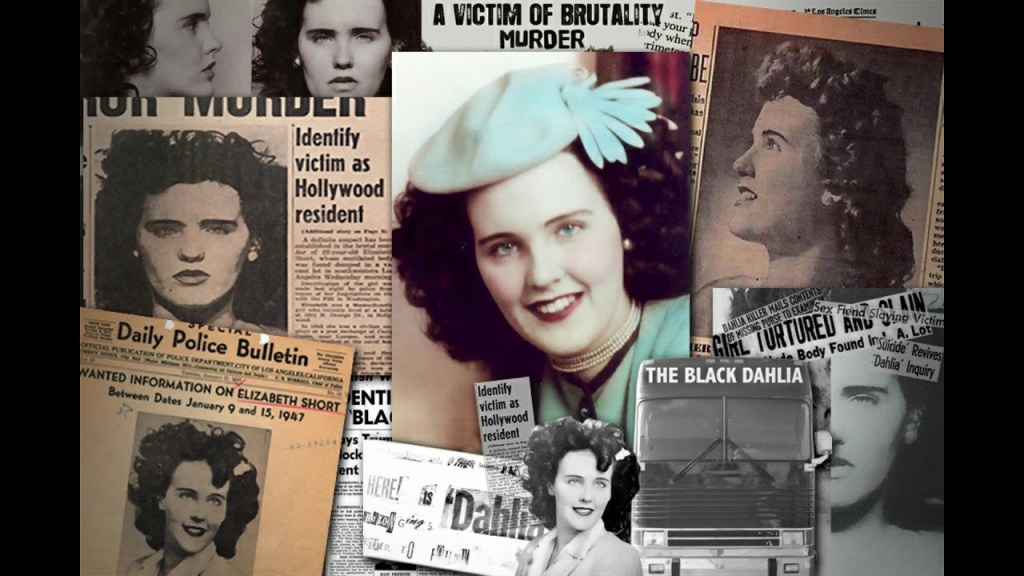
The city air was thick with gasoline, cheap perfume, and the broken dreams of girls who came west looking to be stars. Somewhere in that smog, a girl was trying to make it, she was a waitress with a taste for something bigger. She wanted to be a star.
Hollywood, was the promised land, and like a thousand girls before her, she packed a suitcase and chased that dream. But Los Angeles never gives anything easily.
She had the look to pull it off, that is if luck would just cut her a break, black hair, pale skin, blue eyes, a wide smile and flowers in her hair. She dressed in black and was mysterious. They say she liked the nightlife, liked the way men’s heads turned. She was a girl with big dreams, and hungry for more. But in this town dreams shatter easily, and sometimes wanting more is that thing that gets you killed.
She would become as famous as the stars she dreamt of becoming, though she would never make a movie, but almost everyone would know her name. She wouldn’t be a star but death would make her a legend.
Elizabeth: The Girl Before The Legend.
Elizabeth Short, no middle name, was born July 29,1924 in Boston Massachusetts, to Cleo Alvin Short Jr, and Phoebe May Sawyer. She was one of five daughters: Virginia May, Dorothea, Elnora “Noni”, and Muriel Arlene.
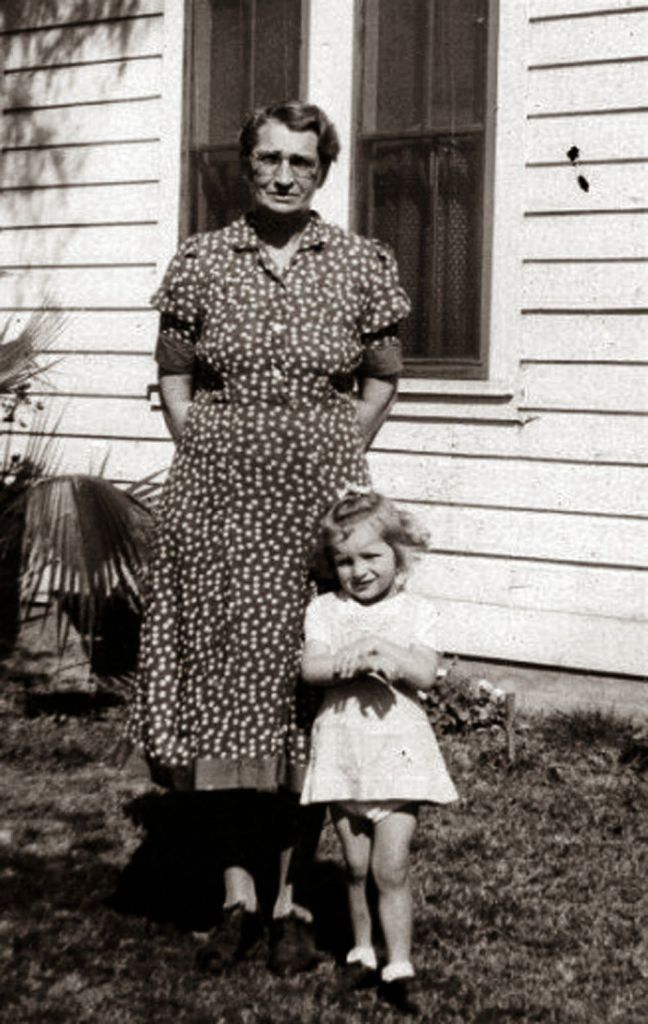
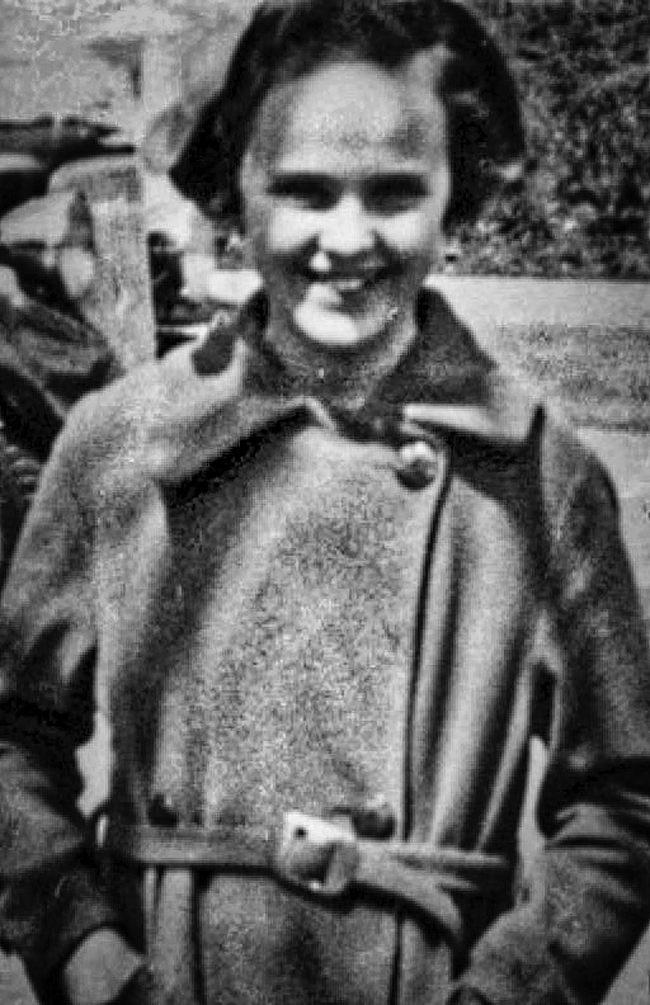
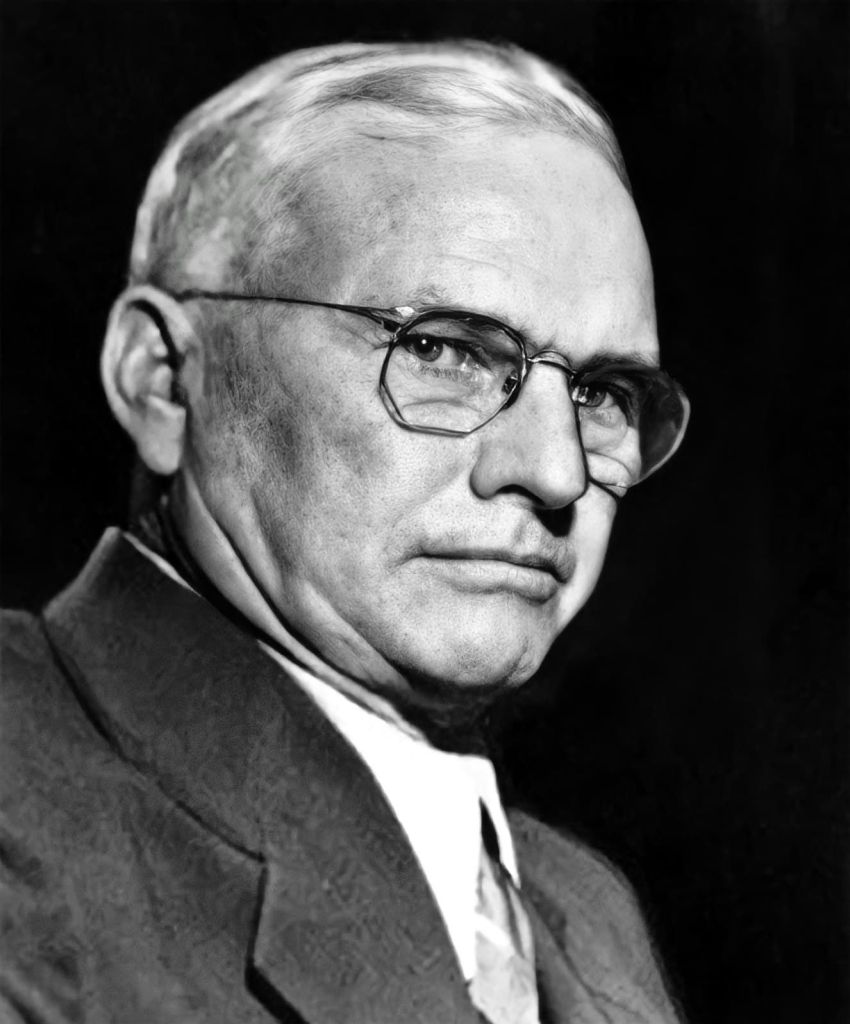
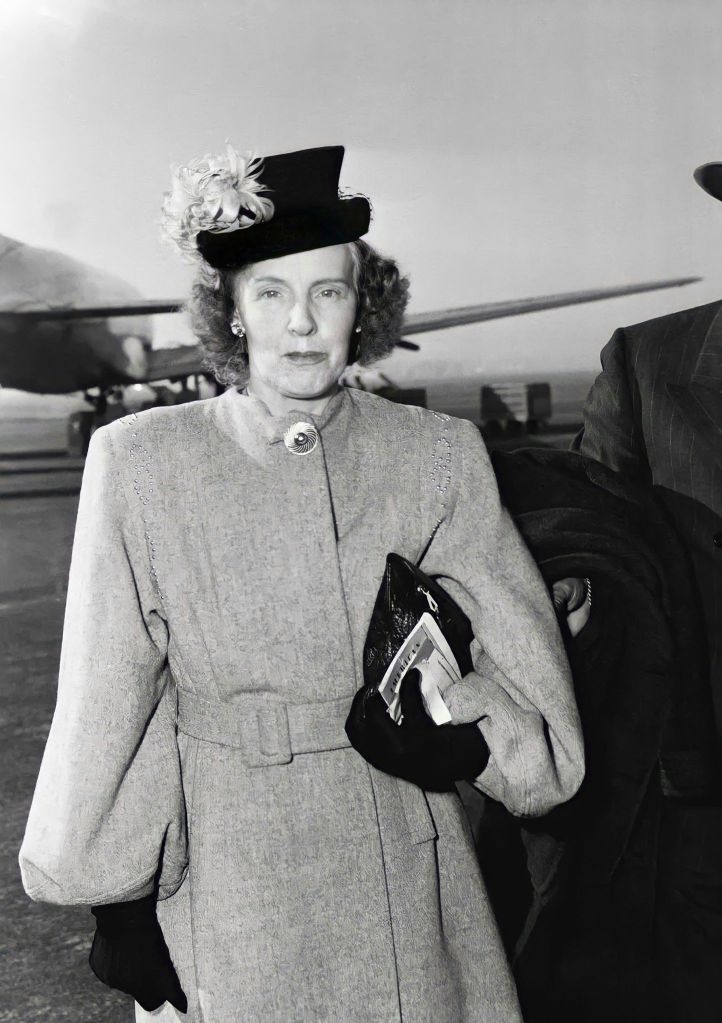
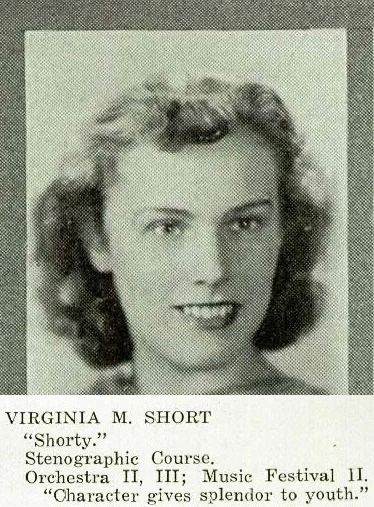
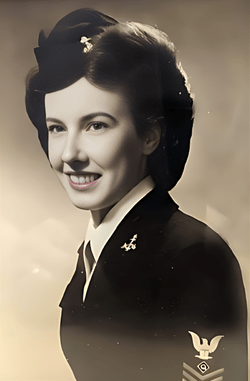
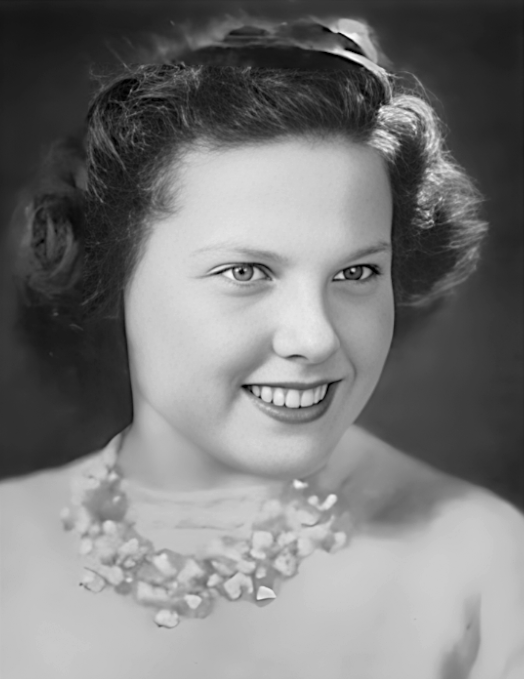
Cleo made a living building miniature golf courses, a good gig until the crash of 29 wiped him out. By 1930, the family had lost everything, and then they lost Cleo. His car was found abandoned on the Charlestown Bridge, and police figured he jumped into the Charles River.
Phoebe, now a single mother, had to provide for her daughters and to keep food on the table, took a job working as a bookkeeper. Life wasn’t easy for the Short girls.
Elizabeth grew up fast in a house full of women, a quiet girl with big restless dreams. Maybe it was losing her father, maybe it was the depression years, but she always seemed to be looking for something more.
Elizabeth, Beth, to everyone who knew her, liked to dance, ride horses, and ice skate when she could find a frozen pond. She was movie struck, the kind of girl who’d sit in a darkened theatre and imagine her name in lights.
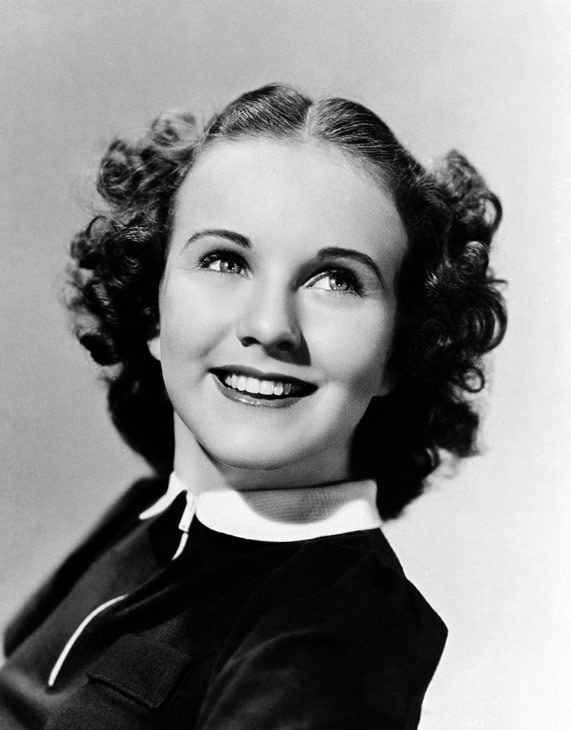
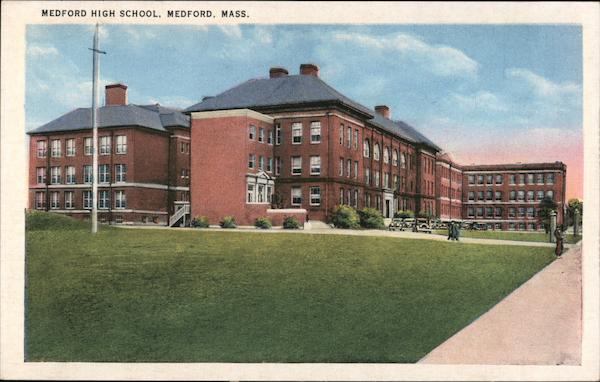
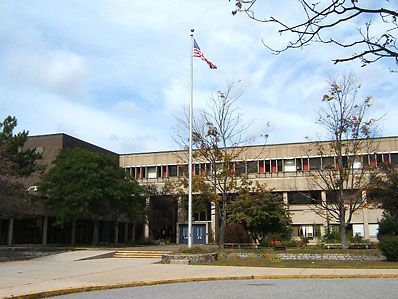
At Medford High, she was well-liked and due to her resemblance to the actress Deanna Durbin, she was nicknamed the Deanna Durbin of Medford High. In her autograph book, one wrote:
“To the sweetest and cutest double of Deanna Durbin”
Another added
“To a friend worth having and Medford High’s Deanna Durbin”
High school wouldn’t last long. Beth suffered from frequent bronchitis and chronic asthma. By the age of fifteen she was on an operating table for lung surgery. The doctors told her to spend winters someplace warm. So her mother packed her off to Miami Florida to stay with family friends.
Down there, Beth found more than just better air, she found a taste for freedom, sun on her face, and the idea that maybe she was meant for something bigger than Medford.
It wasn’t long before Beth dropped out of school for good. She wanted to travel, and travel she did, drifting from place to place, but always circling back home to her mother. Phoebe remembered her as “A very sweet and affectionate girl. If she was out at night, she would always stop in my bedroom and talk. And she would talk and talk and talk and tell me everything that she had done. She always had a lot of boyfriends, but she was a good girl who worked hard and was a member of the methodist church. “
Then in 1942, a letter arrived on Phoebe’s doorstep. It was from Cleo, seems he wasn’t dead after all, the bum walked out on his family to start a new life in California, the letter was an apology letter. He said that losing most of his savings in the crash had been too much, so he ran. He explained that he was living with a woman and working at Mare Island Naval Shipyard. He just wanted to clear the air. For Phoebe it must have been like a slap in the face, for Beth, it opened the door west.
Beth wasted no time writing back to her father. She wanted to reconnect, wanted a fresh start. Letters went back and forth, and Beth agreed to keep house for him in exchange for a place to stay. With the $200 in hand that Cleo sent her, eighteen-year-old Beth, packed her suitcase and bought a bus ticket and headed west. She arrived in Los Angeles and moved into her father’s place at 1028 1/2 36th Street, just three blocks from Norton Avenue.
Living with Cleo wasn’t the happy reunion she imagined. The two argued constantly, and within three weeks Beth packed up and moved out making her way to Camp Cooke, near Lompoc California, taking a job at the post exchange. It would be the first of many moves, each one pulling her closer to the fate that would make her a legend.
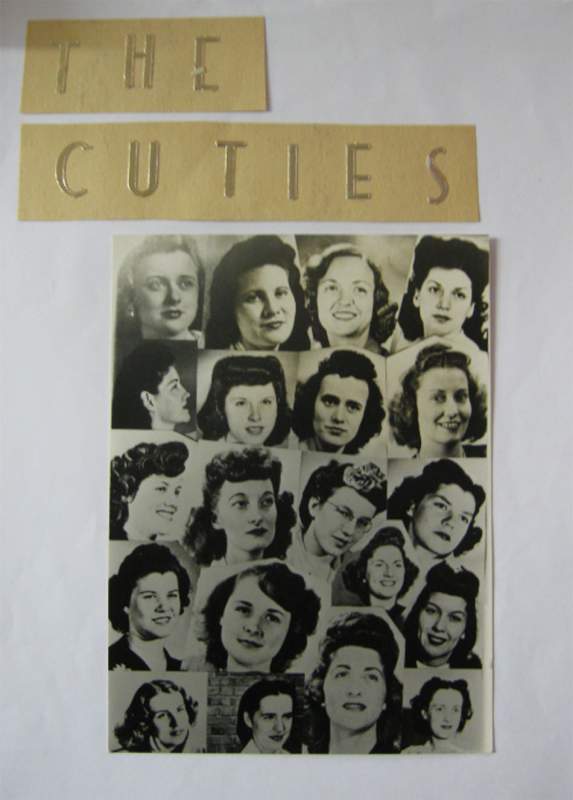
Camp Cooke Cutie:
“I was won over at once by her charmed beauty. She was one of the loveliest girls I have ever seen and she was the most shy.” recalled PX manager, Inez Keeling. “She was shy at first, never dated soldiers. She was a model employee, didn’t smoke and rarely drank. But soon she began going out with the men of Camp Cooke several times a week.”
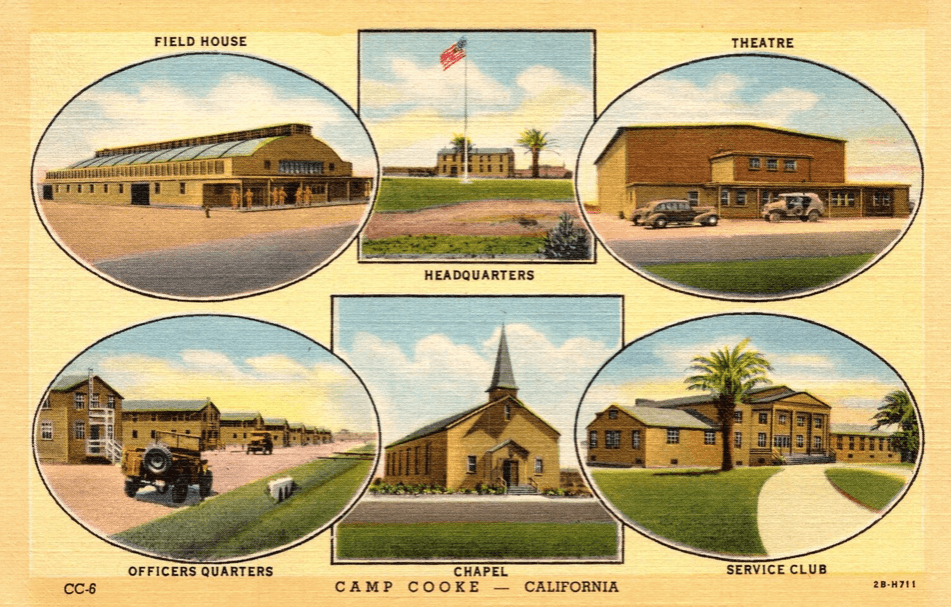
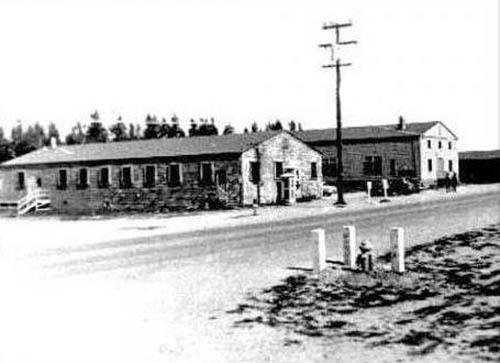
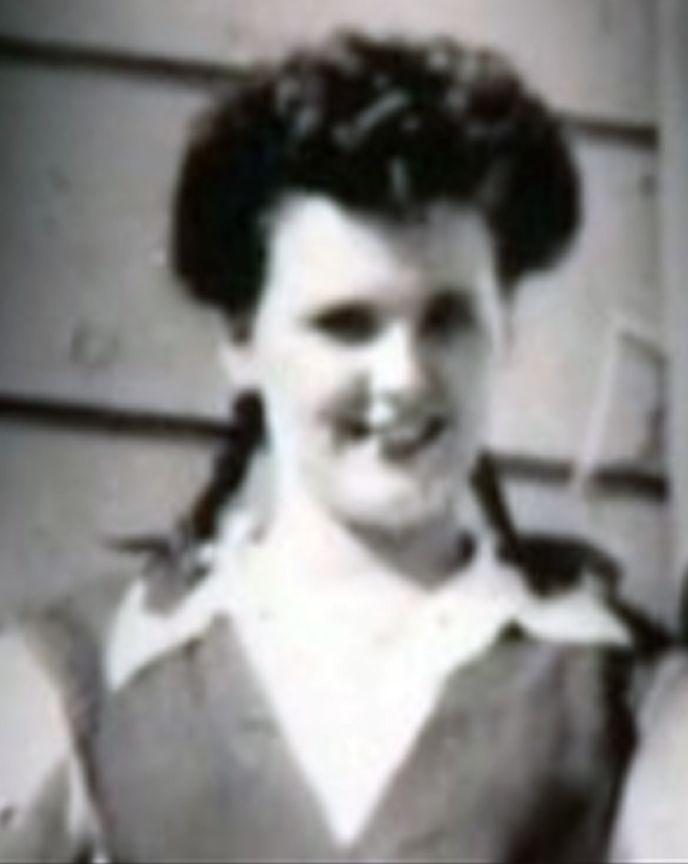
Beth became popular on the base, even voted “Camp Cooke Cutie”, but the good times didn’t last. She moved in with an Army Air Force sergeant, rumors said he started to abuse her, and just like that her time at Camp Cooke came to an end. She packed up and left within weeks, drifting from town to town, never staying long.
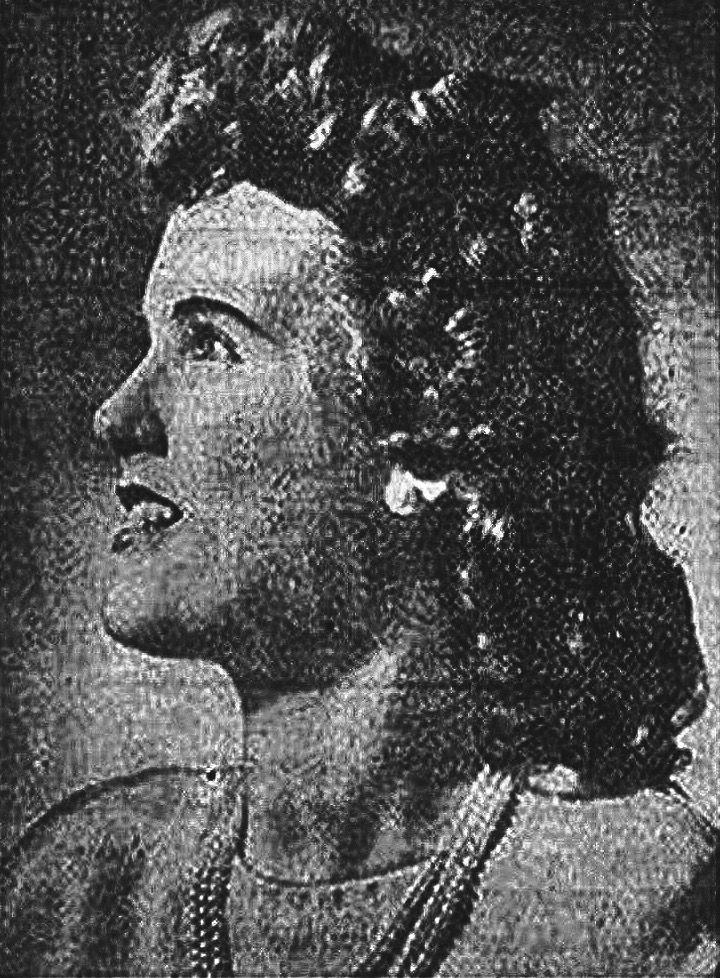
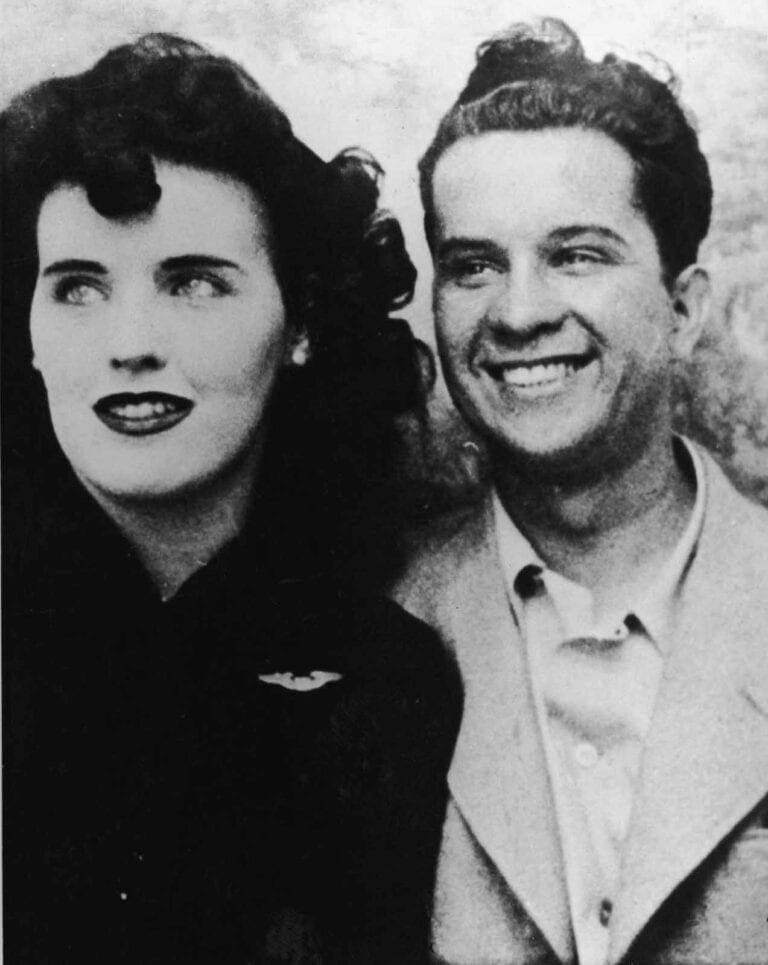
Somewhere along the road she met Joseph Gordon Fickling., a romance that burned hot and quick before fizzling out. By September 1943, Beth had landed in Santa Barbara, living at 321 C West Motecito Street, a stop that would bring her face to face with trouble.
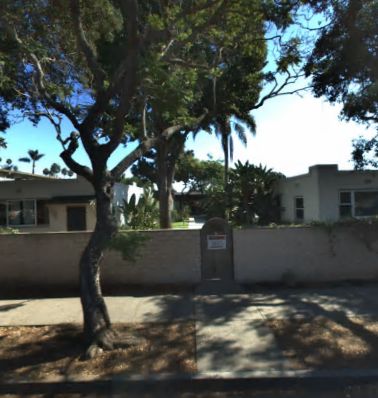
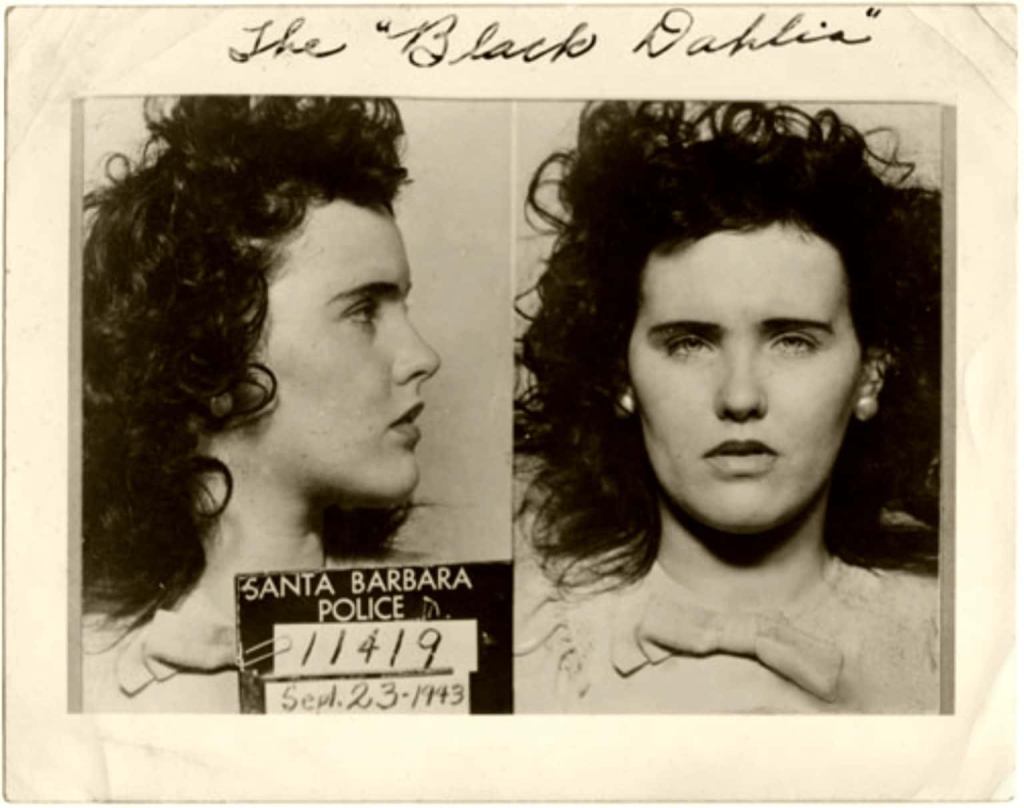
It didn’t take long for trouble to find her on Montecito Street. Beth was arrested on September 23rd for being in a club while underage. When the cops hauled her in, she tried to tell them she was married to one of the soldiers at the table, but they didn’t buy it, they booked her in, took her prints and her mug shot and held her until arrangements were made to ship her back to Medford.
From Camp Cookie Cutie to Miami Beach Beauty:
But Beth was never one to stay put. She didn’t last long in Medford before she lit out again, this time for Florida and Miami Beach. Down there she found work at Big Davie’s Rosedale Deli and Restaurant at 1437 Washington Avenue and rented a room at the Elmar Apartments at 220 21st Street.
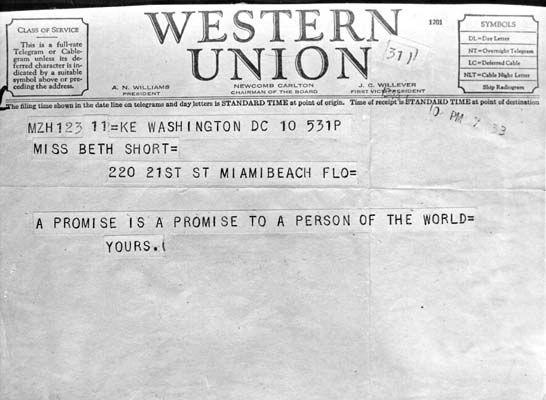
Sunshine, night life, and new faces. Miami gave Beth a clean slate at least for a while. She briefly reconnected with Joseph Gordon Fickling after he sent her this telegram.
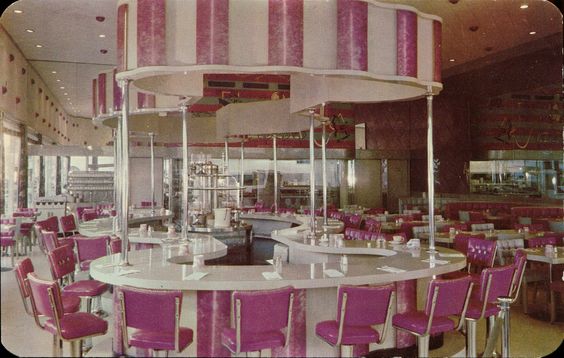
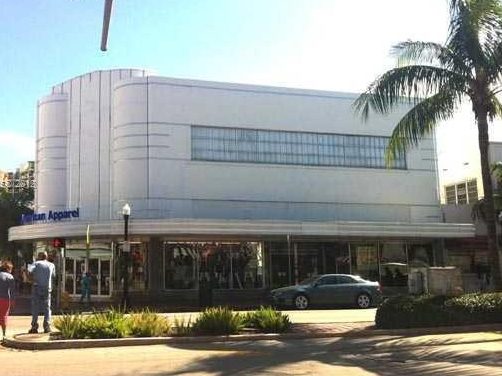
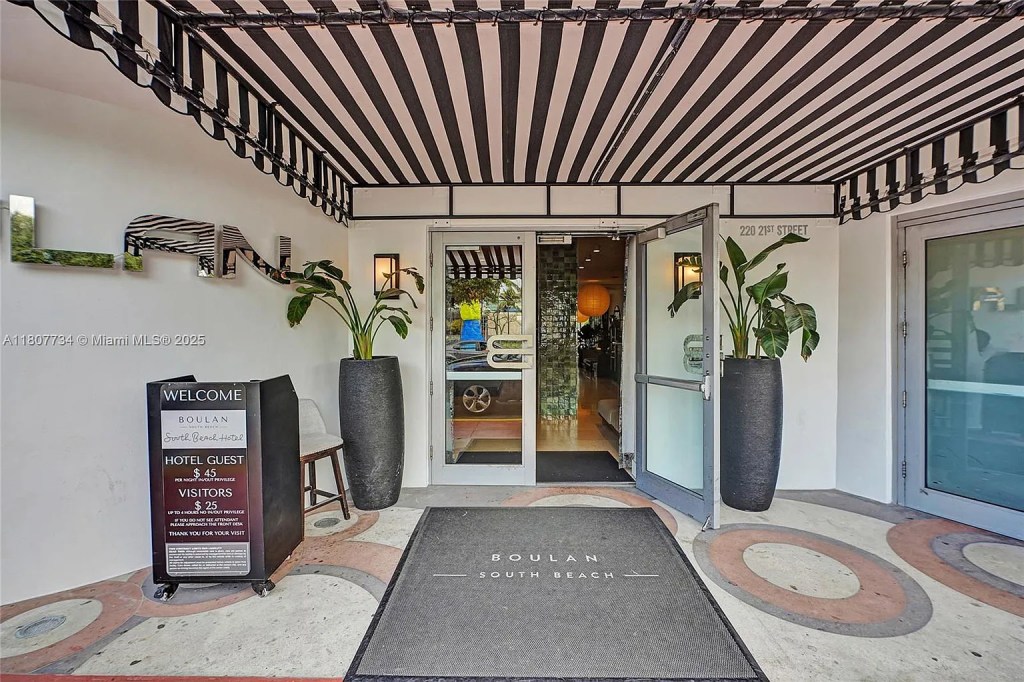
Former Elmar Apartments.

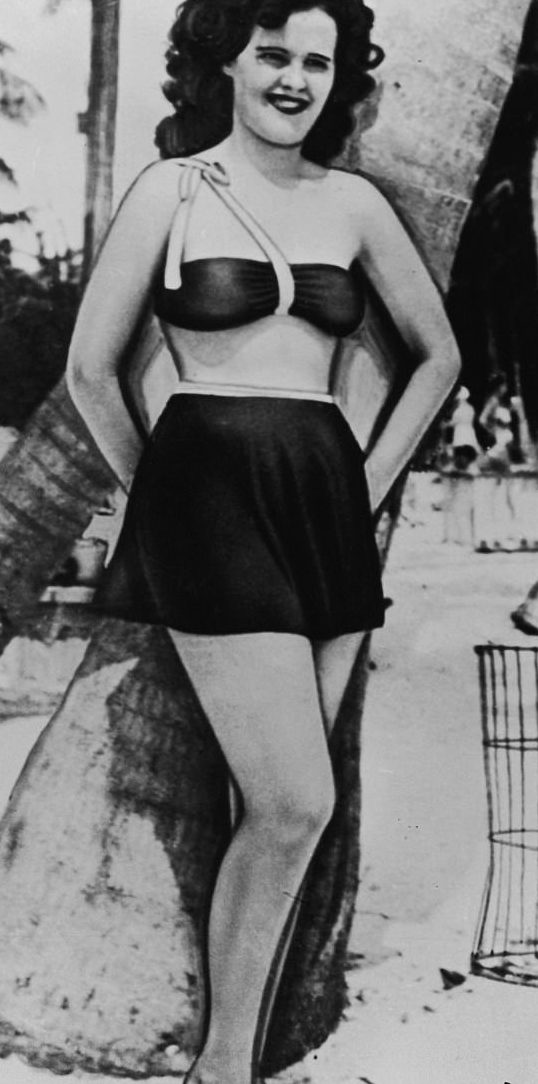
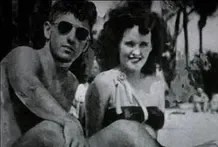
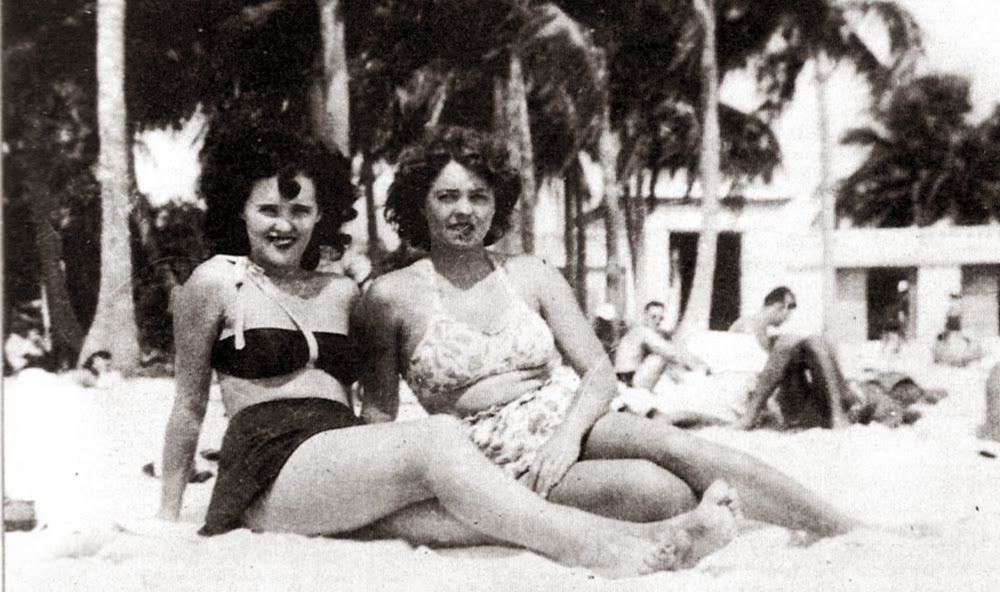
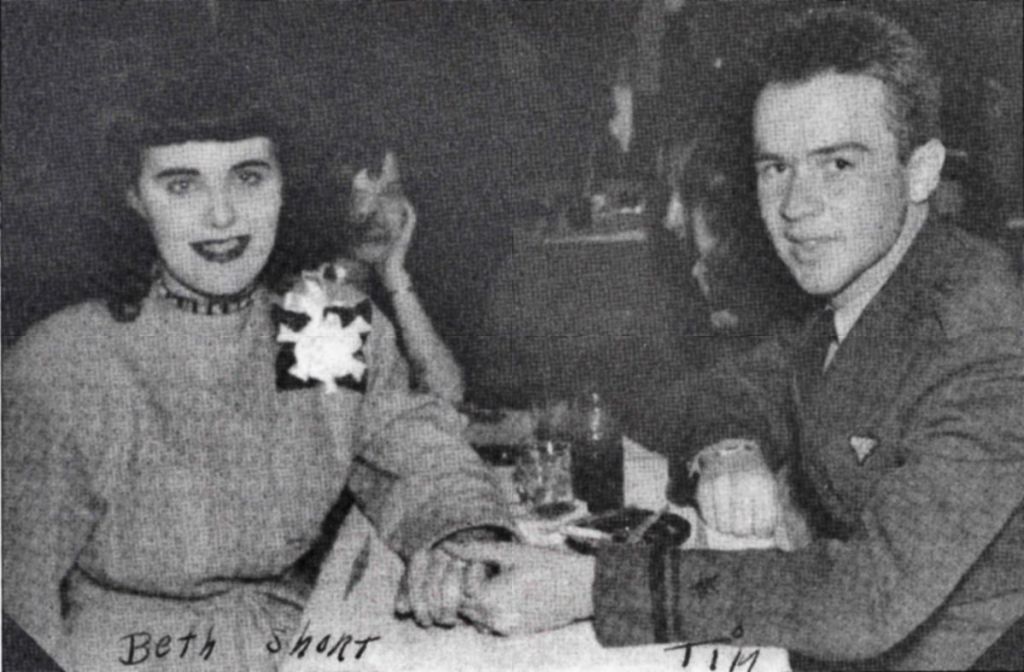
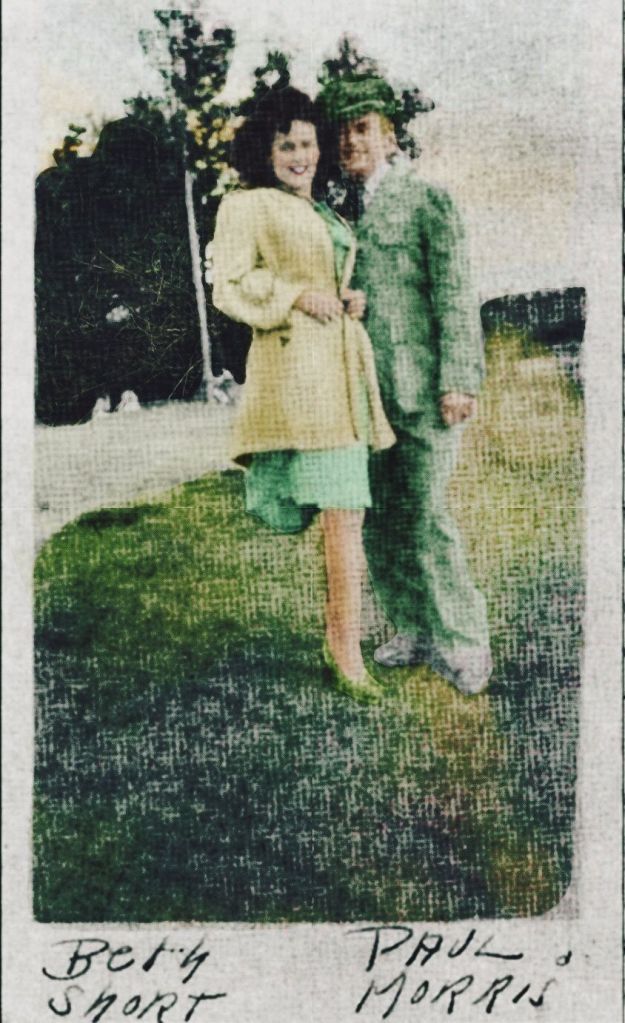
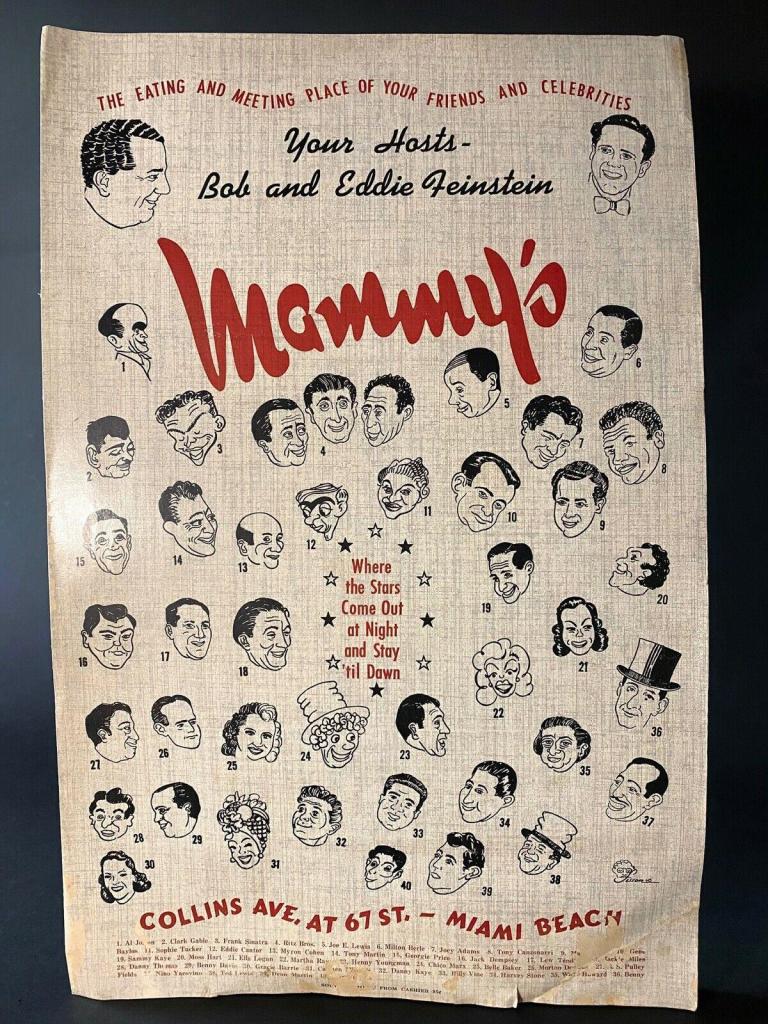
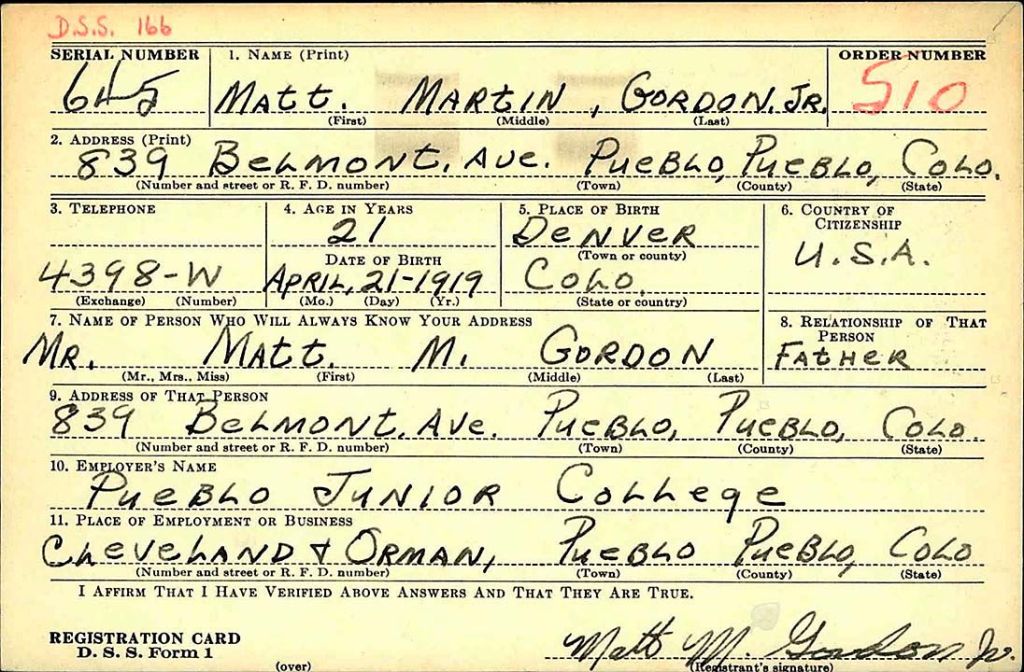
Beth’s job at Big Davies didn’t last long. By late 1944, she was working at Manny’s Restaurant on Collins Avenue and 67th Street. On January 31,1945 she met Major Matthew Gordon jr. The two fell hard for each other. Before long Matt shipped out to India, and the two began to write to each other. The letters flew back and forth faster than the mail could carry them. Matt wrote to his mother on May 5, 1945.
“Mom, Do you really think she really loves me? It kind of looks like she does. She wrote me 27 letters in 11 days”
Beth’s own letters. read:
“Yes, I’ve dated men since I’ve seen you last, and most of them disgusted me. If you want to slip away and be married, I will do whatever you wish darling. I’ll wait, no matter how long.”
In February 1945, Matt was injured in a plane crash while searching for a downed pilot. He was sent to Georgia to recover, and Beth traveled to see him that March. When he recovered he was returned to duty and Beth quickly wrote him again:
“Darling if only all the men were like you. When you come home I’ll never let you go. It’s real love, because I have not had you out of my thoughts since we met. Now that I know that you love me, there could never be another man meant for me. Now that you have asked me to be your wife, I do not date. “
Matt wrote home on July 29, 1945:
“Mom, I’ll be home end of September with my bride. We will soon be married in Medford. Her hometown. “
Beth wrote to Gordon at this time, it is not known what she told him, but his reply came soon after:
“You say in your letter you want us to be friends, but from your wire you seem to want more than that. Are you really sure just want you want? Why not pause and consider just what you’re coming out here to me would amount to? In your letter you mentioned a ring from Matt, you gave no further explanation, I really don’t understand. I wouldn’t want to interfere. Gordon. “
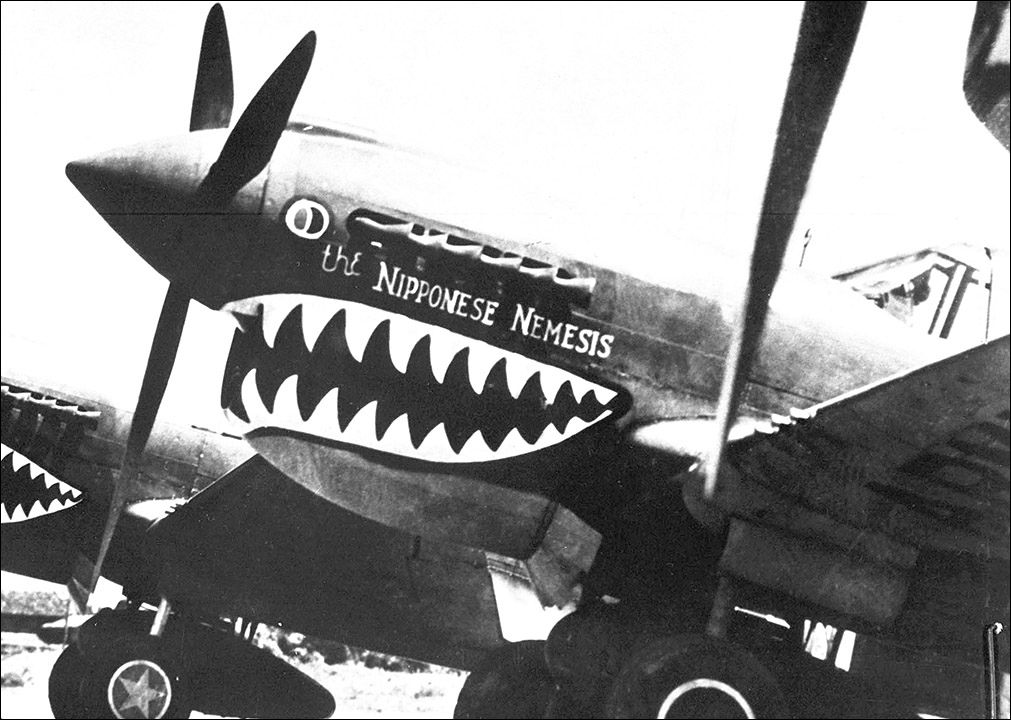
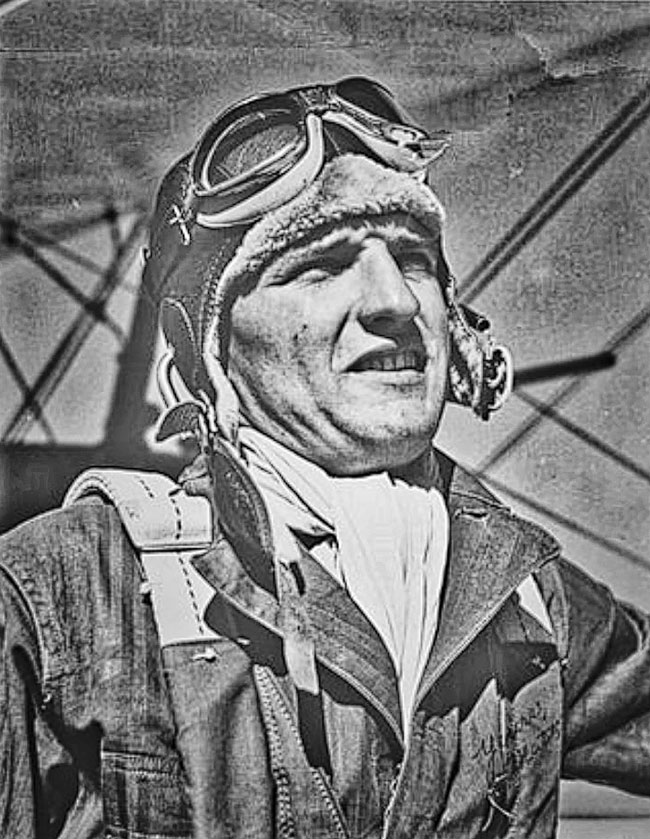
But fate had other plans. On August 10,1945, Major Matthew Gordon was killed when the plane , a P-51, he was piloting went down. He was just twenty-six years old. He had flown fifty combat missions, taken down two Japanese Zeros, destroyed five enemy aircraft in aerial combat. He was awarded the Distinguished Flying Cross, The Silver Star, Air Medal, and The Bronze Star. He was also part of the Flying Tigers.
On August 22, Beth received a telegram from Matt’s mother:
“Just received word from the War Department that Matt was killed in crash. Our deepest sympathy is with you.”
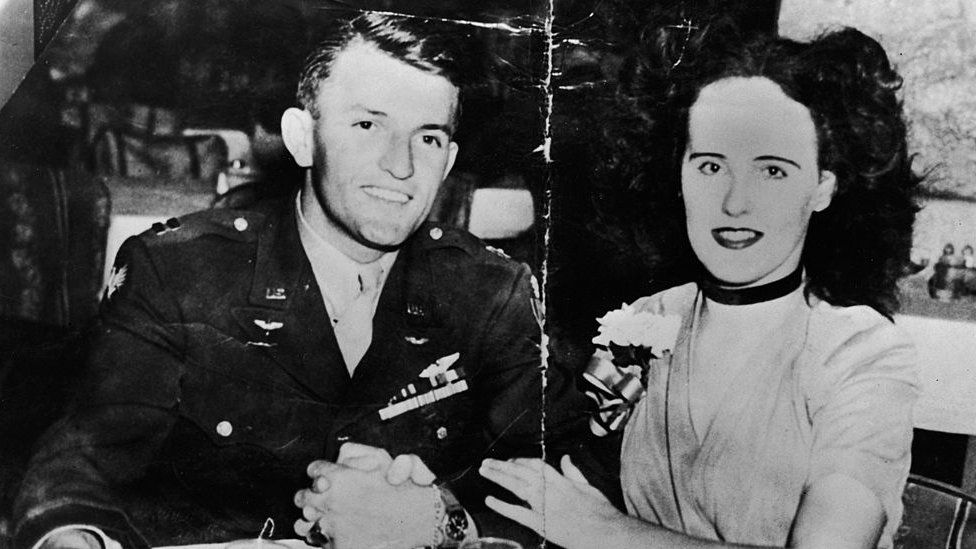
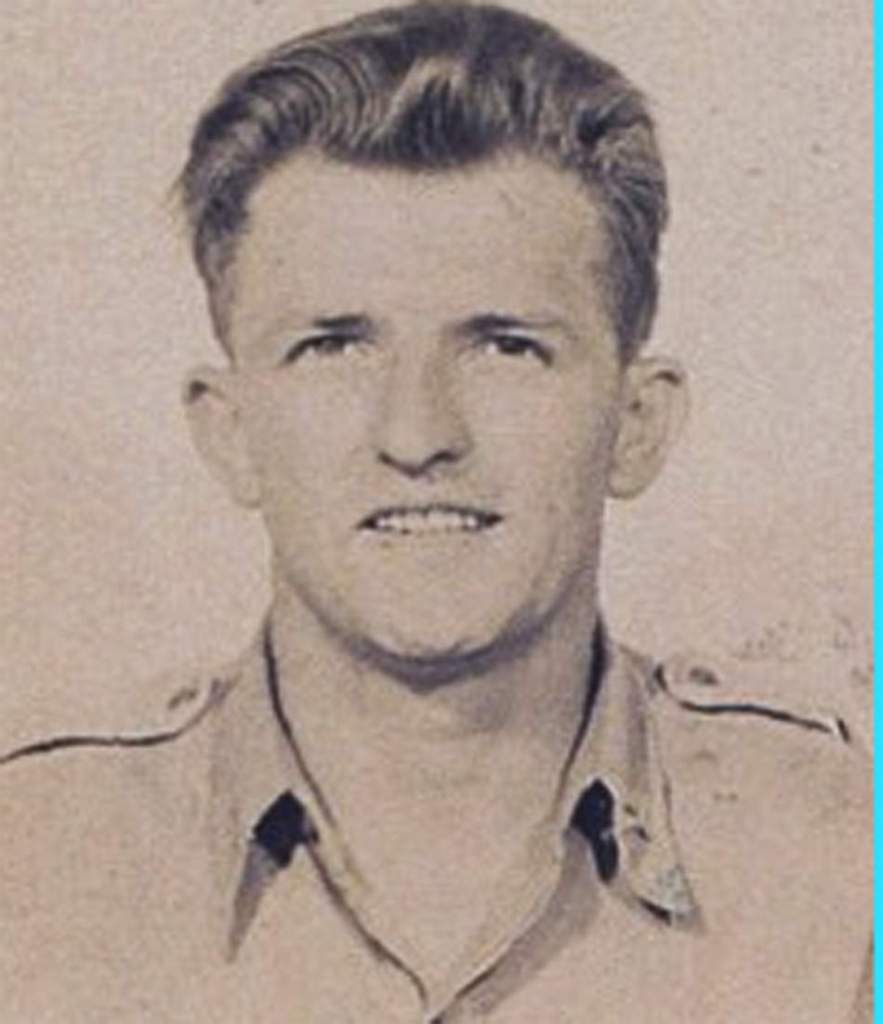
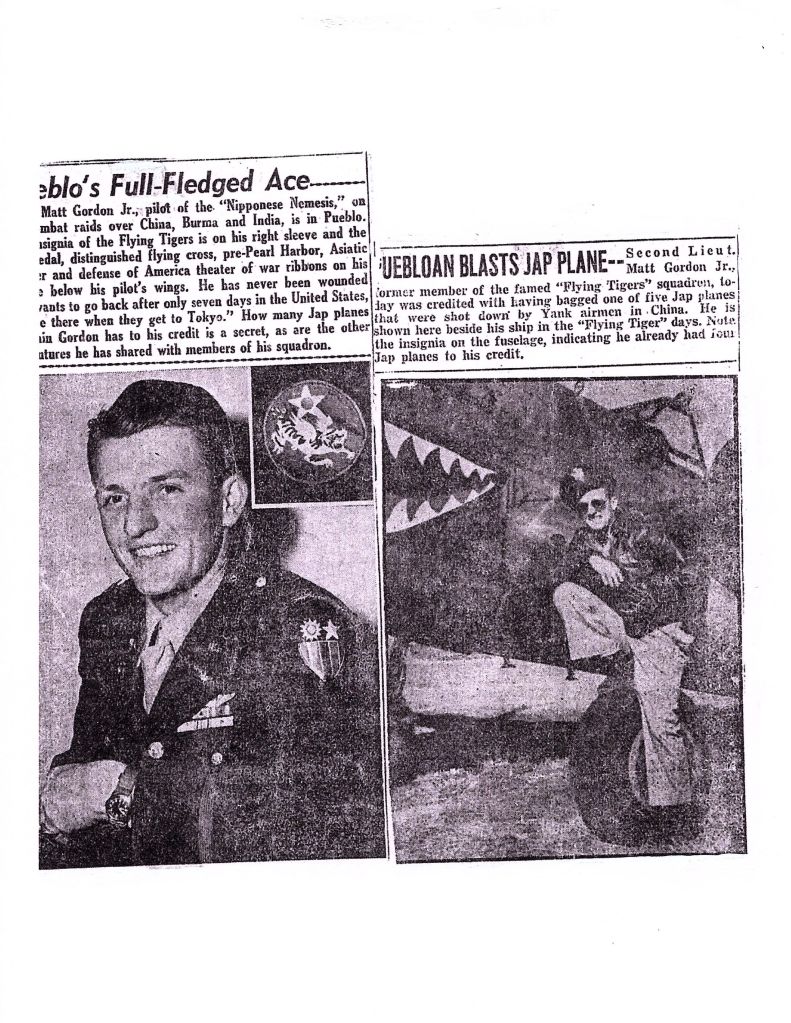
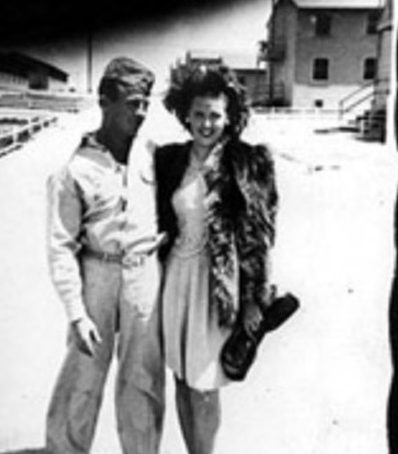
Matt’s personal effects included the engagement ring he bought for Beth, a fellow officer mailed it to her. The wedding band was sent to his mother. Beth called herself his widow and carried a clipping of Matt’s death with her. Whatever innocence she had left seemed to have ended that summer. Perhaps this is when she started dressing in black, forever mourning Matt.
The Black Dahlia:
From December 1945 to January 1946, Beth lived at the Colonial Inn at 2104 Riverside Avenue in Jacksonville Florida. Her mother sent her checks to cover expenses. Beth resumed communication with Gordon by writing him a letter:
“Darling I do hope that you enjoyed a happy Christmas at home with your folks I wish that I could have been at home during the holidays. My grandparents came to visit at my home from Portland, Maine. My aunts and uncles were also included so I guess mother had her hands full. My sister and brother-law were happy as two love birds. I’m so happy for them. What could be better? Mother mentioned that she wanted to come here sometime in the spring. She intends buying a house near my sister in Berkeley. I know that she’ll be happier here. Mother has asked about you several times and I do wish you knew her. I ‘m sure that you would like her, for everyone does. She’s so wonderful and very nice looking too. Where do you expect to live permanently? Have you come to any conclusion as to where you’ll work now, dear? That is the main worry now, isn’t it? Frankly darling, if everyone waited to have everything all smooth before they decided to marry none of them would be together now. I have no right to preach to you. I know Gordon darling, but you are missing so much of life. Don’t you think so? I’m getting ready to leave now that the holidays are over. I’ll need my fur coat in Chicago I guess. It’s going to be cold there. I know that you’ll be happy someday soon darling, bye for now, Love Beth.
But Beth was already restless. By February, she was back in Medford. Where she took a job at a local theater, which like all the other jobs, didn’t last long. She then worked in restaurants each one lasting just a short while. By June 1946 the itch was back and she began to make her way west.
Her first stop was in Indiana, then to Chicago, where she stayed at the Park Row Hotel. There, Beth became fascinated by the murder of Six-year-old Suzanne Degnan , whose body had been found dismembered in January. William Heirens has been arrested and charged. (Steve Hodel claims George Hodel killed Suzanne) Beth told people she was a reporter covering the case and trial.
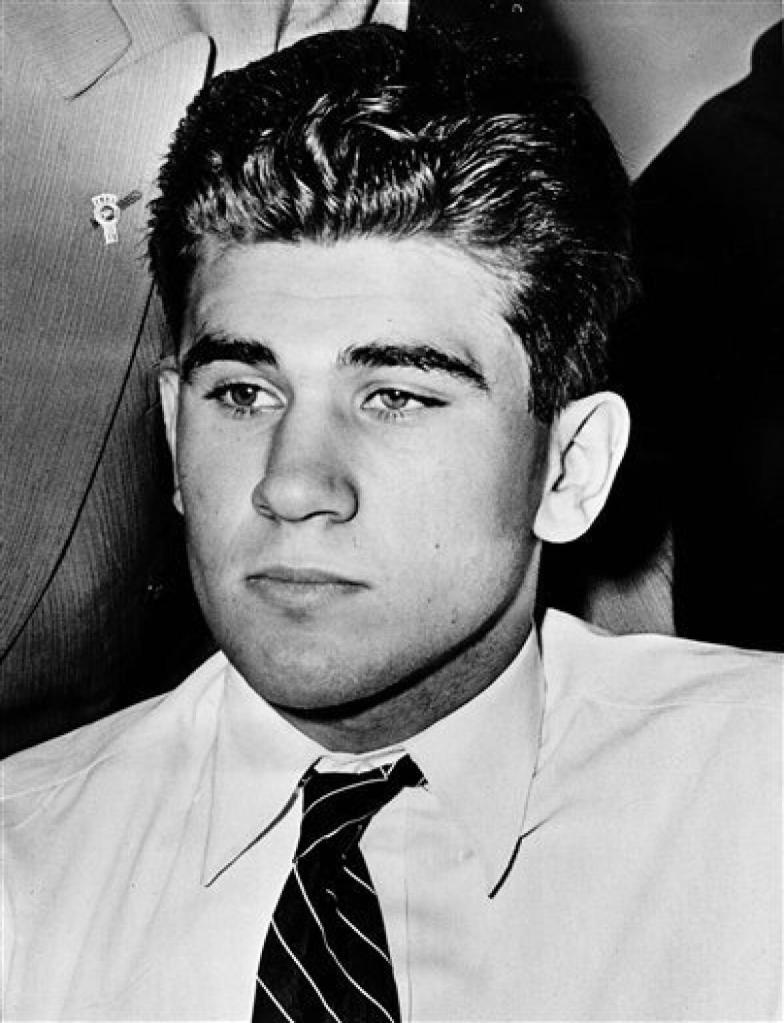
A male friend later remembered “She was the prettiest girl I ever met, but she was terribly preoccupied with the details of the Degnan murder. “
Gordon wrote to her while she was traveling:
I’m hoping you get the job you want, also the clothes and apartment. After that you should be able to relax for a few days before something else happens. Just tried to call you for the sixth time since 11 a.m. I hope you enjoyed your breakfast date, which you seemed to have kept despite that fact that you said you were not going to . If I am ever able to understand you, I’m going to consider myself quite accomplished. Will continue trying to call you and hope that you can say hello between dates.
Telegram sent to Park Row Hotel Chicago Summer 1946 From Gordon To Beth:
Darling, Love you more than ever. Have been away recently my letters to Indianapolis returned. You’re moving too fast. Letter follows. Don’t move. Love Gordon
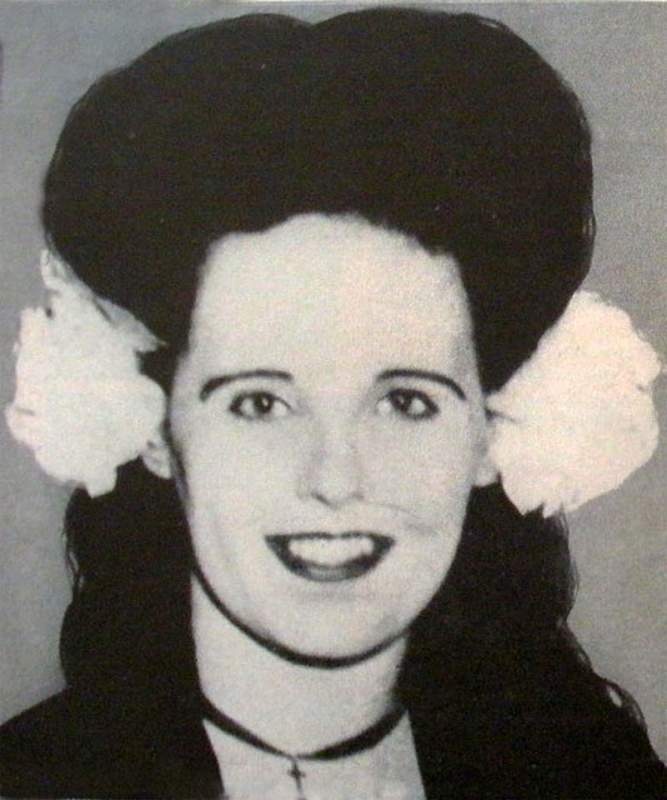
Beth eventually made her way back to California, landing in Long Beach in July. She briefly reconnected with Joseph Gordon Fickling on July 22nd, but he soon shipped out. Left on her own again, Beth began to hang around Lander’s Drugstore, where the soldiers, who frequented the soda fountain, gave her the nickname she would carry into legend. “She was very popular with the soldiers at the soda fountain. We started calling her the black dahlia because of her clothing and the flowers she wore in her hair. “
Bright Lights, Dark Streets:
Hollywood. The name sounded like champagne and glitter. By the time Beth got there, the shine was wearing thin, she drifted through cheap apartments and borrowed couches, living out of a suitcase. The town was full of dreamers, hustlers, and lonely hearts, and Beth was just one more pretty face trying to make it. Waiting for that break that never came.
On August 3, Beth made her way to Hollywood and checked into the Sunset Motel on Sunset Boulevard where she stayed a week. She soon received another telegram from Joseph Gordon Fickling.
They reconnected on August 20th when he came to visit and they briefly played house, renting an apartment at the Breevort 6326 Lexington Avenue, together as “Mr. and Mrs Gordon Fickling”, but the “honeymoon” didn’t last, tension between the two boiled over and by August 27th, Beth packed up and moved out.
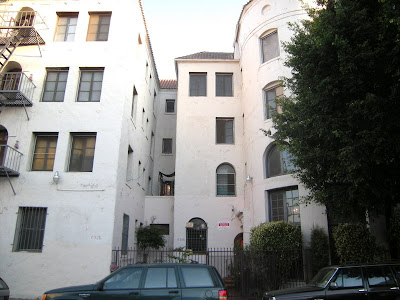
She rented a room with two other women, Marjorie Graham , who was from Cambridge, she and Beth met while Beth was living in Medford ,and Lynn Martin, at the Hawthorne Hotel 1611 North Orange Drive, off of Hollywood Boulevard, which sat in the shadow of the Roosevelt Hotel. Gordon sent her the following telegram:
“Loving you the way I do would make me do practically anything I guess. I learn so many new things about you every day that it’s a little confusing. You do things that irritate me and burn me up but no, darling, I don’t want to leave you, as you seem to believe. Love Gordon. “
Beth wasn’t working at this time and often relied on friends and neighbors to buy her meals and slip her a few dollars. She told them was going to marry an Air Force lieutenant as soon as he was out of the hospital and that the wedding was set for November 1st. (I’m guessing the dame built up this dream world for herself in which Matt Gordon was still alive and he was still coming for her, or she did it to get people to buy her meals ) Like Blanche DuBois, Beth seemed to rely on the kindness of strangers and she got by at least for a little while.
Beth dashed off a note to Gordon once more and he replied with the following:
“Darling your request impossible at this time, other obligation have me against a wall. Try to make other arrangements. I’m concerned and sorry, believe me. Honey I’m terribly sorry about that wire you sent . Couldn’t raise the money on that short notice. Glad you managed o.k.. I want that picture of you very much. Gordon”
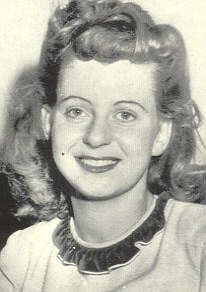
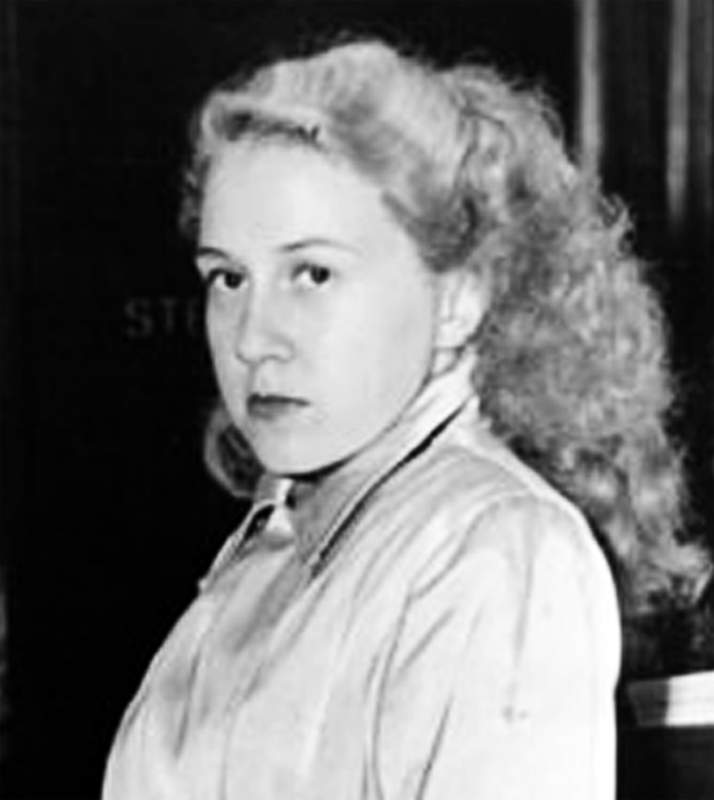
On September 20th, the landlady, Mrs. Richmond, asked the girls to leave.
It was around this time that Beth was introduced to Mark Hansen , the slick nightclub owner of the Florentine Gardens. (this guy keeps turning up like a bad penny, anytime a young girl needed a place to stay there was Mark throwing out the welcome mat. remember him from the Spangler case?)
When Hansen heard about the girls situation, he offered to let them stay at his house at 6024 Carlos Avenue.
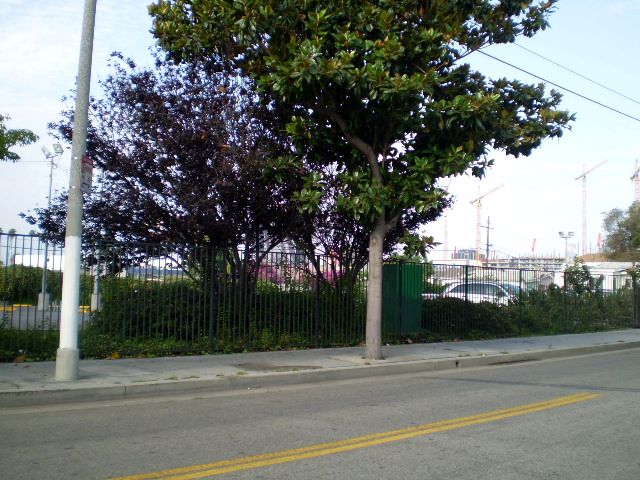
On October 10,1946, Mark Hansen had enough. Marjorie had emptied his liquor cabinet and he told her to leave. Majorie packed up and Beth followed. The two moved to the Guardian Arms at 5217 Hollywood Boulevard, apartment 726.
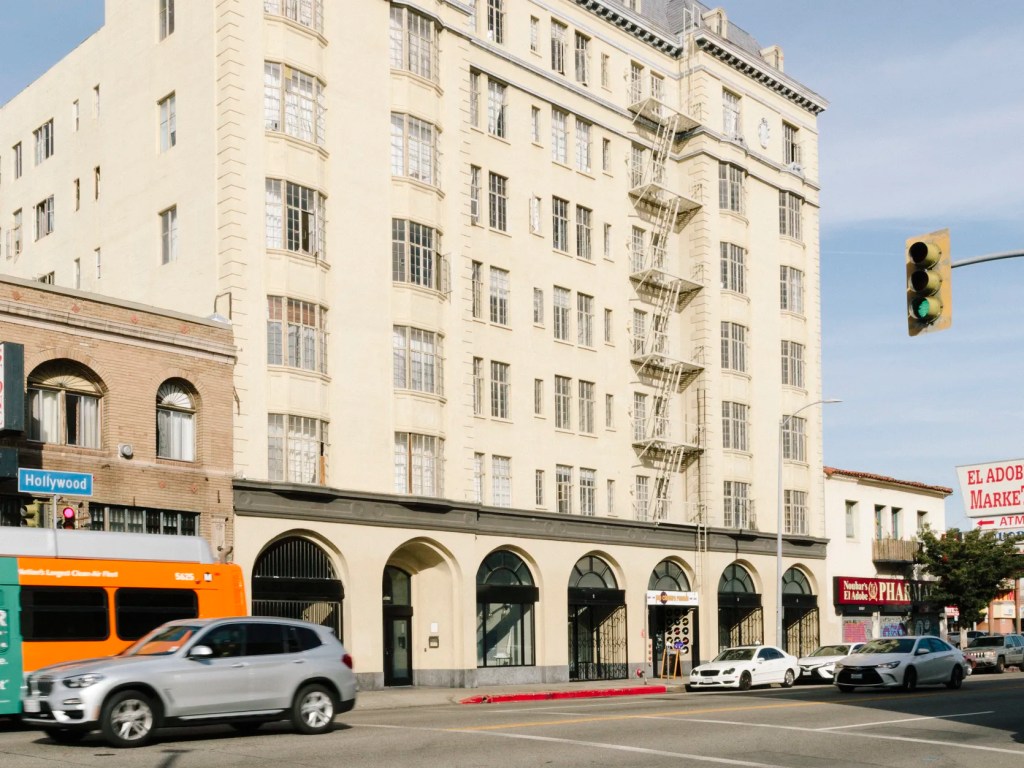
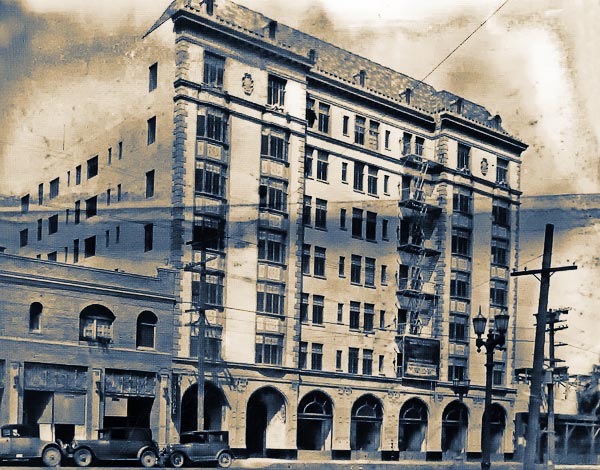
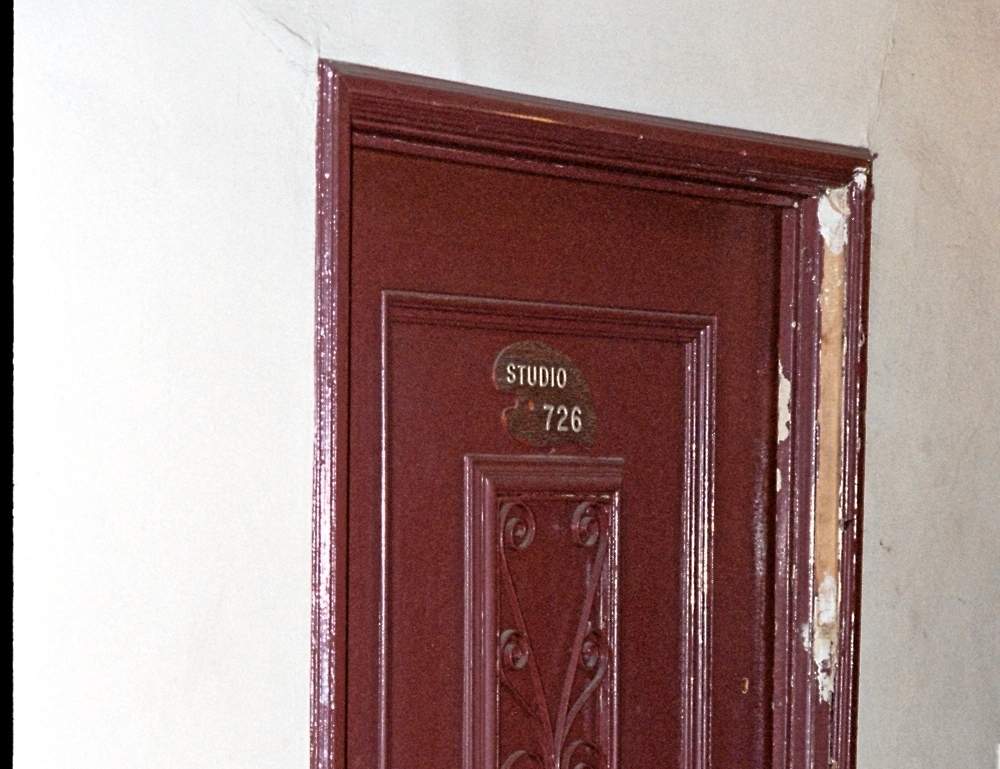
They lasted for two weeks before Marjorie decided to head back to Cambridge, Massachusetts. Beth, unable to pay the rent alone, moved out too, leaving her suitcase behind with a promise to pickup it up when she found a new place.
It was during one those restless walks along Hollywood Boulevard that Beth caught the eye of Glenn Kearns, a photographer. He asked if he could take her picture and she agreed.
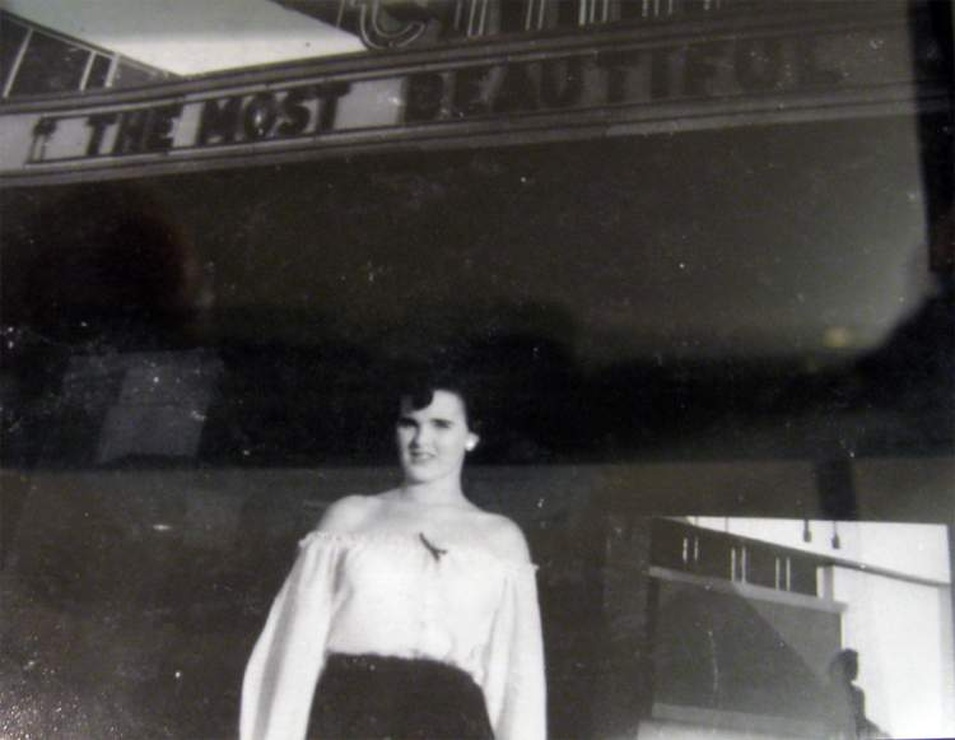
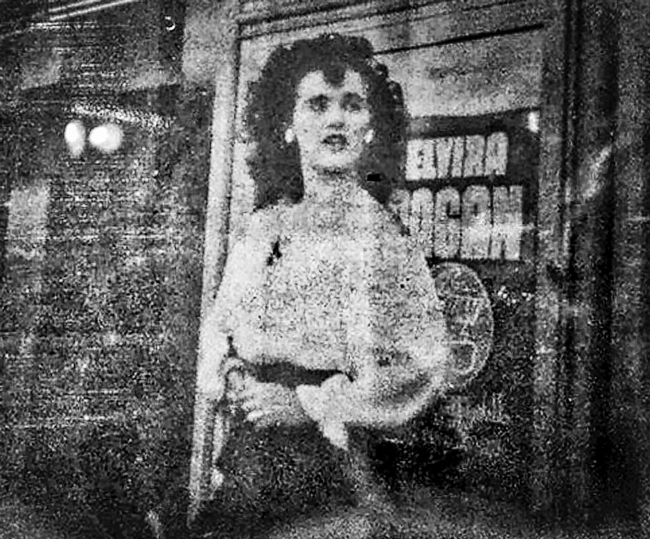
After a few shots, he asked if she would go with him to another location so he could get more shots. She agreed and he took her to Marshall high school.
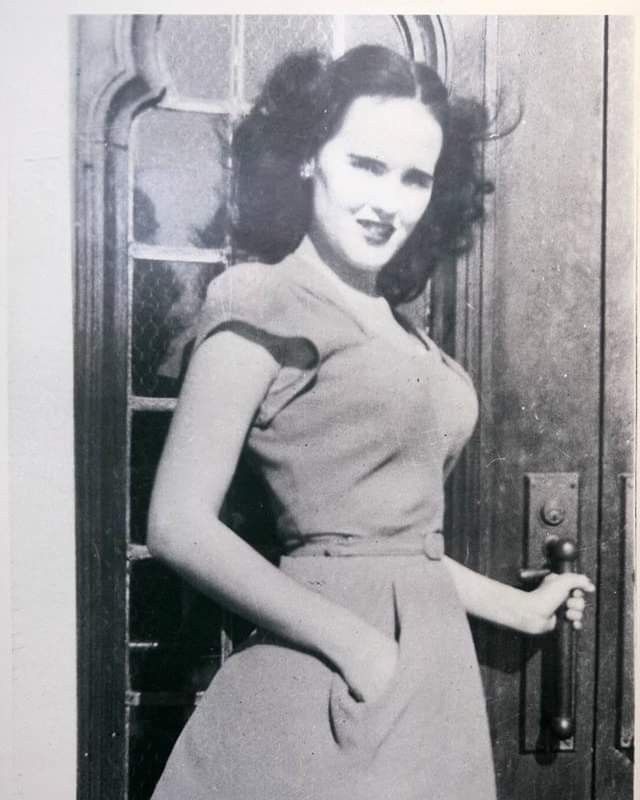
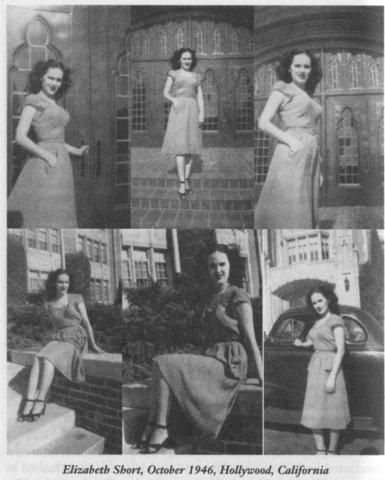
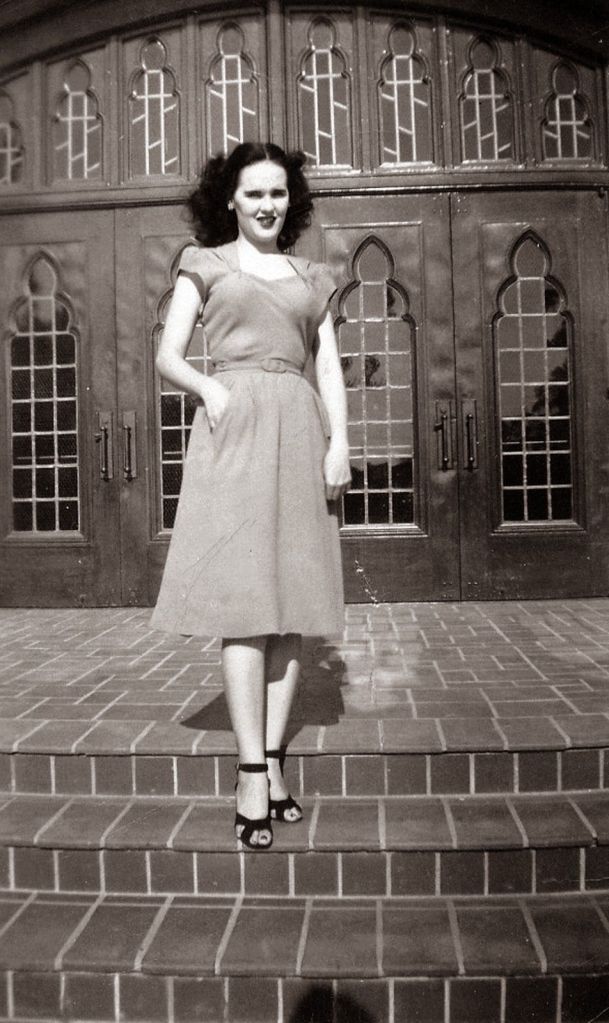
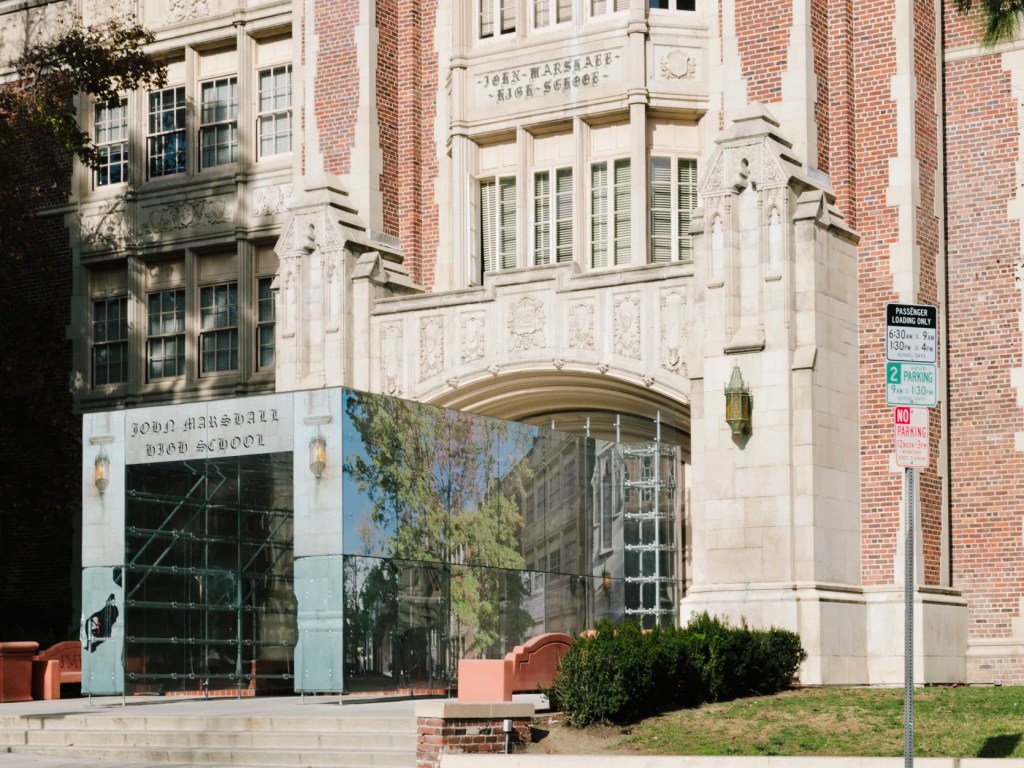
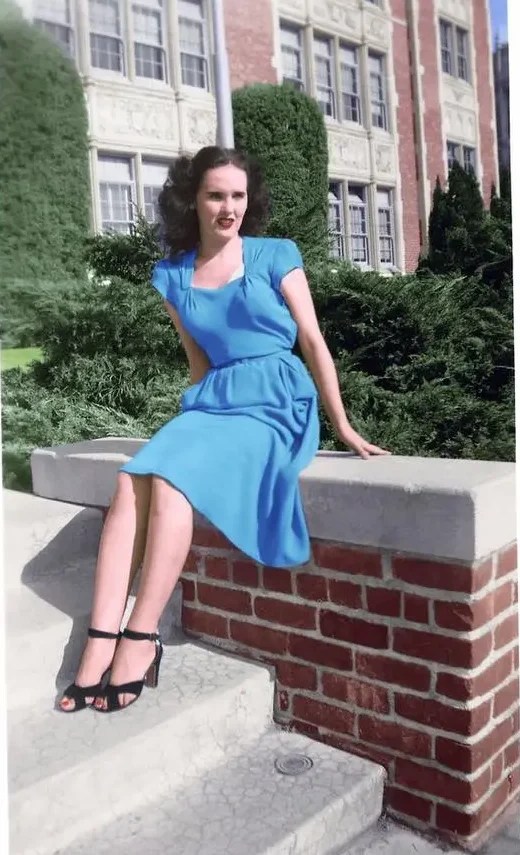
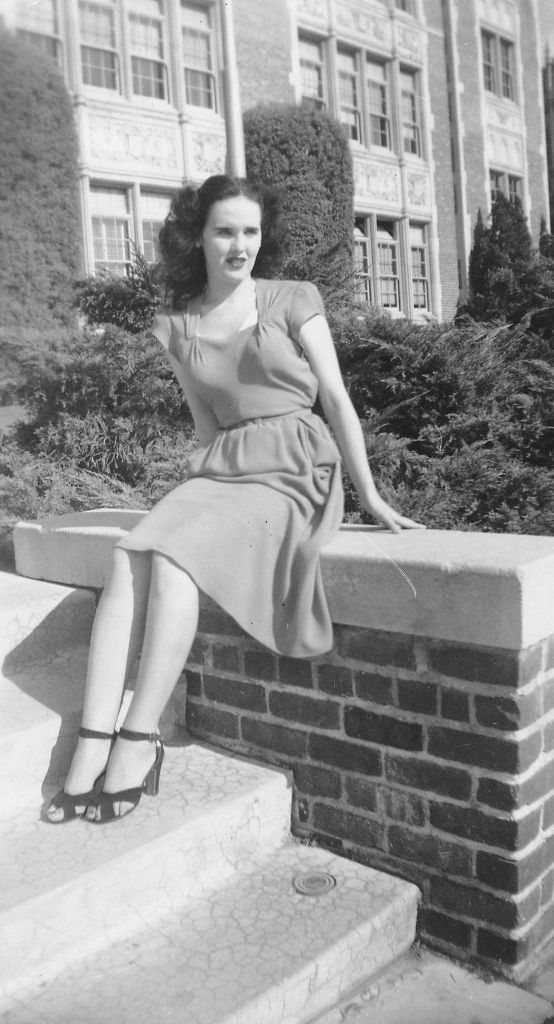
While posing she confided in him that she needed a place to stay. He offered to help. He told her he had to go to San Fernando Valley for an appointment, she could tag along if she wanted and maybe they could find her a place to stay. She agreed and off they went. However they had no luck finding a place for her stay, after driving around all night, they headed back to Hollywood, picked up her suitcase and Glen drove her back to Mark Hansen’s house.
When they arrived, it was Ann Toth, an aspiring actress and friend of Hansen, who answered the door. Rumors swirled that Ann was Mark’s girlfriend, Ann always insisted they were just friends. Another woman was living at Hansen’s house at the same time., and before long she and Beth clashed. Hansen, tired of the cat fights, threw Beth out on November 13, after the other woman insisted she leave.
Ann, feeling sorry for Beth, borrowed a car and helped her move into the Chancellor Apartments at 1842 North Cherokee Avenue, room 501, which Beth would share with seven other women.
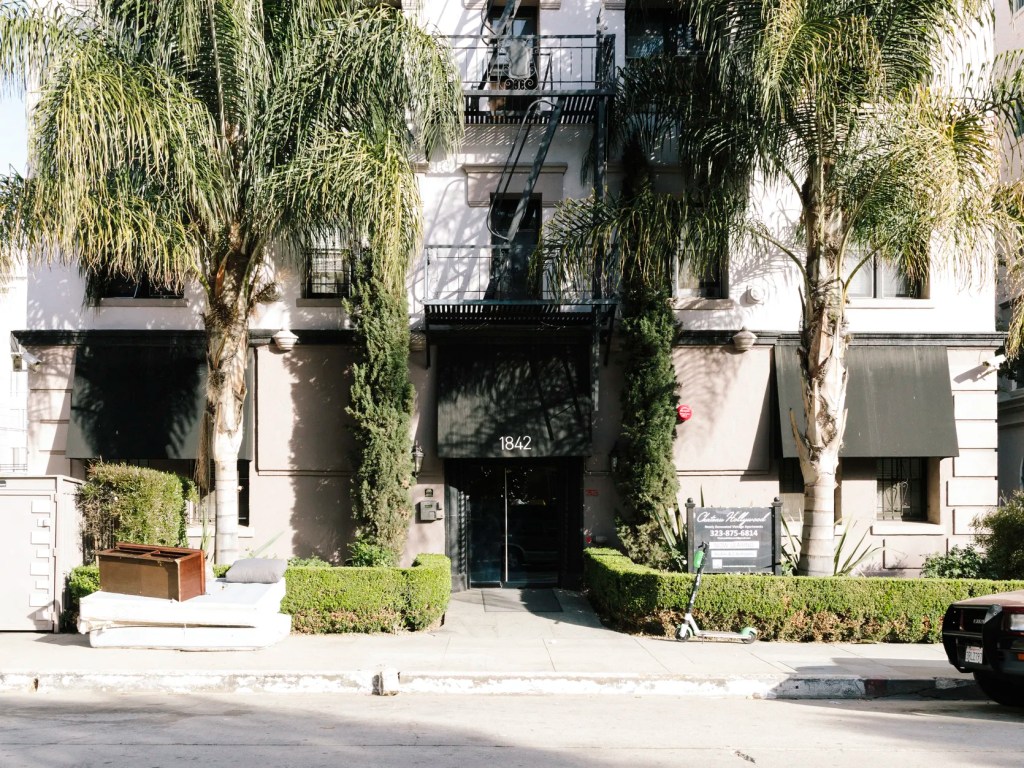
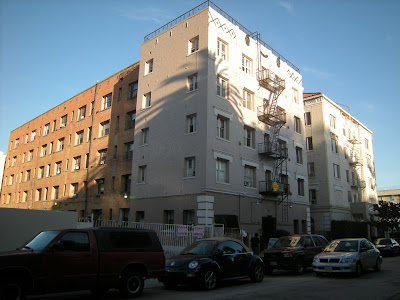
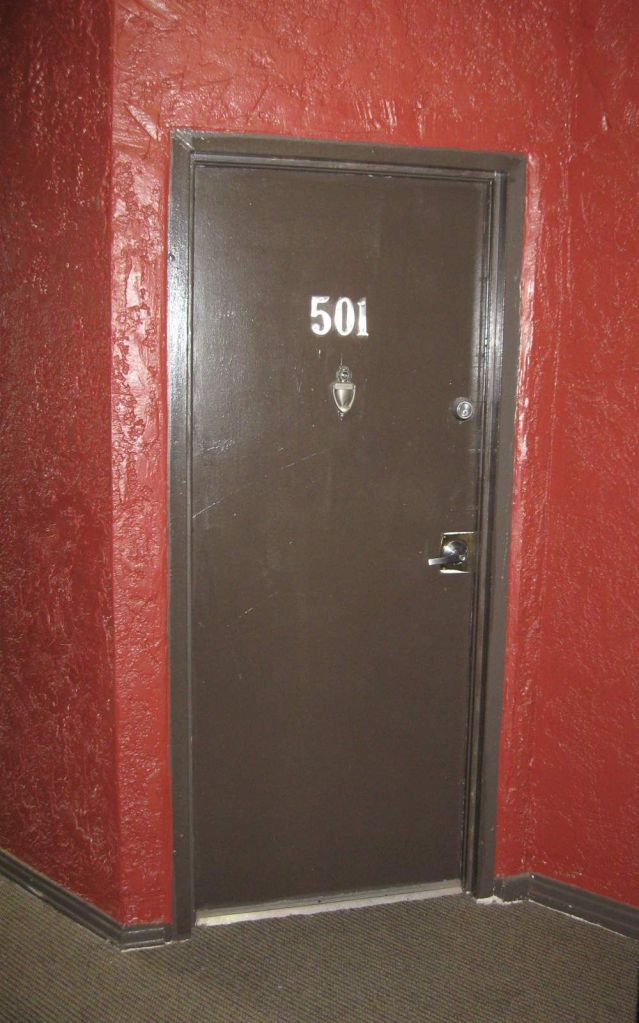
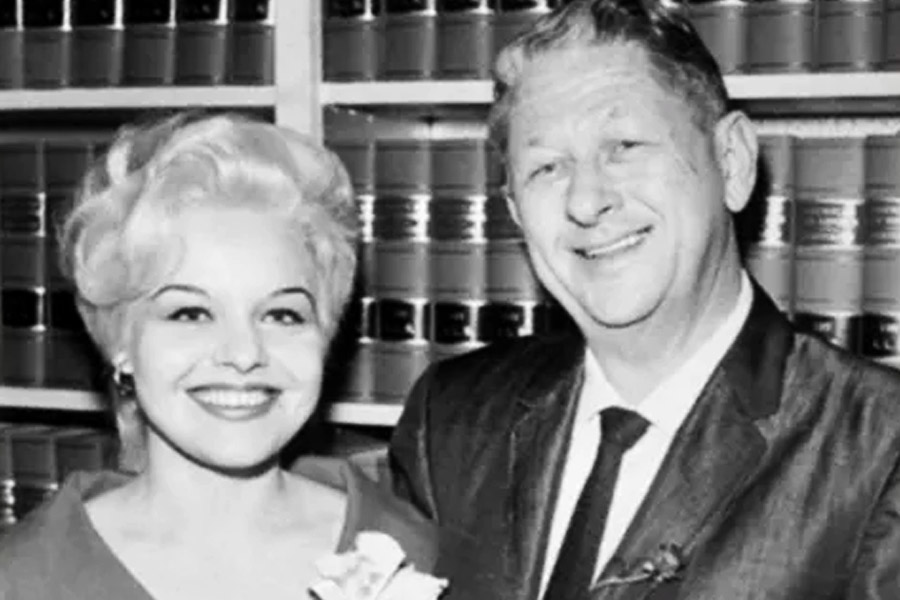
The Chancellor was owned by Glynn Wolfe, a man Ann later described as “A sexual pervert and maniac. He even tried to kill me once” Wolfe was notorious for his taste in young women, saying things like “You have to spank them once in awhile, but after they’re tamed they make wonderful wives. My twelve wives were all teenagers, they are happy that they don’t have to work, and they don’t make demands.”(Now I don’t know about you but this guy makes my skin crawl.) Glynn, would land in the Guinness Book of World records for being married 29 times.
After Beth’s murder, Wolfe’s name would surface again, he was charged with battery by a tenant of 507 who claimed Wolfe dragged her from the laundry room, up the stairs and threw her outside of the hotel. She had shoulder, leg, and abdominal injuries. In 1960 Wolfe was jailed after one of his ex-wives had him arrested for beating her. When he was released, he became an ordained baptist minister. Wolfe died alone in 1997 of a heart attack.
On December 5, 1946, Chancellor manager Juanita Ringo said she saw Beth crying. “I saw her crying, I asked her what was wrong. I thought maybe it was because she was behind on her rent, which she was, she wouldn’t tell me what was wrong other than that she was scared. She looked worried and tired. I felt sorry for her. She somehow managed to pay it that night, and then the next day she packed up and moved out. “
Beth returned once more to Mark’s on December 6. “I came home about six p.m. and there sat Beth crying, telling me she had to get out of there. She was saying something about going to Oakland for a few days and when she got back, could she come back and stay with me. I told her I didn’t think so. Find another place. I then asked her if I could take her someplace, and she told me the Chancellor, I was surprised she was living there, so I did, I let her out there and then I never saw her again.”Mark said in an interview.
On December 8, Beth made her way to the Greyhound bush station and caught a ride south. She was heading to San Diego. The next day she arrived downtown with no place to go. Wandering Fifth Avenue, she found the Aztec Theatre, a 24-hour movie house, at 655 Fifth Avenue, and bought a ticket. It was there that she met Dorothy French, the cashier.
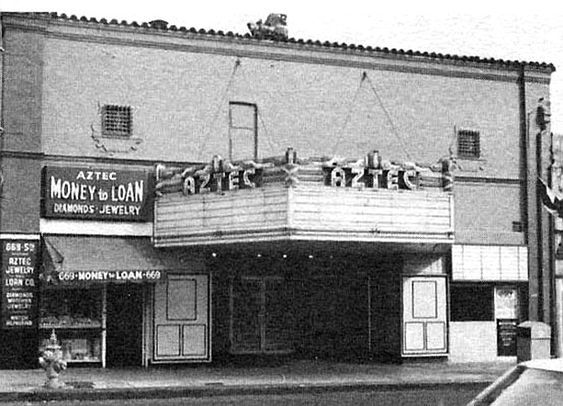
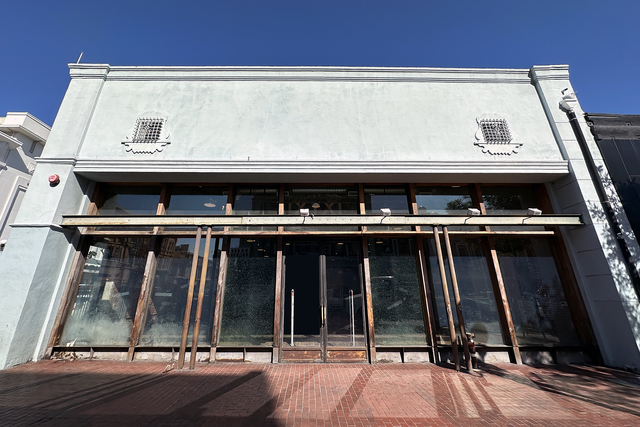
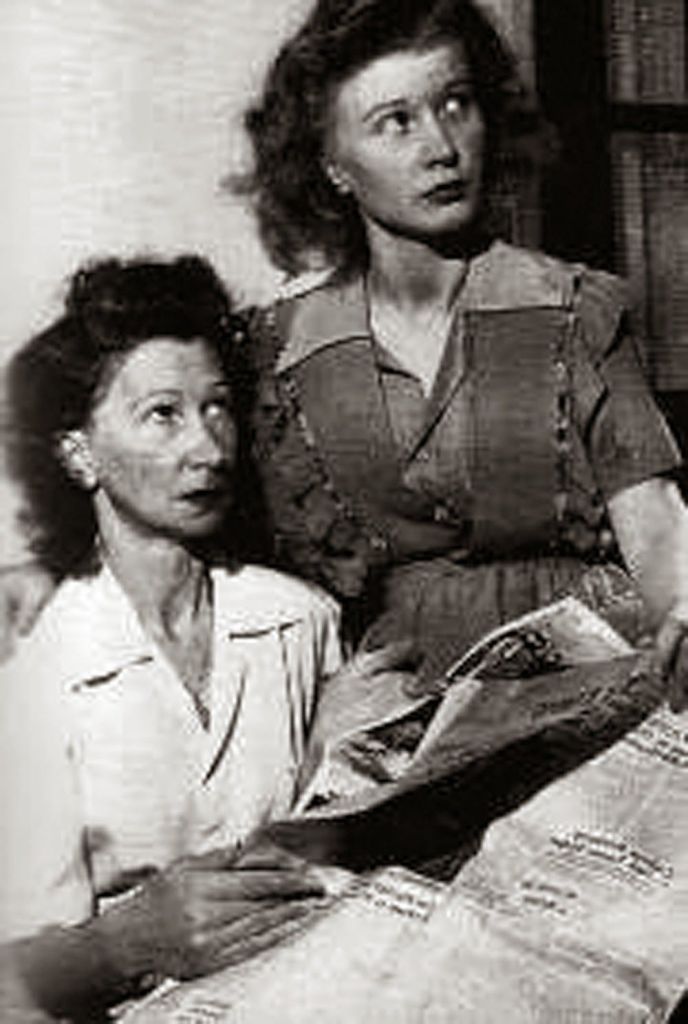
Beth told Dorothy she’d come to San Diego looking for work and a place to stay, and that she was a widow. Dorothy took pity on her and let her stay the night. “She ended up staying a month” Dorothy later recalled. “She was sleeping on the sofa and would sleep late in the day. My brother Cary and my mother Elvera, would have to be quiet while she slept. My mother would give her hints by putting the want ads on the coffee table. We finally told her she would need to leave or she could get a job and pay rent. She spent a lot of time writing letters and going on dates. Then on January 7, a few days before Elizabeth would move out, a woman and two men showed up at our home looking for Elizabeth. Elizabeth was frightened very badly and wouldn’t answer the door.”
December 13,1946
Honey,
Today has been quite busy for me. However, I always find time to let you know my thoughts are of you. I have just made chocolate cake, and topped it with white fudge frosting, walnuts and coconut. Everyone approved because it is nearly gone now. As I wrote, I am spending the holidays with my girlfriend whom I worked with in Hollywood. Her mother has a home here in San Diego. I couldn’t bear to be alone during the holidays, so she and I are spending it with her mother. I want to go to Florida in the new year and stay there. I’ve lost a great deal of work here and when I was able to work, I had to pay a great deal for medicine and doctor bills. I honestly did believe that I would be well in the west. Time has proved differently to me. My girlfriend’s mom works at the Navy Hospital here. I found myself a very nice job there also. I’ve worked for the past few days and I’m crazy about it. I am a receptionist and stenographer combination. I work for a lieutenant commander and he is very nice to me and asked me to spend New Year’s Eve with him. I had hoped we would be together by this time this year. It isn’t possible, but I do hope that you find a nice young lady to kiss at midnight New Years. It would have been wonderful if we belonged to each other now. Most sweethearts celebrate together on New Year’s Eve. I do wish it could have been different for us. My boss told me that he would find me a house through the Navy housing if I would stay here. I would never be happy in a house alone. I want the kind of happiness everyone else has. I am so unsettled and discouraged. Perhaps Matt was my man, that is why I’ve been miserable. I’ll never regret coming west to see you. You didn’t take me in. your arms and keep me there, however, it was nice as long as it lasted. You had a great deal on your mind and I was just an extra burden. I’ll never be settled unless I find my own happiness, as everyone else does with the man they love. Perhaps there is someone now, because I have never been able to call you “all mine” I’ve just about made my mind up to forget you and try to be happy some other way. I’m miserable because you are not around. Yet, I knew you never will be. Why go on, for if I let myself. I am sure that I could find someone else and love them. I’m human dear, so much so but yet you can’t understand it. I want someone all for myself. Don’t you? I’ll close for now and have a nice holiday and be happier than I am.
Always,
Betty.
January 3, 1947
Honey,
I know that I can’t make you happy. If I haven’t anything to offer you. Until that time you must make your own decision. Anything that will make you happy is all right with me. I trust that you’ll be very happy in Chicago modeling, doing what you like best. Time and again I’ve suggested that you forget me, as I’ve believed it’s the only thing for you to do, to be happy, find your happiness where you can, You’re not finding it in me. I enjoy hearing about you in your letters but if you’d rather stop them there’s no hard feelings on my part. I’ll understand and wish you all the happiness in the world.
Love,
Gordon.
On January 8, Beth phoned Mark Hansen in Los Angeles. “She told me she was in trouble and asked if she could come back and stay.” Hansen later said “I told her Ann wasn’t here and that until Ann got back from visiting her parents, she couldn’t stay here.”
According to the San Diego Police Department these were Beth’s movements while staying with the French Family:
Dec. 10 — Date with an unknown male
Dec. 15 — Date with an unknown naval officer
Dec. 16 — Left the French home, saying she had a job interview at an airline. Red Manley, a man she’d recently met, picked her up.
Dec. 17–21 — Daily dates with Red Manley
Dec. 21 — Red showed up at the French house looking for Beth, but she didn’t show for the interview. Around this time, Beth contacted Joseph Gordon Fickling asking for money.
Dec. 22 — Gordon wired her $100.
Dec. 24 — Dinner at the home of Frank Dominguez.
Dec. 25 — Christmas dinner with the French family.
Dec. 26 — Date with Red.
Dec. 27 — Phone call with an unknown man, followed by a date that night.
Dec. 31 — Seen in a bar in El Cajon with a man who was reportedly patting her face to sober her up.
Jan. 1 — Spent New Year’s Day with the French family.
Jan. 2 — Two phone calls came for her.
Jan. 3–4 — Stayed at the French home.
Jan. 4 — Went out to buy makeup and magazines.
Jan. 5 — Spent the day writing several letters.
Jan. 6 — Remained at the French home.
Jan. 7 — Received a message from Red Manley, had a date with someone.
Jan. 8 — Red picked her up; they went to a motel.
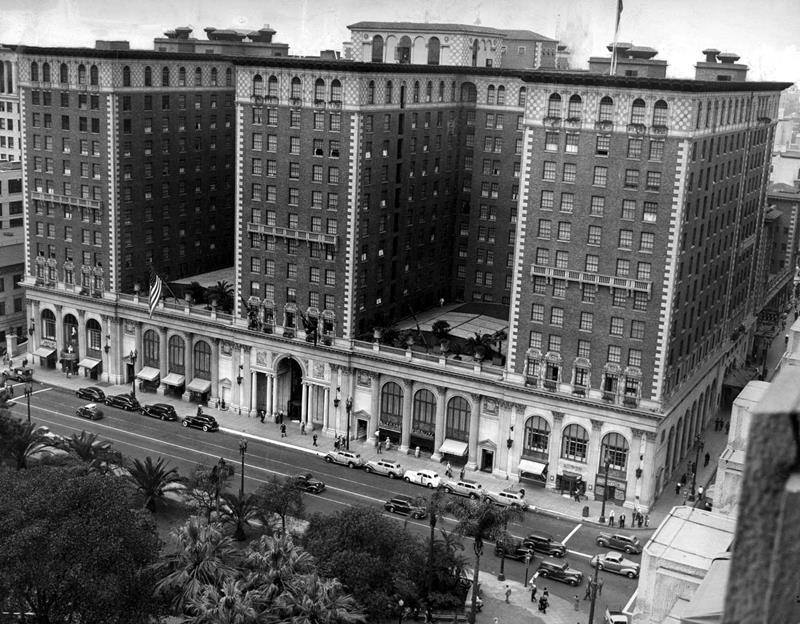
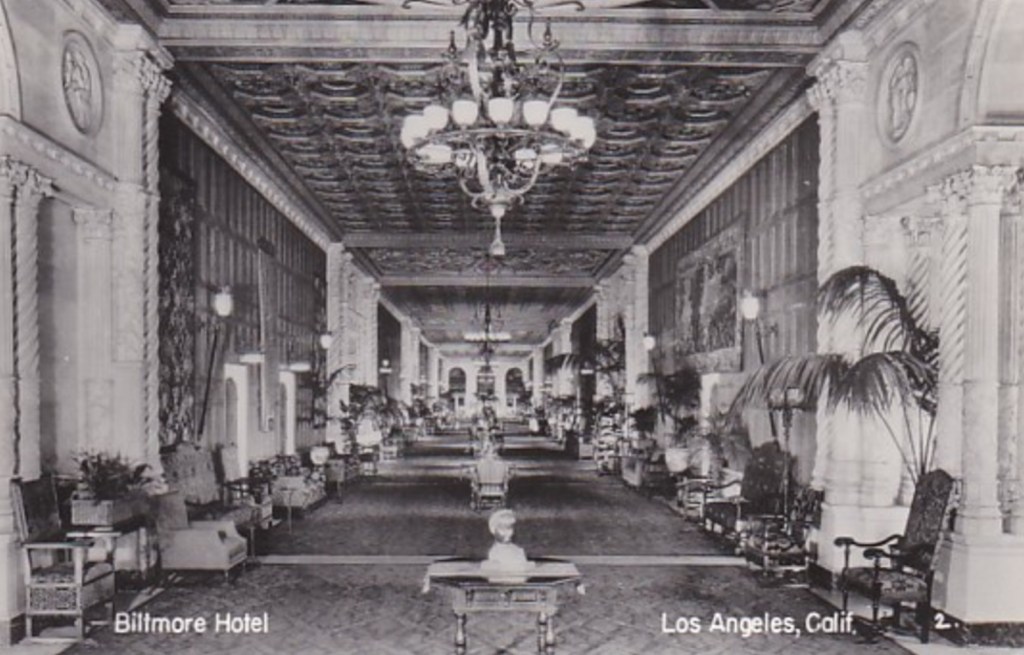
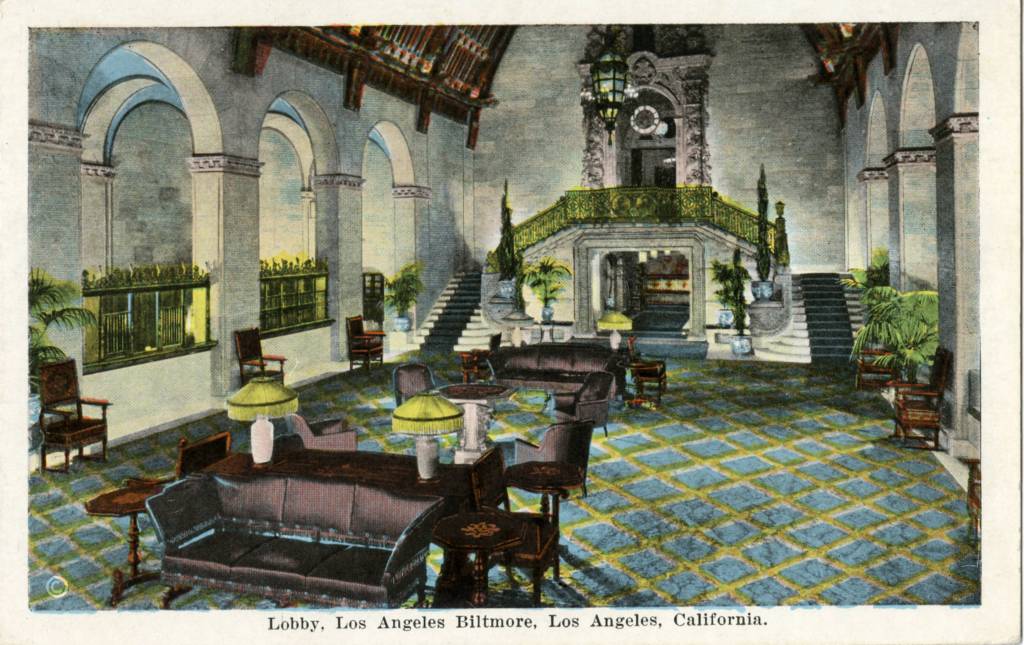
Jan. 9 — Beth left the French home for the last time, traveling with Red to Los Angeles. He drops her off at the Biltmore and that was the last time he saw her.
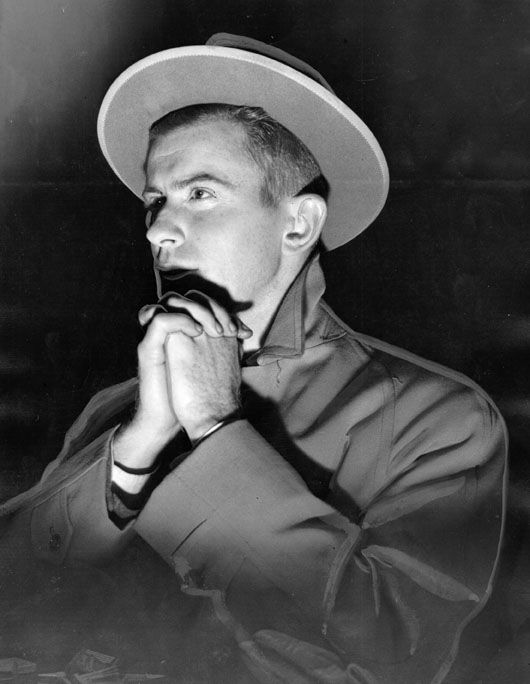





The Broken Doll:
January 15, 1947. The morning light spilled over Norton Avenue, turning the dew silver. A mother walking with her daughter was the first to see her, a figure in the grass, white and still. At first the woman thought it was a mannequin, discarded and forgotten. She then realized what it was, she grabbed her young daughter and ran to call police. By the time the first officers arrived, the empty lot had become a crime scene and Los Angeles would never be the same.
A little after 11:00 a.m., Betty Bersinger left her home at 3705 South Norton Avenue and walked with her young daughter down the sidewalk, As they neared the vacant lot, what is now 3831 S. Norton today, Betty noticed something lying in the grass. At first glance, it looked like a mannequin, pale, posed, and cut in two. She stepped closer, then realized it wasn’t a mannequin at all. It was the body of a girl.
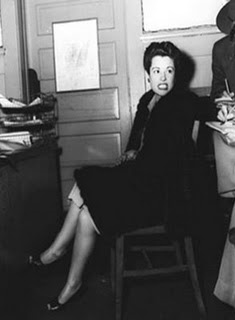
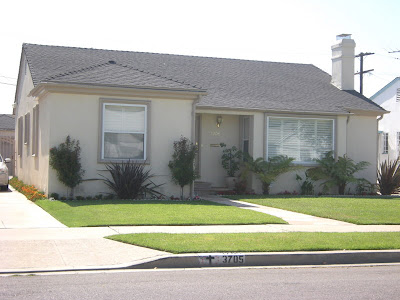
Betty ran to a neighbor’s house, a doctor’s residence, that of Walter Bayley, and called police. At 11:18 a.m., officers S. J. Lambert and J. W. Haskins arrived at the scene after receiving the call. Twelve minutes later, LAPD Homicide Detective, Sergeant Finis A. Brown and his partner, Detective Harry L. Hansen, from Central Division, were on hand and examined the body. What they saw unnerved even the veterans.
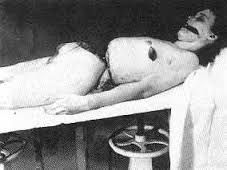
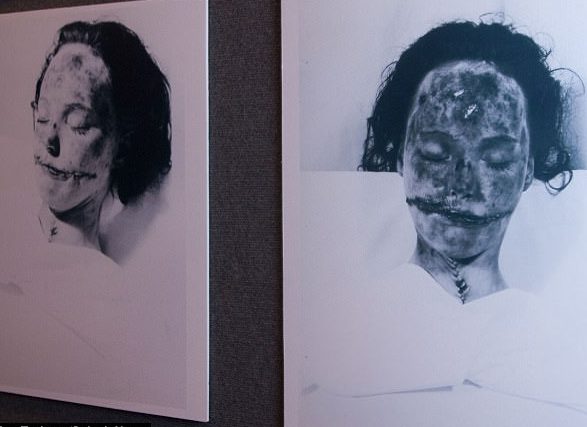
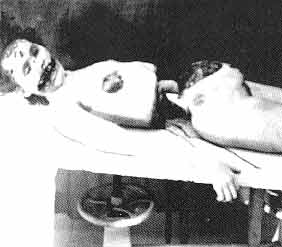
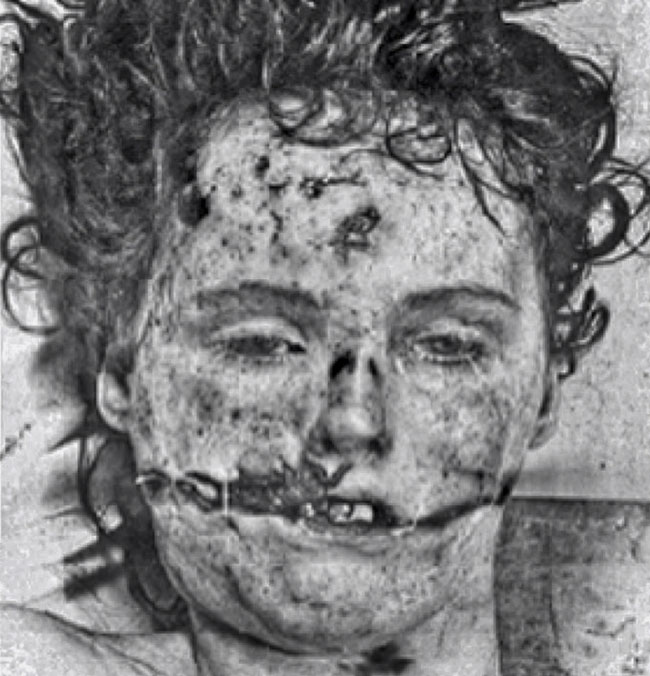
All right, kid, here’s where it gets rough. You’ve been thumbing through the easy parts of the file, letters, timelines, nice clean paper. But this next folder? It’s not paper, it’s pictures. And they ain’t pretty. I’ve been around the block a few times, but when I first saw ‘em, it stopped me cold. Now’s your chance to get up and walk out, no one’s gonna blame you if you do. You sure you still want to look? Because once you see what they did to that girl, you don’t get to unsee it.
The body was severed at the waist, completely drained of blood, her face bore slashes starting from the corners of her mouth to her ears. The lower half of her body was a foot away from her upper half, her intestines were under her buttocks, her arms were above her head bent at the elbow, her legs were spread apart and she was nude. There were signs of strangulation marks on her neck.
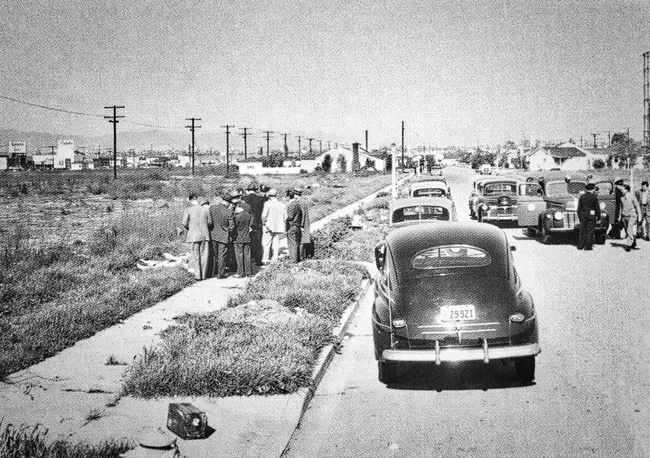
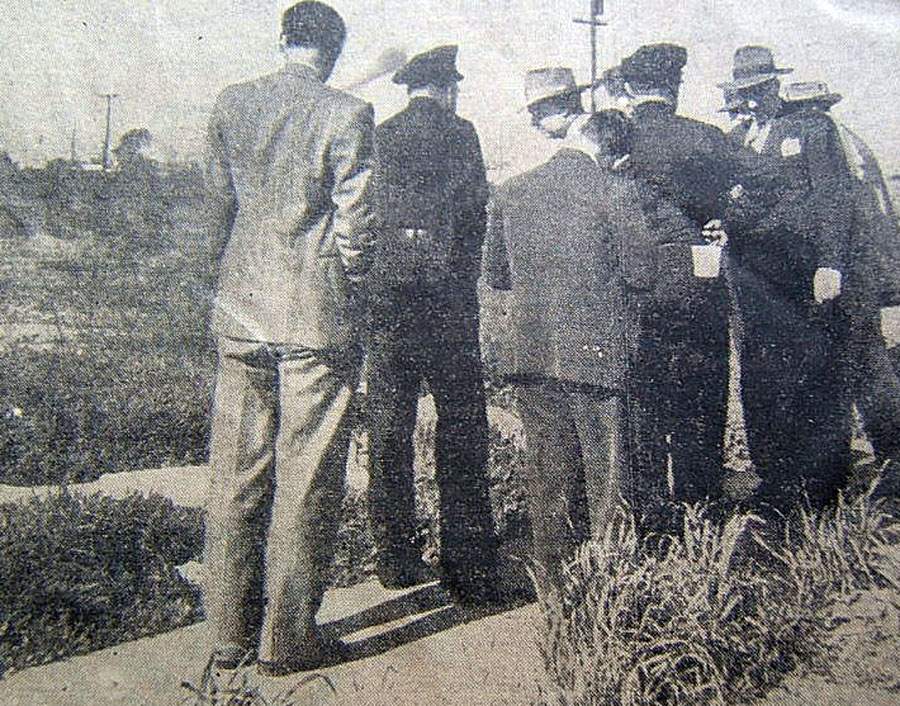
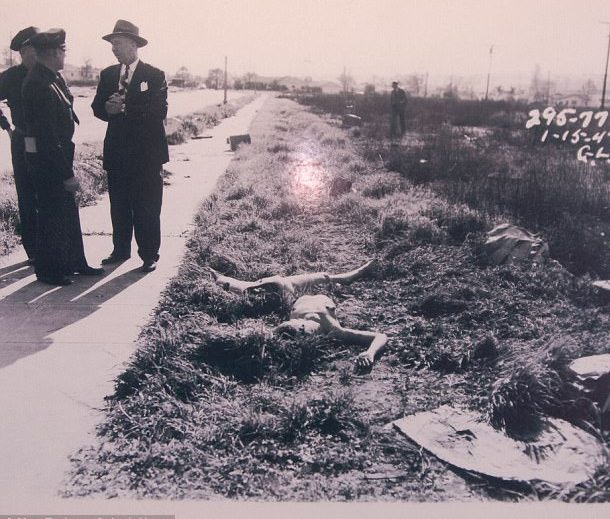
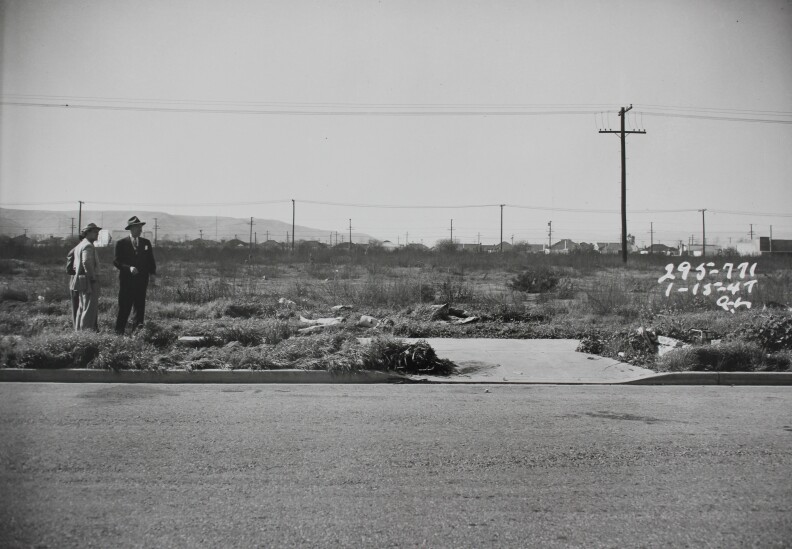
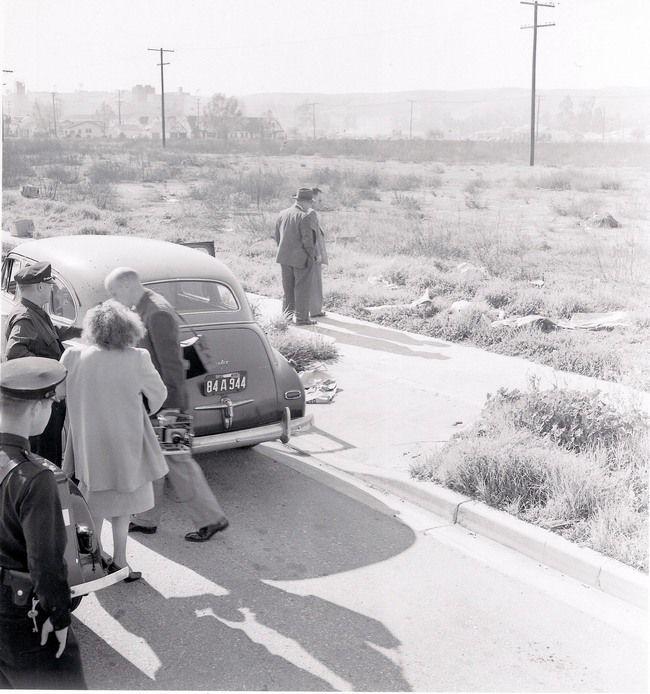
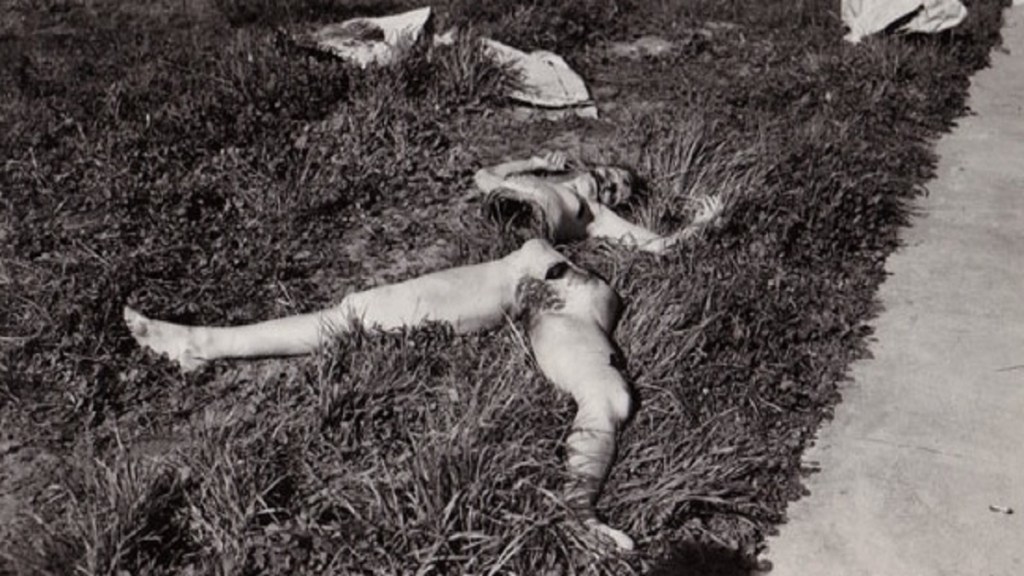
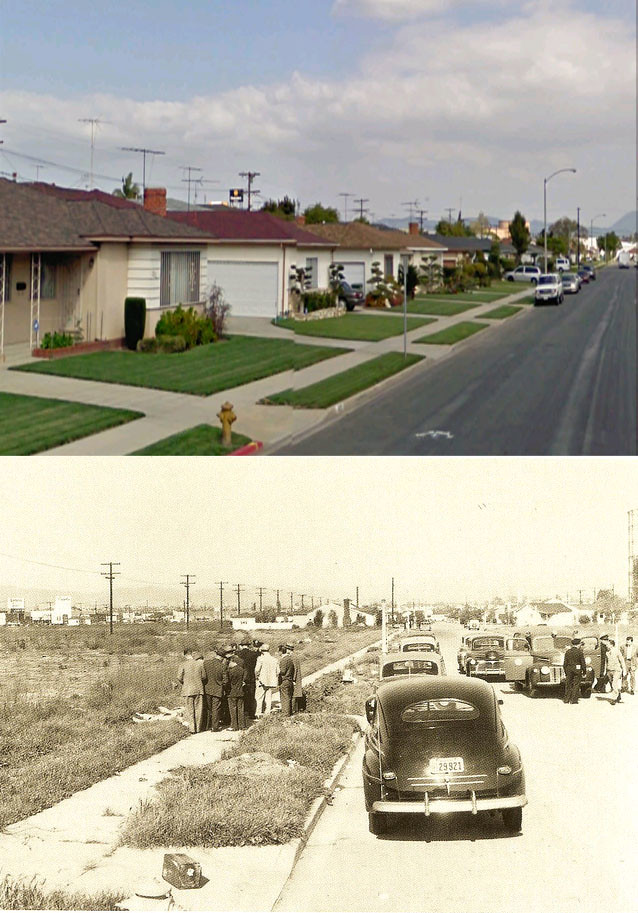
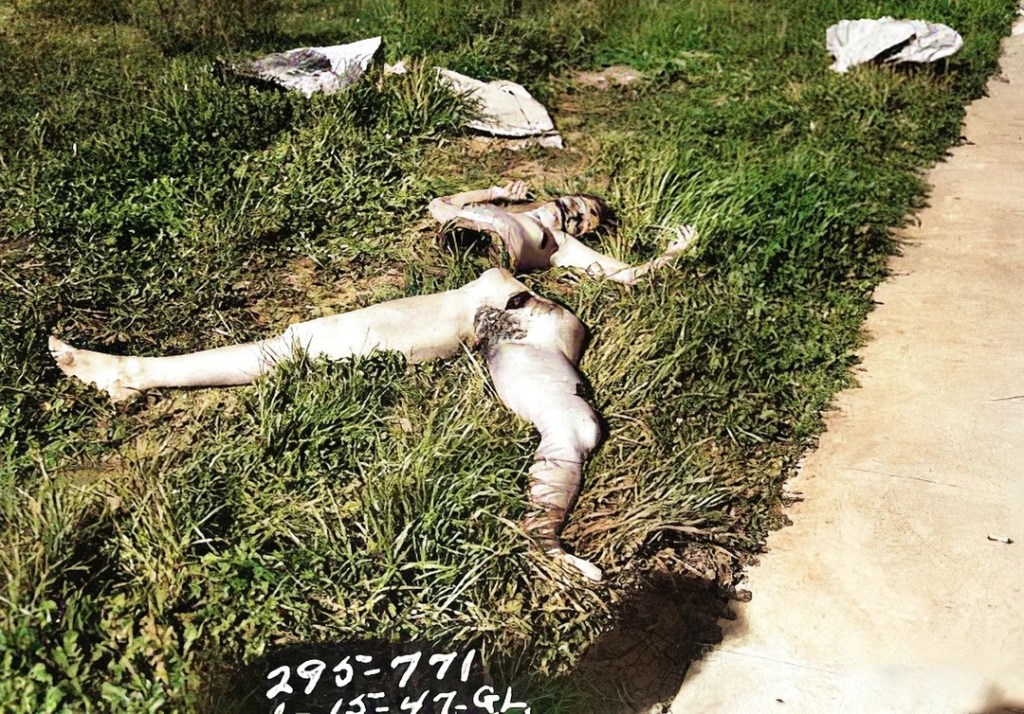
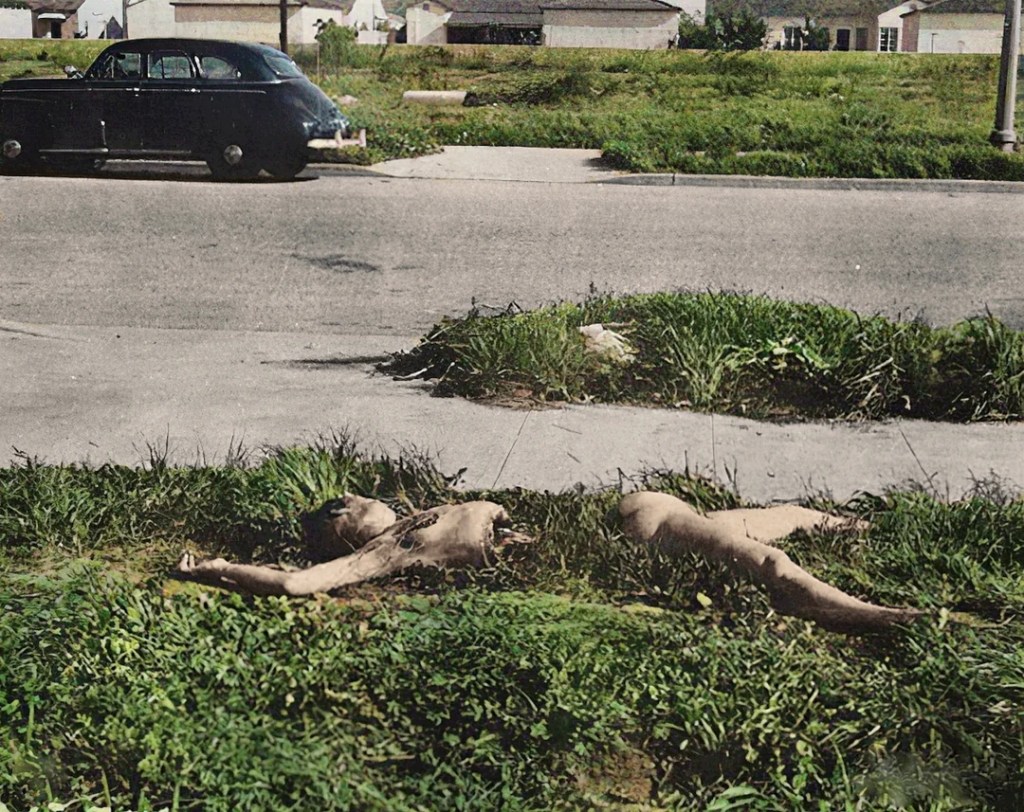
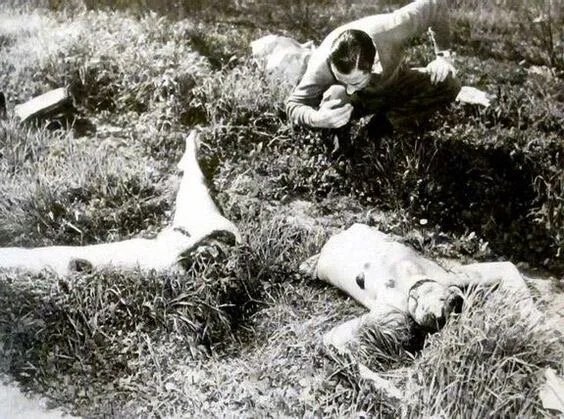
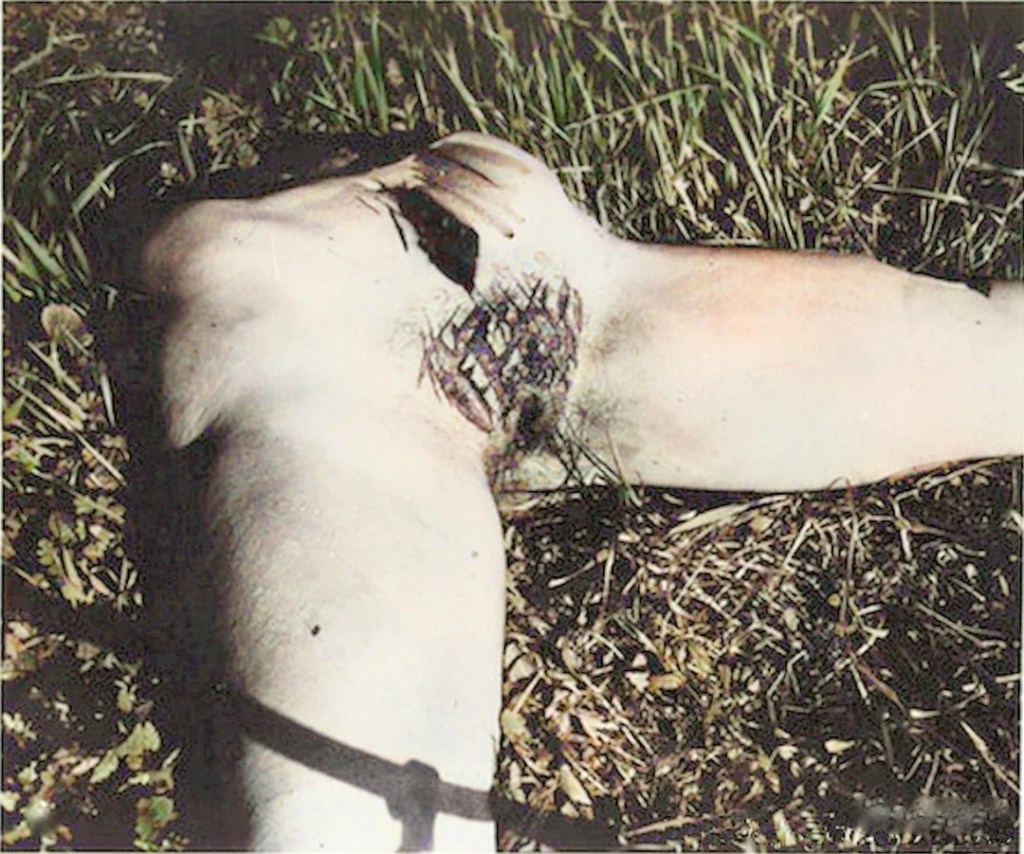
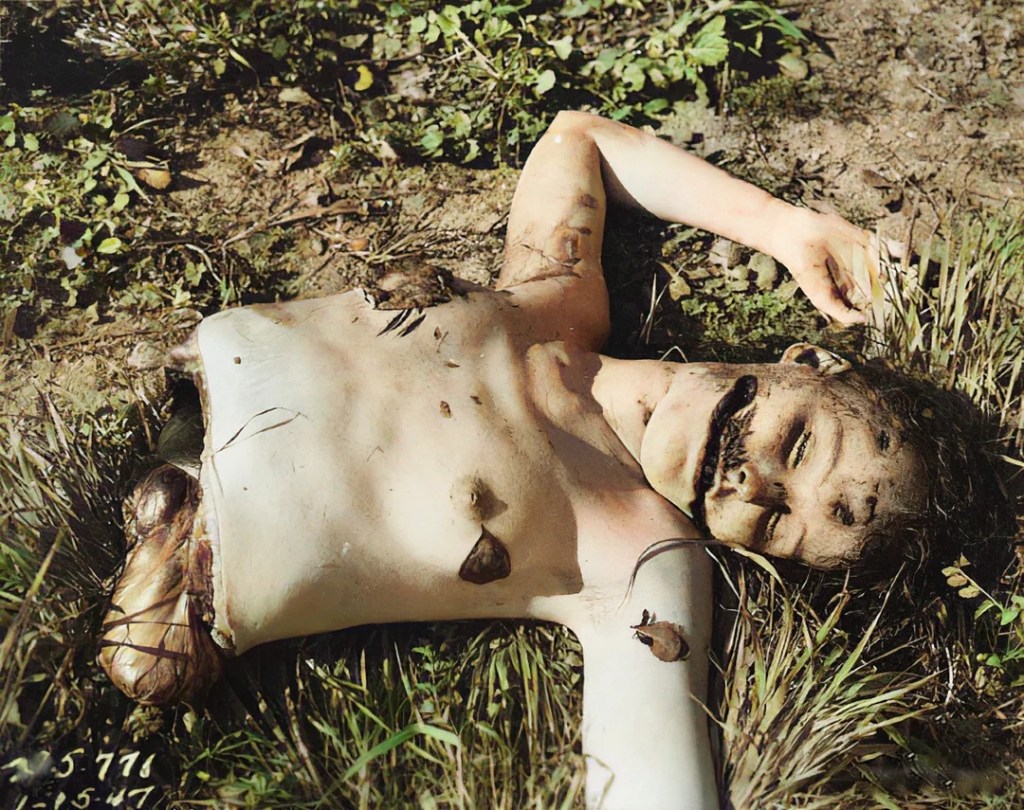
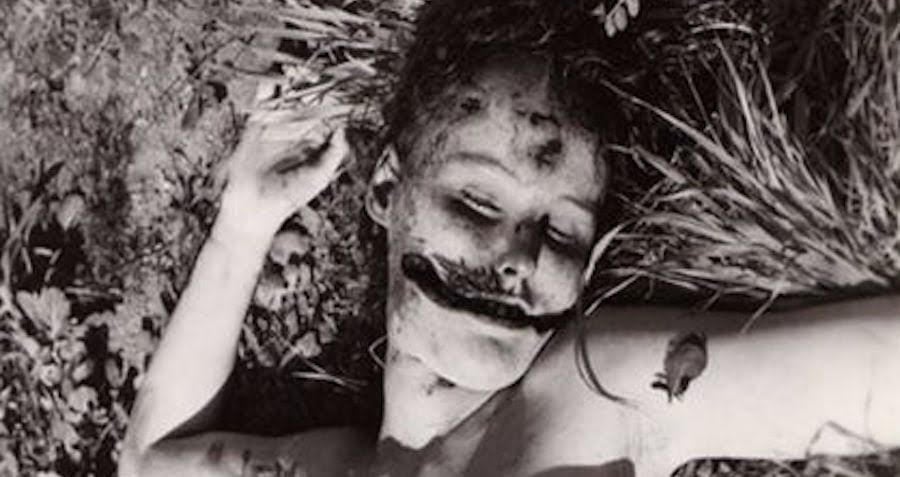
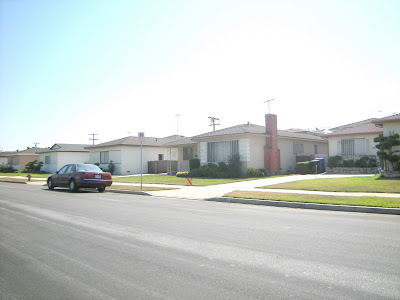
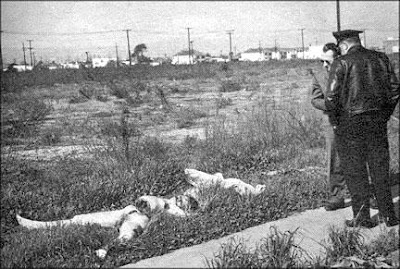
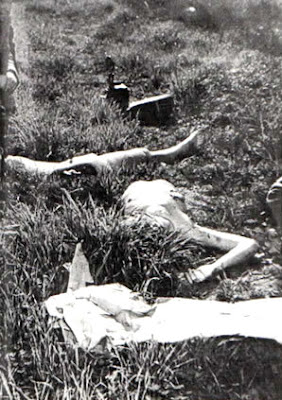
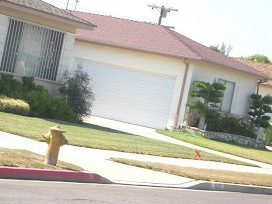
All right., kid you made it. Not everyone does. Take a breath, pour yourself a stiff one if you need it, hell take a walk around the block if you have to, I think you earned it, because the case doesn’t stop here The press is circling like vultures, and the city’s about to lose its mind. We’ve still got witnesses to hear, evidence to weigh, and a killer out there somewhere in the dark. Let’s keep going.
Aggie Underwood, the hard-bitten reporter from the Herald-Express, was one of the first on scene. She grabbed her camera and started snapping, most of the photos you just saw came from her lens. The flashbulbs popped as detectives crouched in the dirt, combing for clues.
They found a heel print pressed into the ground, tire tracks cutting through the lot, and a cement sack stained with blood and water. Maybe the body had been carried in the sack. Maybe it was laid there while the killer went back for the other half. Either way, it was the first real evidence and it painted a picture of someone who had taken their time.
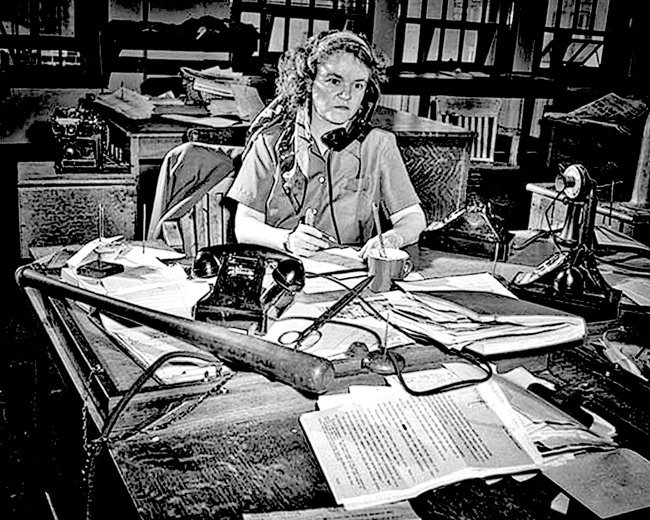
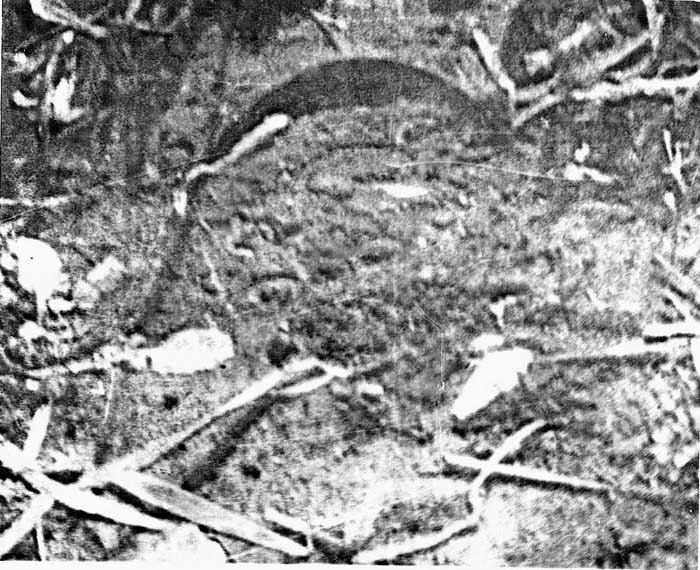
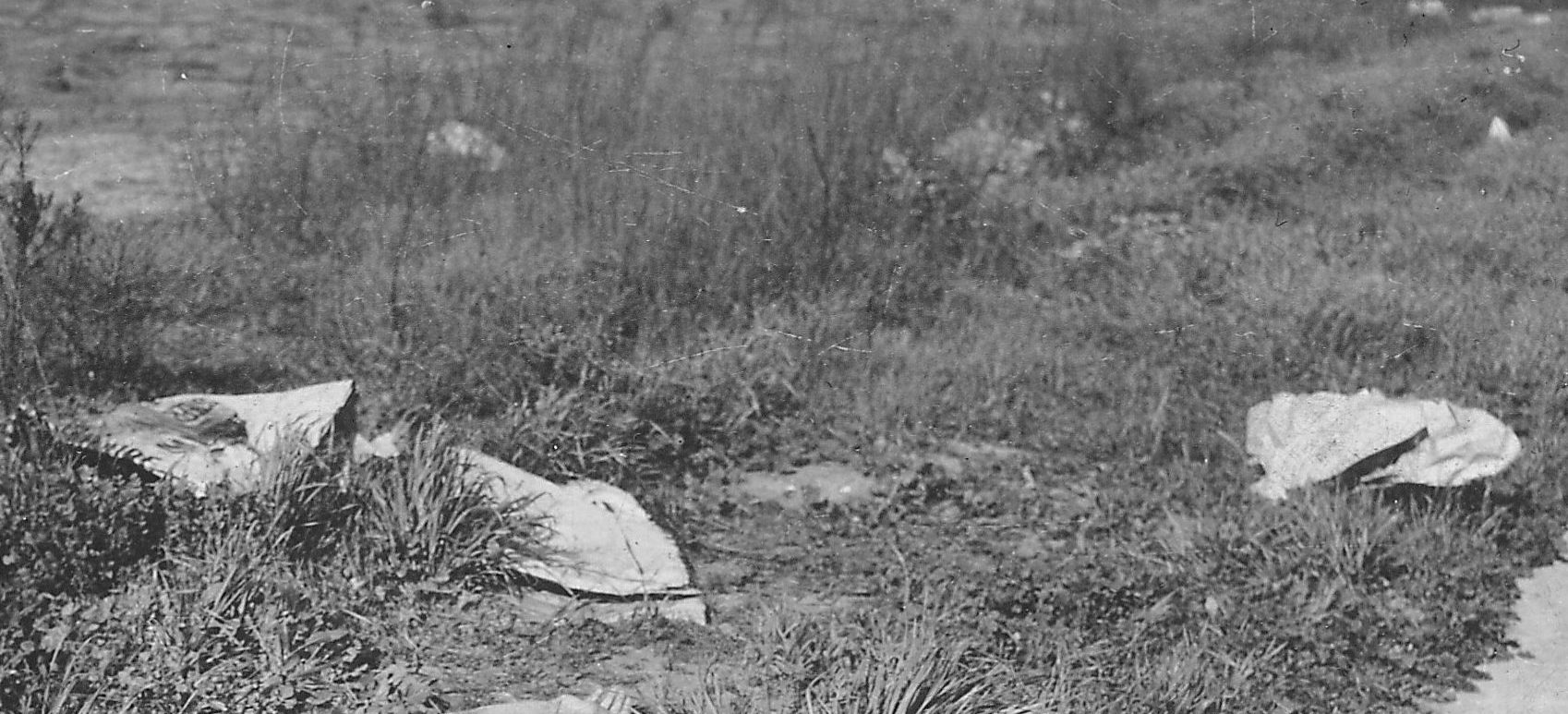
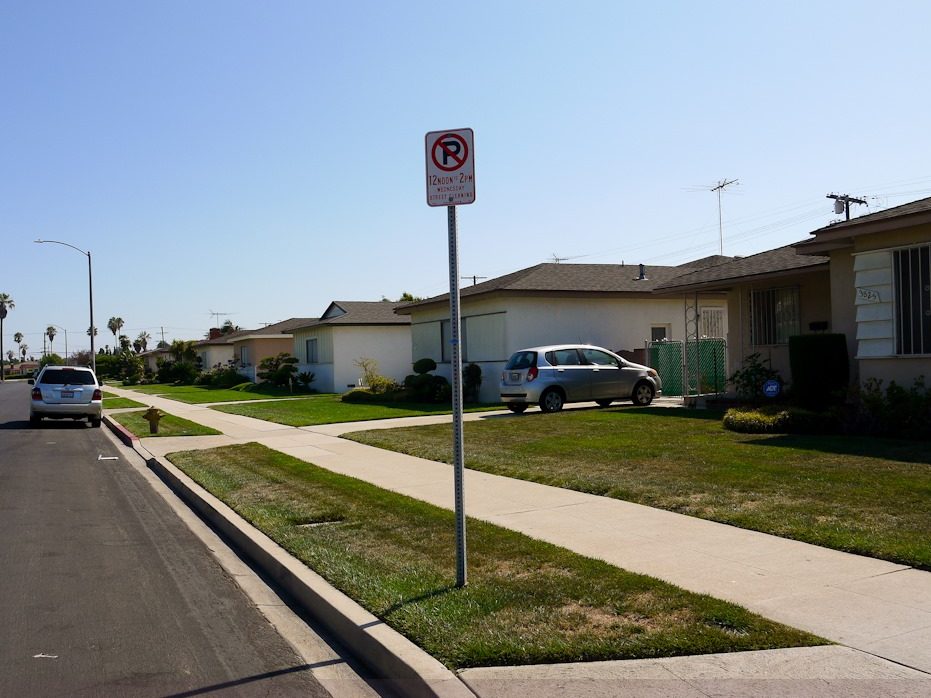
A report from the Bureau of Investigation describes the scene :
The body had been cleanly severed at the midline and the lower half was laying about one foot to south of the upper half, both parts laying absolutely flat with the protruding entrails of the lower one half laying under the buttocks. There was a marked post mortem lividity on the top side of both parts indicating that the victim had lain on her front side or face for some period of time immediately following her death. The body had been washed, there were bristles of a stiff brush adhering to the body, there were several lacerations on the forehead which appeared to have been inflicted by a blunt instrument, lacerated left breast and lacerated right breast, the top of which appeared to have been removed. The area covered by the pubic hair was slashed in criss-cross fashion and the scarcity of hair gave rise to the opinion that the hair had been cut off rather close to the skin. There was a tic-tac-toe slashing on the right hip, the mouth was badly slashed approximately three inches from the corners and the upper lip was deeply lacerated the right hand side. There were possible strangulation marks on the neck and definite rope or tie marks on both lower legs and arms. From the lack of blood stains around or under the body it is a definite conclusion that she was killed elsewhere.
Photographs were taken of the body and measurements as well as photographs of the tire track at the curb line at a point opposite of where the body was found. Upon removing the body by coroner’s deputies it was found that the grass underneath the body was still wet with dew indicating the body had been placed there after the dew fell in the early morning hours at approximately 2:00 a.m., January 15, 1947.
Dr. Frederick Newbarr performed her autopsy on January 16, 1947.
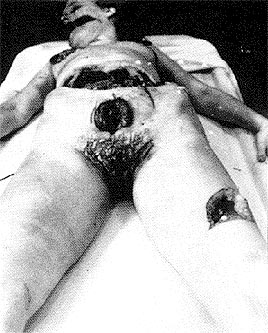
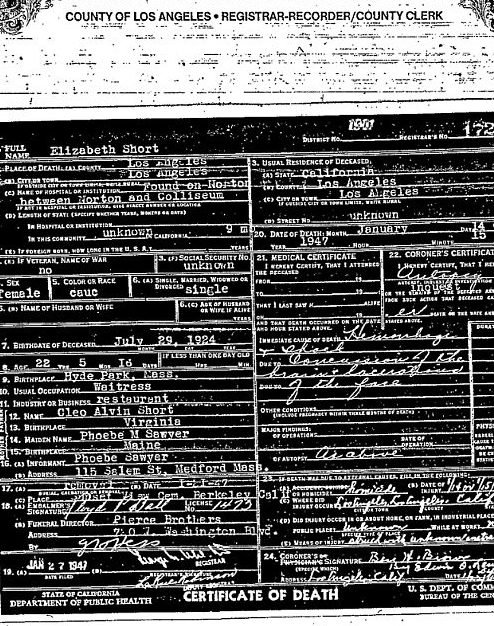
EXAMINATION:
The body is that of a female about 15 to 20 years of age. Measuring 5’5” in height and weighing 115 lbs. The hair is brown with henna dye. The irides are light blue. There are multiple lacerations to the mid-forehead, in the right forehead, and at the top of the head in the mid-line. There are multiple tiny abrasions, linear in shape, and on the right face and forehead. There are two small lacerations 1/4 inches each in length., on each side of the nose near the bridge. There is a deep laceration on the face 3 inches long which extends laterally from the right corner of the mouth. The surrounding tissues are ecchymotic and bluish purple in color. There is a deep laceration 2 1/2 inches long extending laterally from the left corner of the mouth. The surrounding tissues are bluish purple in color. There are 5 linear lacerations in the right upper lip which extend into the soft tissues for a distance of 1/8 inch. The teeth are in a state of advanced decay. The two upper central incisors are loose, and one lower incisor is loose. The rest of the teeth show cavities.
Upon reflecting the scalp there is ecchymosis in the right and upper frontal area. There are localized areas of subarachnoid hemorrhage on the right side and small hemorrhagic areas in the corpus callosum. No fracture of the skull is visible.
There is a depressed ridge on both sides and in the anterior portion of the neck, which is light brown in color. There is an abrasion, irregular in outline, in the skin of the neck in the anterior midline. There are two linear abrasions in the left anterior neck. There are two depressed ridges in the posterior neck, pale brown in color. The lower ridge has an abrasion in the skin at each extremity. The pharynx and larynx are intact. There is no evidence of trauma to the hyoid bone, thyroid or cricoid cartilages, or tracheal rings. There is a small area of ecchymosis in the soft tissues of the right neck at the level of the upper tracheal rings. There is no obstruction in the laryngotracheal passage.
There is an irregular laceration with superficial tissue loss in the skin of the right breast. The tissue loss is more or less square in outline and measures 3 1/4 inches transversely and 2 1/2 inches longitudinally extending toward the midline from this irregular laceration are several superficial lacerations in the skin. There is an elliptical opening in the skin located 3/4 inch to the left of the left nipple. The opening measures 2 3/4 inches in transverse direction and 1/4 inches in a longitudinal direction in its mid portion. The margins of these wounds show no appreciable discolorations. There are multiple superficial scratches in the skin of the left chest on the anterior wall. There is a healed scar in the skin of the right lower posterior chest at the level of the ninth rib which measures 3 1//4 inches in length and it’s direction is diagonally to the right. Crossing this scar are 3 scars which appear to be healed suture scars. There are four small superficial lacerations in the skin of the lower chest on the left side close to the midline. There is no discoloration at the margins. There are superficial linear lacerations in the skin of the left upper arm on its external aspect. There is a double ridge around the left wrist close to the hand. The fingernails are very short, the thumbnail measuring 5/16 inches in length and the fingernails measuring 3/16 inches in length. There are superficial lacerations and scratches in the skin of the external surface of the right forearms. There is a double ridge depressed area around the right wrist. The fingernails are very short, the thumbnail measuring 3/16 in length and the others 1/8 inches in length. The palmar surfaces of both hands are somewhat roughened but no firm calluses are seen.
The organs of the chest are in normal position. The left lung is pink in color and well aerated. The right lung is somewhat adherent due to fairly firm pleural adhesions. The lung is pink in color and well aerated. There is a calcified thickening of the ninth rib on the right side in the mid scapular line. The heart shows no gross pathology.
The trunk is completely severed by an incision which is almost straight through the abdomen severing the intestines at the duodenum and through the soft tissue of the abdomen, passing through the intervertebral disc between the second and third lumbar vertebrae. There is very little ecchymosis along the track of the incision. There is a gaping laceration 4 1/4 inches long which extends longitudinally from the umbilicus to the supra pubic region. On both sides of this laceration there are multiple crisscross lacerations in the supra pubic area which extend through the skin and soft tissues. No ecchymosis is seen.
There is a square pattern of superficial lacerations in the skin of the right hip. The organs of the abdomen are entirely exposed.
There are lacerations of the intestine and both kidneys. The uterus is small and no pregnancy is apparent. The tubes, ovaries, and cul-de-sac are intact. The labia majora are intact. There is an abrasion which extends through the lower half of the labia minors and the margin shows some bluish discoloration. Within the vagina and higher up there is lying loose a piece of skin with fat and subcutaneous tissue attached. On this piece of loose skin there are several crisscrossing lacerations.
Smears for spermatozoa have been taken.
The anal opening is markedly dilated and the opening measures 1 1/4 inches in diameter. The mucous membrane is brown throughout the circumference of the opening.
There are multiple abrasions and a small amount of ecchymosis is seen at the margin. The laceration of the mucous membrane extends upward for a distance of 1/2 inch at a point of about 1 inch up from the anal opening there is a tuft of brown curly hair lying loose in the anal canal. The hair corresponds in appearance to the pubic hair. Smear for spermatozoa has been taken.
There is an irregular opening in the skin on the anterior surface of the left thigh with tissue loss. The opening measures 3 1/2 inches transversely at the base and 4 inches from the base longitudinally to the upper back. The laceration extends into the subcutaneous soft tissue and muscle. No ecchymosis is seen. There is a ridge in the skin of the lower right thigh, anterior surface located 5 inches above the knee. There is a diagonal ridge in the skin of the upper third of the right leg which is light brown in color, extending down from this point there are three light brown depressed ridges. There is a circular ridge around the lower left leg and also a diagonal depression ridge just below this area. The skin of the plantar surface of the feet is stained brown.
The stomach is filled with greenish brown granular matter mostly feces and other particles which could not be identified. All smears for spermatozoa were negative.
CAUSE OF DEATH: Hemorrhage and shock due to concussion of the brain and lacerations of the face.
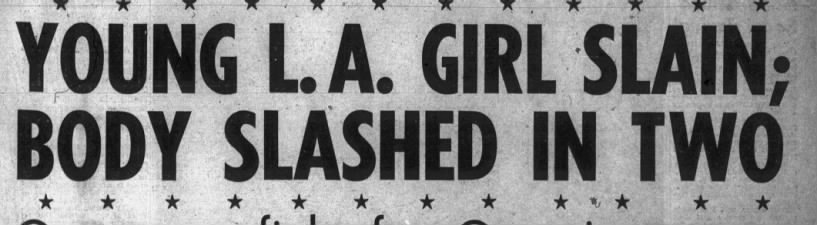
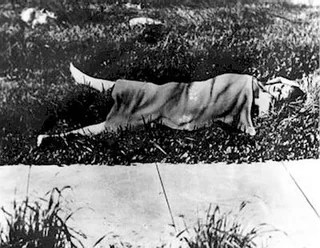
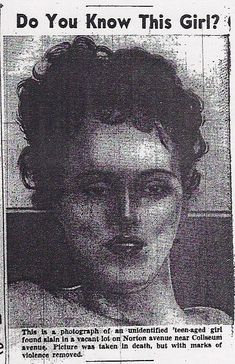
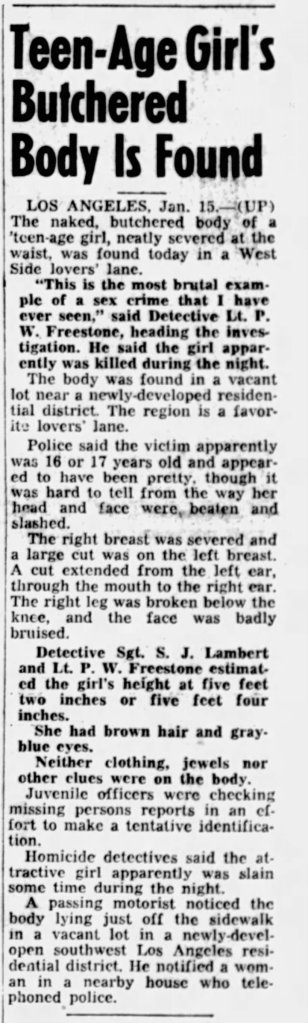
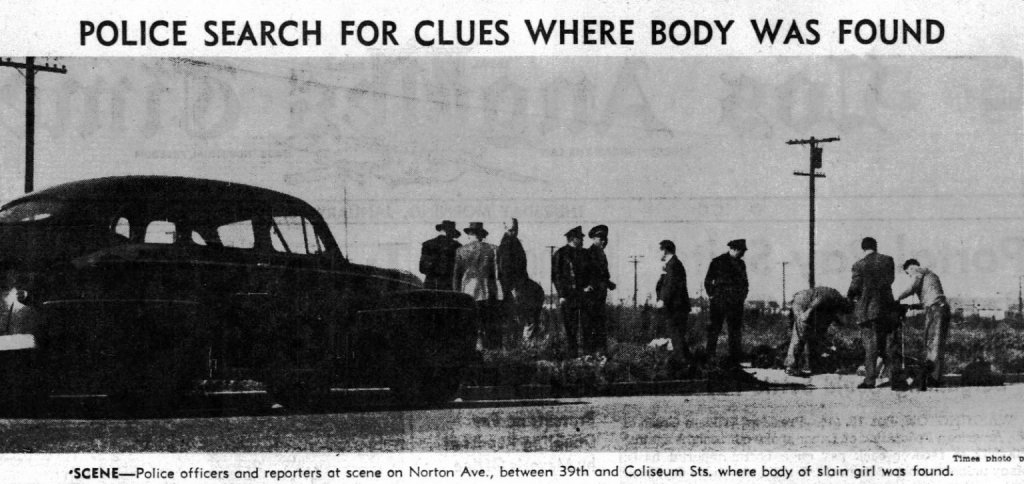
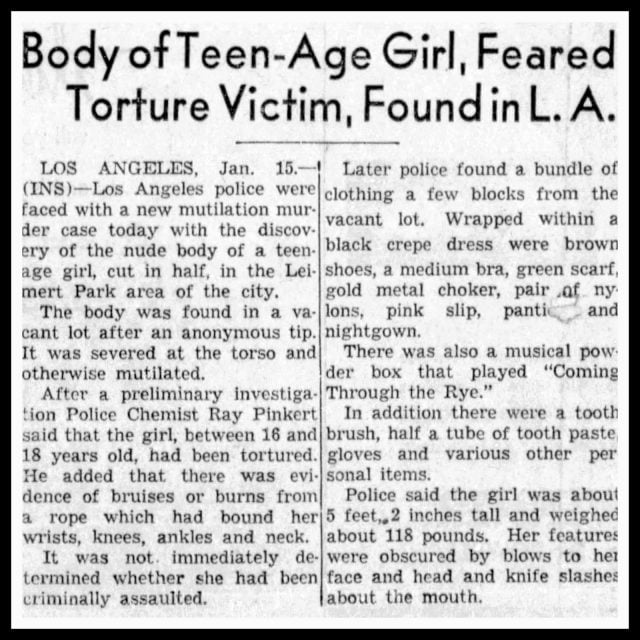
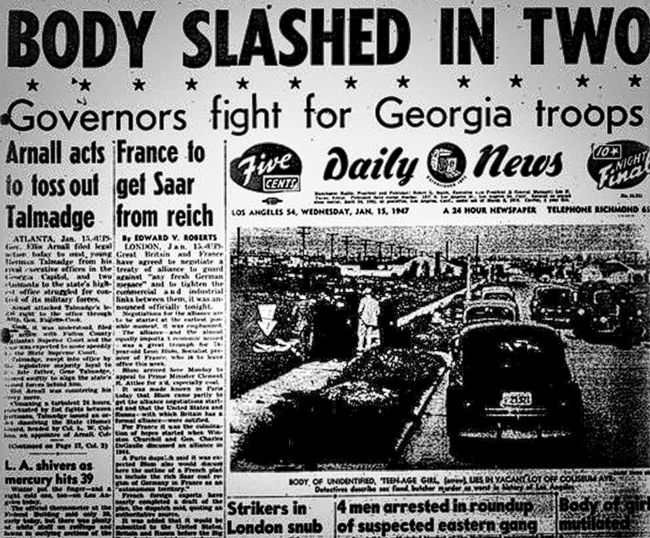
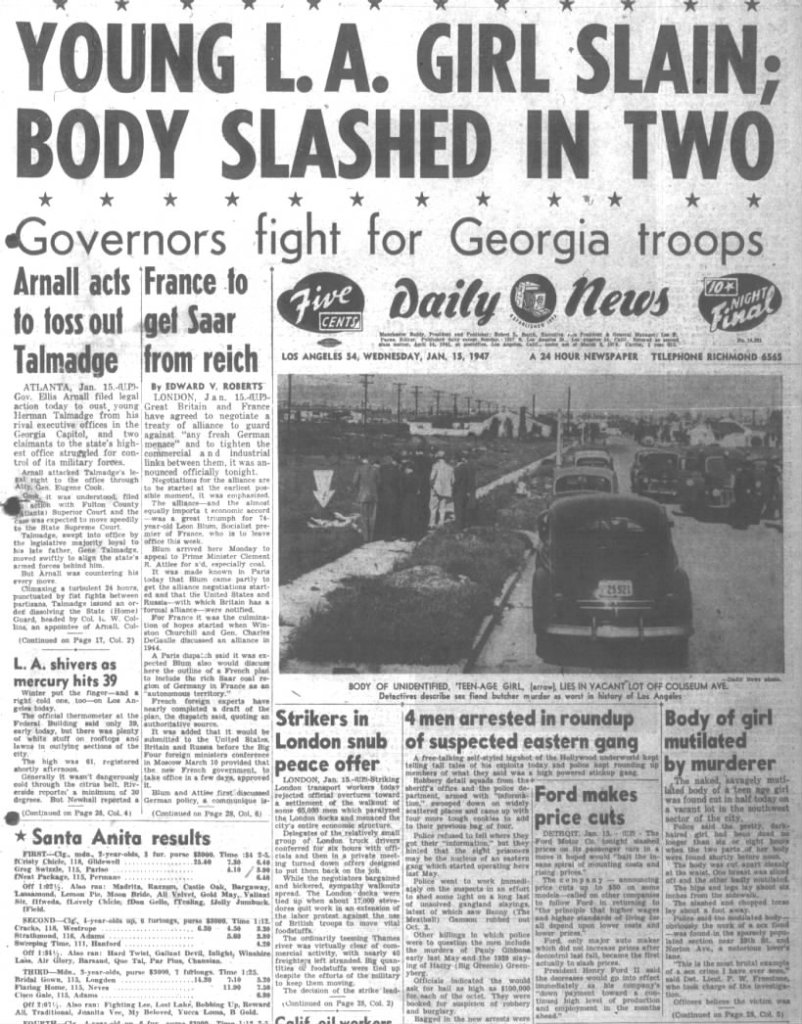
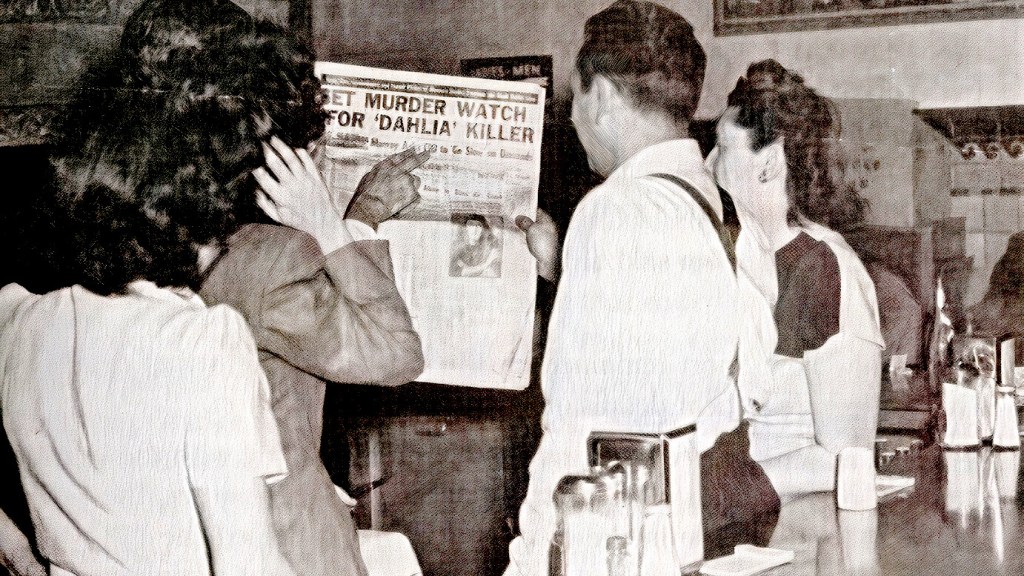
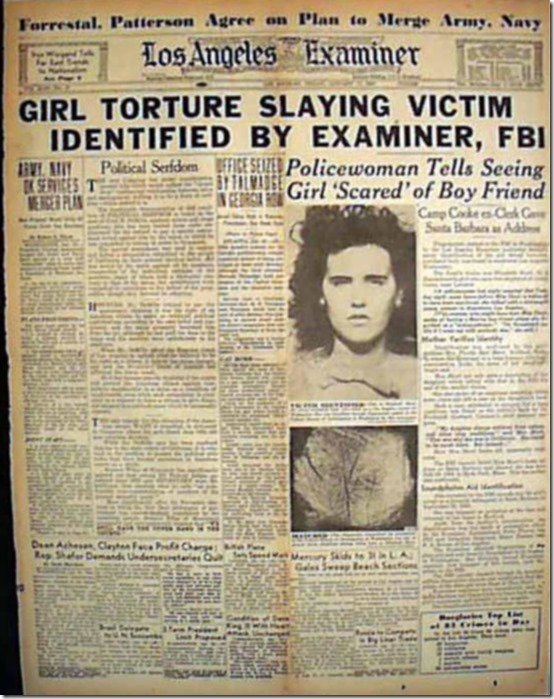
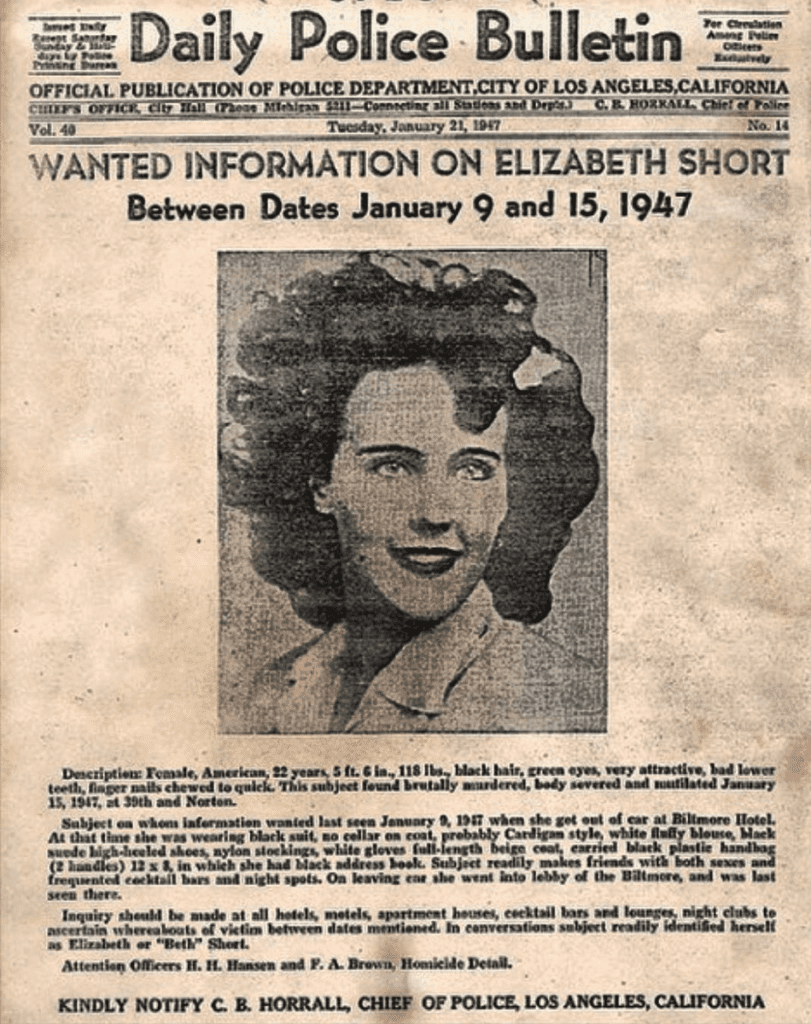
The victim’s fingerprints were telefaxed to the FBI, the latest technology in 1947, in the hope of putting a name to the girl in the lot. In the meantime, the papers splashed her photo across the front page. Los Angeles woke up to headlines about a beautiful young woman butchered and dumped in the grass. It didn’t take long for the answer to come back.
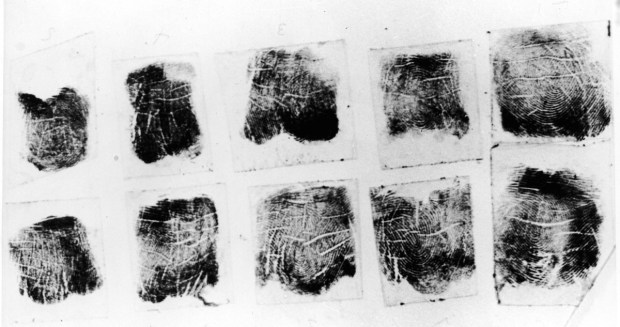
The FBI matched the prints to a set already in their files, taken when the girl was arrested for underage drinking years earlier in Santa Barbara. Her name was Elizabeth Short.
The Los Angeles Examiner wasted no time. Reporter Wain Sutton put through a call to Dorchester Avenue in Boston, while sportswriter Jim Murray and City Editor Jim Richardson sat nearby, watching. Sutton opened with a lie, told Phoebe Short that her daughter had won a beauty contest, loosening her tongue and her memories. Phoebe proudly shared stories of Elizabeth’s school days while Sutton took notes. Only after getting what he wanted did Sutton drop the hammer: her daughter had been murdered.
Murray later recalled the moment to a journalist:
“Wain called the mother and asked all these questions and took all these notes,” he said. “I sat there and listened to the poor, dear mother telling him about her school-day triumphs. I can still see him put his hand over the mouthpiece of the old-fashioned upright phone and say, ‘Now, what do I tell her?’ Richardson screwed up his one good eye and said, ‘Now tell her.’ ‘You son of a bitch. Murray said.
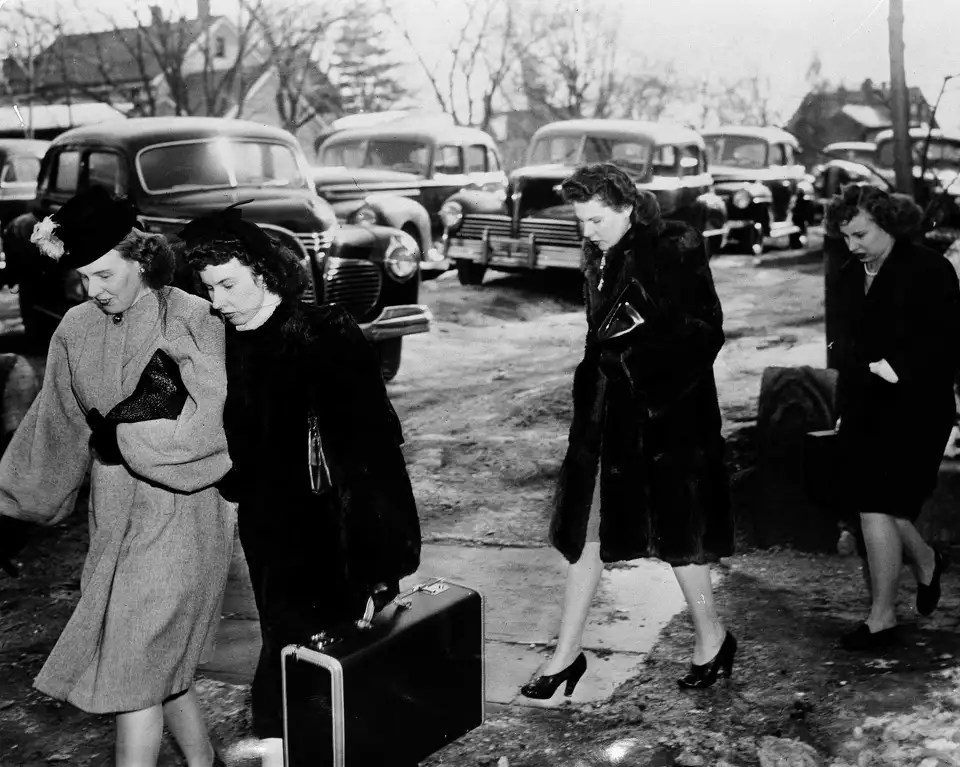
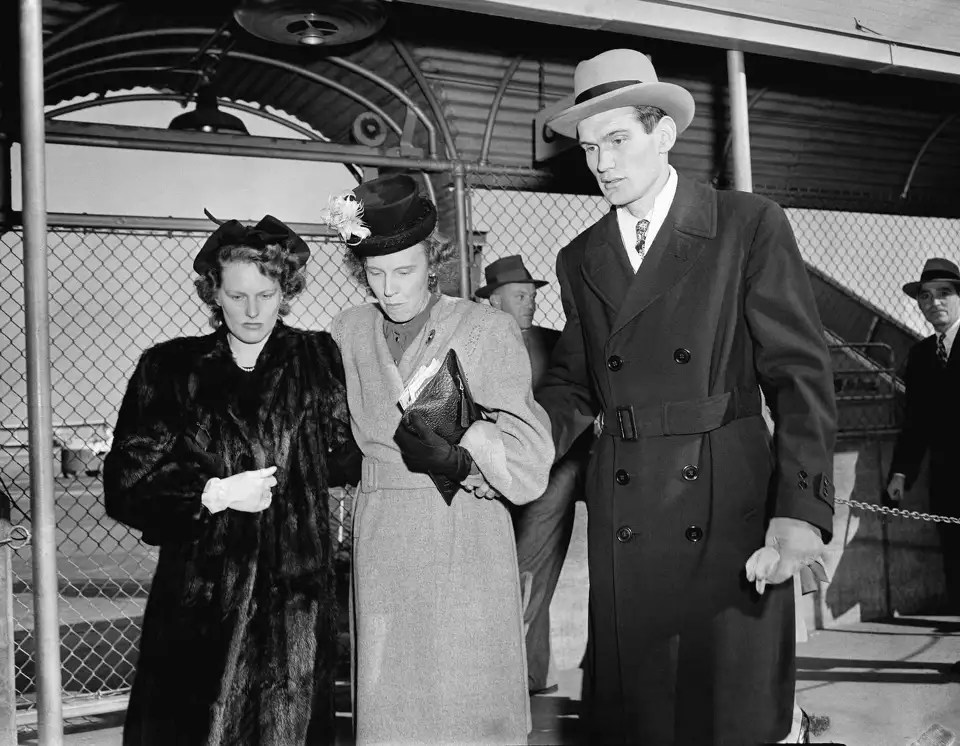
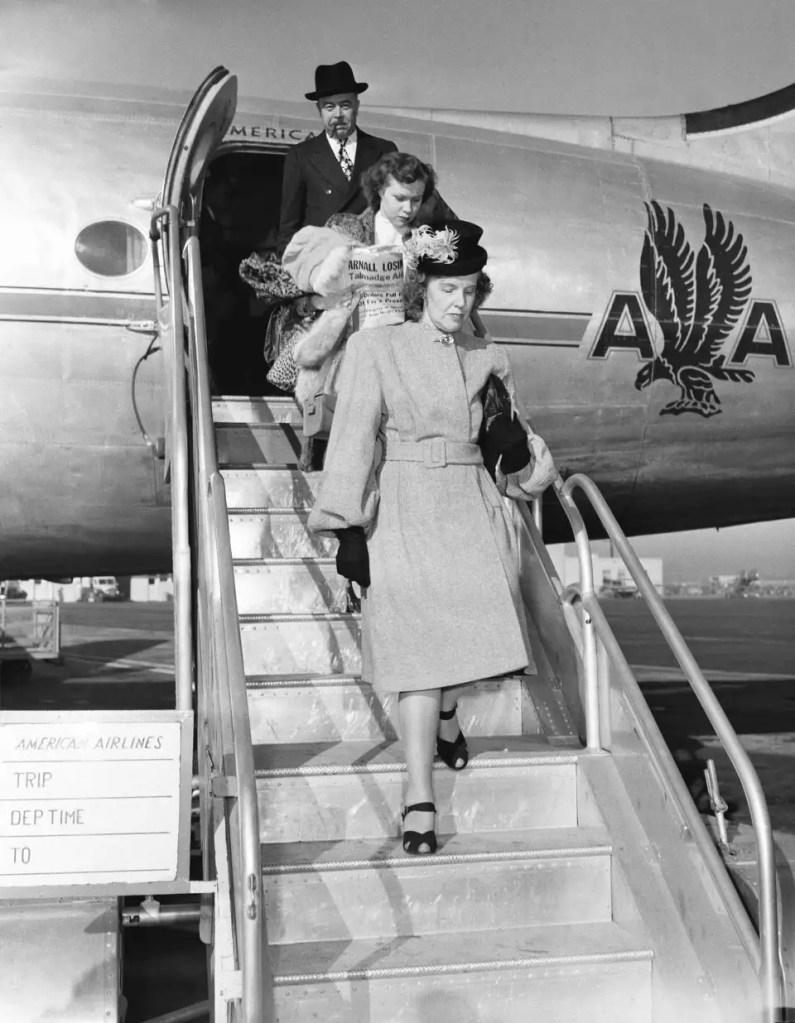
Phoebe refused to believe it until LAPD confirmed it through her local police department. The Examiner offered to pay her airfare to Los Angeles — another ploy to keep her close, away from other reporters, until they had wrung every headline out of her grief.
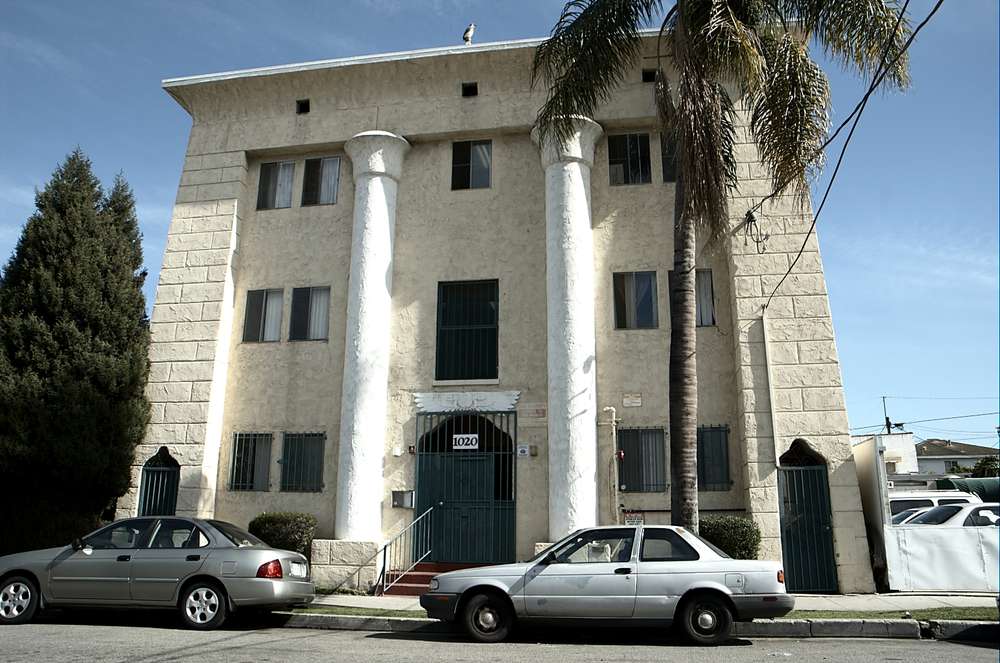
Detectives went looking for the father. They drove to 1020 South Kingsley Drive, just a few blocks from Norton Avenue, where Cleo Short was living. They needed him to make a positive identification of his daughter’s body. A detective later recalled:
“ We went up there the first time we ever saw him, we knocked and knocked and knocked on the door and finally aroused him, and we found him to be in a drunken stupor. Found wine bottles all over the place he was very uncooperative, especially in view of the fact that after all his daughter had been murdered. The next day we went to see him, he told us that he kicked out his daughter because she was so dirty and she wouldn’t keep the house clean, she wouldn’t cook his meals. That she just wanted to go out all the time. He said he didn’t want anything to do with her or the rest of the family. He refused when we asked him to come identify her body, he said I want nothing to do with this. Her mother had to do what her father refused to do, identify her murdered daughter’s body. I don’t even think he attended the funeral .”
With Phoebe’s confirmation, the file was official: Elizabeth Short, 22 years old. Whatever her father refused to face, the police didn’t have that luxury. A girl had been butchered in their city, and somebody had to pay for it. The hunt was on and just as the cops were tightening the net, the killer decided to make his next move.
The Hunt For A Killer:
With a name to put on the file, the police and the press turned their attention to finding the man who had killed Elizabeth Short. After Elizabeth was identified, the phones started ringing. Leads poured in from people who recognized the girl in the headlines, neighbors, acquaintances, landlords, old roommates. Each tip gave detectives another thread to pull. One of those threads led them south to San Diego, where they found Dorothy French. Dorothy told police about the quiet girl who had stayed in her home for a month and about the redheaded man they had seen Beth leave with. She didn’t know his name, but she said he had been around almost every day near the end of December, taking Beth on dates and driving her around town.
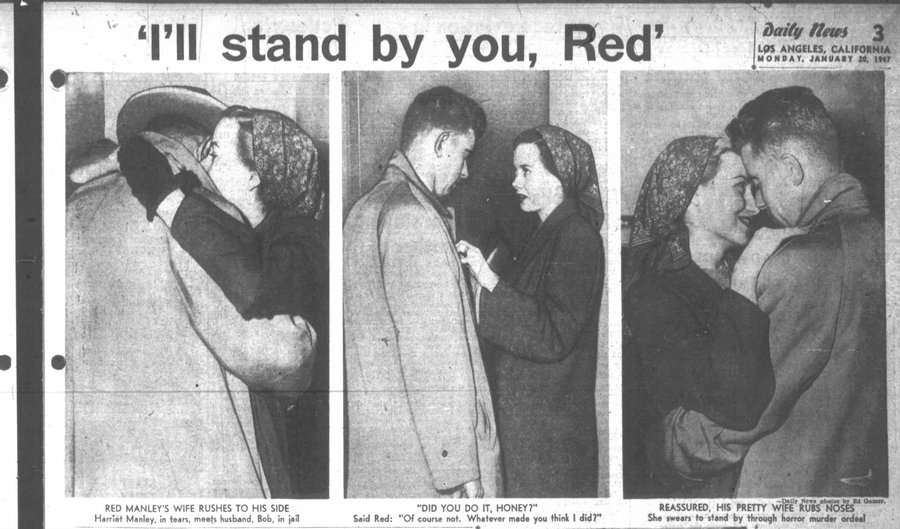
The tip from Dorothy French gave the cops their first solid lead, a redheaded man, a salesman, and the car that had been parked outside the French house almost every day in late December. Neighbors backed her up, even gave a partial plate number. That was enough for LAPD to start checking business records for a traveling salesmen who fit the bill. One name popped up: Robert “Red” Manley, a 25-year-old cosmetics salesman who’d recently filed a hotel expense slip in San Diego. When police tracked him down through his employer, Red didn’t run he came in willingly. Dorothy confirmed the ID when they showed her his photo. The cops now had the last man known to have seen Beth alive.
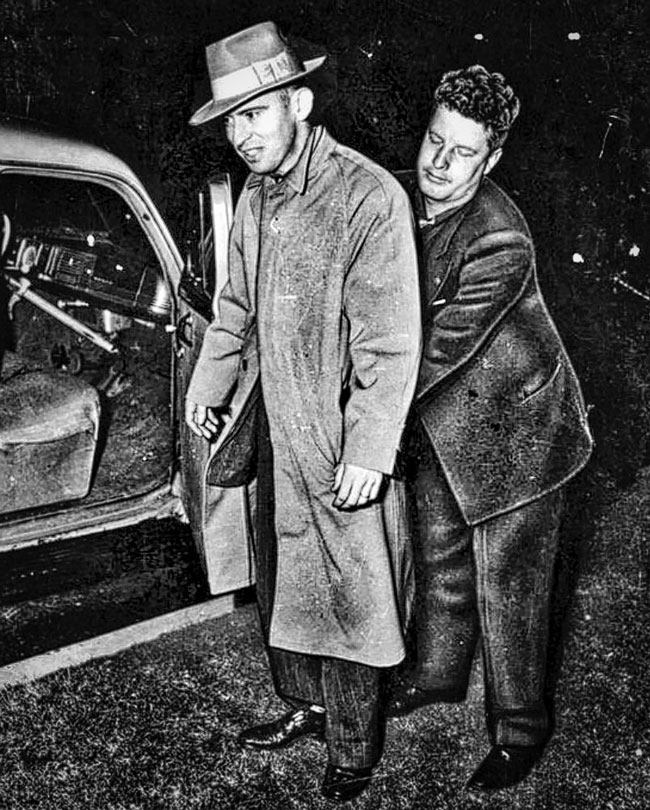
“I was only trying to test my love for my wife,” he said as he sought to explain his brief escapade with Beth Short.
Red said he first saw Beth standing on a street corner in San Diego while on a business trip. “She looked cute, so I thought, well, I’ll make a little test and see if I’m still in love with my wife, or whether I could ever fall for anyone else.”
According to Red, he and Harriette, married only 14 months, had a “few misunderstandings, but nothing important.”

He swore up and down that Beth was the only woman he picked up since his marriage. When he approached her that day, Beth was coy. “She turned to me and said, ‘Don’t you think it’s wrong to approach a girl this way?’” Wrong or not, she got into his car within a minute or two. Before he dropped her off in San Diego where she was staying at the home of Elvera and Dorothy French. they sat in his car and talked. He asked her if she would go out to dinner with him. “That would be nice,” she said.
Red drove back up the highway and rented a motel room. He picked Beth up that evening and they went to a nightclub and danced until midnight. Afterwards, they stopped somewhere for a snack. They talked for a few minutes in front of the French home. Red kissed her goodnight.
He didn’t see her again until January 7, on his next trip to San Diego He wired ahead to let her know he would be in town. They went out again. Then stayed in a motel together while on their way to Los Angeles. She said she wasn’t feeling well.
“I asked her if I could get her anything and she said ‘yes,’ her suitcase out of my car, her make-up and other stuff.
“I got it and then asked if I could get anything at the drug store and she said no. She sure didn’t act sick when we were dancing.
“Pretty soon I looked at my watch and it was late. With her back to me, I took off my trousers, my coat, my shirt and climbed into bed-and went to sleep
“When I woke up the next morning, she was propped up on the other side of the bed, awake. She said she’d had chills all night long.
“I hopped out and dressed and told her I had to make some calls in San Diego that morning.
“I did. Then about 12 noon was checkout time at the motel. I went back and picked her up. I had a call to make on the way back to Los Angeles and she waited in the car for me. It took quite some time and when I got back to the car, she was hungry again.
“We stopped at a small restaurant and had another sandwich.
“Then we drove to Laguna Beach. There we stopped and got gas. En route she asked whether she could write to me. She said she was going to meet her sister from Berkeley, Mrs. Adrian West.
“I asked where she was going to meet her, and without waiting for her to answer I said ‘The Biltmore?’ and she answered ‘yes.’
“She wrote my name and business address in her notebook, so she could write to me.
“When we got in to Los Angeles, she wanted me to take her to the Greyhound Bus Station so she could check her bags before she met her sister. I drove her to the Greyhound bus Station and carried her bags in. I had to go out to move my car, but told her I would drive around and pick her up and take her to the Biltmore. I didn’t want to leave her in that neighborhood.
“When we got to the Biltmore, she said she had to go to the restroom and asked me if I would check at the desk on whether her sister had arrived.
“I checked information and they had no Mrs. West registered. She had told me her sister was short and blonde. So I went up to a couple of short blonde women in the lobby and asked whether they were Mrs. West, but they weren’t.
“It was getting late and I told her I had to leave. I had to get home. I was worried about my wife. She said she had to wait there and I left her there.
“That is the last time I ever saw Betty Short. I’ll take the truth serum or anything they want to give me. And, I’ll swear on a stack of Bibles and tell my minister, too, that was the last time I ever saw Betty Short. I did not kill her.
“But brother! I’ll never cheat on my wife again!”
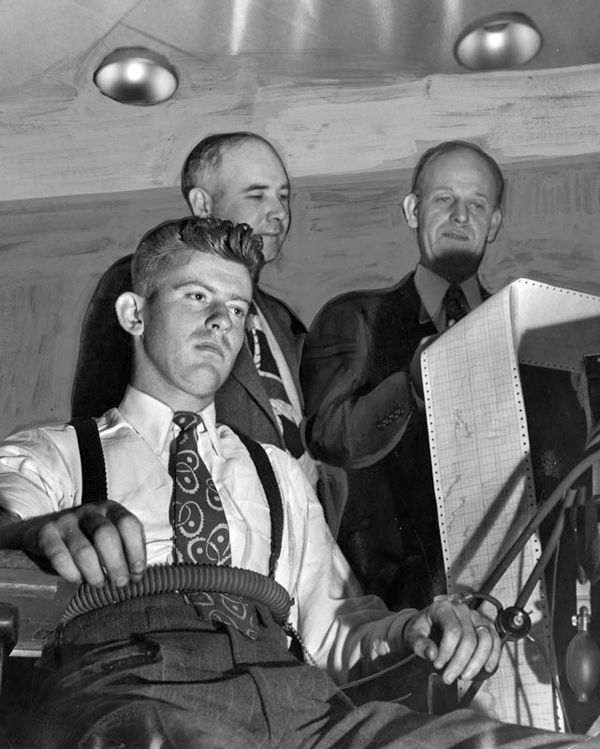
He was eventually released after passing two lie detector tests.
On January 21, 1947, a call came into the Examiner. The voice on the line claimed to be her killer. He even took a moment to congratulate City Editor Jim Richardson on the paper’s coverage of the case ,as if he were part of the audience, admiring his own work from the cheap seats.
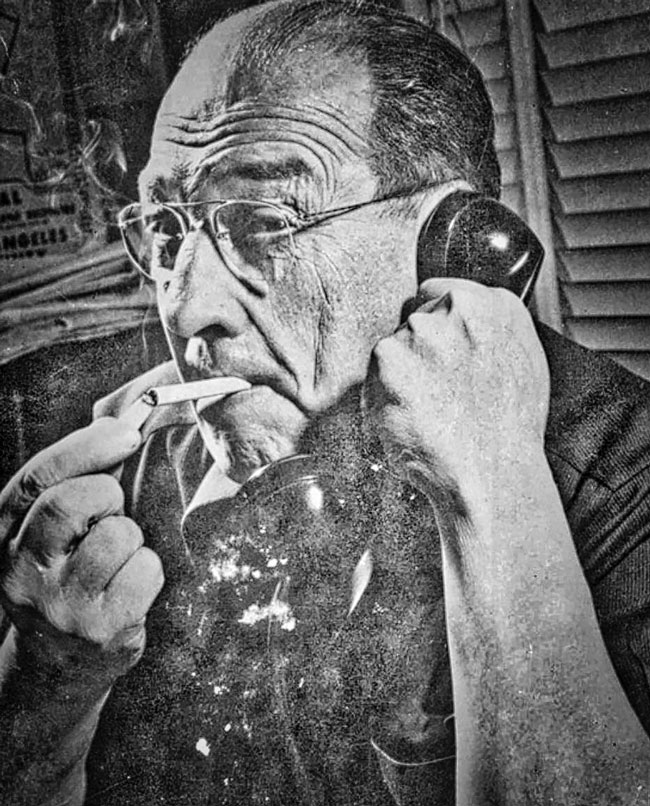
The caller said he planned to turn himself in, but only when police “pursued him first.” He promised that souvenirs of Elizabeth Short would arrive in the mail. It was the beginning of a taunting game that would keep the city, and the case, in the headlines for weeks to come.
On January 22nd a coroner’s inquest was held. Phoebe Short, as well as Virginia, Beth’s sister, Adrian, Virginia’s husband, Red Manley, Ann Toth, Dorothy and Elvera French and others were called to testify and give statements.
TRANSCRIPT OF INQUEST HELD ON THE BODY OF ELIZABETH SHORT
AT THE HALL OF JUSTICE. LOS ANGELES, CALIFORNIA
JANUARY 22, 1947 At 10:30 A.M.
FREDERICK D. NEWBARR, being first duly sworn, testified as follows
Q: BY THE CORONER; Please state your name.
A: Frederick D. Newbarr.
Q: What is your occupation?
A: Physician and Surgeon.
Q: And you are the autopsy surgeon for the coroner?
A: Yes, sir, chief autopsy surgeon, Los Angeles County.
Q: Did you perform an autopsy on the body of Elizabeth Short over whom we are holding the present inquest?
A: Yes, sir.
Q: When did you perform the autopsy?
A: January 16, 1947 at 10:30 A.M.
Q: From your examination of the body would you be able to form any opinion as to the date of the death as to whether it was on the 15th or prior to the 15th?
A: It was my opinion that the appearance of the body was such that the death occurred not more than 24 hours previous to the 15th, probably less.
Q: So that the death would have occurred either on the 14th or 15th?
A: Yes, sir.
Q: Will you please state to the Jury either briefly or in full as you like, the result of your autopsy findings, please?
A: The immediate cause of the death was hemorrhage and shock due to concussion of the brain and lacerations of the face. The body is that of a female about 15 to 20 years of age, measuring 5’5″ in height and weighing 115 pounds. There are multiple lacerations in the midforehead, in the right forehead, and at the top of the head in the midline. There are multiple tiny abrasions, linear in shape on the right face and forehead. There are two small lacerations, 1/4″ each in length, on each side of the nose near the bridge. There is a deep laceration in the face 3″ long which extends laterally from the right corner of the mouth. The surrounding tissues are ecchymotic and bluish purple in color. There is a deep laceration 2&1/2″ long extending laterally from the left corner of the mouth. The surrounding tissues are bluish purple in color. There are five linear lacerations in the right upper lip which extend into the soft tissues for a distance of 1/8″. The teeth are in a state of advanced decay. The two upper central incisors are loose and one lower incisor is loose. The rest of the teeth show cavities. Upon reflecting the scalp, there is ecchymosis in the right and frontal areas of subarachnoid hemorrhage on the right side and small hemorrhagic areas in the corpus callosum. No fracture of the skull is visible. There is a depressed ridge on both sides and in the anterior portion of the neck. It is light brown in color. There is an abrasion irregular in outline in the skin of the neck in the anterior midline. There are two linear abrasions in the left anterior neck. It is light brown in color. There are two depressed ridges in the posterior neck, pale brown in color. The lower ridge has an abrasion in the skin at each extremity. The pharynx&larnyx are intact. There is no evidence of trauma to the hyoid bone, thyroid or cricoid cartilages or tracheal rings. There is a small area of ecchymosis in the soft tissues of the right neck at the level of the upper tracheal rings. There is no obstruction in the laryngotracheal passage. There is an irregular laceration with superficial loss in the skin of the right breast. The tissue loss is more or less square in outline and measures 3 & 1/4″ transversely and 2 & 1/2″ longitudinally; Extending toward the midline from this irregular laceration are several superficial lacerations in the skin. There is an elliptical opening in the skin located 3/4″ to the left of the left nipple. The opening measures 2 & 3/4″ in a transverse direction and 1 & 1/4″ in a longitudinal direction in its midportion. The margins of these wounds show no appreciable discoloration.
Q: Doctor, I don’t believe it will be necessary for you to read all this. It is rather long and I don’t think we need to read all of it here. The essential findings with regard to cause of death have already been expressed; and that is the concussion of the brain and the lacerations of the face. The portion of your findings with regard to the chest, would you read that on the second page there, the organs of the chest, were they in a normal position?
A: The left lung is pink in color and well aerated. The right lung is somewhat adherant due to fairly firm pleural adhesions. The lung is pink in color and well aerated. There is calcified thickening of the 9th rib on the right side in the scapular line. The heart shows no gross pathology.
Q: Then the next paragraph with regard to the severing of the body?
A: The trunk is completely severed by an incision which is almost straight through the abdomen severing the intestine at the duodenum and through the soft tissues of the abdomen passing through the intervertebral disk between the 2nd and 3rd lumbar vertebra. There is very little ecchymosis along the tract of the incision. There is a gaping laceration 4 & 1/2″ which extends longitudinally from the umbilicus to the suprapubic area. On both sides of this laceration there are multiple superficial lacerations. There are multiple criss cross lacerations in the suprapubic area which extend through the skin and soft tissues. No ecchymosis is seen.
Q: Was there evidence of any sexual assault? You might read the last paragraph, and I believe that covers it, on the next page.
A: The stomach was filled with greenish brown granular material, mostly feces and other particles which could not be identified. All smears for spermatazoa are negative.
Q: Is there anything else which would contribute to the medical cause of death?
A: No, sir, I don’t think so.
Q: Your finding is that the real cause of death was hemorrhage and shock due to blows to the head?
A: Blows on the head and face.
VERDICT OF CORONER’S JURY
STATE OF CALIFORNIA, County of Los Angeles
In the Matter of the Inquisition upon the body of
Elizabeth Short, Deceased,
Before BEN H. BROWN, Coroner.
We, the Jurors, summoned to appear before the Coroner of Los Angeles County at room 102, Hall of Justice, Los Angeles County, California, on the 22nd day of January A.D. 1947, to inquire into the cause of the death of Elizabeth Short, having been duly sworn according to law, and having made such inquisition and hearing the testimony adduced, upon our oaths, each and all do say that we find that the deceased was named Elizabeth Short, a female, single, native of Mass., aged about 22 years, and that she came to her death found on the 15th day of January, 1947 at Norton St. Between 39th and Coliseum Drive, Los Angeles, Los Angeles County, California, and that this death was caused by hemorrhage and shock due to concussion of the brain and lacerations of face; and from the testimony introduced we find said injuries to have been inflicted on the deceased by some person or persons unknown at this time to this jury and at some location unknown to this jury; and we find this to be a homicide and recommend that every effort be made to apprehend the perpetrator or perpetrators responsible therefor, all of which we duly certify by this inquisition in writing, by us signed this 22nd day of January, 1947.
Choteau W. Paul, Foreman
Paul I. Todd
Robert Kessler
H. W. LaChat
S. R. Moore
R. W. Rose
Fred Weller
H. E. Brier
F. D. Tucker
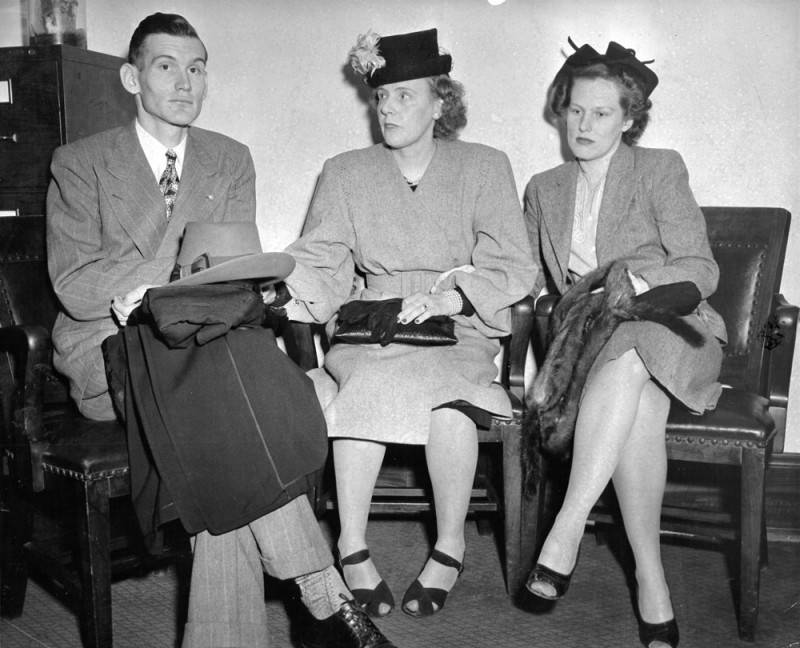
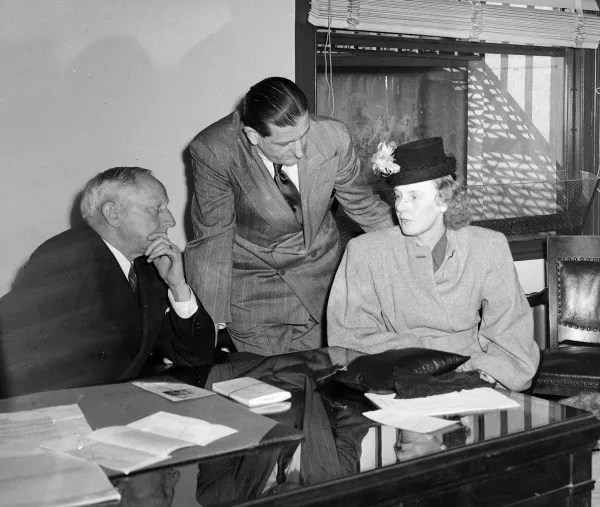
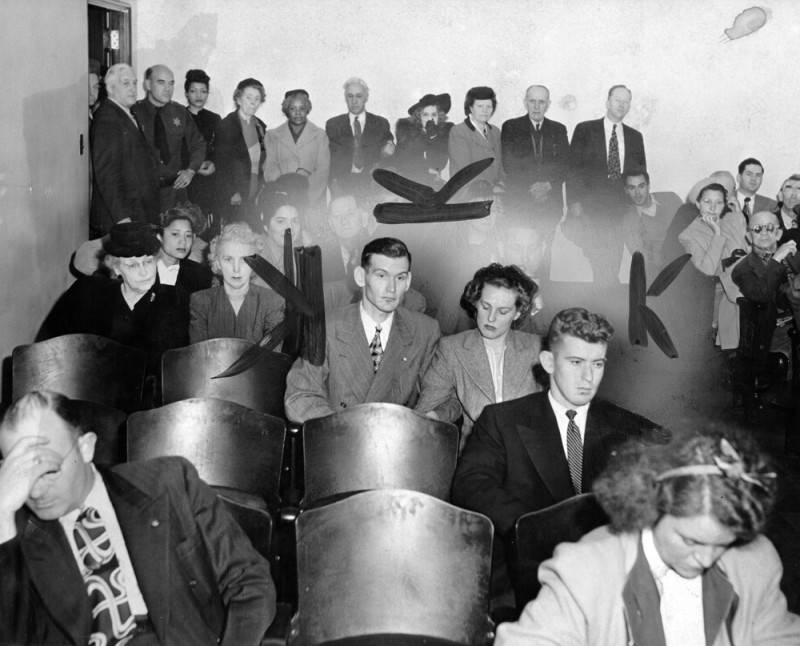
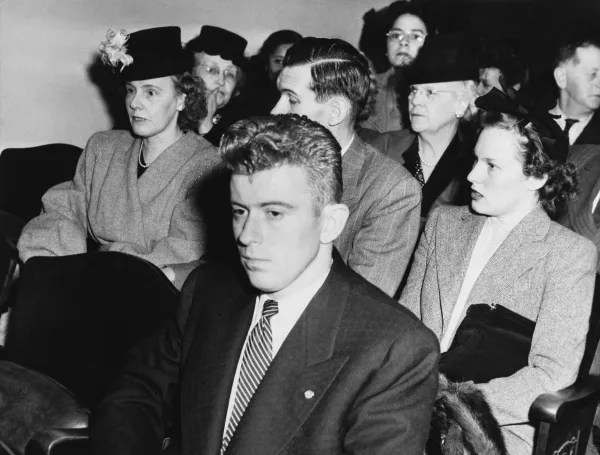
On January 23rd Betty Bersinger, who found Beth’s body told police during questioning:
‘I was walking with my little three year old daughter, Anne, at about 10:45 a.m. the morning of January 15. We were going south on Norton Avenue to the Leimert Park section, where I was going to have Anne’s shoes repaired. As we passed the vacant lot between 39th Street and 2nd Coliseum Avenue, I saw a body about a foot or two from the sidewalk. It was laying face up and I could see it was cut in two. I was so shocked and so scared and so worried my little girl would see it, that I gathered her up in my arms and ran to the nearest house, it was a doctor’s I think. After asking to use the phone, I telephoned police. I don’t recall whether I told the policeman with whom I talked that the body was cut in two. And I’m sure I didn’t say whether it was a man or woman. But I told him exactly where it was and said there was a body there. I didn’t say anything about thinking it was a man or that it was a drunk. My little girl didn’t see the body. I made sure she wouldn’t. I’m glad she didn’t. We don’t talk about the case in front of her.’
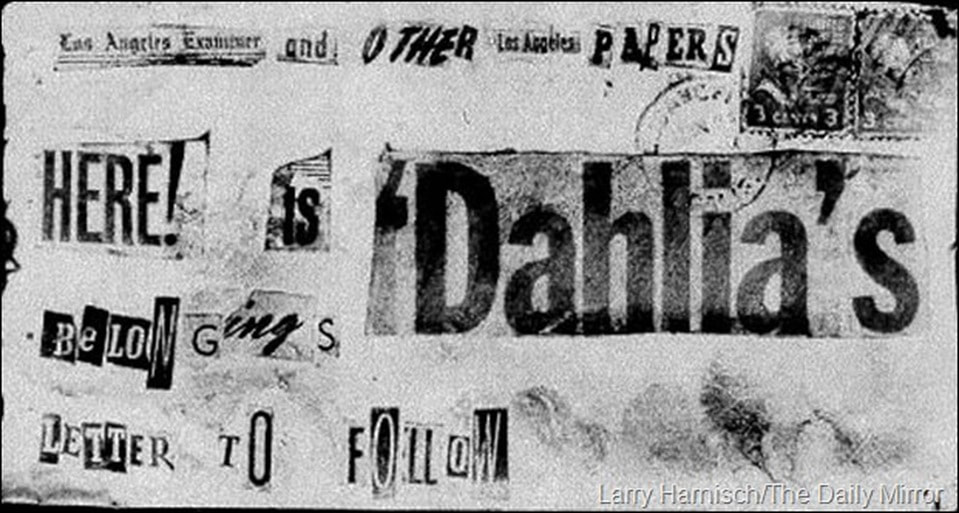
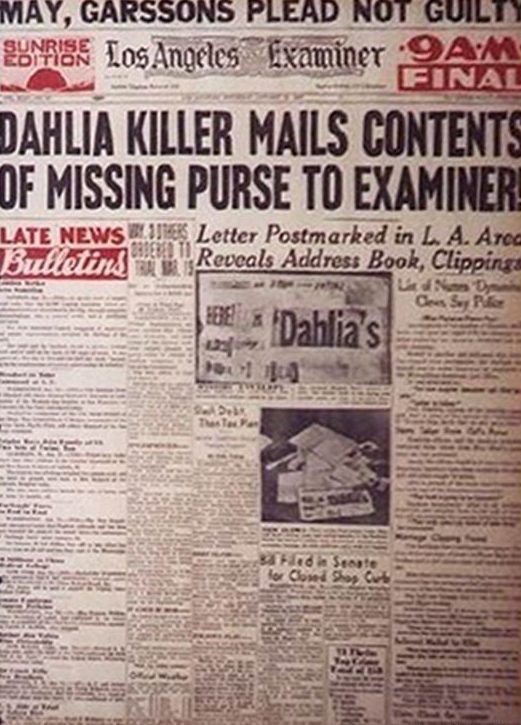
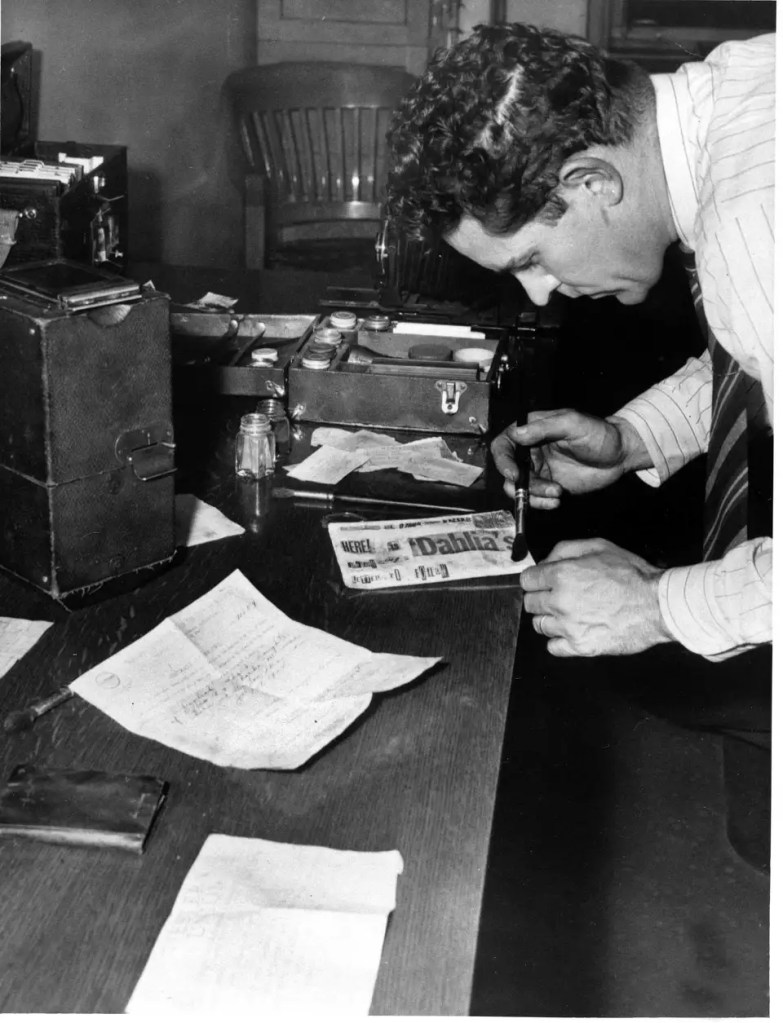
January 24, the Examiner received a small manila envelope. The return address read only: “Heaven.” Inside was a single sheet of paper letters cut from newspapers and magazines, pasted into a message: “Here is Dahlia’s belongings, letter to follow.”
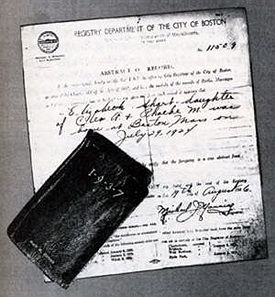
The envelope contained Elizabeth Short’s birth certificate, social security card, business cards, photographs, and a handful of personal papers, even an address book with the name Mark Hansen embossed on the cover. Everything had been carefully cleaned with gasoline, leaving not a single usable fingerprint. The killer wasn’t just taunting the police, he was showing them how careful he could be.
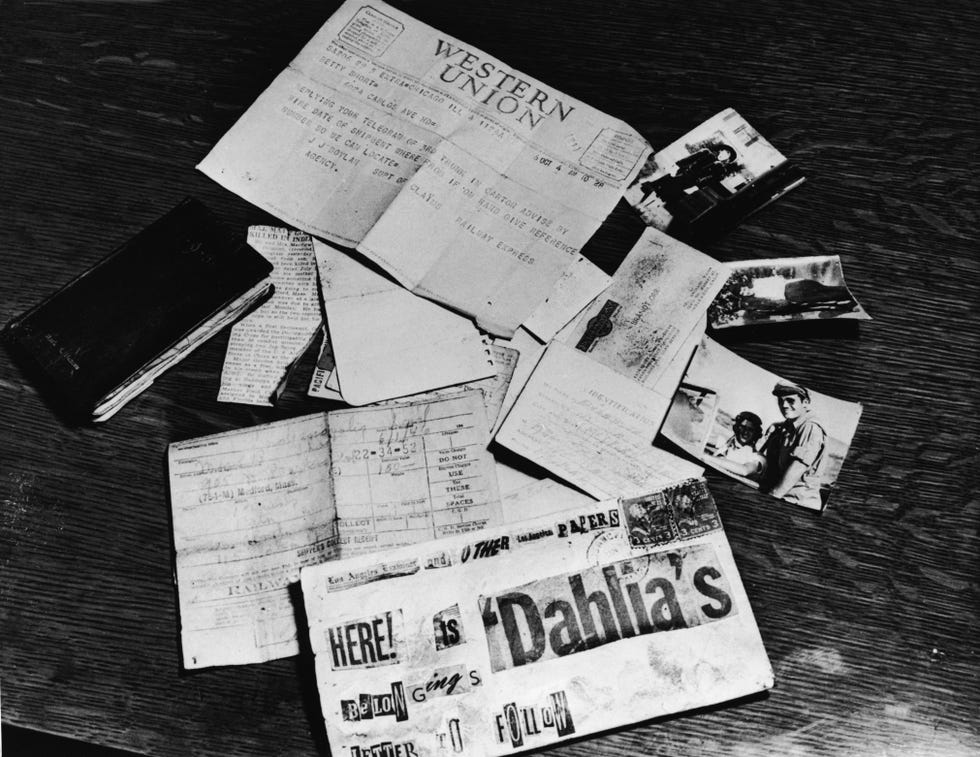
The contents included,
(1) Western Union Telegram regarding missing trunk shipped via R.E.A..
(2) Railway Express Agency Express receipt, dated 6/1/46.
(3) Part of sales slip printed in ink, Pacific Outdoor Advertising Co.
(4) Business card, Pacific Outdoor Advertising Company.
(5) Business card for A.D. Brix
(6) Business card for E.A. “Jack” Kleinan. House of Hollywood Realtor.
(7) Typewritten Social Security card, signed “Elizabeth Short” in green ink.
(8) Piece of notebook paper with Jimmy Harrigan’s Army base phone number.
(9) A torn piece of notepaper with Carl Balsiger’s phone number.
(10) Notebook leaf printed in pencil “Jimmy Bifulco.”
(11) Scrap of paper with”Wayne Gregg” written in ink.
(12) I.D. card “Elizabeth Short,” in case of emergency, contact P.M. Short.
(13) Abstract of record registry, City of Boston, “Elizabeth Short, daughter of…”
(14) Card, Hollywood Wolves Association with member, Chet Montgomery.
(15) Business card for Brandt Orr, Dressen Realty Company, with personal note.
(16) A Pacific Greyhound Lines parcel claim check, stamp dated January 9.
(17) 1 small snapshot of an aviator and a girl in cockpit of a plane.
(18) 1 small snapshot of a girl in black fur jacket, black hat, buildings in background.
(19) Photo of man in army uniform, standing near tree, frame house in background.
(20) Small snapshot of victim and a man.
(21) Small snapshot, aviator in flying suit and parachute, standing in front of plane.
(22) Woman dressed in riding habit standing beside a horse.
(23) One black address and telephone book with “Mark Hansen” in gold letters.
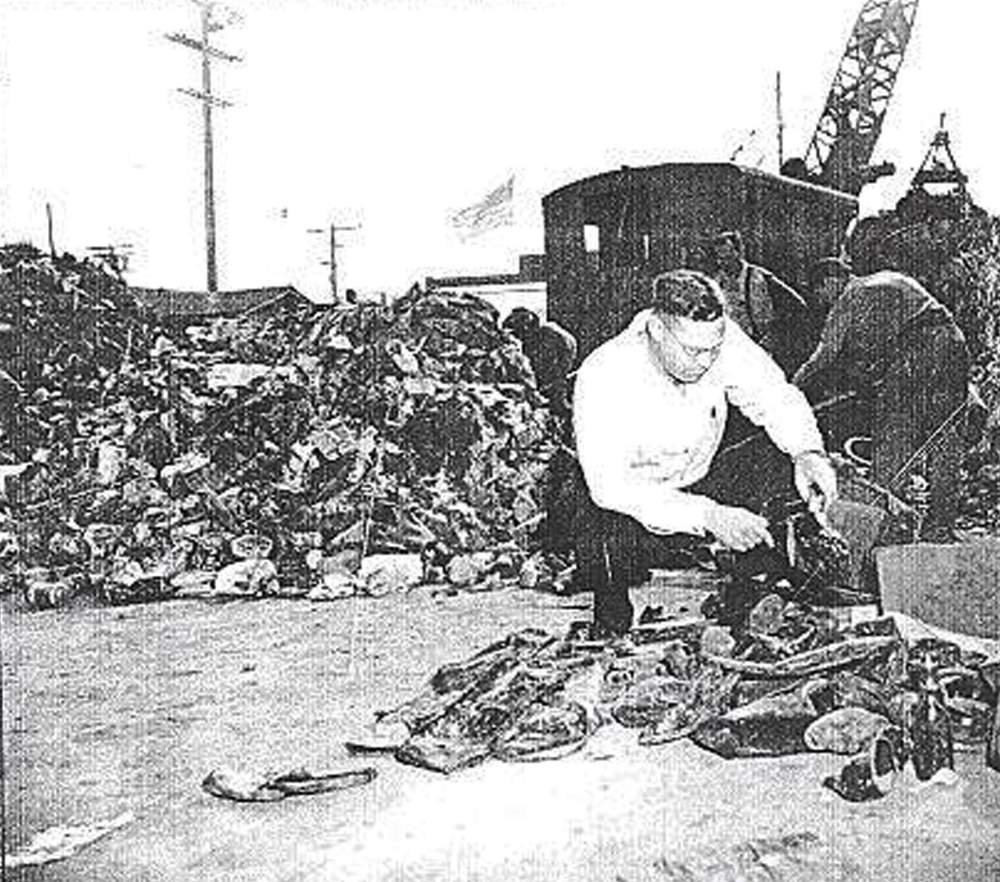
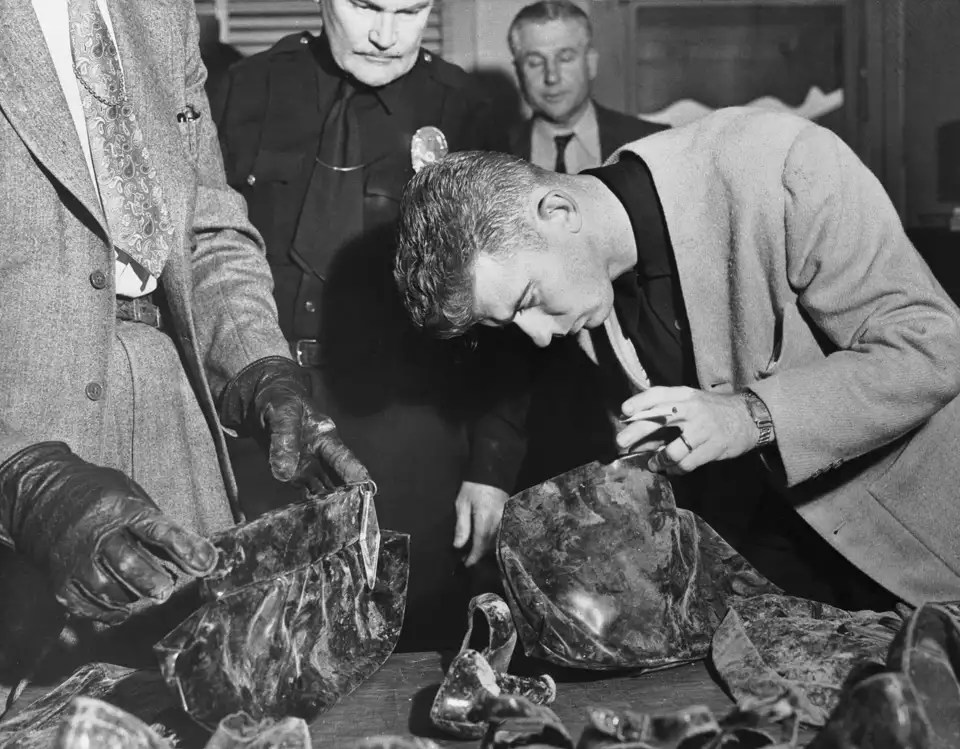
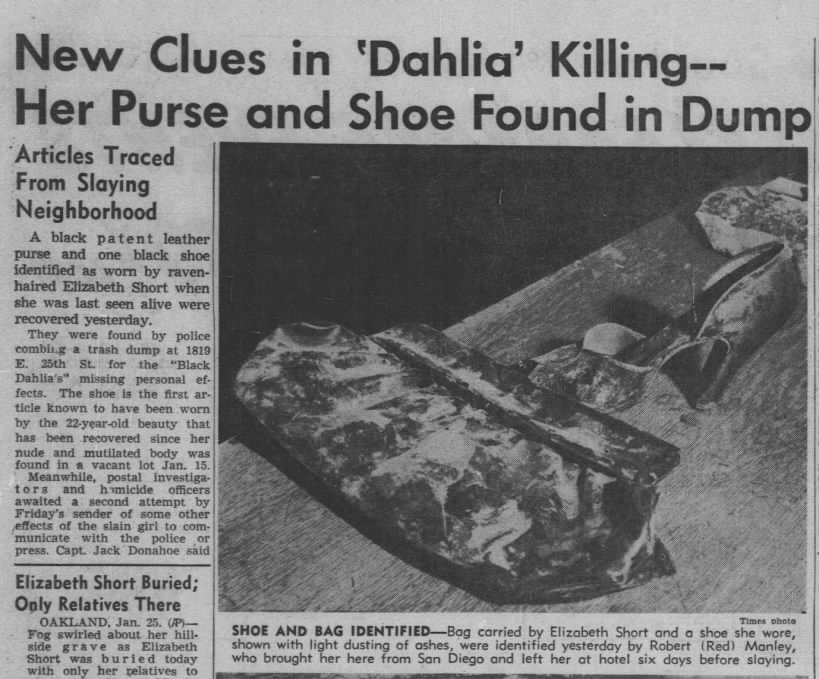
Also on January 24, another grim discovery was made, a woman’s purse and one black suede shoe, was found in a dump by police. Like the “Black Dahlia Avenger” package, they had been scrubbed clean with gasoline, wiping away any fingerprints. Once again, police brought Red Manley back in, this time to identify the items and confirm whether they belonged to Elizabeth Short. He said they did.
Detectives were puzzled by one piece of evidence in particular: an address book with Mark Hansen’s name stamped on the cover. If Hansen’s book was among Elizabeth’s effects, they needed to know why. So they paid the nightclub owner a visit, suddenly, Hansen was no longer just a name in an address book. He was a person of interest.
Also her missing suitcases were tracked to a Greyhound bus locker. They were examined for more clues.

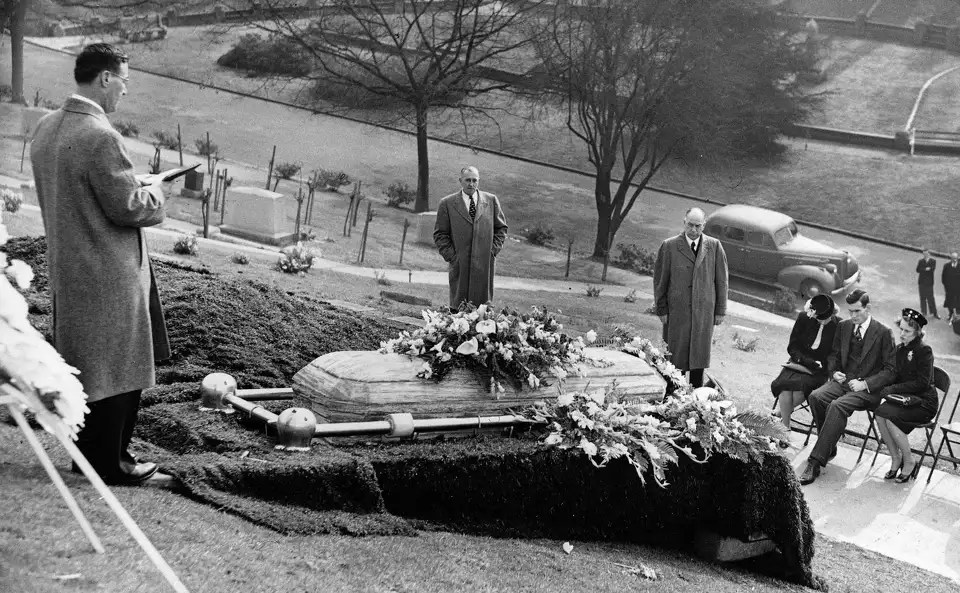
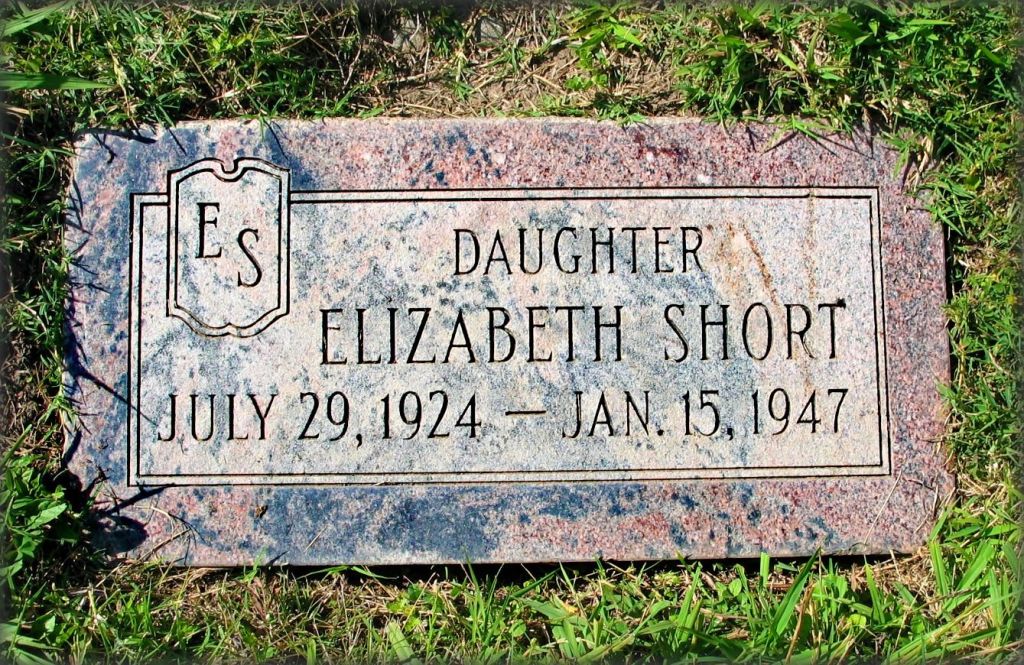
On January 25, 1947 Elizabeth Short was laid to rest at Mountain View Cemetery. Attending her funeral were her mother, sisters and brother-in-law, as well as detectives Brown and Hansen. Her mother decided to bury her in Oakland California, because she said “Elizabeth loved it here so much, I guess I’ll just bury her here.”
A total of 750 investigators from the LAPD and other departments worked on the Short case during its initial stages, including 400 sheriff’s deputies and 250 California State officers. They searched various locations for evidence, including storm drains throughout Los Angeles, abandoned structures and various sites, but the searches yielded no further evidence.
Police interviewed over 150 men as potential suspects as well as many who called in making false confessions.
Another letter arrived at the examiner:
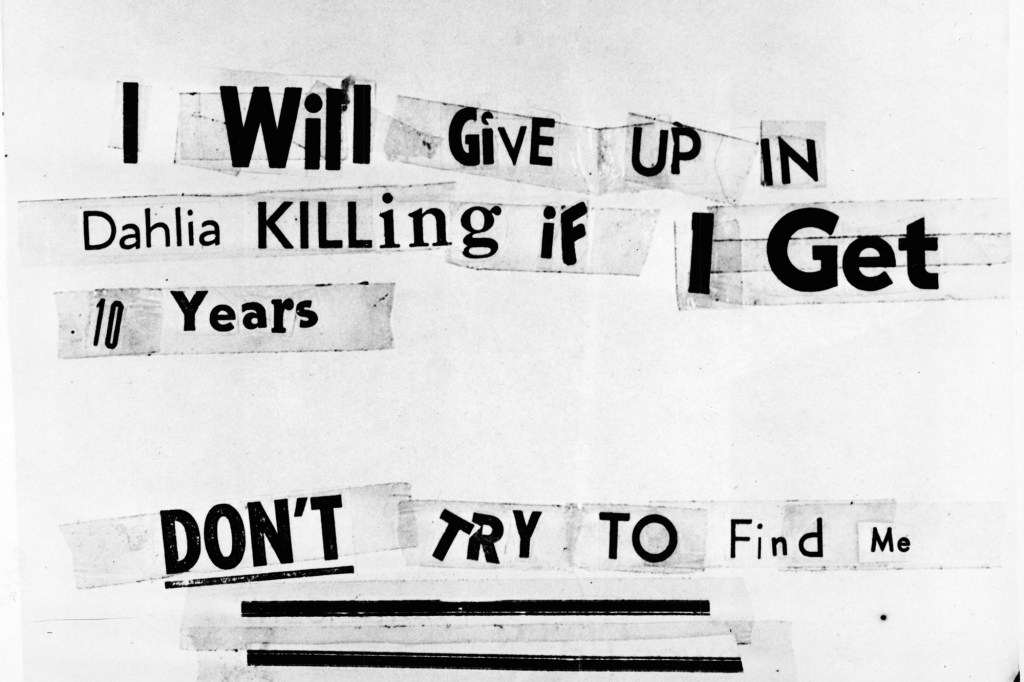
On January 26 a letter arrived from the Avenger, taunting police in saying he would turn himself in with the location. Police waited at the location on Jan 29, in hopes that the murderer would turn himself in, but no such luck, he didn’t show. That same day another letter arrived from the killer.
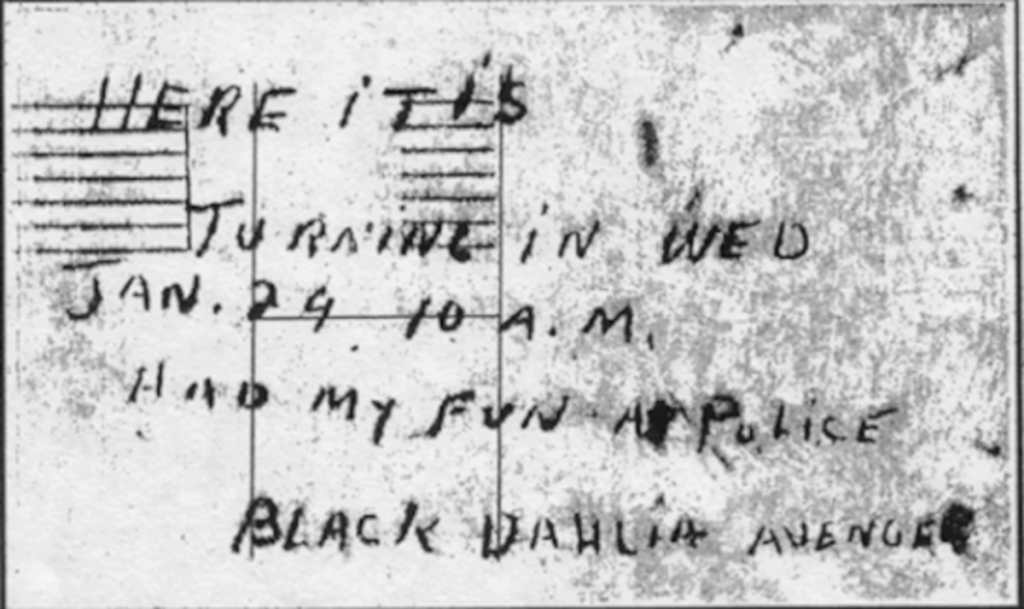
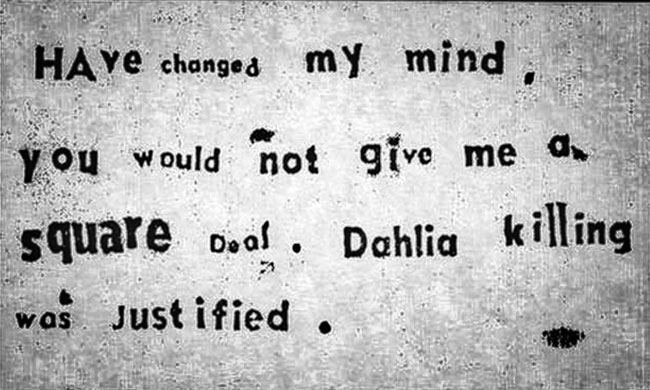
Another letter arrived.
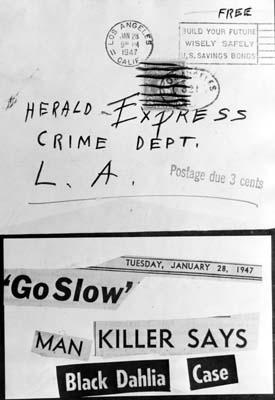
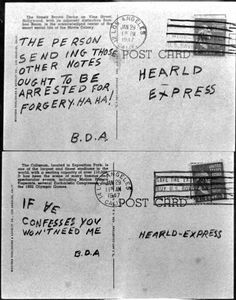
By the time the headlines hit every corner of Los Angeles, the case had turned into a circus. Around 50 to 60 men and women came forward claiming they had killed Elizabeth Short, which didn’t do the overworked LAPD any favors. Other women’s bodies were turning up around the city as a string of unsolved murders of women between 1943-1949 rocked Los Angeles.
July 27, 1943- The nude body of 41-year-old Ora Elizabeth Murray was found near the parking lot of the Fox Hills Golf Course, she had been beaten and strangled. She was last seen leaving a dace at the Zenda Ballroom with an unidentified male.
October 12, 1944- The nude body of twenty-year-old Georgette Bauerdorf was found lying face down in her bathtub. She had been raped and strangled.
February 10,1947 The nude body of Jeanne French was found lying in an open field. She had been beaten to death and the words “Fuck B.D”. and “Tex” had been written on her body in her own lipstick.
March 12, 1947 The nude body of 43-year-old Evelyn Winters was found in a vacant lot of an abandoned rail yard. She had been bludgeoned and strangled to death. She was last seen leaving the Albany Hotel.
May 4, 1947-The nude body of 36-year-old Dorothy Ella Montgomery was found in a vacant field under a tree. She had been beaten and strangled. She had been missing since May 3rd, when she left to go pick up her daughter from a dance recital.
May 12, 1947- The nude body of 39-year-old Laura Trelstad was found in an oil field. She had been sexually assaulted and strangled with a belt and then thrown from a moving car. She was last seen leaving home to go to the Crystal Ballroom.
July 8,1947-The nude body of Rosenda Josephine Mondragon twenty-one was found in a gutter near Los Angeles City Hall, she had been strangled by a silk stocking. She was last seen getting into a strangers car after serving her husband with divorce papers at his house.
October 12, 1947- Fifteen year old Lillian Dominguez was stabbed in the heart by a man while walking with her sister.
February 14, 1948-Forty-two year old Gladys Eugenia Kern was stabbed in the back while showing a home at 4217 Cromwell Avenue, Los Feliz. She was last seen with an unidentified man at a drugstore
June 13, 1949- Louise Margaret Springer thirty-five was found strangled to death in the backseat of her husband’s convertible sedan.
August 18,1949-Mimi Boomhower went missing. Her body has never been found.
October 7,1949-Twenty-six year old Jean Spangler went missing after leaving her home. Her body has never been found.
(Steve Hodel claims his dad, George Hodel killed all these women.)
The department had to borrow officers from neighboring forces just to chase down every lead and every person who ever knew Beth.
They started with the obvious, the men who had dated her. Twenty of them were questioned right off the bat. Rumor had it she had a hundred admirers, and the cops were determined to talk to every last one. They even combed through the Biltmore Hotel registry from December 1946 up through January 9, the last day she was seen there, nothing. Not one of their prime suspects had signed in.
One thing was clear: whoever killed her had surgical precision. The coroner’s report said the cuts were clean, professional not the work of a butcher or a panicked killer. The LAPD turned its eyes to the University of Southern California Medical Department, wondering if the killer was a student with just enough training to know what he was doing.
By 1947, the suspect list was a thick stack of names ,seventy-five in all. Here are the ones who kept the cops up at night.
The Lineup:
Here they are, kid, the main suspects, and the killer could’ve been any one of them. The cops ran them all through the wringer, one by one, waiting for the story that fit. Somewhere in this stack might be the right one. Or maybe the killer’s name never made it to paper at all. That’s the thing about this town: sometimes the guilty walk free, and the file just gathers dust. These are the names that wouldn’t go away.
Doctor George Hodel :
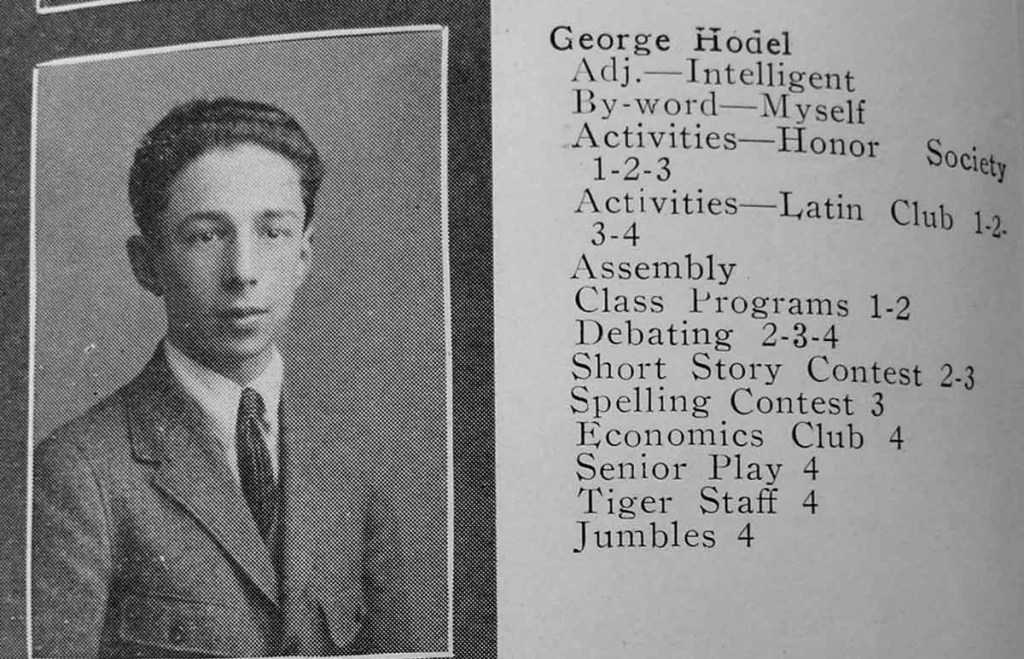
Born in 1907, George Hodel was a child prodigy graduated high school at 15, enrolled at the California College of Technology, and was expelled at 16 after getting a professor’s wife pregnant. At 21 he married his first wife, Dorothy, and by 1936 had earned his medical degree. He had a wild streak and was rumored to host S&M parties. While still married to his first Dorothy, he married a second, Dorothy Harvey and moved his family to Los Angeles in 1945, where he was known for his casual flings.
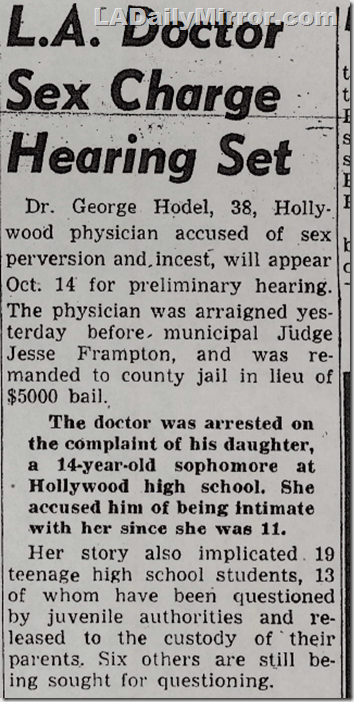
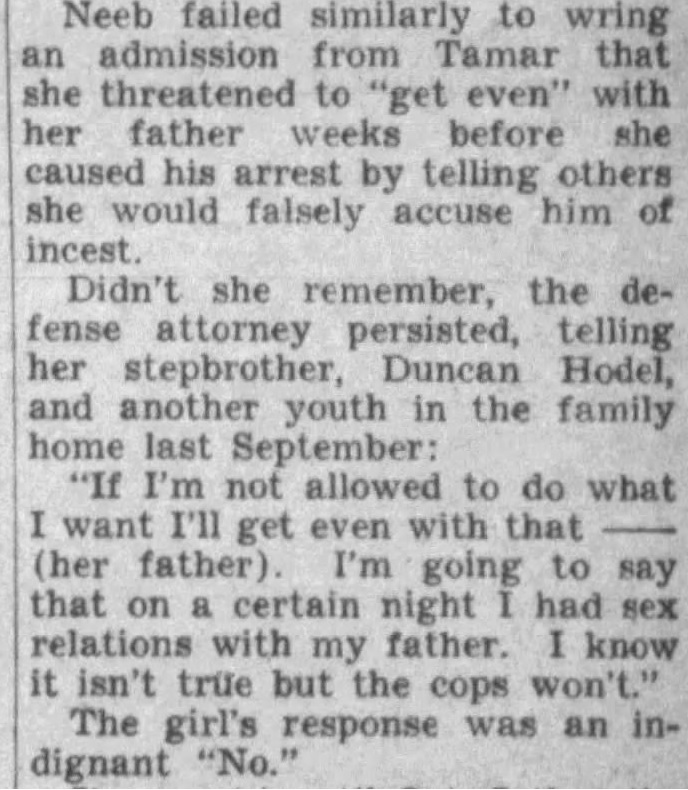
In 1949, Hodel’s 14-year-old daughter Tamar accused him of molestation. The charges were dropped when it came out that Tamar had a history of making false accusations. Her own mother testified, “Tamar has been a problem child for many years, who frequently accused men of molesting her.”
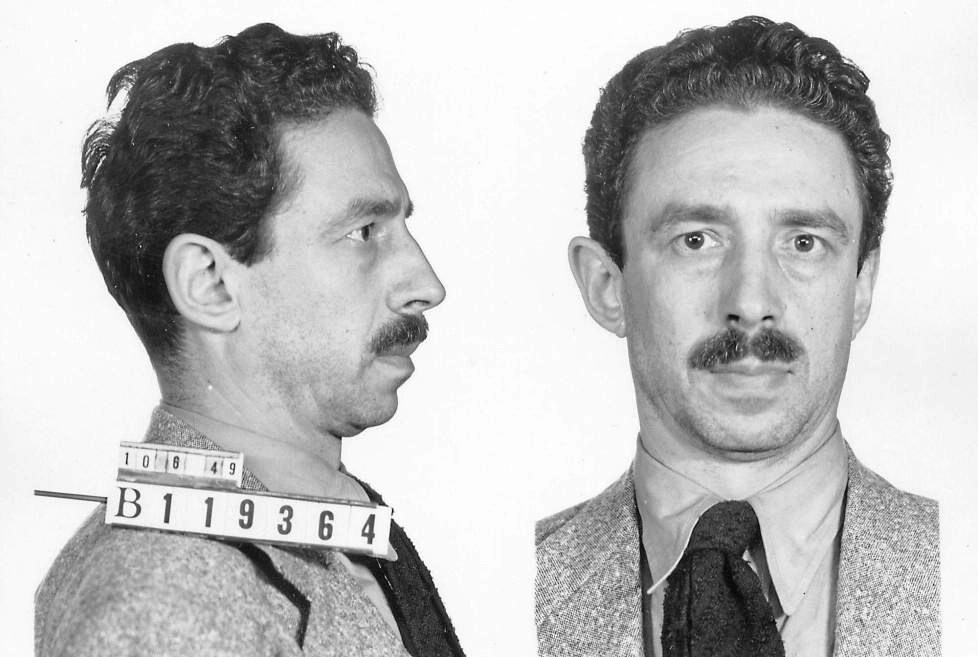
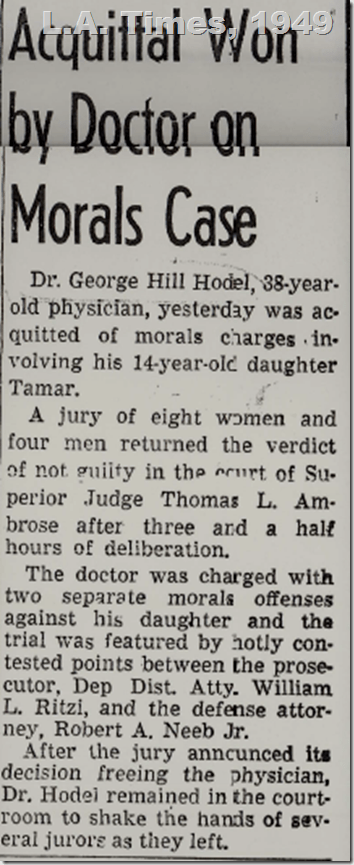
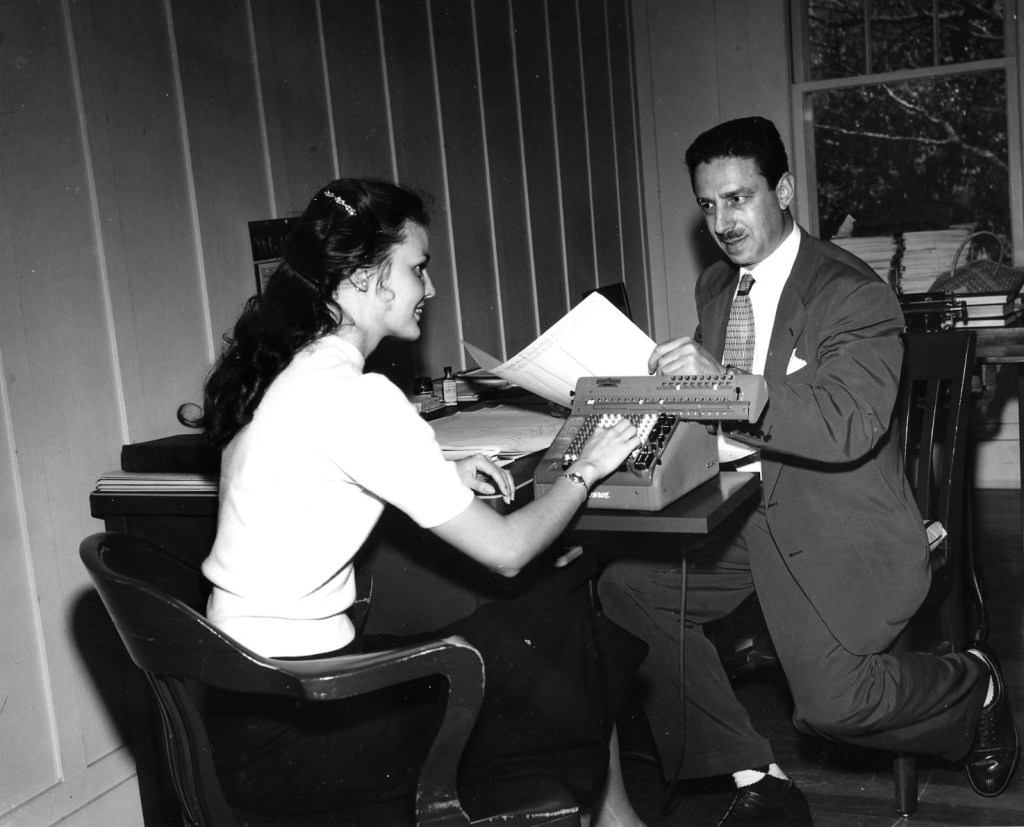
Hodel came under suspicion in the Black Dahlia case partly due to his medical knowledge and partly because of a police wiretap in which he was recorded saying: “Supposin’ I did kill the Black Dahlia. They can’t prove it now. They can’t talk to my secretary anymore because she’s dead… Maybe I did kill my secretary.” (Her death was ruled a suicide.) Ruth Spaulding took an overdose in her home, she died two hours later at the hospital.
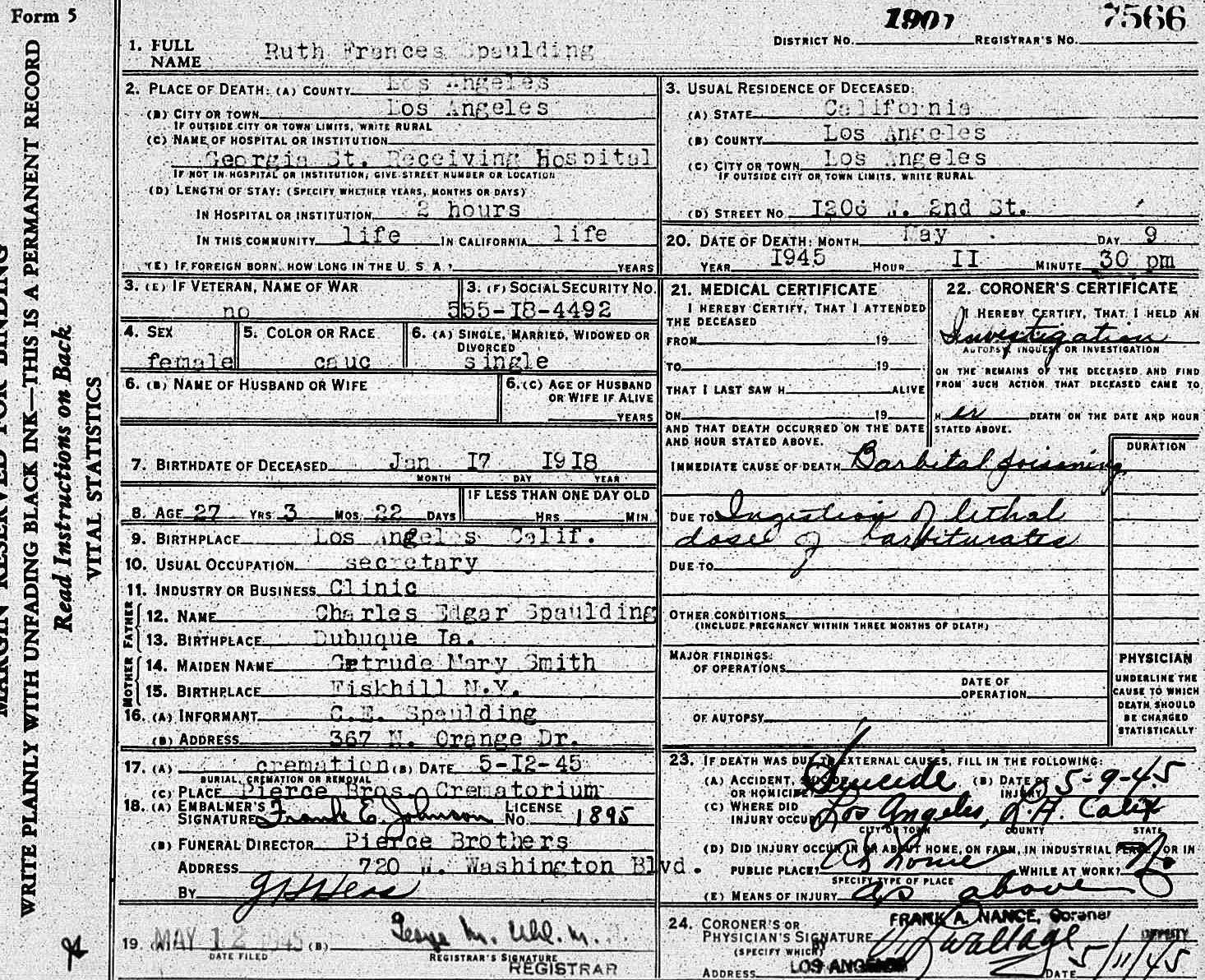
But here’s the thing, kid: LAPD never considered Hodel a prime suspect. At the time, everyone even remotely connected to Elizabeth was questioned, and there’s no evidence Hodel and Beth ever met. He wasn’t named in the newspapers the way other suspects were, and the only man ever called LAPD’s “prime suspect” was Red Manley. Steve Hodel, George’s son, later connected him to surrealist artist Man Ray, claiming the murder scene mimicked a Man Ray painting but there’s no evidence George Hodel and Man Ray ever corresponded or even knew each other. None of the databases, archives, letters, diaries or the research that I did, connect George and Man Ray. George Hodel wasn’t a surgeon, wasn’t accredited by the American College of Surgeons, and therefore wouldn’t have been allowed to perform surgery in a Los Angeles hospital. And those infamous photographs Steve claims are of Elizabeth? One has been proven to be Marya Marco, and the other is “similar,” not confirmed, facial recognition
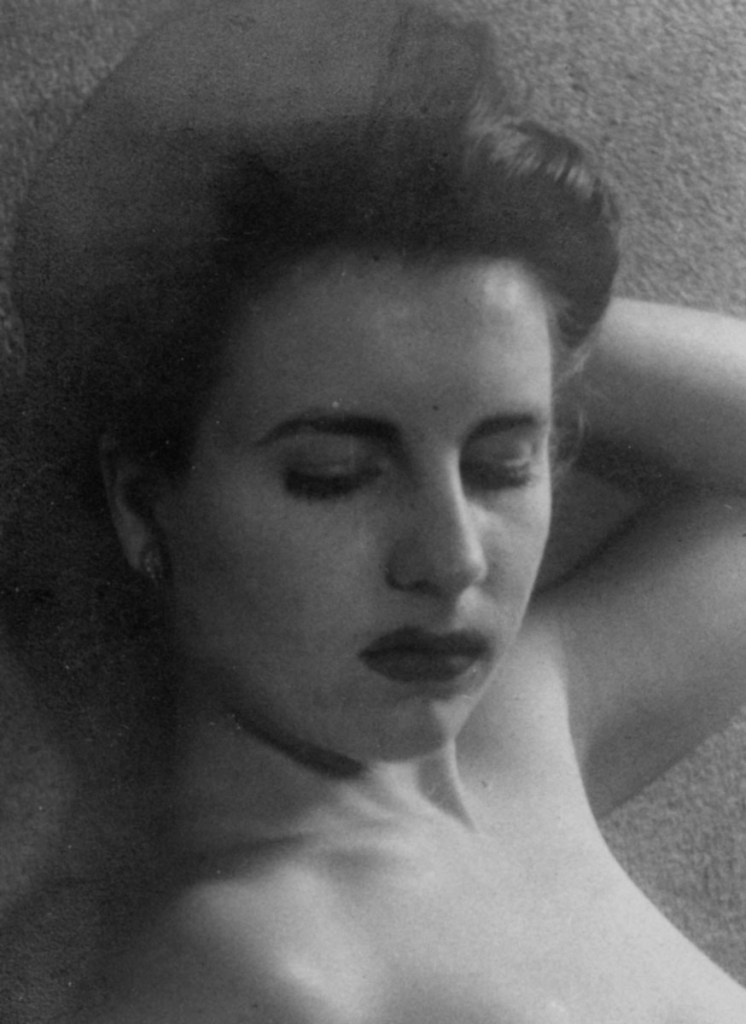
Now, I don’t know about you but in my book, similar don’t make it fact.
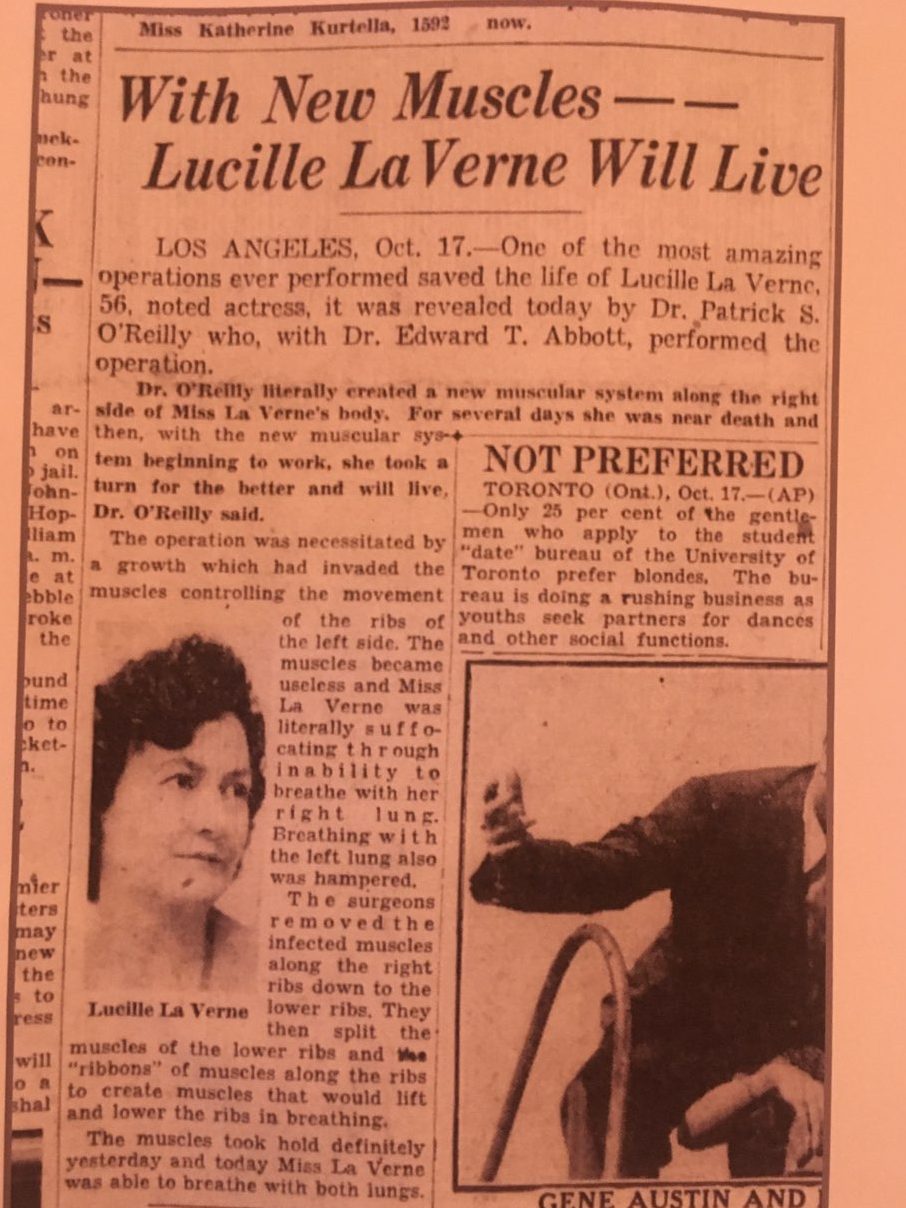
Dr. Patrick Shane O’Reilly:
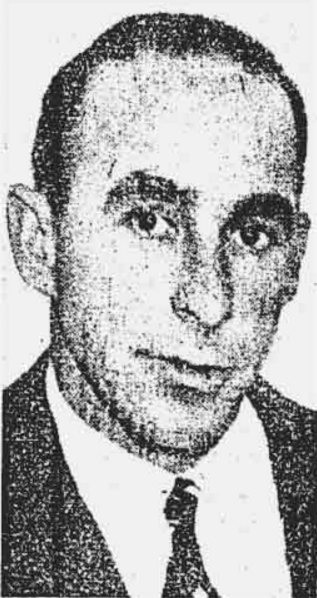
Medical doctor, friend of Mark Hansen. Dr. O’Reilly was a special guest at the Florentine Gardens. He attended Poly Tech High School. He was convicted of assault with a deadly weapon when he took his secretary to a motel and almost beat her to death for no other reason than to satisfy his sexual desires without intercourse, according to the D.A. files.
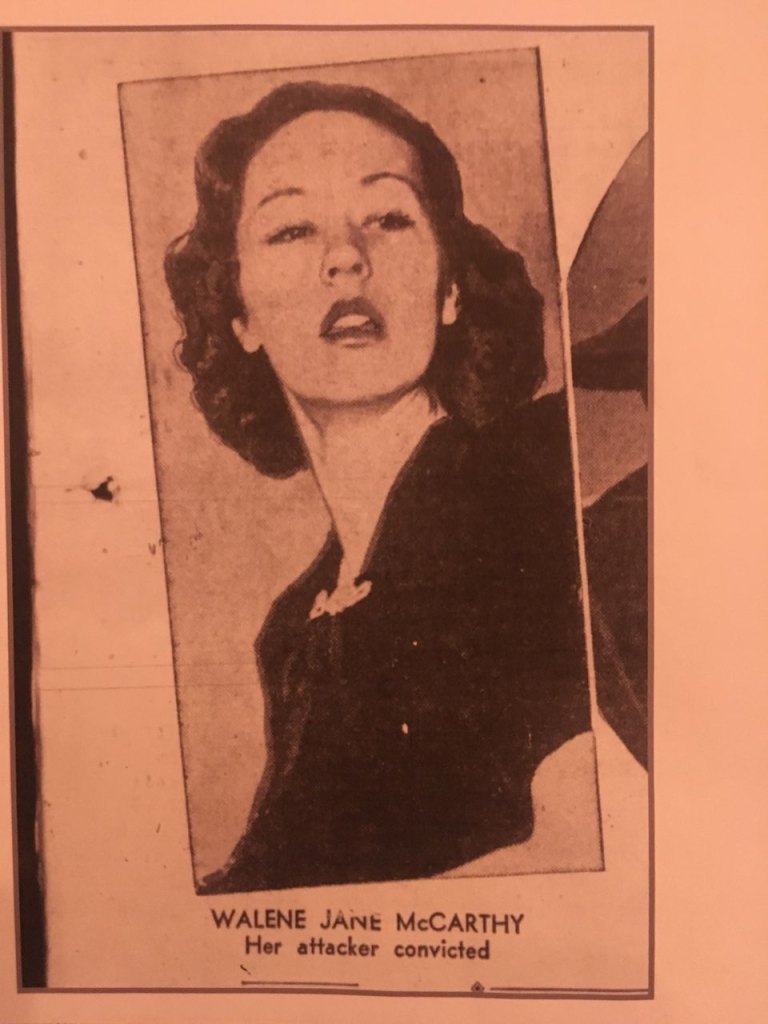
He was once married to one of the LAPD captain’s daughter. He was rumored to have attended sex parties with Mark Hansen. He lived at 1613 West 49th street which was 2 1/2 miles from where Elizabeth’s body was dumped.
He was born March 17,1900 in Kansas. At the age of sixteen he ran away and joined the Kansas National Guard. He told them he was an orphan who was born in Ireland. A National Guard officer became his legal guardian. Patrick, to make himself appear to be a hero and make his time serving more adventurous, would tell his peers tall tales, hearing of these stories, his commanders soon put those tales to rest. They sent him home back to Kansas.
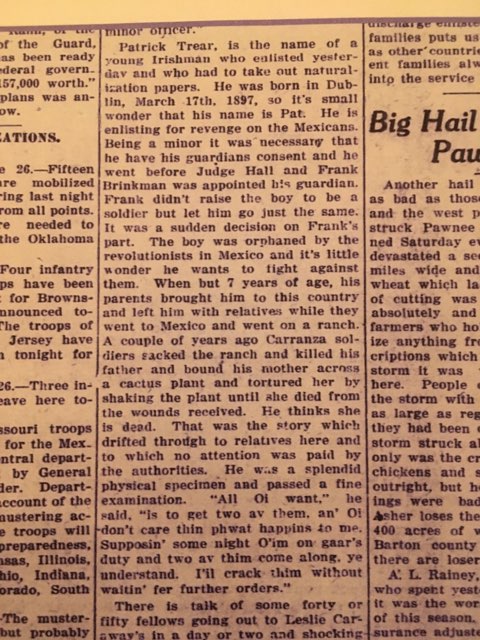
At 17 he joined the Canadian Military during WW1 by telling them he was nineteen, was a medical student and an orphan who had been born in Dublin Ireland. When asked he told them he had no previous military service. He listed his next of kin as Mary Trear.
With the identification number 3030018 he was admitted to the Canadian Military. But who was Mary Trear, when his last name was O’Reilly?. He was shipped off to France, but Patrick’s stay in the military wouldn’t last long he was discharged deemed medically unfit and with the help of his sister, Frances Marsales, told the United States Shipping board he had lost his birth certificate and that he was a U.S. citizen, using this false information Patrick Trear, his real identity, was able to join his sister in San Fransisco to start a new life as Patrick O’ Reilly.
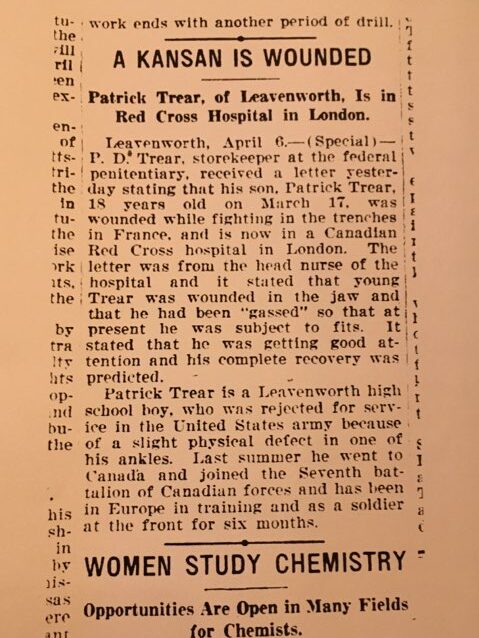
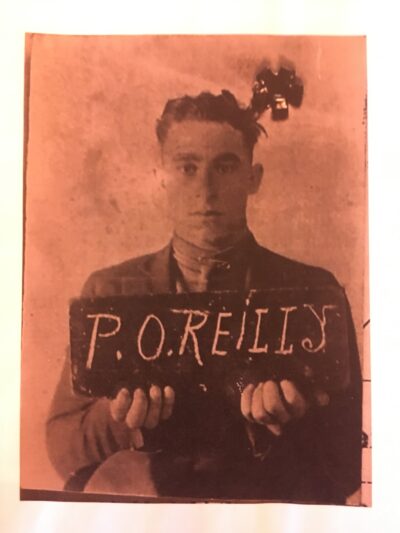
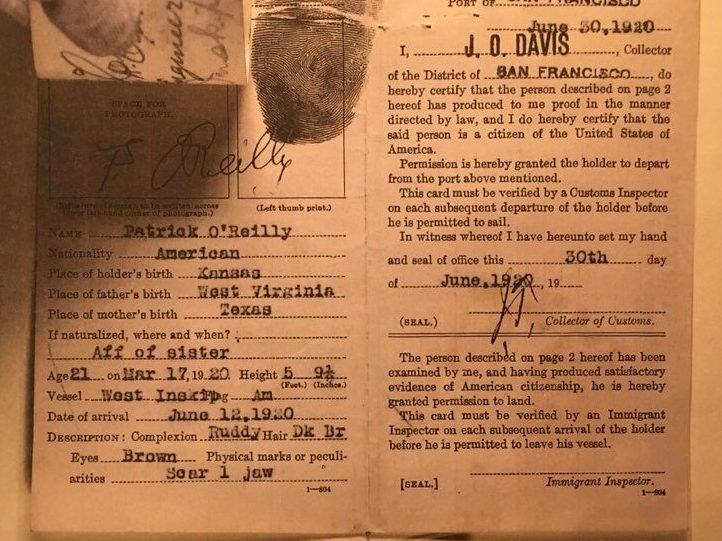
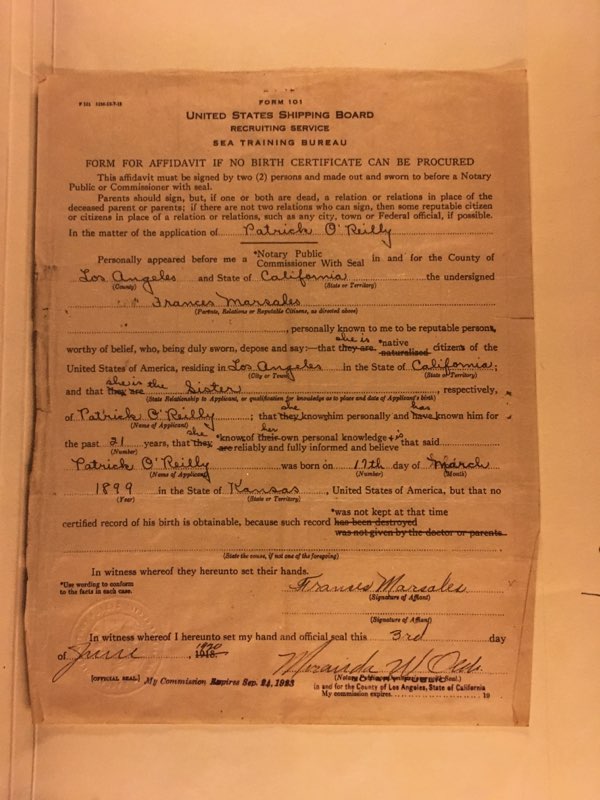
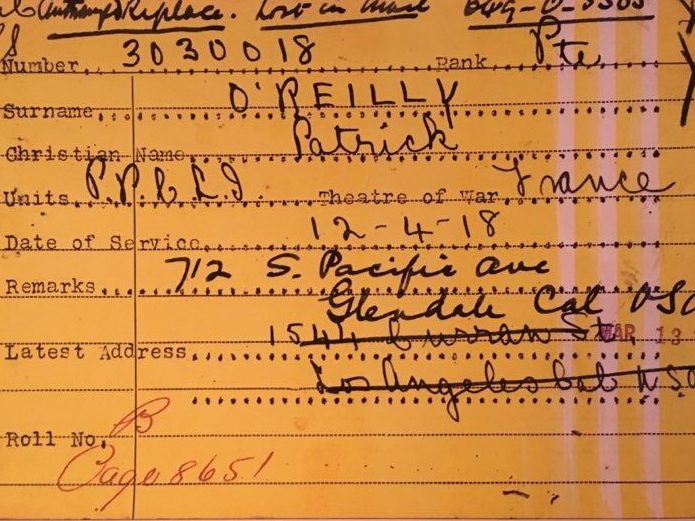
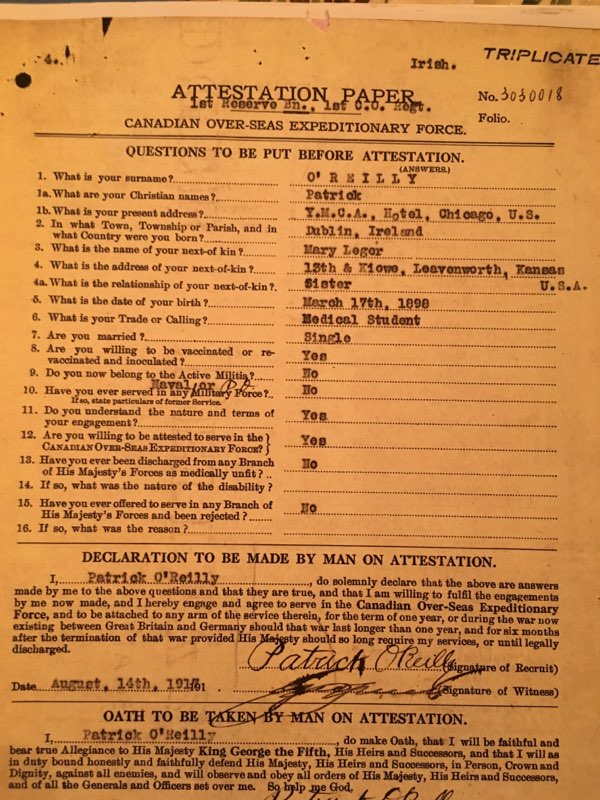
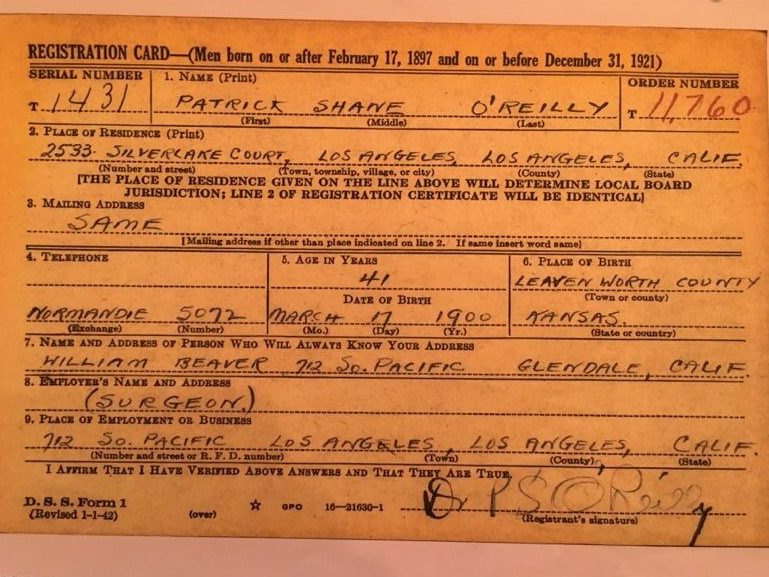
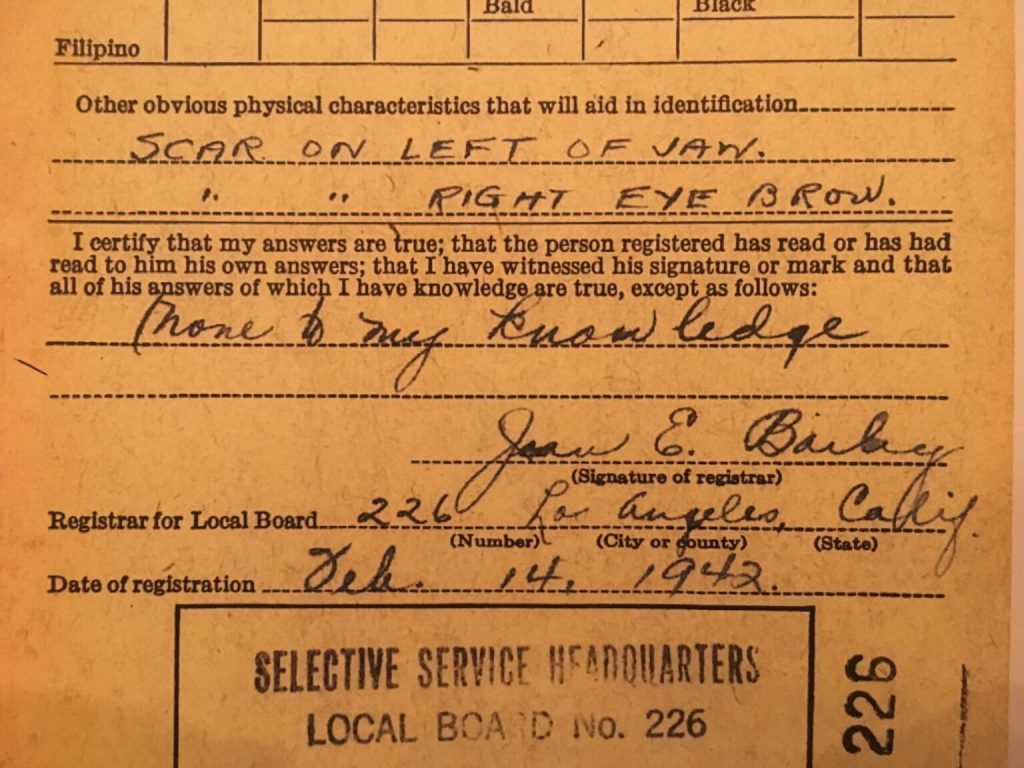
Living his new life, he graduated from the Southern California Orthopedic College, becoming an orthopedic surgeon. He soon got a job at one of the Los Angeles hospitals. He soon became head of his own emergency hospital the P.S. O’Reilly Emergency Hospital
In 1934 he saved the life of actress Lucille La Verne, who voiced the evil queen in Snow White and the Seven Dwarfs, when he had to reconstruct the muscles along her right side in order for Miss La Verne to breathe normally.
He was a skilled surgeon who was well acquainted with the muscles, tendons, bones, organs and skin of the human body.
It seems he faded from the spotlight after 1947.
Well kid, this one is on my radar. He is one of two that I suspect killed Elizabeth Short.
He was an accomplished surgeon, he had the skill to cut a body in half, he was convicted of assault with a deadly weapon, he had no problem lying and actually pulling off said lies, friends with Mark Hansen, participated in sex parties, and was violent towards his first wife, had part of his right pectoral removed in the same manner as Elizabeth Short, had knowledge of the area.
Leslie Duane Dillion:
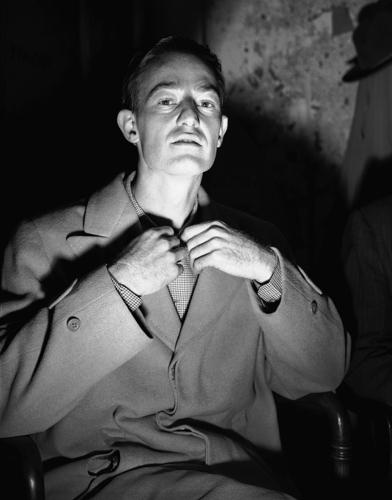
Was born in 1921 in Oklahoma where he worked for a local morgue driving the ambulance. He moved to Los Angeles at sometime in his life where he got a job as a bellhop working at Columbia Studios, a place Elizabeth Short liked to frequent.
Leslie came under suspicion when he began writing to police psychiatrist, Dr. J. Paul De River about the crime and the theories he had. In his letters, Dillion claimed to know of another suspect by the name of Jeff Connors, when police investigated Connors, they learned he was a man by the name of Artie Lang, who was a maintaince man for Columbia Studios. Rumor has it that Dillion knew details about the case that only the killer would know.
After an extensive investigation and having a solid alibi, he was in San Francisco at the time of the murder, he was removed as a suspect.
He had no ties to Elizabeth Short.
He died in 1988 at the age of 66.
Mark Hansen:
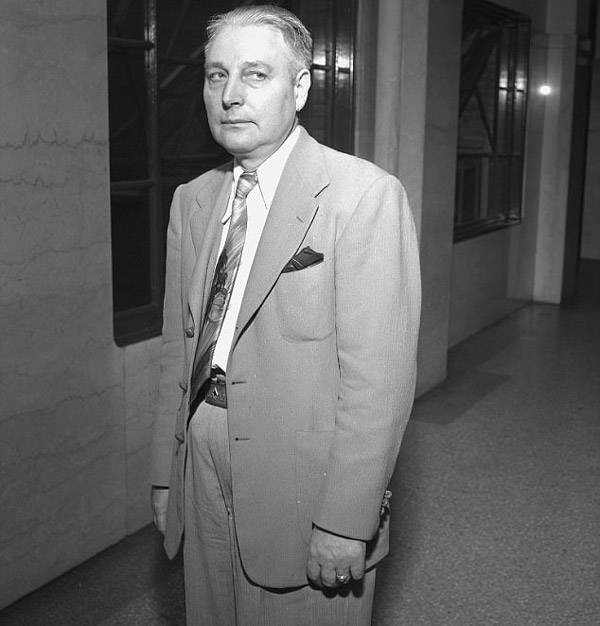
Since I already told you about him, I won’t rehash the details. Even though he remains a suspect to this day, my gut tells me he isn’t the one that killed her. Sure he had a connection to her, he was rumored to have mob ties, and was a ladies man, and may have been jealous of the men Elizabeth dated, but I don’t see him as being her killer.To me he seemed like a hard guy but with a heart of gold.
Robert “Red” Manley:
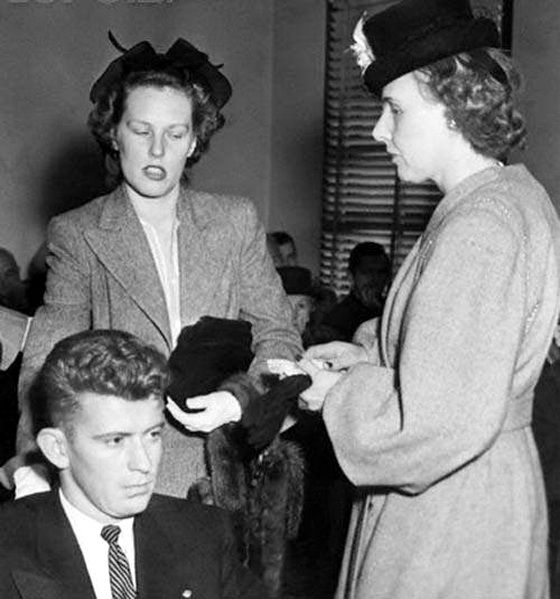
I won’t rehash Red’s details, you already know the story. My gut says he wasn’t the killer. Yeah, I know what you’re thinking: “But Sam, he dated her. He was the last one to see her.” I know, kid, I know. But my gut tells me he was just a confused guy in a bad spot. He saw a pretty dame, his marriage was on the rocks, and he wanted to test his loyalty. He felt sorry for Beth, gave her a ride, bought her a meal. Sure, they dated a few times, but she seemed like a fun gal and maybe that’s all Red was chasing. A little fun before going home and trying to be a husband and father again.
So Red walks in my book. Not clean maybe, but not the kind of dirty that leaves a girl in two pieces in a vacant lot. Time to flip the page and see who else the cops dragged into the light.
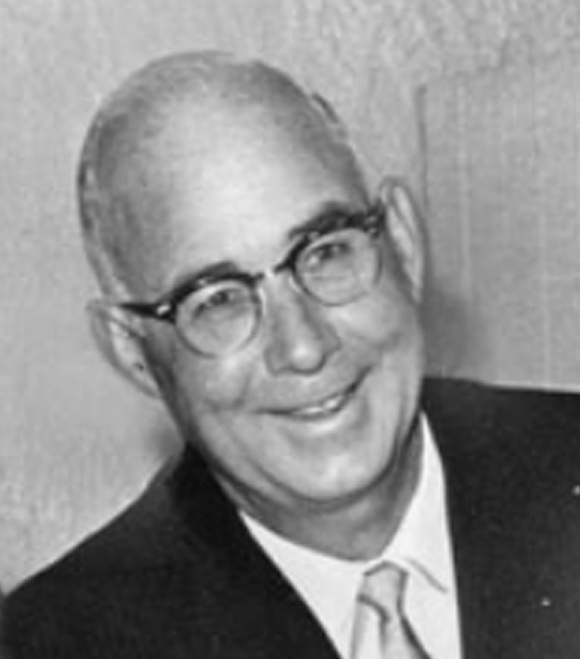
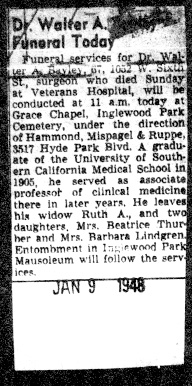
Dr. Walter Alonzo Bayley:
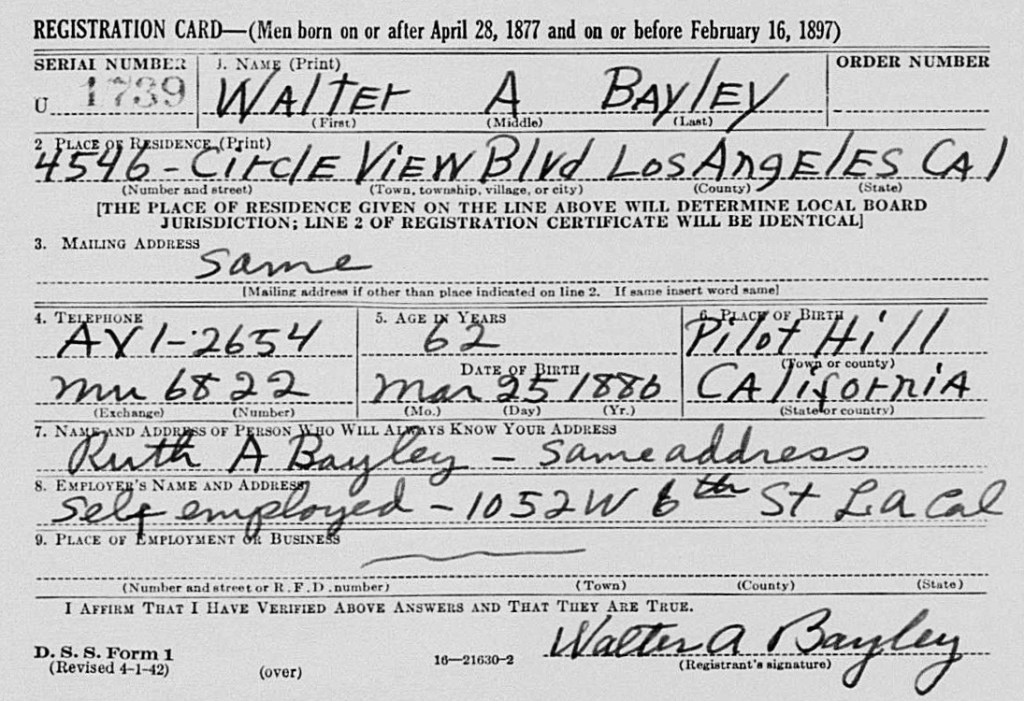
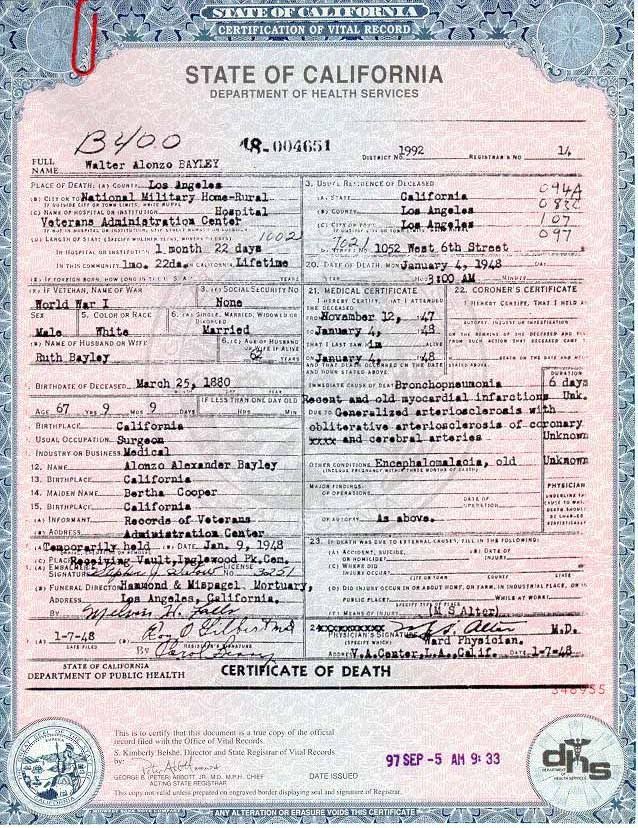
Was born March 25, 1880 in El Dorado, California. He graduated from the University of Southern California in 1905. Where he became an associate professor of surgery, as well as chief of staff at Los Angeles County Hospital.
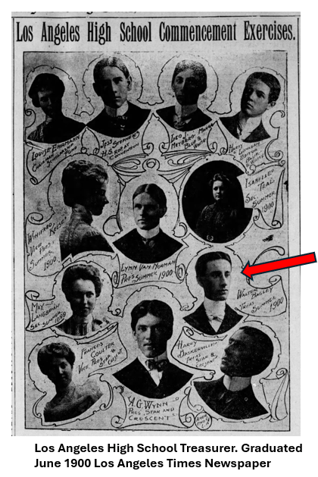
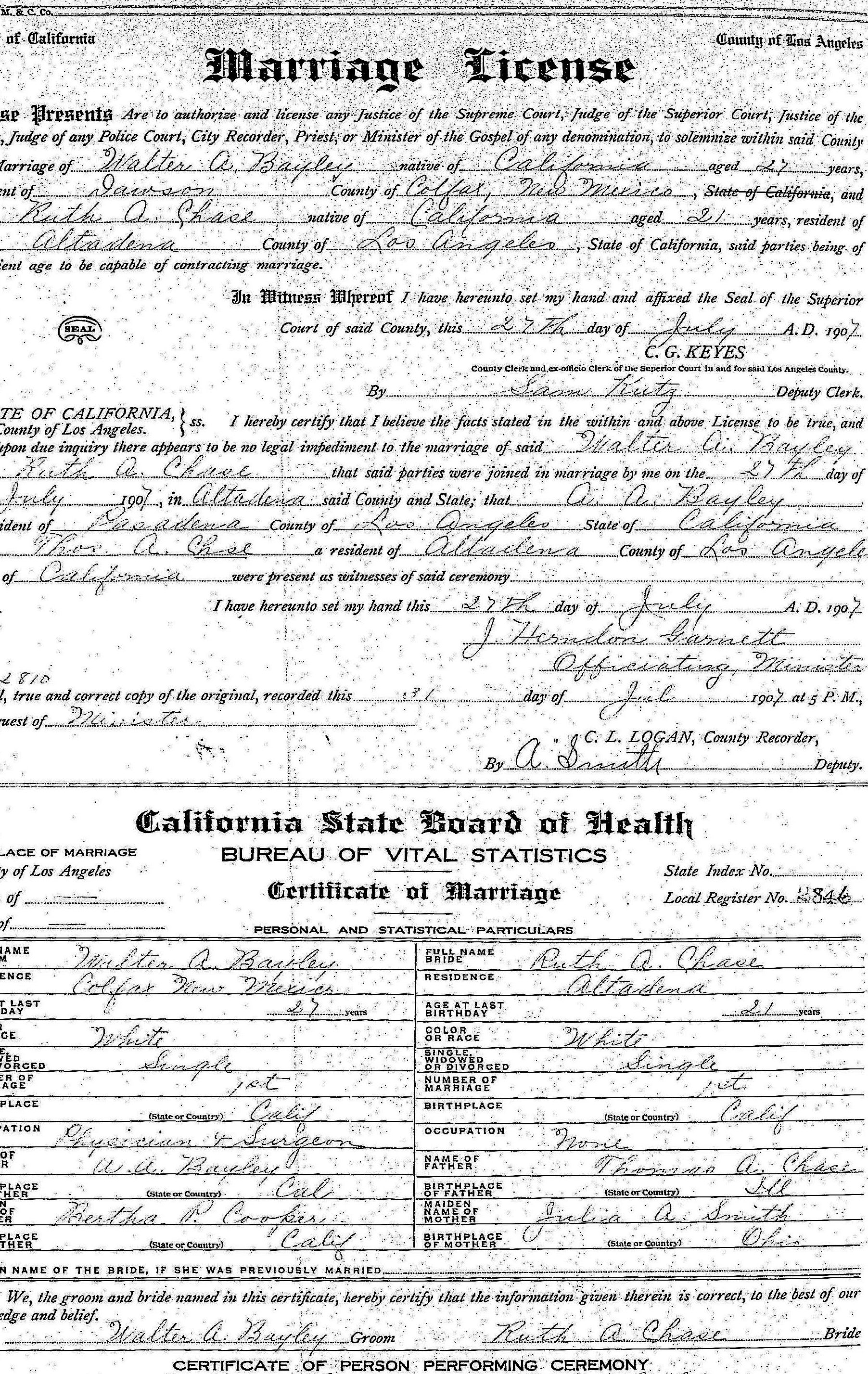
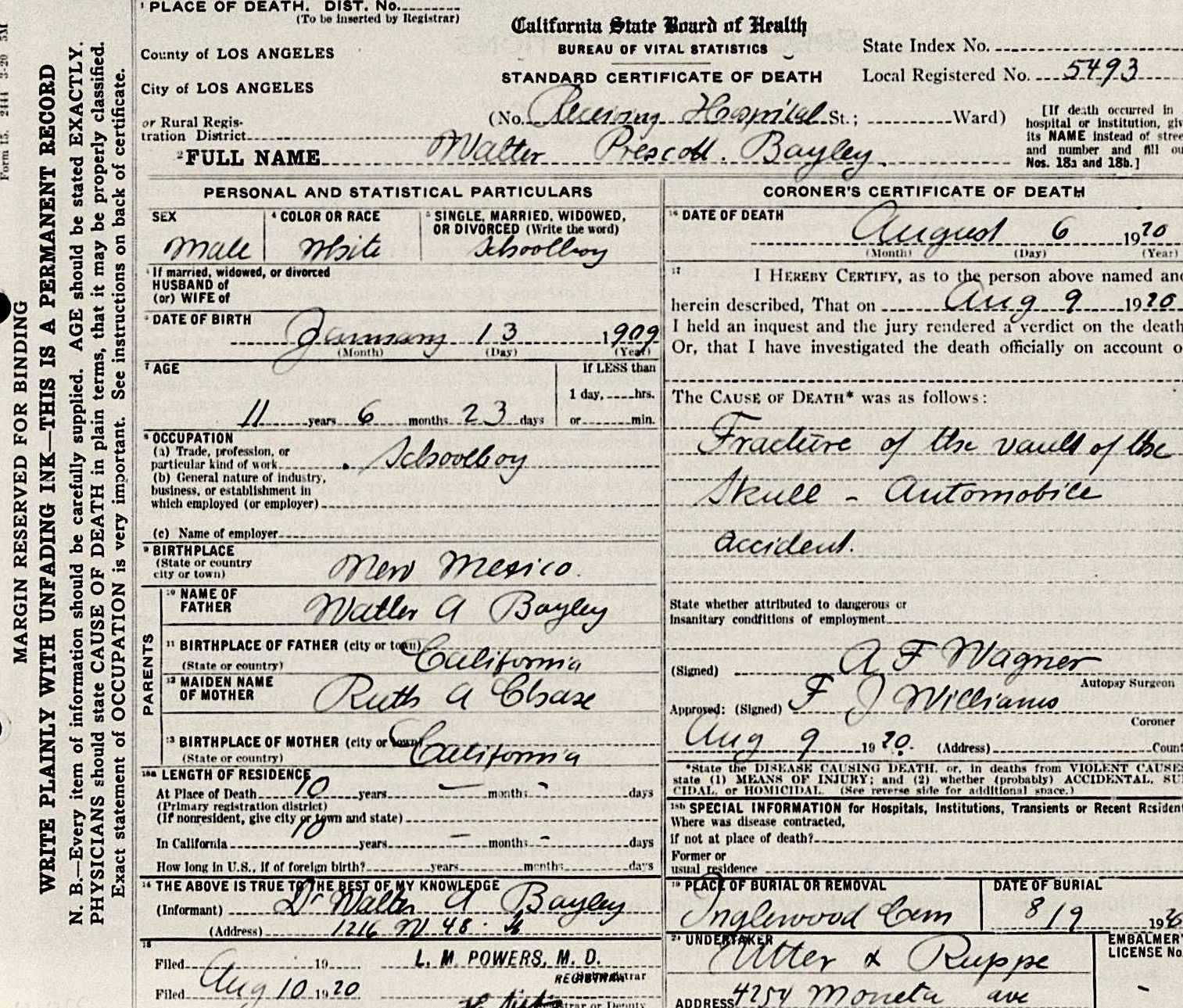
In 1907 he married Ruth Chase, together they had a son they named Walter Prescott Bayley, who was born January 13, 1909, tragically Walter would die on August 6, 1920 after being struck by a truck.
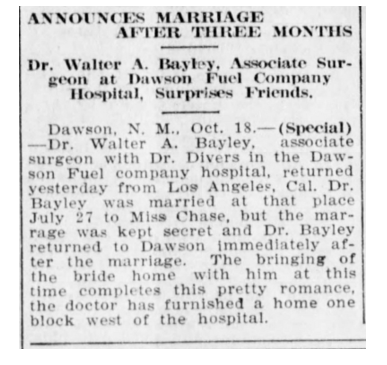
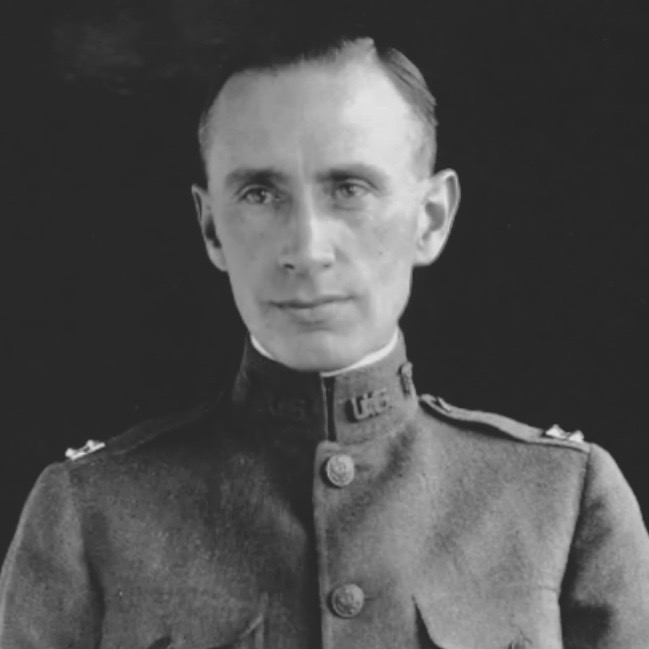
In 1918 he enlisted in the United Sates Marine Corps during WWI and was discharged honorably in 1919.
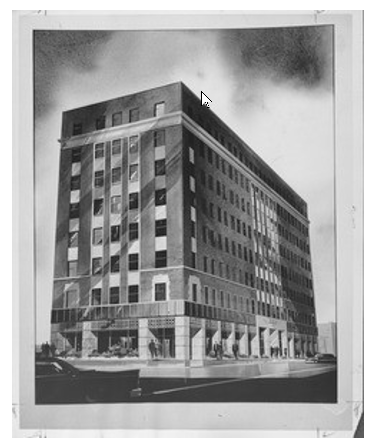
He opened a private practice located at 1052 West 6th Street, Los Angeles, where he specialized in performing surgery on women as well as treatment.
In October 1946 he and Ruth separated and in December 1947 they divorced.
Before his death, Walter changed his will in which he disinherited Ruth and made Dr. Alexandra Partyka, his mistress of five years, sole beneficiary.
In 1948 Walter died at the age of 67, cause of death was listed as encephalomalacia. Encephalomalacia is a serious condition that affects the brain and can have long-lasting effects on adults. It is a type of cerebral atrophy, which is the degeneration or shrinkage of brain tissue.
There are several potential causes of encephalomalacia in adults, including:
1. Traumatic brain injury: A severe blow or impact to the head can cause damage to the brain tissue, leading to encephalomalacia.
2. Stroke: A stroke occurs when there is a disruption of blood flow to the brain, causing damage to brain cells and potentially leading to encephalomalacia.
3. Infections: Certain infections, such as meningitis or encephalitis, can cause inflammation in the brain that may result in encephalomalacia.
4. Brain tumors: Tumors in the brain can cause pressure and damage to surrounding tissues, leading to encephalomalacia.
5. Vascular disorders: Conditions like cerebral aneurysms or arteriovenous malformations can cause abnormal blood flow in the brain, leading to tissue damage and encephalomalacia.
6. Neurodegenerative diseases: Conditions like Alzheimer’s disease or Parkinson’s disease can cause progressive damage to brain tissue and increase the risk of developing encephalomalacia.
Symptoms include:
– Headaches
– Memory loss
– Difficulty concentrating
– Problems with speech and language
– Changes in behavior or mood
– Muscle weakness or paralysis
– Loss of sensation in certain parts of the body
– Seizures
These symptoms can range from mild to severe and may progressively worsen over time if the condition is left untreated.
After Walter’s death, Ruth filed a lawsuit contesting the will, she stated that her husband was forced to change his will on the basis that Alexandra threatened to reveal secrets about his medical practice that would expose and ruin Walter’s reputation if he didn’t.
Well, kid, sometimes a clue just pops up when you’re not looking for it. I wasn’t digging for fireworks; I was looking at public records, the same dusty stuff every other armchair detective skips late at night. Then something slapped me in the face, one of the witnesses on Virginia Short’s marriage license had an address a block from Norton Avenue. The wedding wasn’t in a church hall or a hotel; it was in the witness’s home. The house. The street. The proximity. I got up, walked the block and felt the hair on my neck stand up. Sometimes the file writes itself and sometimes the killer was closer than anyone thought. In my gut I feel it was him that killed Elizabeth, take a look at this will ya.
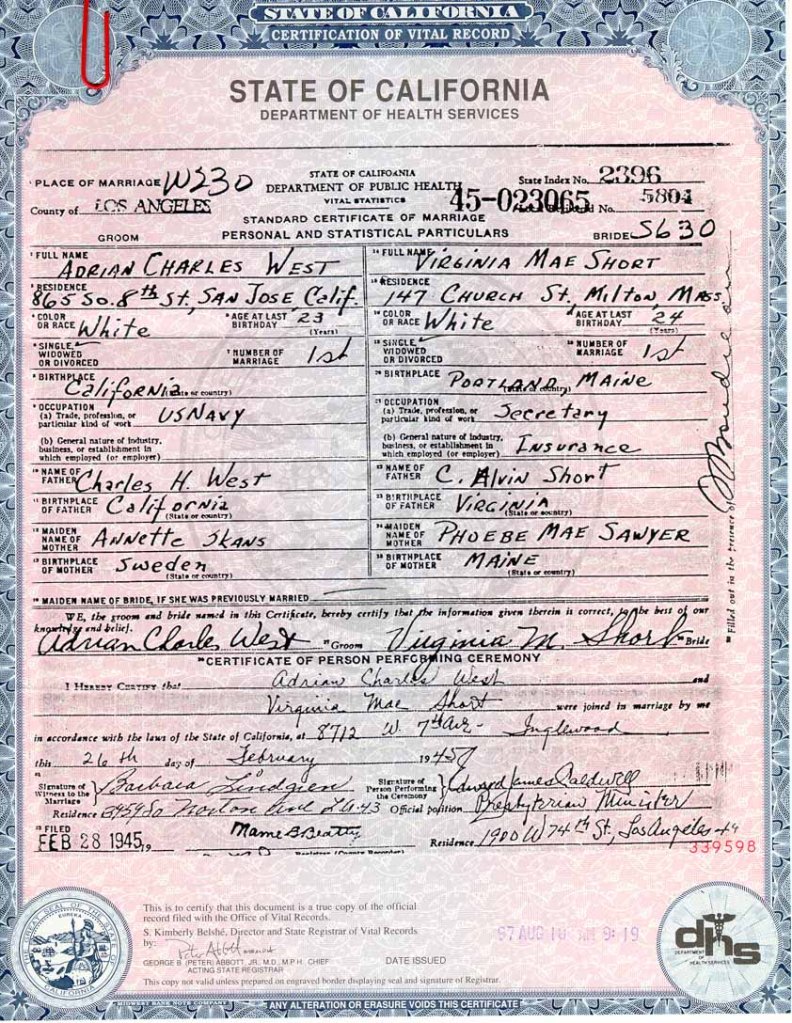
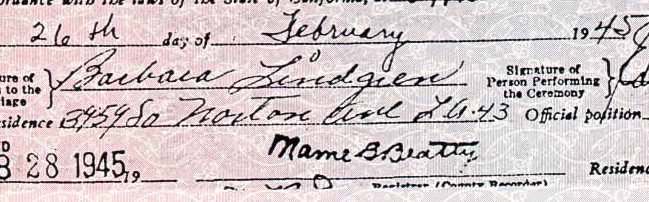
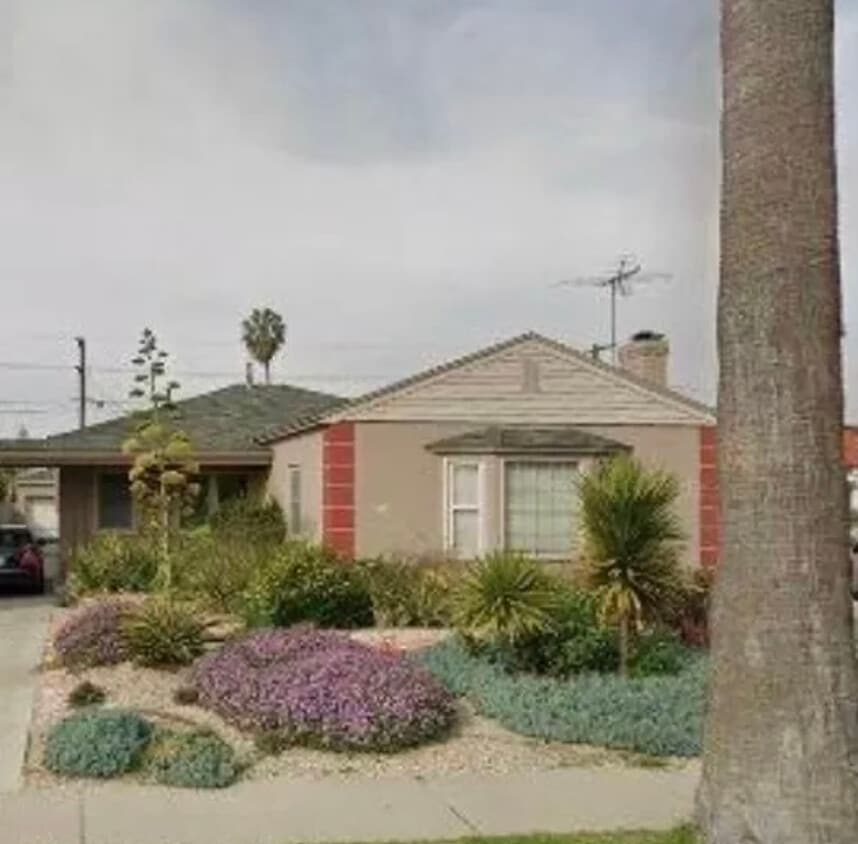
That’s Virginia Short’s marriage license, the witness, Barbara Lindgren, she is the adopted daughter of Walter and Ruth Bayley. The address where Virginia got married was the home of Barbara, where Walter and Ruth once lived. Barbara was also Virginia’s matron of honor.
A.C. West, Virginia’s husband attended the same church that Walter, Ruth and Barbara attended.
The house was located one to two blocks from the dump site.
The house where Betty Besinger made the call to police.
Now I don’t know about you kid but that’s way to many connections and my gut is telling me he is the most likely suspect for these reasons.
- He was a surgeon.
- He owned his own private clinic in which he treated women and performed surgery on women.
- He knew the area, having once lived in the home a few blocks from where Beth Short’s body was dumped.
- He had some stressors in his life and maybe those set him off, the loss of his kid and a divorce.
- Elizabeth’s body was dumped on January 15th, two days after what would have been Walter Prescott Bayley’s birthday.
- Elizabeth could have been treated at his clinic.
- He was also starting to decline mentally, with some possible mood changes.
- Attended the same church as Virginia’s husband.
John Douglas from the FBI Behavioral Science Unit wrote a profile on the killer.
White male no younger than late 20s and possibly older, with a high school education, lived alone, made his living working with his hands rather than his brains, was adept with a knife and was comfortable wallowing in blood for example a butcher, a slaughterhouse worker, or a hunter who knew how to dress out a deer.
The killer was familiar with prostitutes. He was rigid, patient, compulsive and deliberate. He drank alcohol and when he was drunk he became argumentative, he probably had a police record for either threatening or assaulting someone with a knife. The killer was under a great personal and finical stress, like one of the Southland butchers taking part in the six-week strike that lasted all through Christmas and New Year.
He and Short spent several days together, He had been drinking, maybe he had a physical handicap or stuttered and Short made fun of it, but she rejected him. The mixture of personal stress, alcohol and rejection exploded into murderous rage, cutting the body in half was simply to make transportation easier, that level of multination reflects a personal rage directed at Short. He was dehumanizing her and defeminizing her and then he cuts that smile into her face as if to say “You bitch, look who has the last laugh now. The killer dumped her where he did because he waned to put the fear of God into that neighborhood under the influence of alcohol, he is drawn like a magnet to that area.
He must have had some connection to the neighborhood. The killer might have suffered a financial setback when housing construction was halted during the war. Maybe he used to play baseball there or worked in a building that was torn down to make way for housing. When he sobered up after the killing he would have begun worrying that he had left his fingerprints somewhere or that someone had seen his car or remembered his license plate number., neighbors would have noticed that he washed the inside of his car as well as the outside.
He would have suspended his other interests like sports, for his preoccupation with the case, reading all the newspaper accounts and switching radio stations from newscast to newscast for the latest coverage. He might have even gone to the neighborhood bars or cafes and been vocal in his criticism of the police investigation. Perhaps he approached the police with false information, saying he had seen something suspicious, trying to gauge their progress. The fact he mailed Short’s belongings to the newspaper instead of police shows that he wasn’t seeking to taunt police, he liked the publicity.
The killer would have kept a souvenir, although it could have been nothing more than a lock of hair. He may have visited the crime scene or Short’s grave, not out of remorse but to roll in the dirt symbolically. The killer took himself out of circulation by going on a binge of self-destruction committing himself to a mental institution or committing other types of crimes so he would be sent to prison or maybe he just drifted off arrogantly secure in the knowledge he could never be found.
FADE TO BLACK:
By the spring of 1947, the Dahlia case was running on fumes. The tips slowed, the headlines moved on to other bodies, other scandals. Detectives were reassigned, and the file that once had the whole city’s attention started to gather dust on a shelf. It never closed, not officially, but the heat was gone.
Los Angeles didn’t stop for Beth Short. The city never does. But something about this case never let go. Ask anyone who’s walked Norton Avenue on a foggy morning, they’ll tell you they can still feel it. The murder turned Elizabeth Short into a legend, the Black Dahlia, frozen in time. The case became part of Los Angeles itself, whispered in bars, splashed in paperbacks, turned into movies. And still, after all these years, no one has been able to say for certain who killed her.
Maybe the killer’s name is in the file. Maybe it never was. Maybe it was someone we’ve never even heard of. That’s the thing about this town, some mysteries don’t get solved. They just sit there, waiting for the next detective to come along and open the file again.
They never found the guy, kid, not for sure. Maybe they never will. But in the end, Beth left the city a legacy bigger than the man who cut her down. She changed the law. California built the first sex offender registry because of her. That’s not justice, maybe but it’s something. And sometimes in this town, something is all you get.
Years later, I walked that stretch of Norton Avenue myself. The lot is filled now, houses standing where the grass once held a body. The morning was quiet, just the hum of traffic in the distance. I stood there for a while, thinking about Beth, about the girl who came west chasing a dream and became the Black Dahlia instead. Los Angeles has a way of covering its scars, but if you stand there long enough, you can still feel it. The case is cold, the city has moved on, but Beth Short’s shadow is still here, waiting for someone to finally tell her story right.
Well, kid, that’s it. Time to put the case file on the shelf, at least for now. Get some rest, you earned it, this one was a long haul. I’ve got another case that needs digging into, so I’ll see ya next time.
Oh and kid? Close the door on the way out.


 Crimes and Catastrophe
Leave a comment