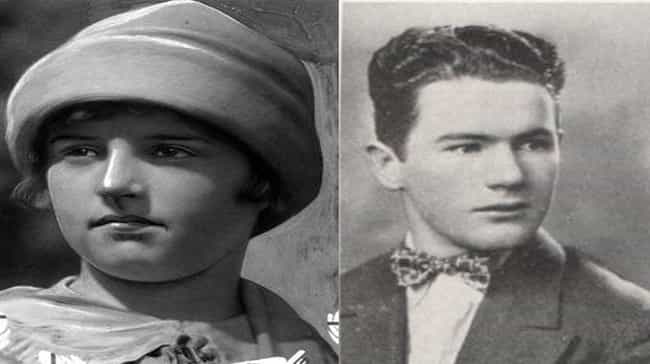
Los Angeles glittered in December 1927. Shop windows spilled golden light onto crowded sidewalks, streetcars clanged through the chill air, and the whole city dressed itself in Christmas cheer. But the holiday glow was only a thin veneer. In the shadows a predator moved with quiet calculation. His name was Willam Edward Hickman, though soon, he would be known by another name: “The Fox”.
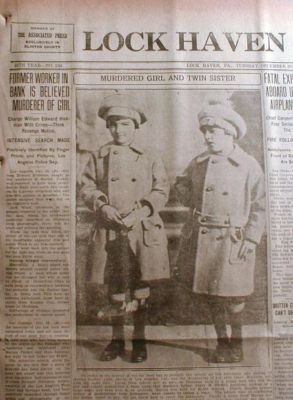
At the center of his scheme was a schoolgirl, Marion Parker. Twelve-years-old, with dark hair, a quick smile and her whole life waiting ahead of her.
On an ordinary school day, while she and her twin sister enjoyed their classroom Christmas party, Marion stepped out of her classroom. By the time the sun set, Los Angeles was no longer the city of tinsel and promise. It was a city holding its breath, waiting for ransom notes and praying for the safe return of a little girl who would never come home.
The Last Winter Of Innocence:
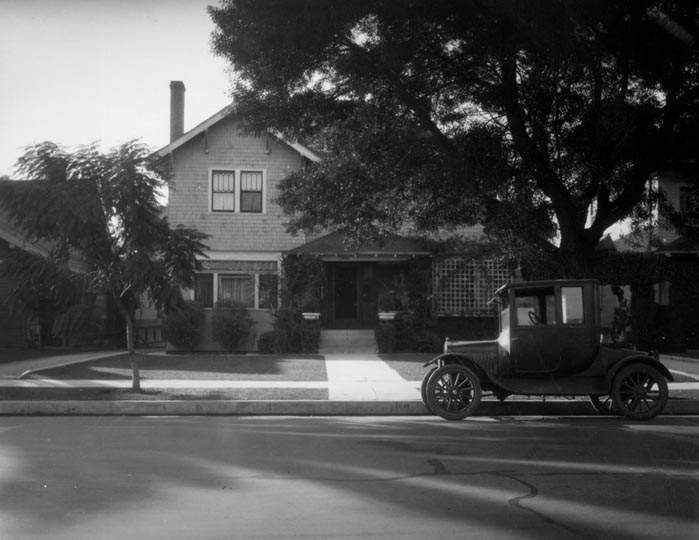
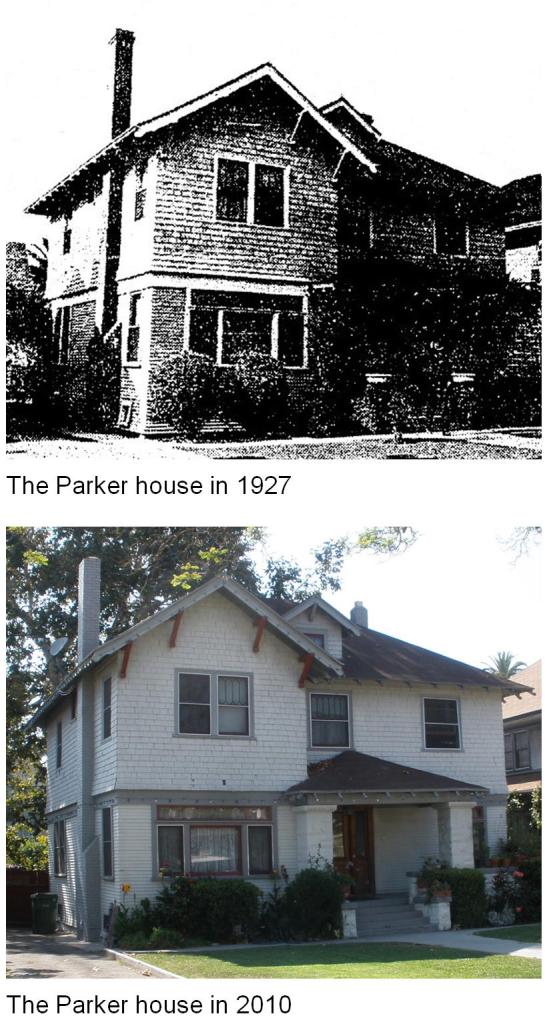
Frances Marion Parker and her twin sister Marjorie Helen were born on October 11, 1915 in Los Angeles, California to Perry Marion Parker, a prominent banker, and Geraldine Howard Heisel. Marion and Marjorie were the younger sisters of Perry Willard “Bill” Parker. The family lived at 1631 South Wilton Place, a distinguished neighborhood in its day.
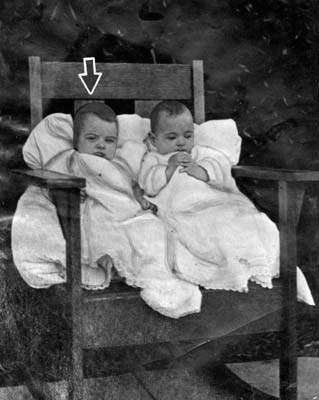
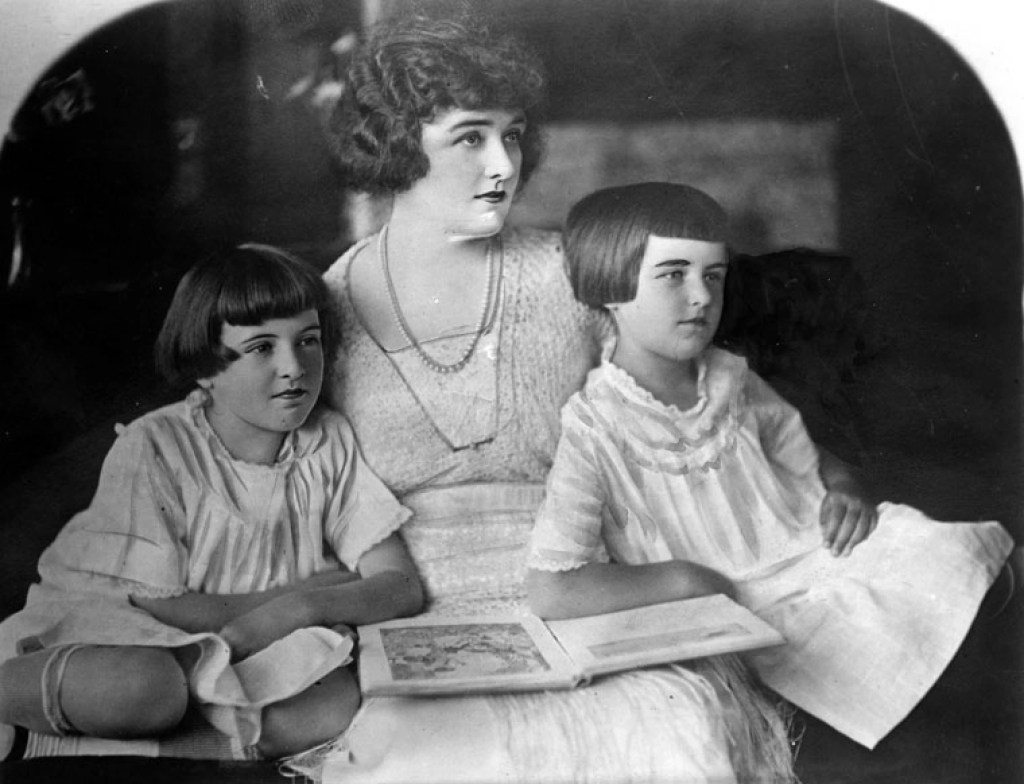
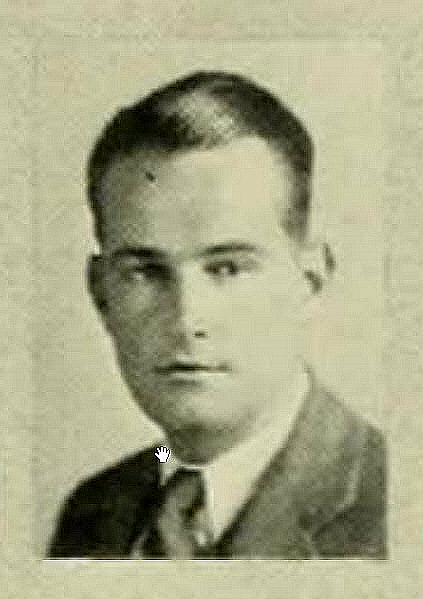
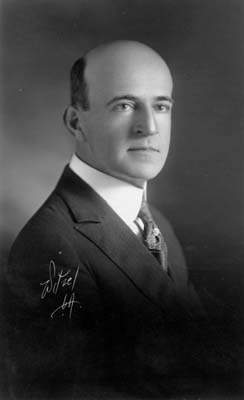
Marion and Marjorie attended Mount Vernon Junior High School. Marion was remembered as cheerful and trusting, as well as bright. Her father described her as a tomboy who liked to climb trees and play rough. The twins were identical in looks but carried differences in temperament.
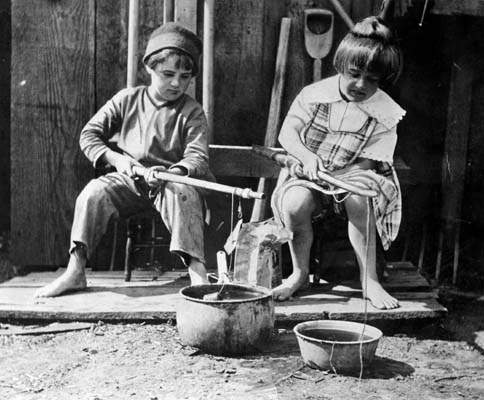
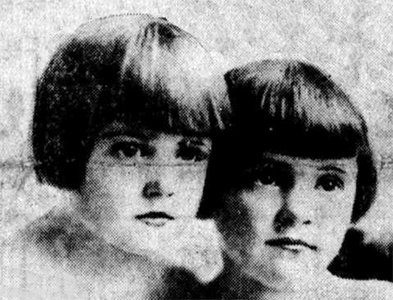
Their father, Perry Parker, was well known in banking circles through his work at the First National Bank. His position afforded the family comfort, privilege, and a place in the city’s social world. The children were given every opportunity their father could provide, a lifestyle that tragically made them a target.
Into their world of school days, family dinners, and quiet domestic routines, stepped William Edward Hickman. A cunning young man with a taste for cruelty and theatrics, who would turn the Parkers holiday season into a nightmare.
The Fox:
Willam Edward Hickman was born on February 1, 1908 in Hartford, Arkansas, to William Thomas Hickman and Eva Margaret Buck Hickman. William Edward was one of five children in a family that knew hardship early.
When Hickman was only four years old, his mother, suffering from melancholia, attempted suicide by swallowing poison. She survived, but the shadows in her mind lingered. On July 2, 1913 she was admitted to a mental hospital where she stayed for two months.
Durning this time, William Sr. abandoned his family and ran off with a neighbor’s wife. He resurfaced in New Mexico under a slightly altered name, dropping Hickman and calling himself William Thomas.
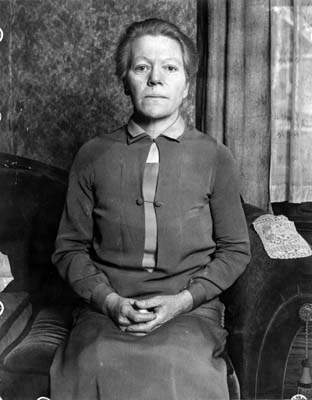
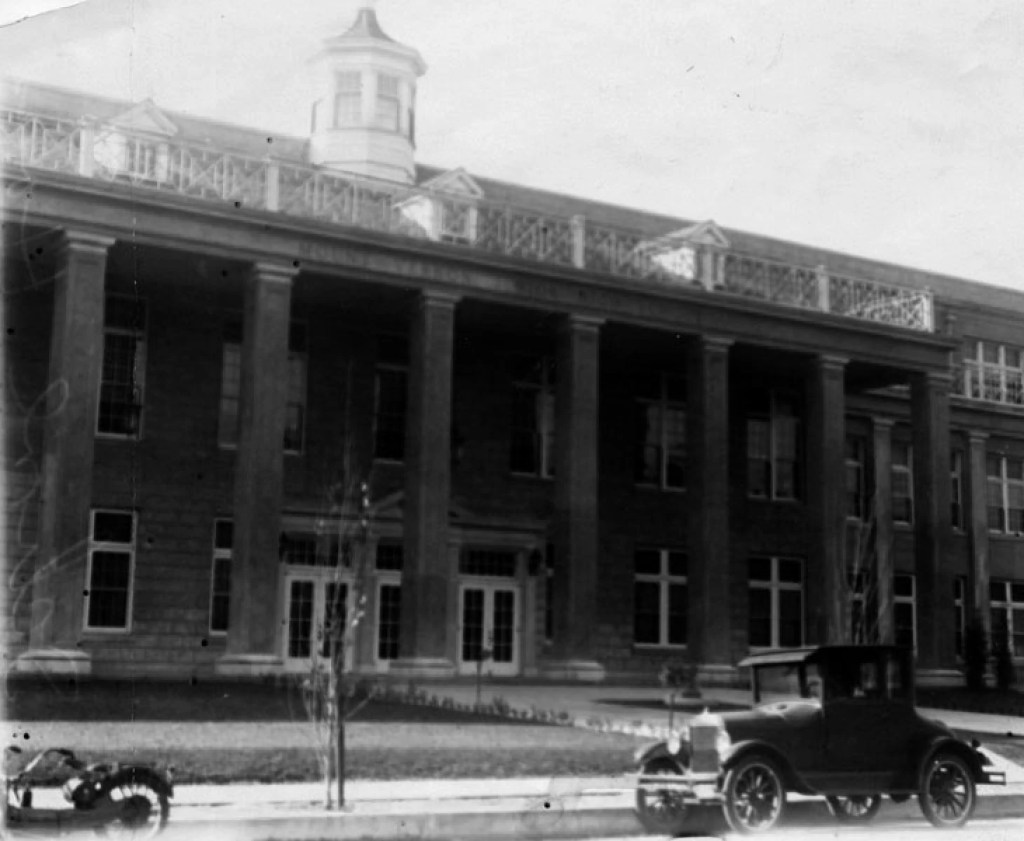
Eva and the children were left behind in poverty. The family soon moved to Kansas City, Missouri. There young William Hickman began committing small crimes, such as stealing candy. Despite the instability at home he excelled in school. At Central High he was everywhere, Vice President of the senior class, president of the Central Webster Club, president of the National Honor Society, active in debate, student council, the yearbook and newspaper, even president of the Central Classics club. He was voted “best boy orator” and won second place in a statewide speech contest.
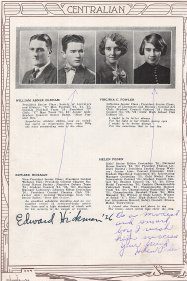
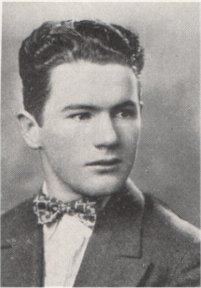
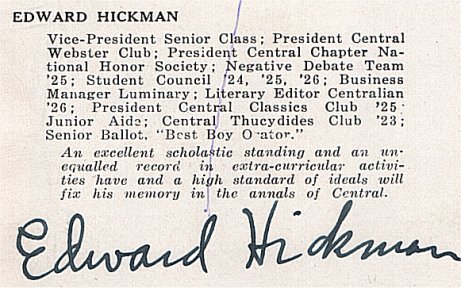
His classmates remembered him as ambitious, charismatic, and theatrical. The gossip column of the school paper mentioned him more than once.
“How many noticed Ed’s marcel Wednesday? We are wondering if it was the weather or the work of a female hand?”
Another read:
“Ed Hickman provides plenty of entertainment for the young sophomores in fourth hour library-imitating Greek gods”
On the surface, Hickman was polished and popular. But beneath the surface of the boy who quoted Greek myths, the cracks in the foundation were already spreading.
In 1926, Hickman and his friend, fifteen-year-old Welby Hunt, left Kansas City behind and moved to Los Angeles to live with Hunt’s grandparents. The two boys didn’t come west looking for sunshine or movie dreams, they came hungry for fast money. Petty thefts soon escalated into armed robberies and before long, bloodshed.
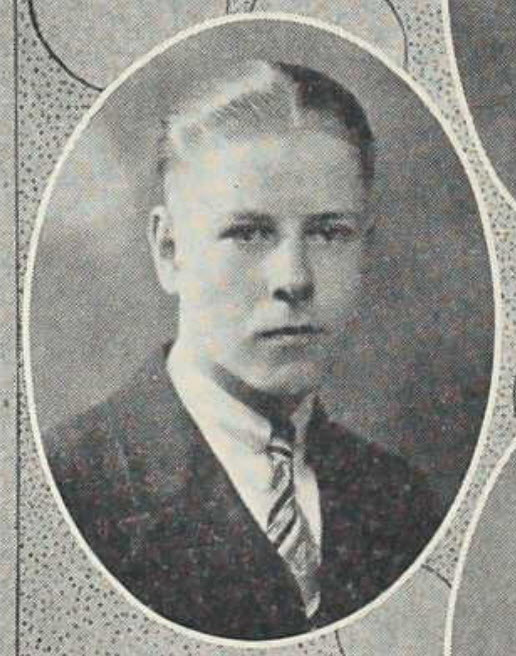
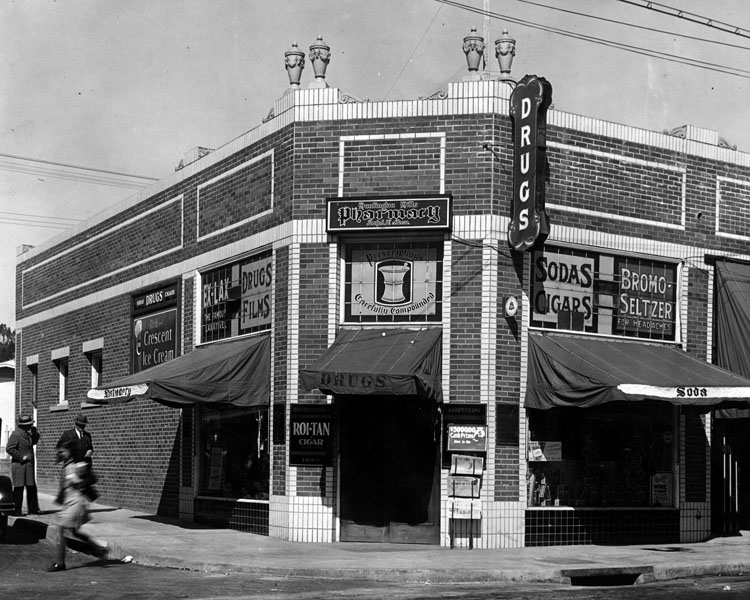
On Christmas Eve, 1926. Hickman, 18 and Hunt 15, walked into the Rose Hill Pharmacy located at 4543 Huntington Drive, with guns in hand and robbery on their minds. Inside, pharmacist Clarence Ivy Toms and his wife, Ruth, were in the store. The boys barked out orders told them to put their hands up. The robbery was interrupted by an officer walking through the door, Officer J.W. Oliver saw the stick up in progress and shouted at them to freeze.
What followed was a burst of gunfire. Hickman and Hunt pulled their triggers first. Clarence Toms took a bullet to the chest and collapsed. Officer Oliver was hit in the hand. He fired back but missed. By the time the smoke cleared, Hickman and Hunt had vanished into the night. Clarence Toms, only twenty-four years old lay dead on the floor.
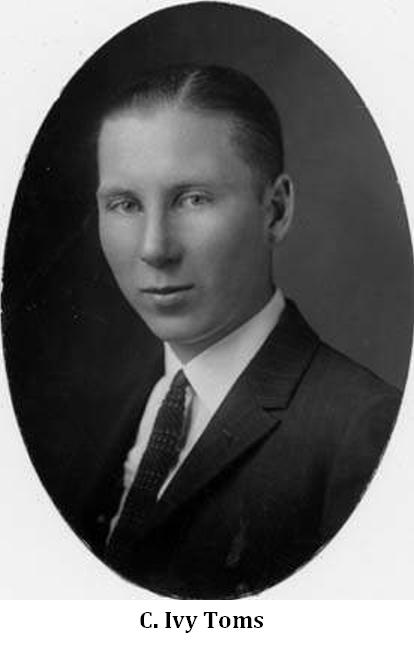
The boys hid out in the home of Hickman’s mother , who had followed Hickman to Los Angeles and settled in a home not far from Rose Hill Pharmacy.
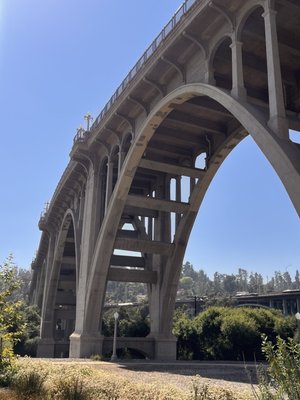
In 1927, Hickman got a job working at the First National Bank, the bank where Marion Parker’s father, Perry worked. Soon the boys would be suspect in another murder. On May 24,1927, Abner Robert Driskell, Welby Hunt’s grandfather, withdrew a large sum of money from the bank. The next day on May 25th, Driskell was found dead beneath the Colorado Street Bridge in Pasadena, California, around his body lay five suicide notes, each one written by two different people. The money was gone.
Whether Driskell took his own life or Hickman and Hunt murdered him, no one could say for certain. But suspicion lingered and the missing money drew a thin dangerous line between Hickman, Perry Parker and the tragedies that were still to come.
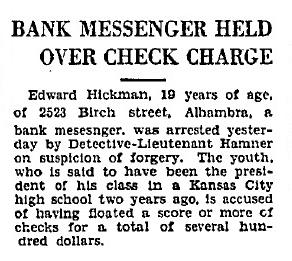
Hickman’s job at First National Bank wouldn’t last long. He was caught stealing $400 worth of checks and forging them. Perry Parker discovered the theft, fired Hickman on the spot and turned him over to the police. Hickman was sentenced to six months in jail.
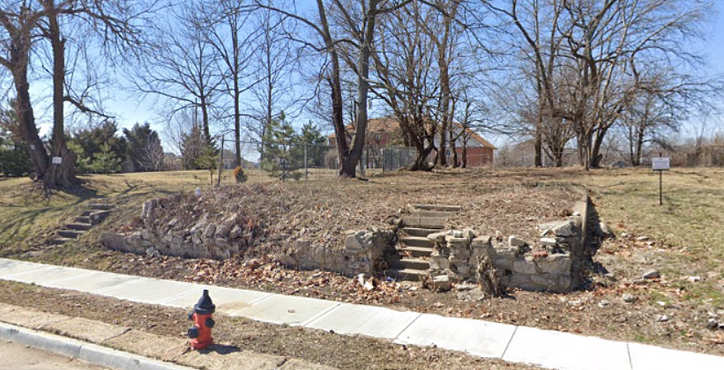
When Hickman served his time, he drifted back to what he knew, small hold-ups and quick money schemes. But in his mind, those petty crimes weren’t enough. He needed a big score, something that would bring him a lot of cash and notoriety. His thoughts circled him back to Perry Parker, the man he blamed for his downfall.
Hickman knew Parker had a daughter, he had seen her come into the bank to visit her father and the two would have lunch together. By November 1927 the pieces began to slide into place, the boy who once imitated Greek gods in the library had drawn up a new role for himself. He had a plan, one that made him clever as a fox and he would sign it with a name of his own choosing: The Fox.
The Fox’s Revenge:
First he needed a car. Hickman went back to Kansas City, Missouri, where he stole one, swapped the license plates and drove it West to Los Angeles. There, he took a room under a new name, Donald Evans, at the Bellevue Arms Apartments, 1170 Bellevue Avenue Apartment 315. The building, now known as the Brownstone Lofts, was just another shadowed corner of the city.
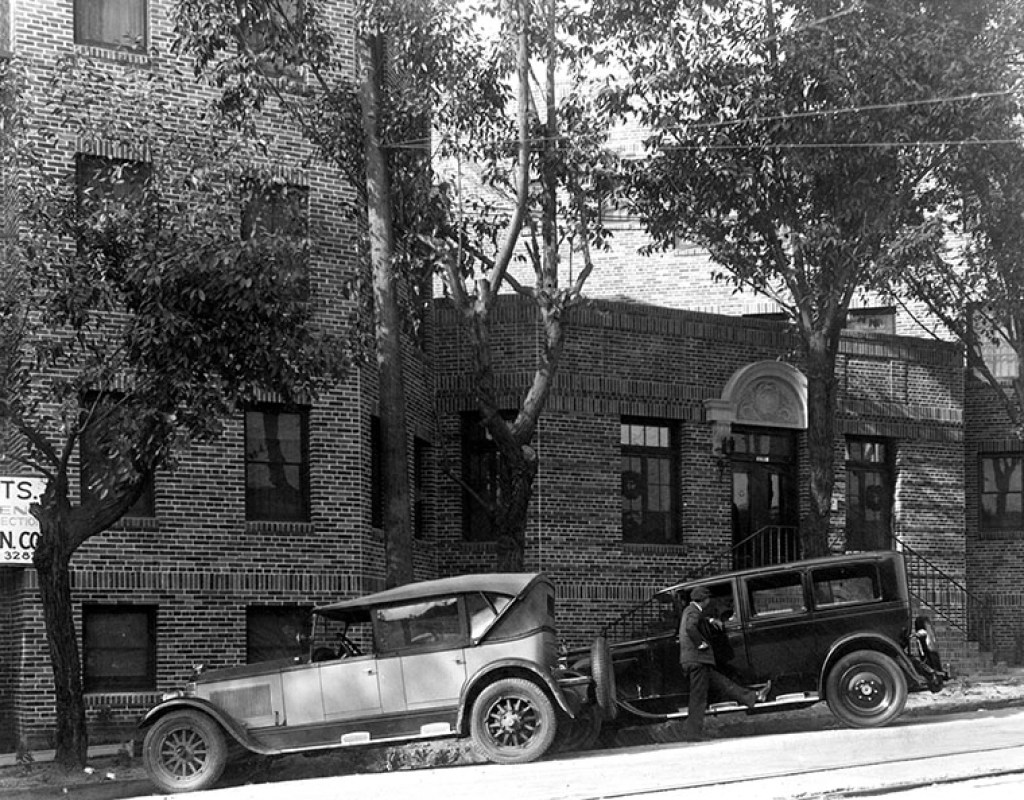
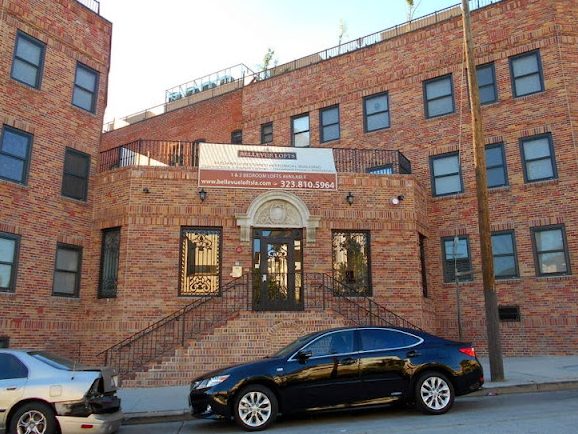
On Thursday, December 15, 1927, Hickman walked into the office at Mount Vernon Junior High School. Mary Holt, the school registrar, looked up from her desk to find a well dressed young man standing before her, he was polite, handsome, even charming. He introduced himself as Mr. Cooper, an employee of Perry Parker at the bank. Perry, he told her, had been in an automobile accident and was calling for his daughter and he asked him to pick her up. Mary hesitated for a moment and looked at the clock, it was 12:30 p.m., she called down to the classroom, where Marion and Marjorie were enjoying the class Christmas party.
She explained that someone was there to pick up the Parker girl and could she please come to the office. Their teacher, Naomi Britten, asked Mary “Which one?” Holt turned back to Mr. Cooper. “Which Parker girl?” For a moment Hickman faltered. Then steadying himself, he said “The younger one. You can call the bank if you want to.” Mary declined and told Ms. Bitten to send Marion.
Excitedly, Marion walked to the office. She didn’t know this Mr. Cooper, but he said he worked with her father and he spoke with such confidence, and if her father was hurt, he would send someone to get her and Marjorie. Trusting and reassured by the familiar connection to her father’s bank, Marion went with him willingly.
Together, Mr. Copper and Marion Parker walked out of Mount Vernon Junior High School and vanished into the city.
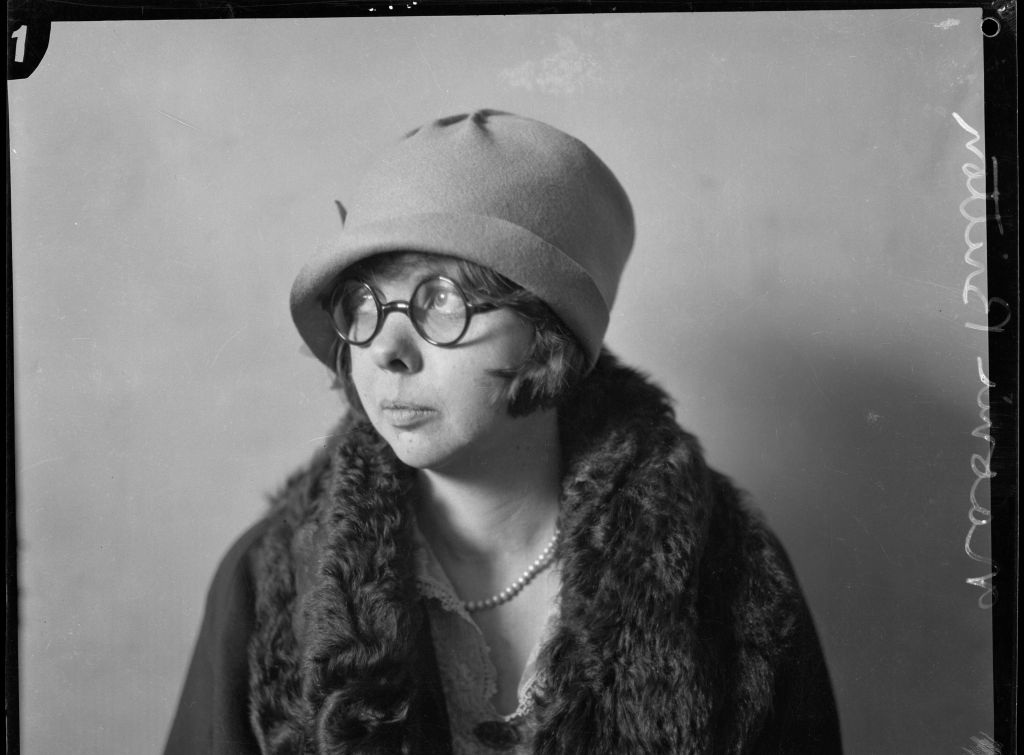
When school let out, Marjorie Parker walked home alone. She stepped through the front door and her mother noticed that Marion wasn’t with her. “Where’s your sister?” Mrs. Parker asked. Majorie explained that Marion had been called out of class.
At first Geraldine tried to reason it away. Maybe Marion got sick and was waiting for Perry to pick her up, perhaps she was helping in the office, maybe she was walking home with a friend and would be walking through the door any moment. Still unease gnawed at her as the afternoon shadows lengthened.
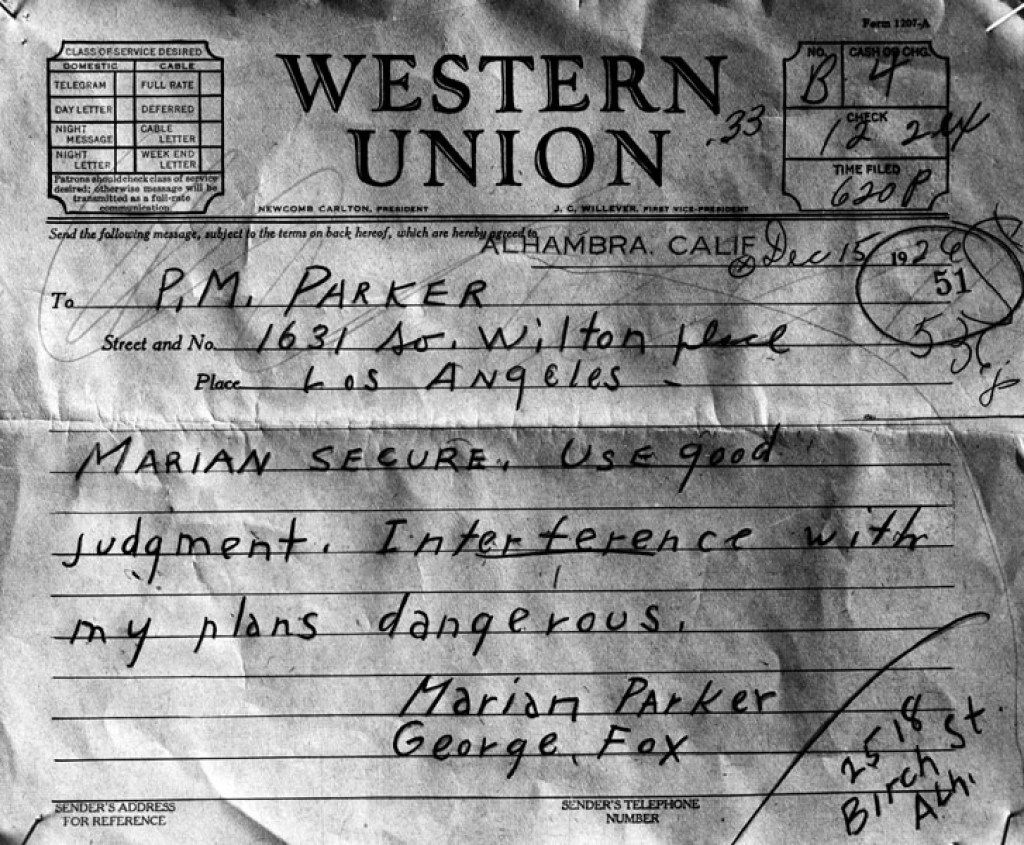
By early evening worry had curdled into fear. At 6:20 p.m, a telegram arrived addressed to P.M Parker. Geraldine sat it aside, waiting for her husband to come home. When Perry Parker arrived home, Geraldine told him that Marion was missing. She then handed him the telegram. He opened it and the words were chilling:
‘Do positively nothing till you receive special delivery letter.’ Marian Parker.
Soon after another telegram arrived this one read:
I Want To Come Home Tonight:
The Parkers waited all night for word. Geraldine prayed, and Perry paced. Every creak of the house seemed louder than usual, every tick of the clock an accusation. Morning brought no relief.
The morning of December 16th, a special delivery letter arrived. It was blunt, cold, and signed with a new name.
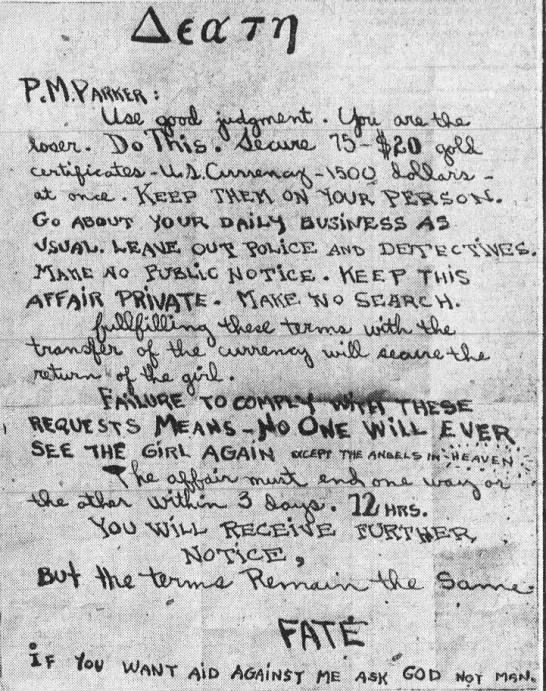
Enclosed was another letter:
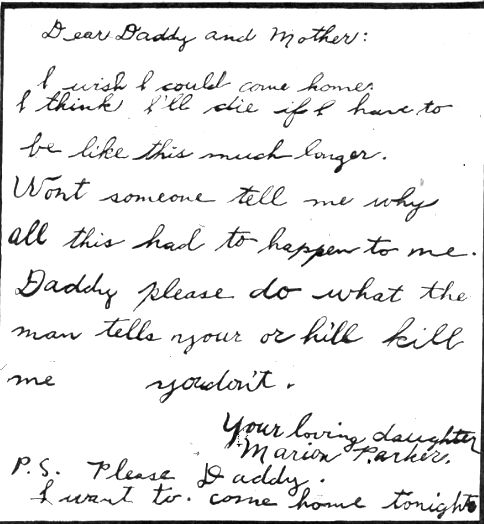
Perry Parker wanted no more than to pay the ransom. He knew the note said not to call the police, but his little girl had been kidnapped. What could he do? If he called the cops the kidnapper may kill Marion, if he didn’t call the cops, they may never get her back and she may be killed anyway. He had to take that risk. He phoned the police. When officers arrived and took Perry’s statement, they told him to wait to see what the kidnapper would do next. “Don’t meet his demands” they warned. “He’s bluffing”
Another telegram arrived:
“Fox is my name, very sly you know, set no traps I’ll watch for them. Get this straight. Remember that life hangs by a thread. I have a Gillette ready and am able to handle the situation. FATE”
Soon after, the phone rang. a voice told Parker to meet him at Tenth Street and Gramercy Place. “Come alone” the voice said “If the police are with you, the girl dies.”
Parker gathered the ransom and drove to the location. Unbeknownst to him, police officers followed. Hickman, circling the neighborhood, in the stolen car, spotted police in the area. He panicked and drove away, Marion in the car next to him. Driving by the Parker home, Hickman spotted police. Parker waited in vain for hours, waiting for the kidnapper to return his daughter so he could bring her home. Defeated he returned home to where another telegram waited:
“Mr. Parker I am ashamed of you! You’ll never know how you disappointed your daughter. She was so eager to know that it would only be a short while before she would be free from my terrible torture, and then you mess the whole damn affair.”
The threats escalated:
“I will be two billion times as cautious and clever, as deadly from now on. You have brought this on yourself and you deserve it and worse. A man who betrays his love for his own daughter is a second Judas Iscariot, Many times more wicked than the worst modern criminal. If you want aid against me. Ask God. Not Man. FOX”
Another letter arrived, shortly after:
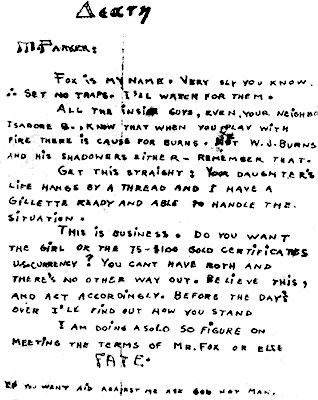
PARKER. FOX IS MY NAME. VERY SLY YOU KNOW. SET NO TRAPS. I’LL WATCH FOR THEM. ALL THE INSIDE GUYS, EVEN YOUR NEIGHBOR ISADORE B. KNOWS THAT WHEN YOU PLAY WITH FIRE THERE IS NO CAUSE FOR BURNS. NOT W.J. BURNS AND HIS SHADOWS EITHER-REMEMBER THAT. GET THIS STRAIGHT YOUR DAUGHTER’S LIFE HANGS BY A THREAD AND I HAVE A GILLETTE READY AND ABLE TO HANDLE THE SITUATION. THIS IS BUSINESS DO YOU WANT THE GIRL, OR THE 75-$100 GOLD CERTIFICATES U.S. CURRENCY? YOU CAN’T HAVE BOTH AND THERE’S NO OTHER WAY OUT. BELIEVE THIS, AND ACT ACCORDINGLY. BEFORE THE DAY’S OVER I’LL FIND OUT HOW YOU STAND. I AM DOING A SOLO SO FIGURE ON MEETING THE TERMS OF MR. FOX OR ELSE. FATE. IF YOU WANT AID AGAINST ME ASK GOD NOT MAN.
Just as soon as that letter was delivered another one arrived:
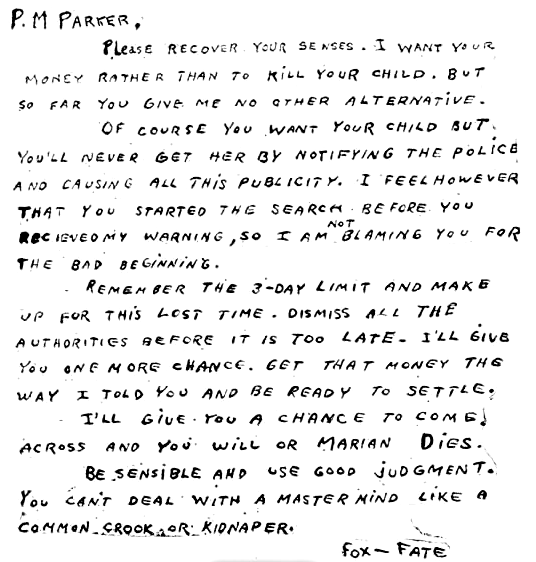
No other letters or calls arrived that night.
December 17th another letter arrived.
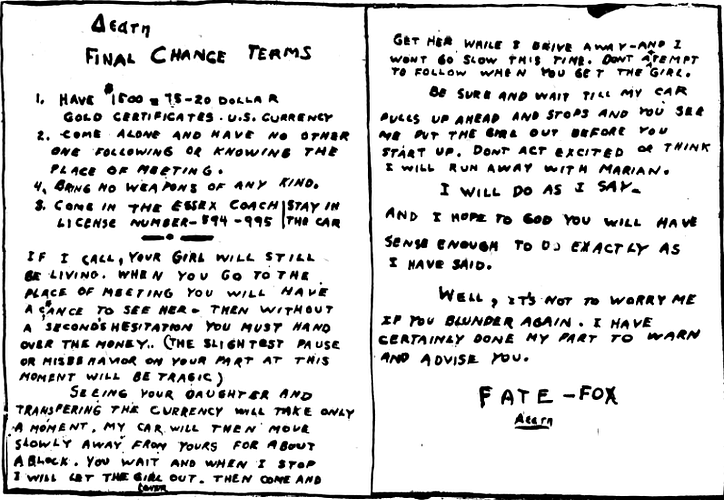
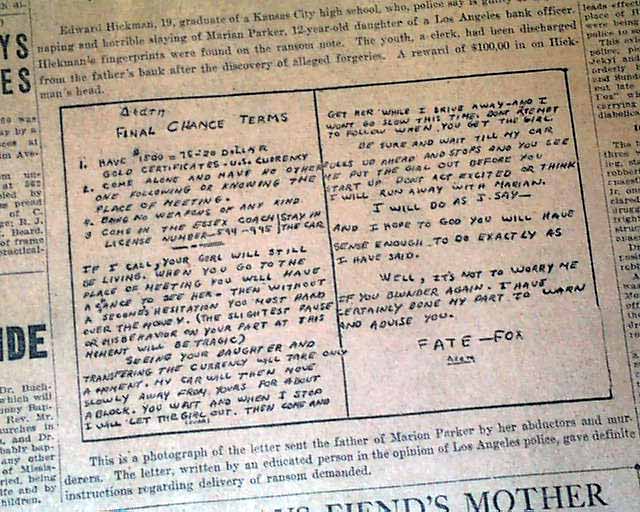
FINAL CHANCE TERMS:
- HAVE $1500=75-20 DOLLAR GOLD CERTIFICATES. U.S. CURRENCY.
- COME ALONE AND HAVE NO OTHER ONE FOLLOWING OR KNOWING THE PLACE OF MEETING.
4. BRING NO WEAPONS OF ANY KIND (note 3. was left out by Hickman. S. Marlowe)
5. COME IN THE ESSEX COACH LICENSE NUMBER 594-945| STAY IN CAR. IF I CALL, YOUR GIRL WILL STILL BE LIVING. WHEN YOU DO GO TO THE PLACE OF MEETING YOU WILL HAVE A CHANCE TO SEE HER. THEN WITHOUT A SECONDS HESITATION YOU MUST HAND OVER THE MONEY (THE SLIGHTEST PAUSE OR MISBEHAVIOR ON YOUR PART AT THIS MOMENT WILL BE TRAGIC) SEEING YOUR DAUGHTER AND TRANSFERRING THE CURRENCY WILL ONLY TAKE A MOMENT. MY CAR WILL THEN MOVE SLOWLY AWAY FROM YOURS FOR ABOUT A BLOCK. YOU WAIT AND WHEN I STOP I WILL LET THE GIRL OUT. THEN COME GET HER WHILE I DRIVE AWAY AND I WON’T GO SLOW THIS TIME. DON’T ATTEMPT TO FOLLOW WHEN YOU GET THE GIRL. BE SURE TO WAIT TIL MY CAR PULLS UP AHEAD AND YOU SEE ME PUT THE GIRL OUT. BEFORE YOU START UP. DON’T ACT EXCITED OR THINK I WILL RUN AWAY WITH MARIAN. I WILL DO AS I SAY. AND I HOPE TO GOD YOU WILL HAVE SENSE ENOUGH TO DO EXACTLY AS I HAVE SAID WELL IT’S NOT TO WORRY ME IF YOU BLUNDER AGAIN. I HAVE CERTAINLY DONE MY PART TO WARN AND ADVISE YOU. FOX”
Enclosed was another letter:
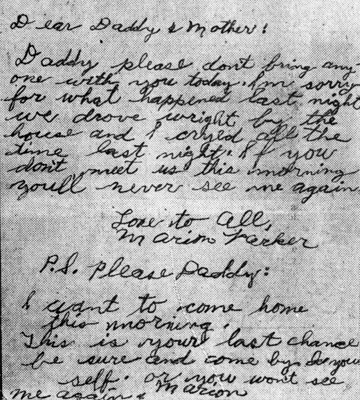
‘Dear Daddy & Mother;
Daddy please don’t bring any one with you today. Im sorry for what happened last night we drove wright by the house and I cryed all the time last night. If you don’t meet us this morning you’ll never see me again.
Love to all, Marion Parker
P.S. Please Daddy:
I want to come home this morning. This is your last chance. be sure and come by yourself or you won’t see me again. Marion (note the misspellings are left in as they are in Marion’s final letter. S. Marlowe.)
The phone rang. It was the kidnapper. He gave Parker one final set of instructions: Meet him at the corner of Fifth Avenue and South Manhattan Street at 7:30 p.m
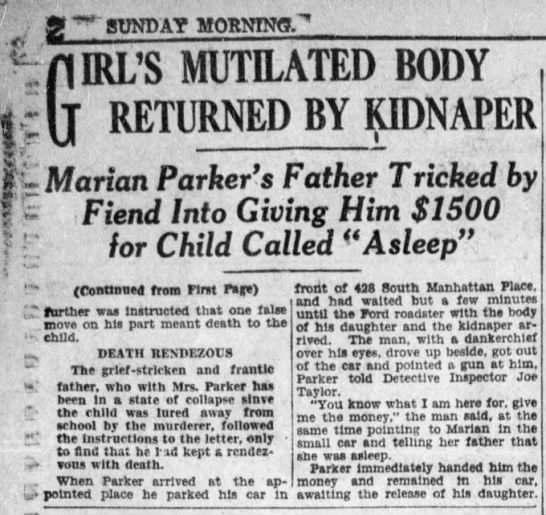
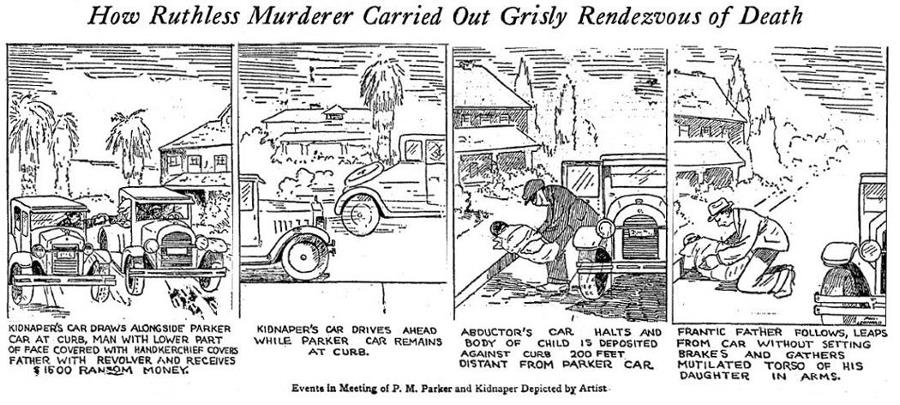
Parker arrived at the meeting point as directed. He sat alone in his car, every minute stretching longer than the last. At 8:15 p.m a dark Ford pulled up beside him. The driver wore a white cloth tied around the lower part of his face and held a shot gun pointed at Parker.
“Do you have the money?” The man asked.
“Where is Marion?” Parker demanded.
The man lifted something in the seat beside him. Parker saw his daughter’s face.
“She’s here.” the man said. “She’s asleep”
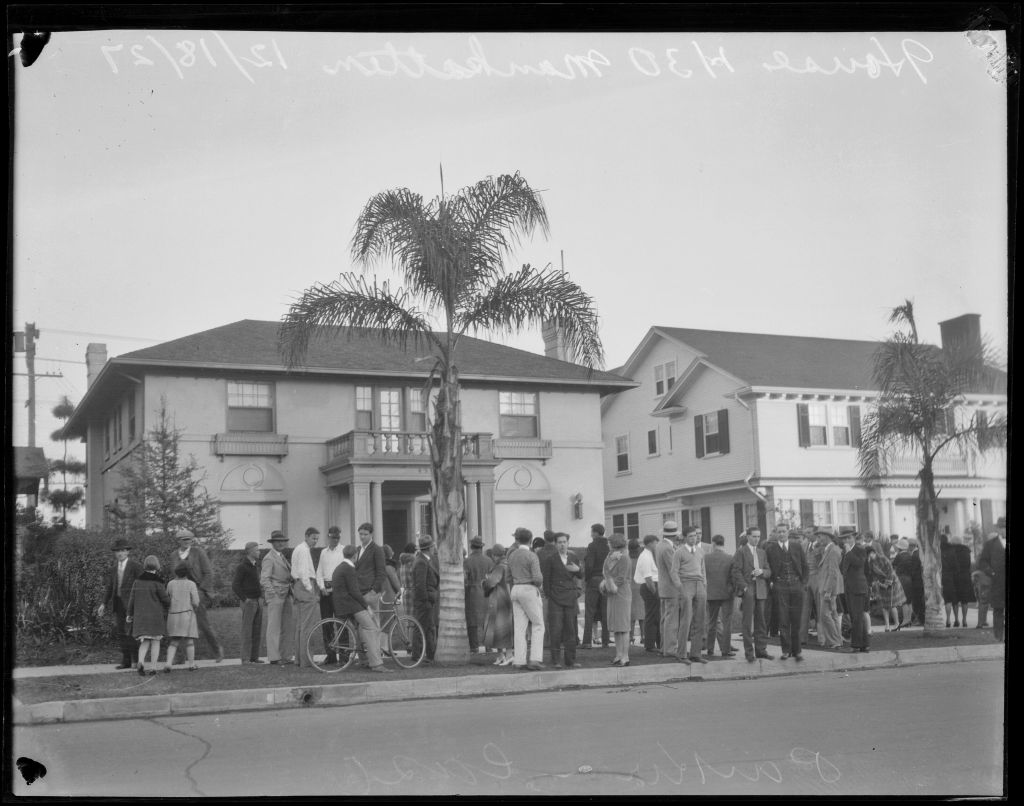
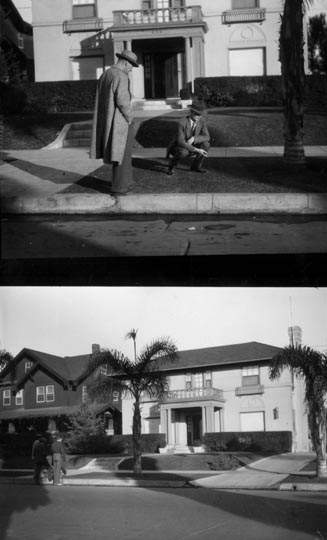
Parker leaned over and handed over the money. The man told him to wait and then drove slowly down the street to 432 Manhattan Place. He opened the passenger door and pushed Marion out onto the ground and sped away.
Parker followed in his car, heart hammering. He stopped the car near where Marion lay and got out.
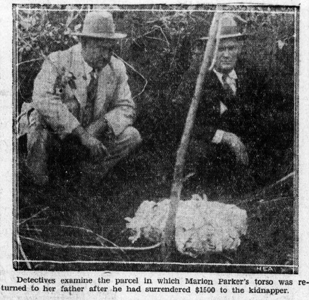
“I followed up to where he had stopped.” Parker would later recall in an interview “Looking for her, I expected she would be lying on the parkway. I could not see anything at all, and then I saw some kind of bundle of trash in the gutter which, upon closer view I saw was my girl. I could see her white face..and I stopped and picked her up…the body was not complete.”
Neighbor’s, hearing Parker’s anguished cry, called the police. When Parker unwrapped the blanket, the full horror was revealed, Marion’s arms and legs had been removed. Piano wire was wrapped around her neck and drawn up her back, looped around her forehead to hold her head upright. Her eyelids had been sewn open with black thread, she had been disemboweled and her torso stuffed with rags and towels. Her throat had been slit, and her back was flayed open as though she had been flogged.
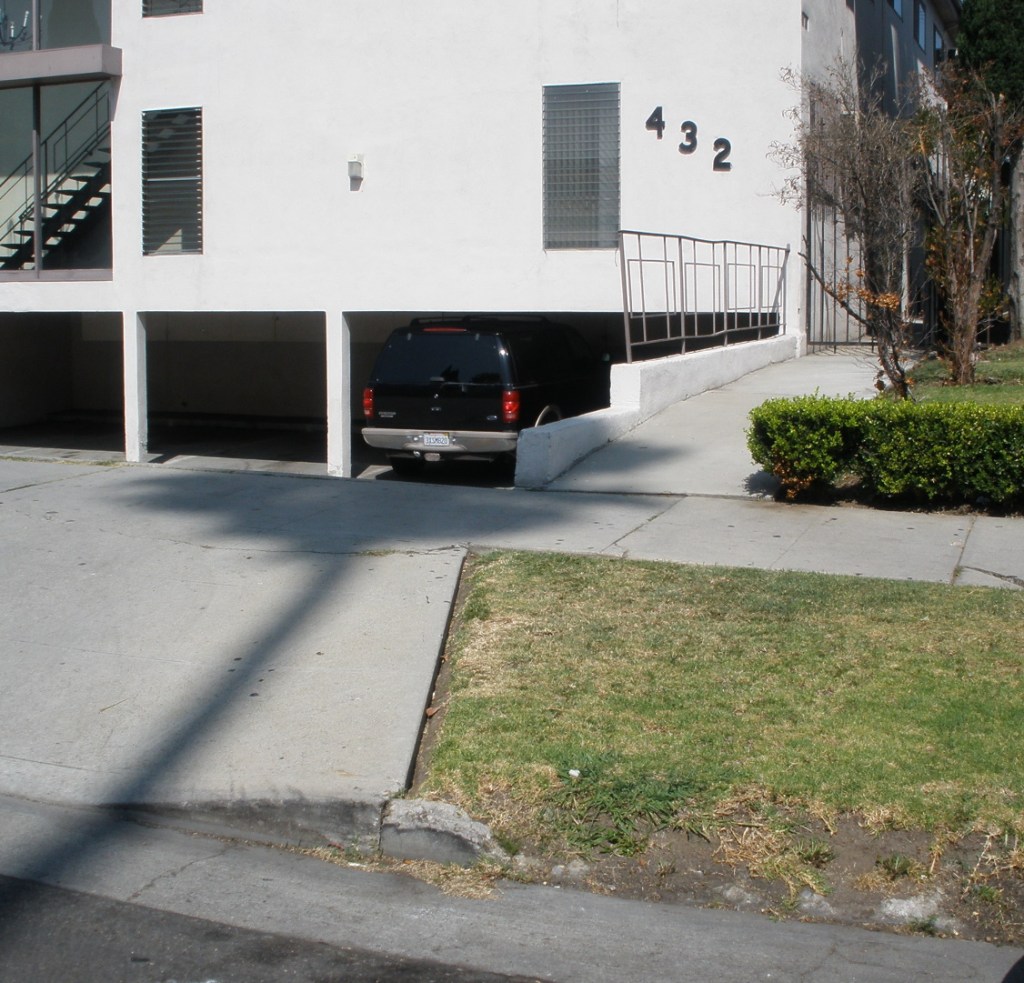
The coroner would later determine that Marion had been dead for approximately twelve hours before her father paid the ransom. There was no sign of sexual assault. The cause of death could not be determined. It may have been blood loss or strangulation. It was also possible that she was still alive during the disembowelment.
It was no longer a kidnapping. It was now a murder case. The most gruesome Los Angeles had ever seen.
Okay kid, before we go any further I gotta warn ya, there’s a picture of that little girl’s body. So if you want to look go ahead, if not, I’ll understand and I’ll stop telling you her tale.
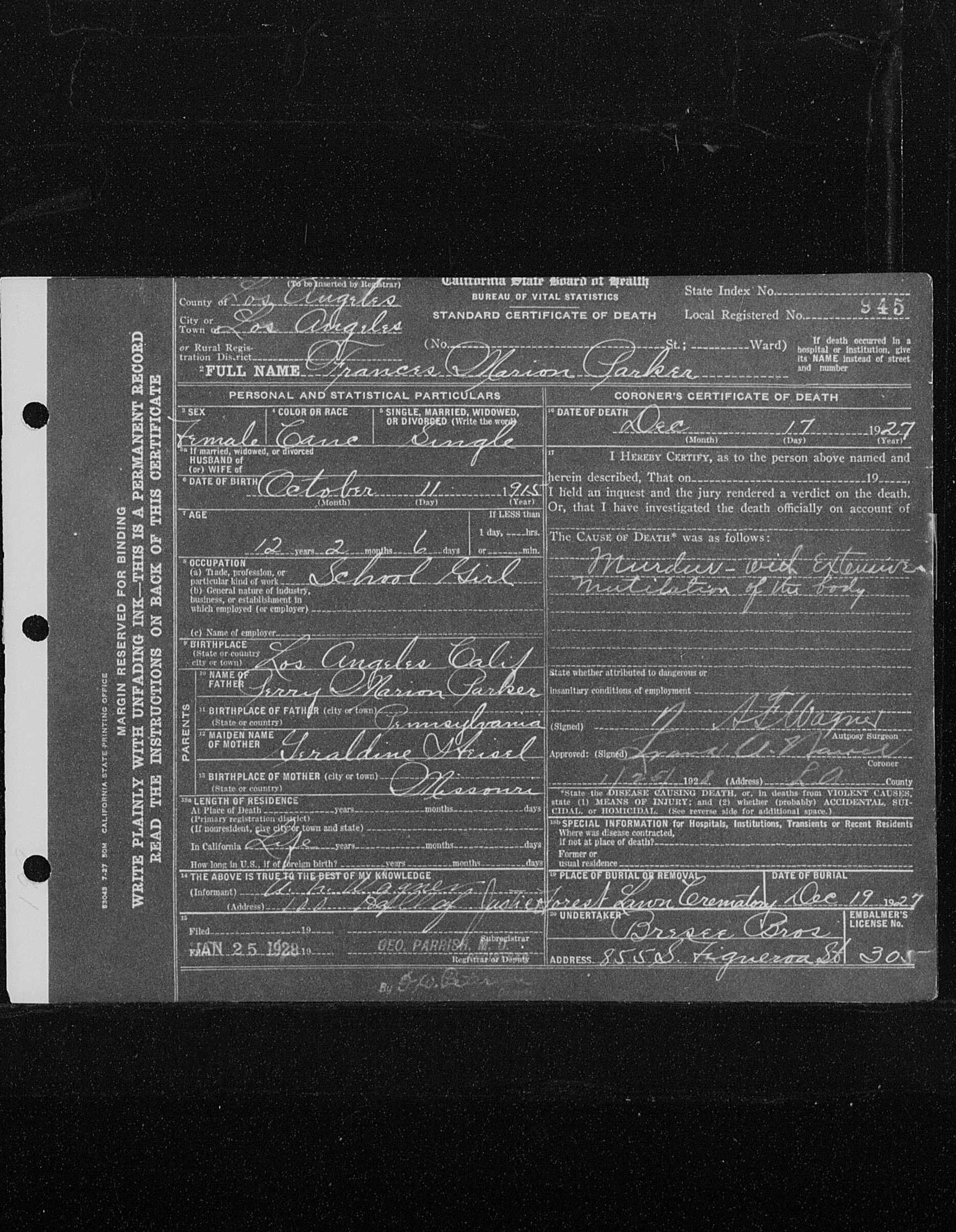
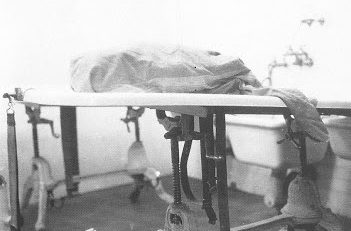
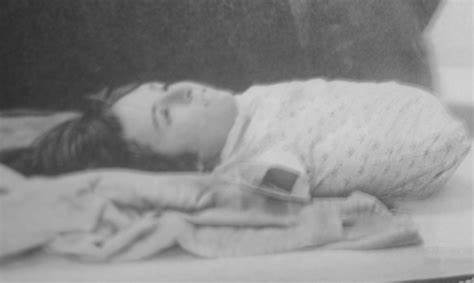
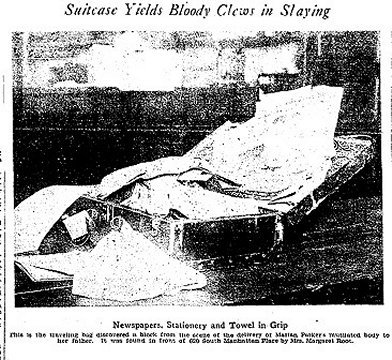
A block away at 620 South Manhattan Place, a suitcase was discovered by someone going for a walk. Inside were blood soaked newspapers and a spool of black thread, the same thread used to sew Marion’s eyes open. Investigators concluded that Marion’s body had been carried in the suitcase before being staged for her father to find.
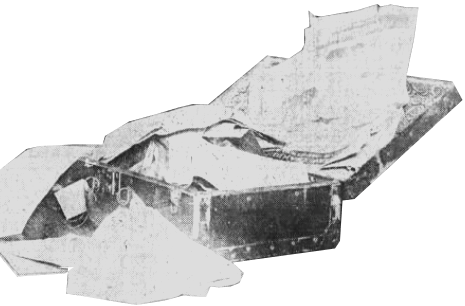
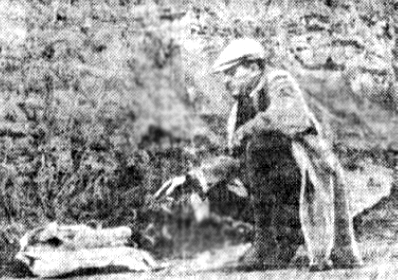
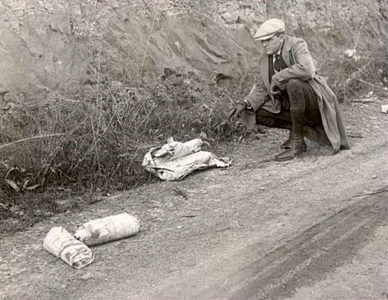
Later that day someone walking through Elysian Park noticed paper wrapped bundles along the roadside, what is now the back road that leads to Dodger Stadium. Inside the bundles were Marion’s arms and legs.
The Hunt For The Fox:
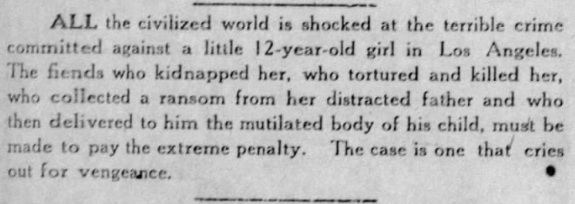
Los Angeles was no longer just frightened, it was furious. The brutal murder of twelve-year-old Marion Parker ignited a wave of public outrage unlike anything the city had ever seen. Newspapers splashed headlines in giant type and Perry Parker’s anguished cry still seemed to hang in the air.
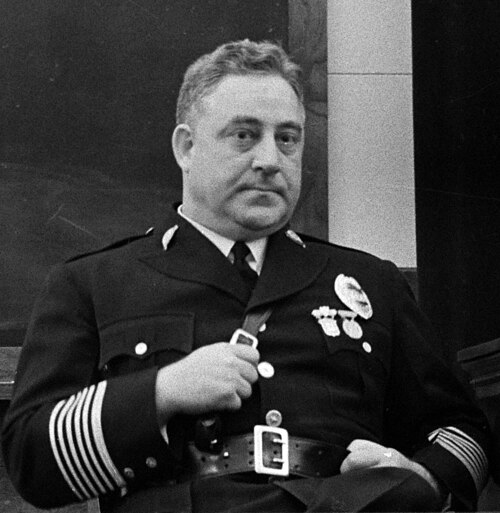
Police chief James Davis ordered one of the largest manhunts in Los Angeles history. Every officer was put on alert, roadblocks were set up. The city demanded justice and the chase for “The Fox” was on.
The first break in the case came from a towel that had been wrapped around Marion’s body and one that was in the suitcase, it was embroidered and with a laundry mark that read “Bellevue Arms Apartments”
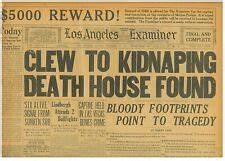
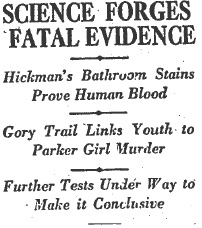
Detectives followed the lead to 1170 Bellevue Avenue to apartment 315, rented under the name of Donald Evans. When they gained access they found blotter paper with Marion’s name written on it, confirmed to be her handwriting, pieces of the dress she had been wearing when she was abducted, blood stains in the bathtub as well as blood under the floor boards as well as bloody footprints.
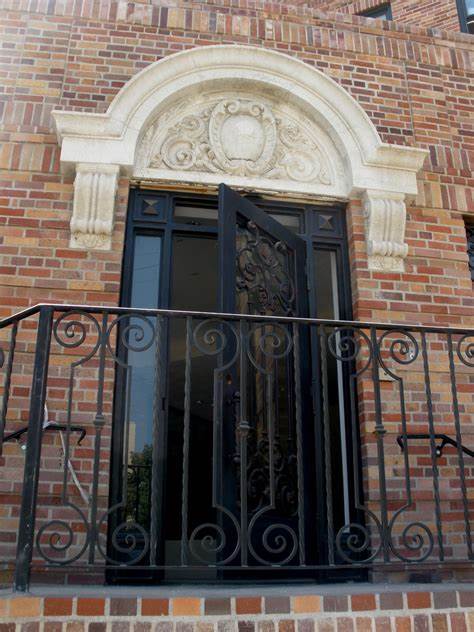


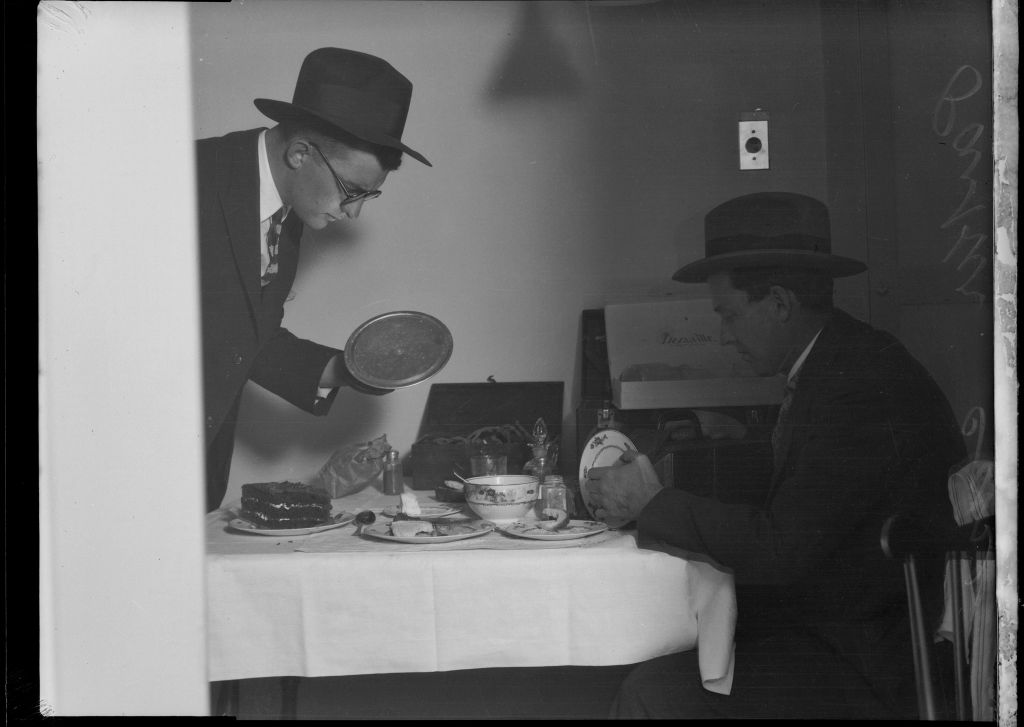
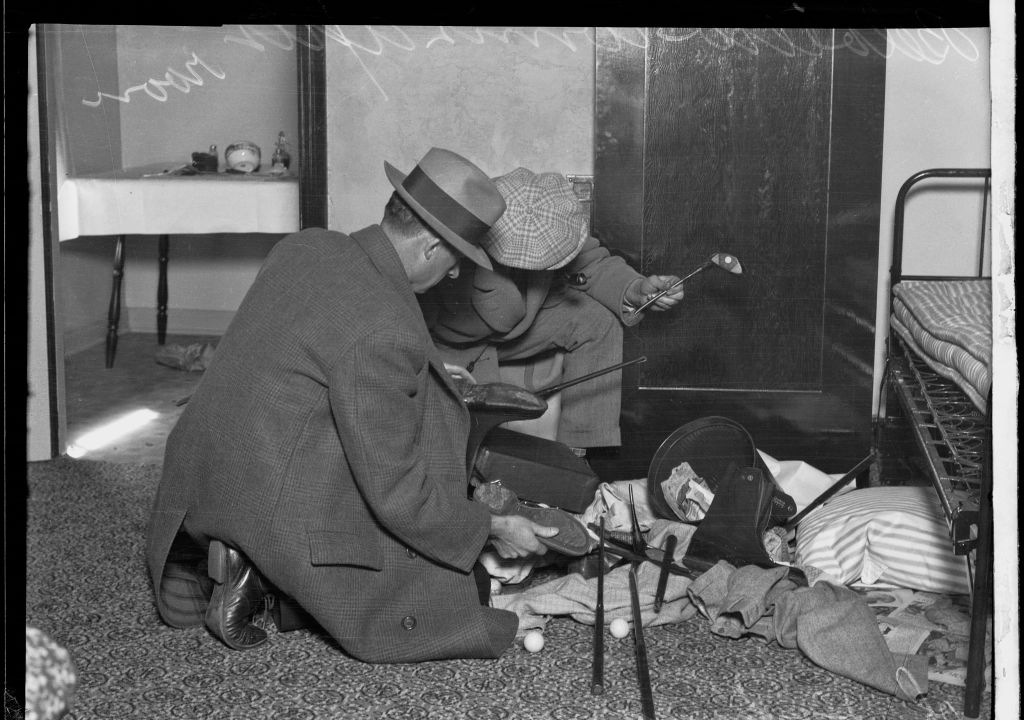

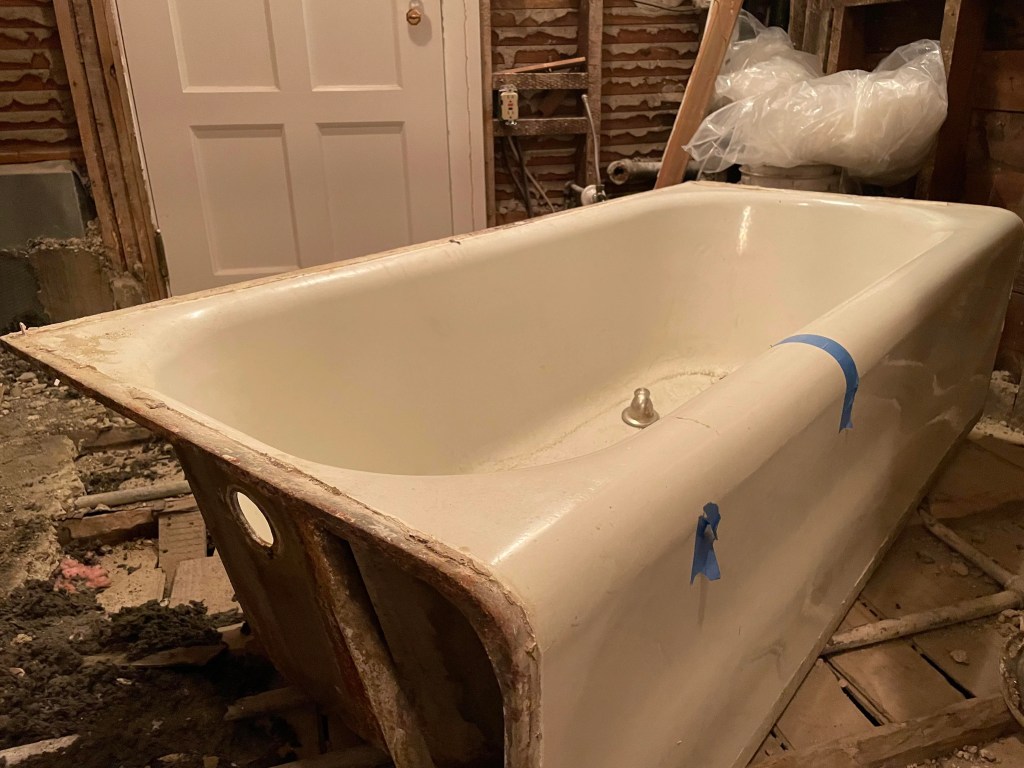
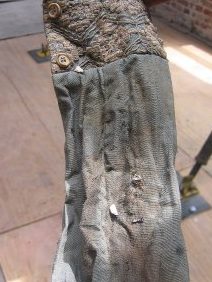


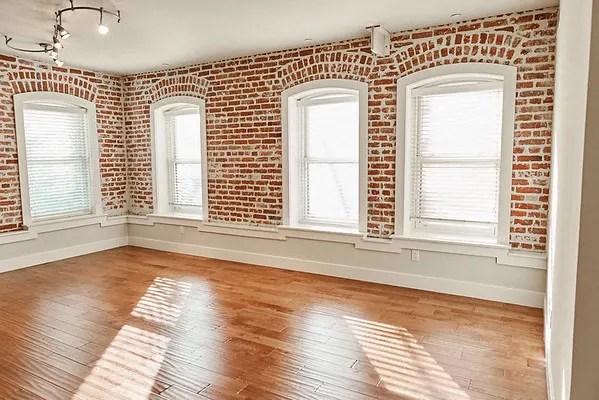
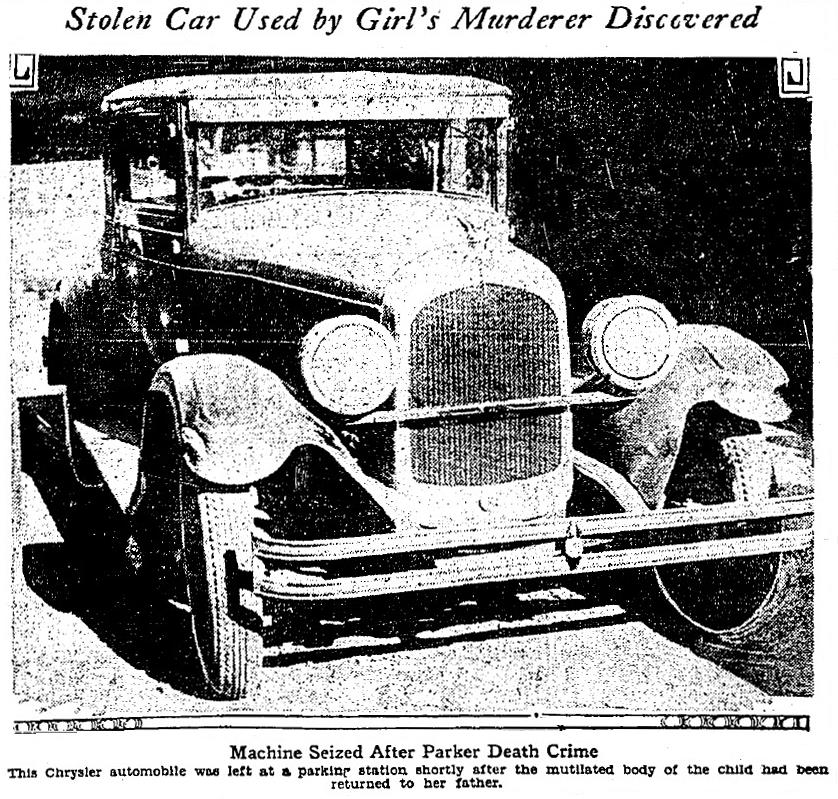
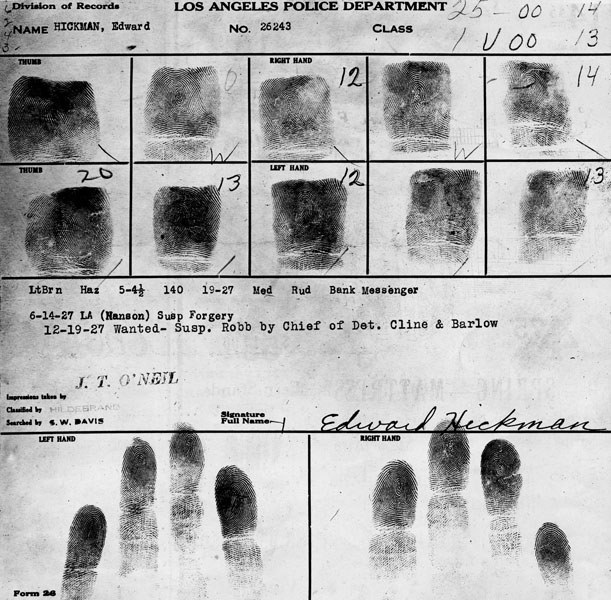
In a parking area, they found the dark Ford, the kidnapper had used to collect the ransom. The landlady confirmed that “Donald Evans” had been a tenant there since November, but hadn’t been seen since December 18th, and that was the car he was seen driving a few times. Police dusted the car for prints and a match came back as belonging to Willam Edward Hickman.
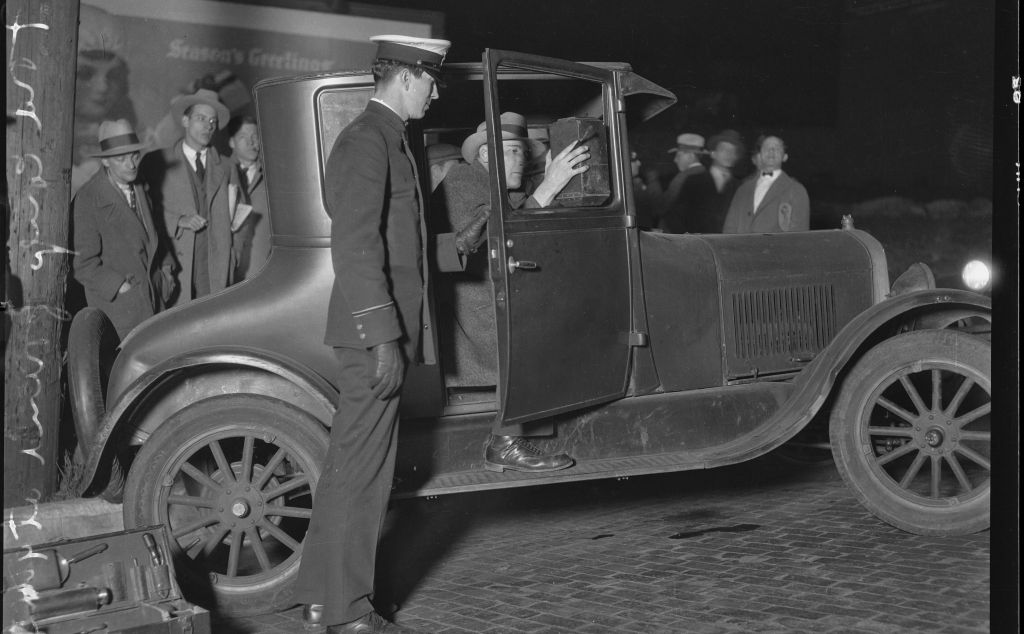
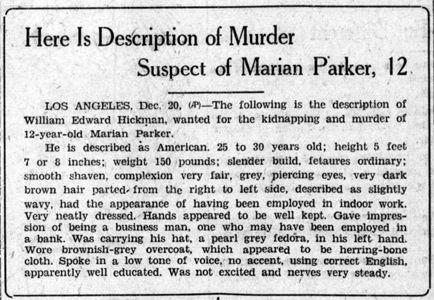
Going off the description given by Mary Holt of the man that came to the school and took Marion, police put out a BOLO.
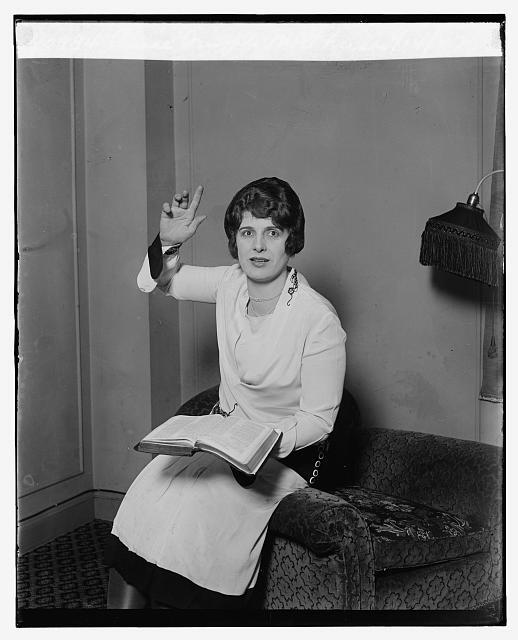
Radio station KFWB broadcasted a plea to raise $1,000 for a reward in the capture of William Edward Hickman. Instead the city responded with fury and grief and within hours the fund swelled to $20,000. Famous evangelist, Amiee Semple McPherson, called for donations from her congregation. The reward climbed to $50,000.
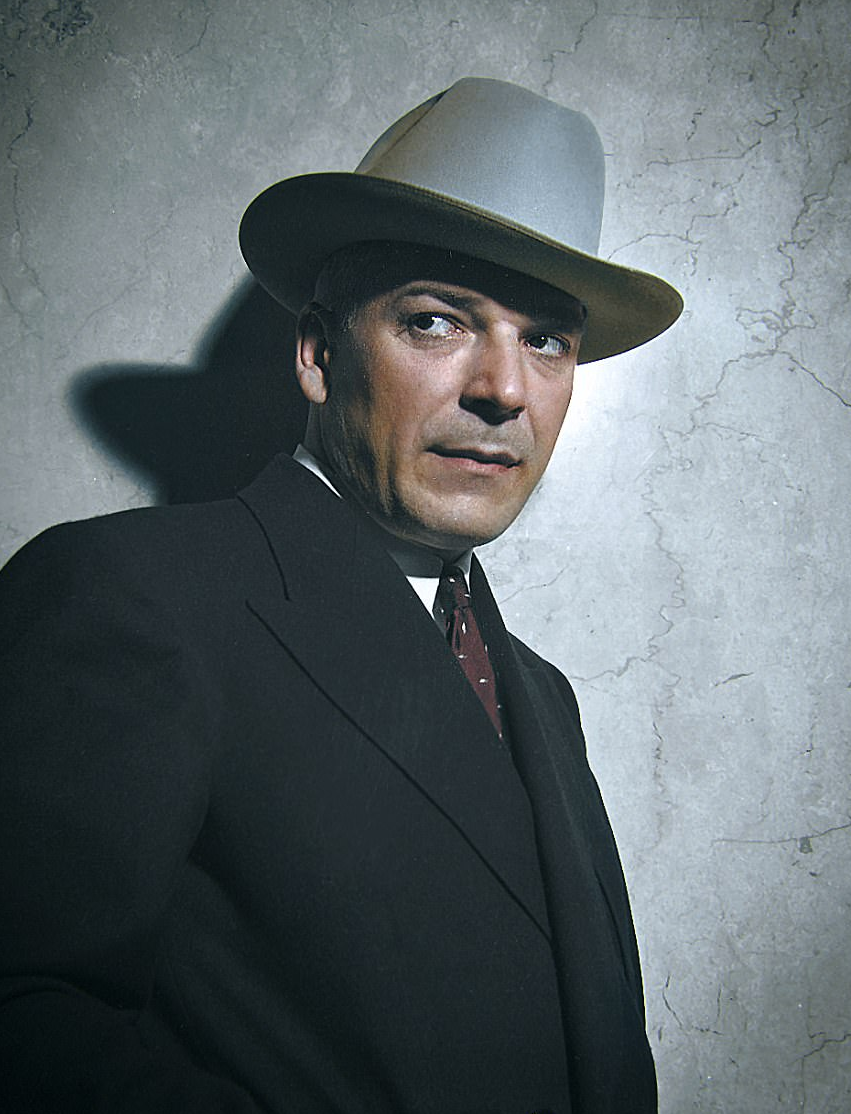
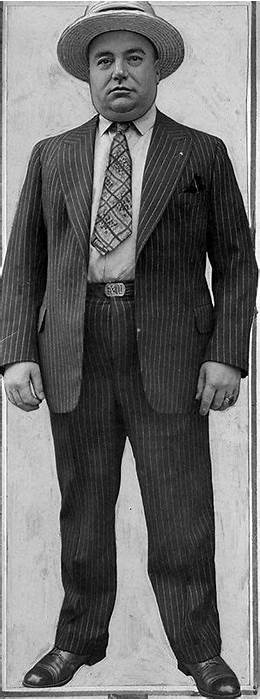
Even Los Angeles’ underworld wanted Hickman caught. Mob bosses Albert Marco and Tony “The Hat” Panero ( Yeah him from the Jean Spangler Case. S. Marlowe) ordered a halt to bootlegging and $25,000 to any of their soldiers who could deliver Hickman to them.
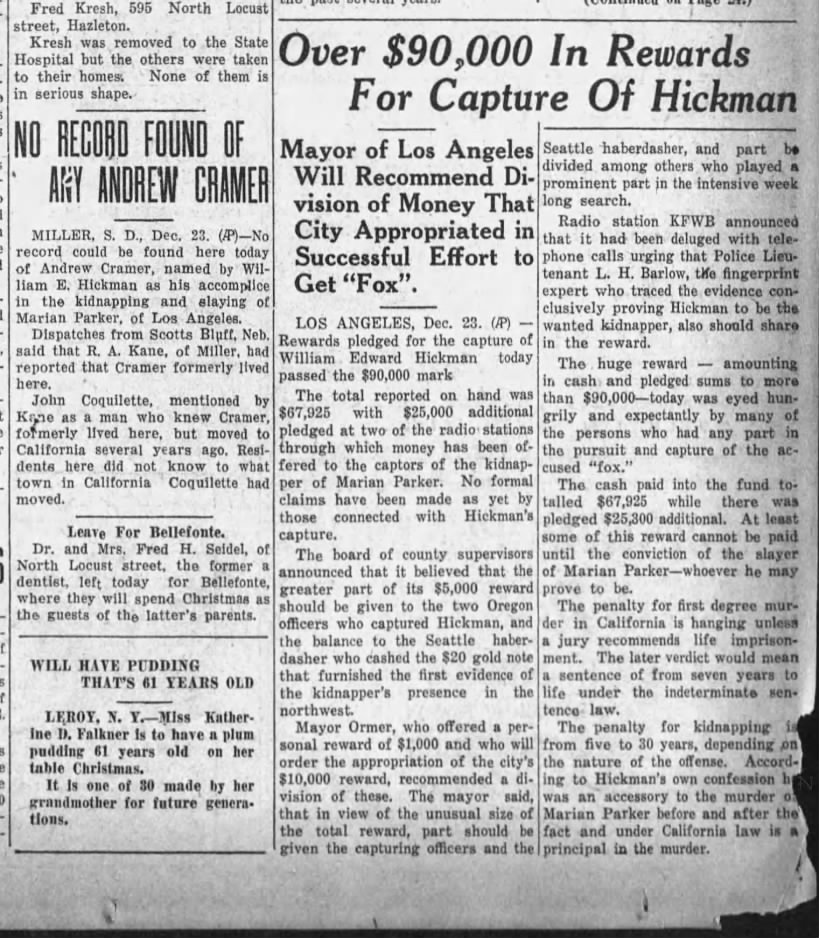
The manhunt became one of the largest in California history. Over 20,000 police officers from San Diego to San Francisco joined in the hunt, along with 12,000 members of the Southern California American Legion, the U.S. Secret Service and even 100 Los Angeles firefighters. There was nowhere the Fox could hide. The public flooded the police with tips and sightings.
Reports of Hickman came in from Chicago, Tucson, Tulsa, Kansas, New York City, Iowa and all across the West Coast. So many men were arrested on suspicion of being Hickman that police had to issue clearance letters to prove their innocence. One local man, Michael O’Neil, who lived near Marion’s school and bore a striking resemblance to Hickman, was arrested so many times that he carried his letter with him everywhere he went.
Another man, arrested seven times by mistake, took his own life in jail rather than face another round of questioning and harassment. A third man had to be rescued from an angry mob who surrounded him.
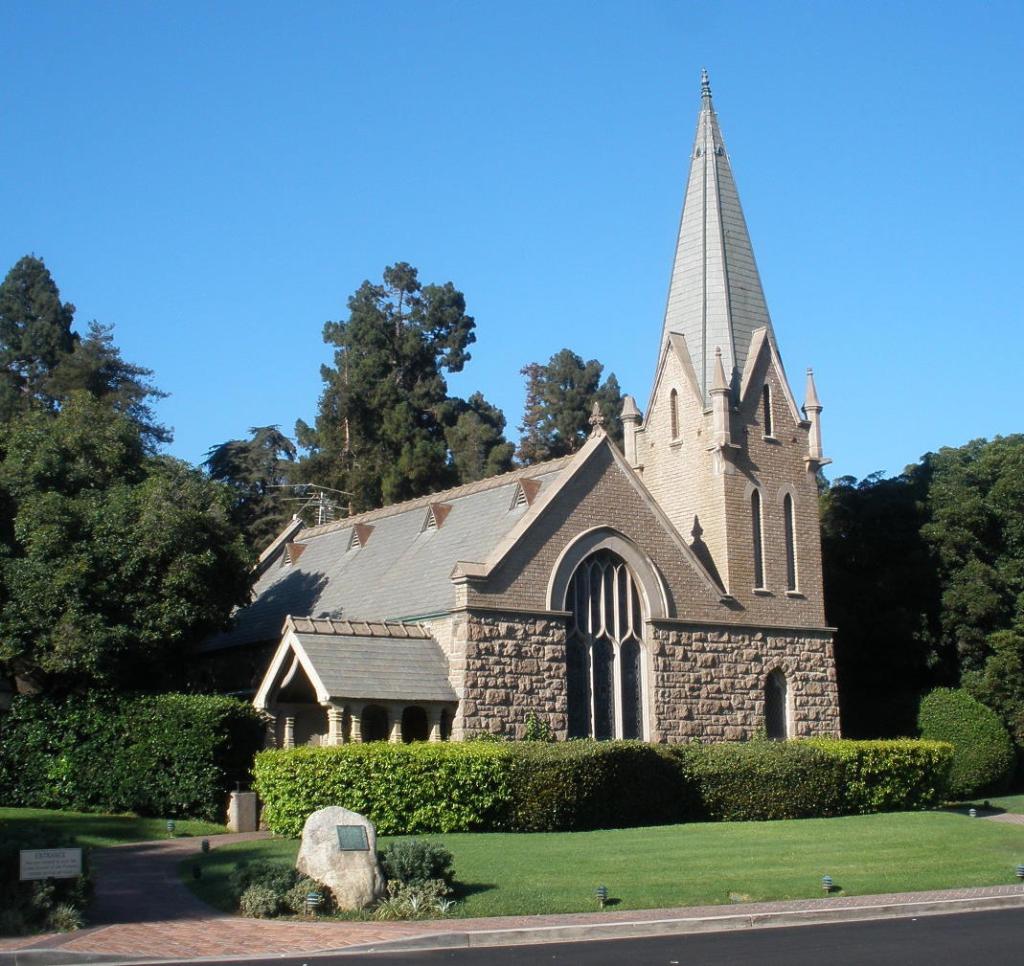
While the city hunted for Hickman, the Parker family had a funeral for Marion at the Little Church of the Flowers at Forest Lawn in Glendale. After the service, she was cremated and her urn interred in the Columbarium Mausoleum.
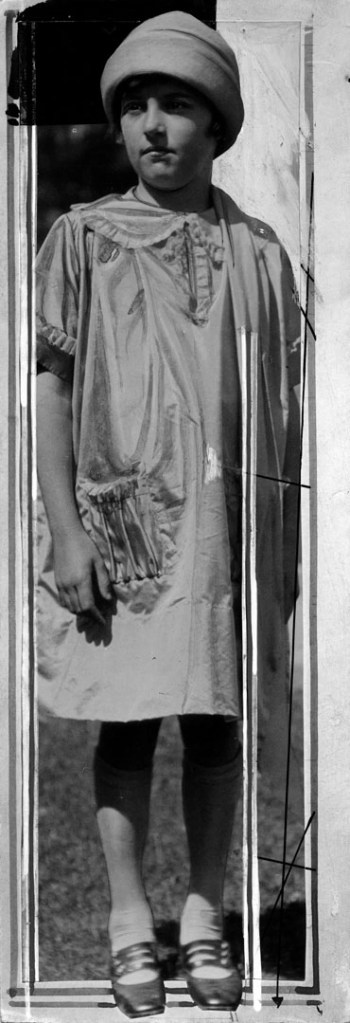
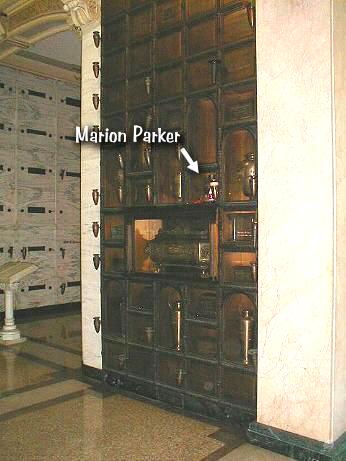
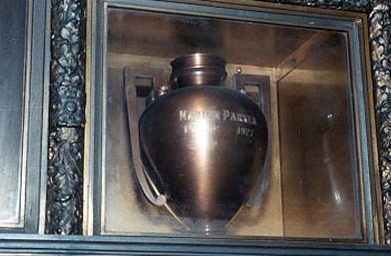
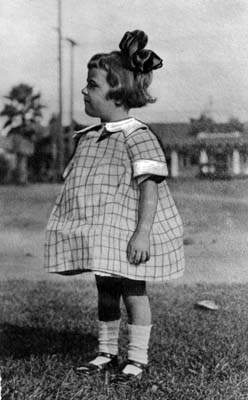
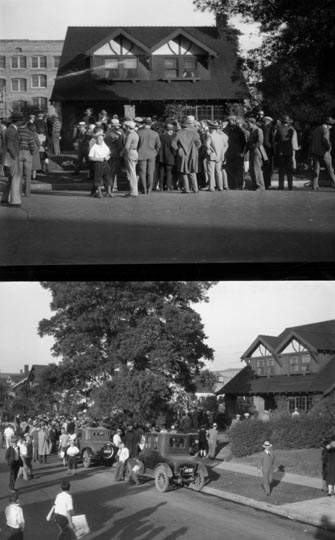
For Perry and Geraldine, grief was compounded by the press and the public. Strangers came to Wilton Place hoping to see the house where Marion had lived as if the tragedy had made it a macabre tourist attraction.
The Fox Is Captured:
On December 18th, after the ransom exchange, William Hickman carjacked a green Hudson sedan and taking $15.00 from the owner, fled North to Washington State. There in a small shop, he used a $20.00 bill from the ransom to buy supplies. The shop clerk grew suspicious and called police when the serial number on the bill matched one of those from the ransom.
By the time police arrived, Hickman was gone. Another ransom bill showed up in a Kent, Washington gas station, where Hickman purchased gasoline. Once again the Fox was gone.
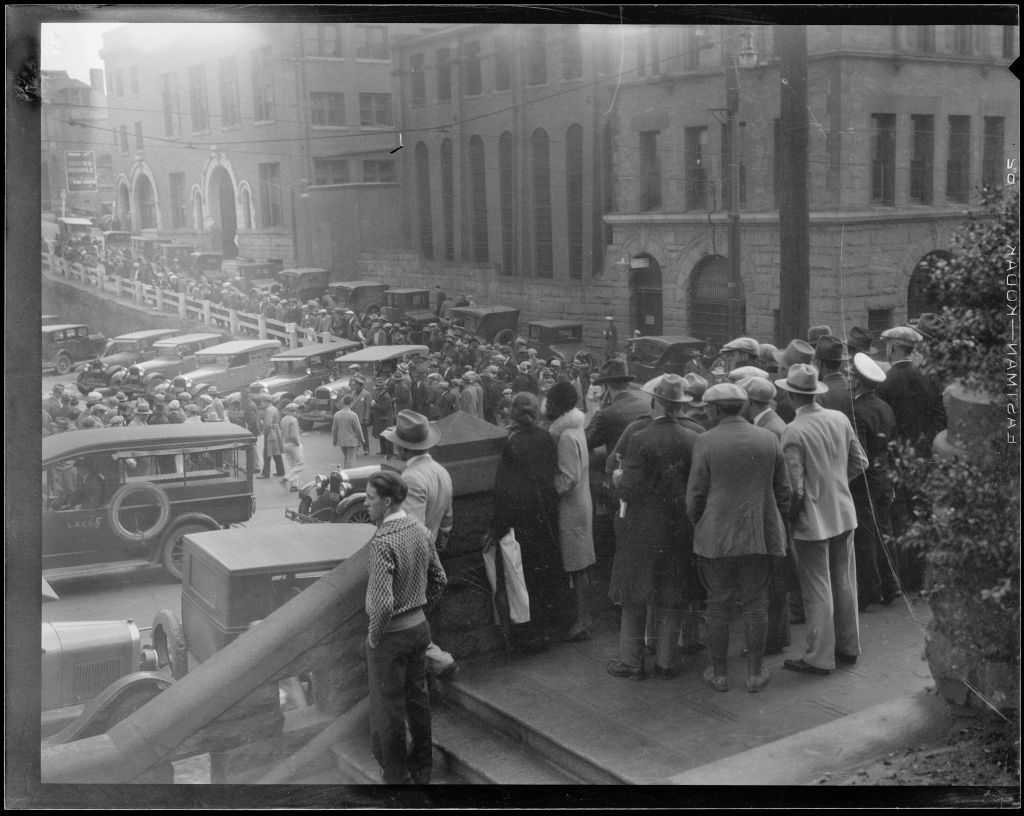
The fox’s luck would run out near Echo, Oregon on December 22nd, just a week after Marion’s murder, police arrested Hickman as he sat resting behind the wheel of the stolen Hudson. Inside the car they found a .45 caliber handgun, a sawed-off shotgun and $14,000 of the ransom money.
“Well I guess it’s all over” Hickman said as he surrendered.
Residents of Echo later erected a billboard marking the spot where the Fox had been captured.
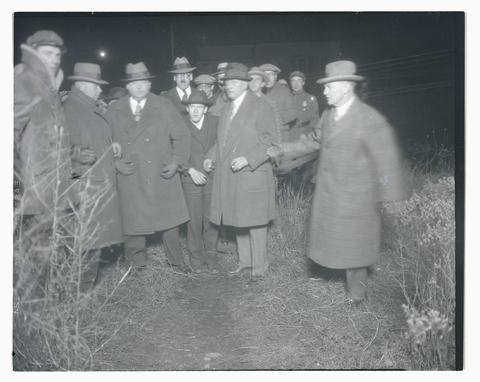
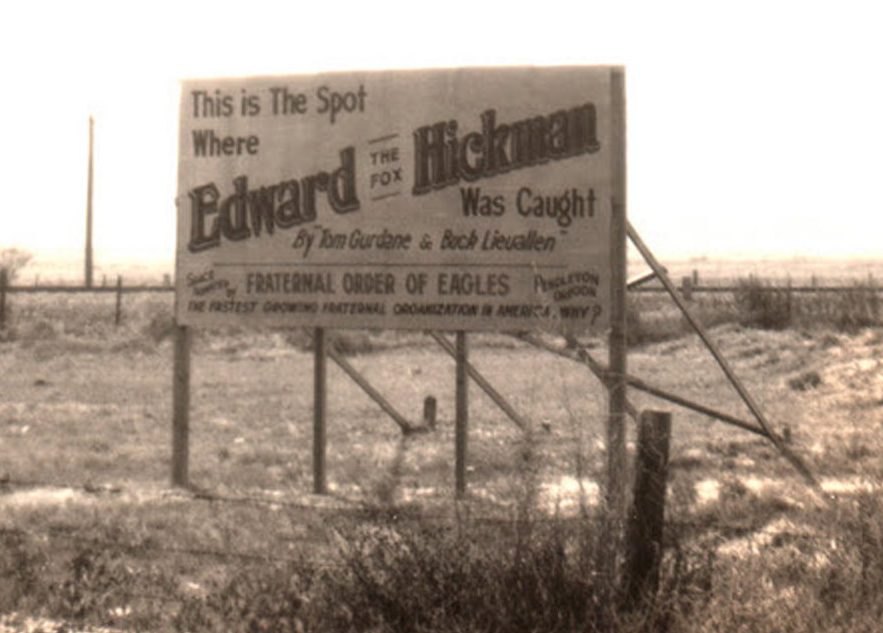
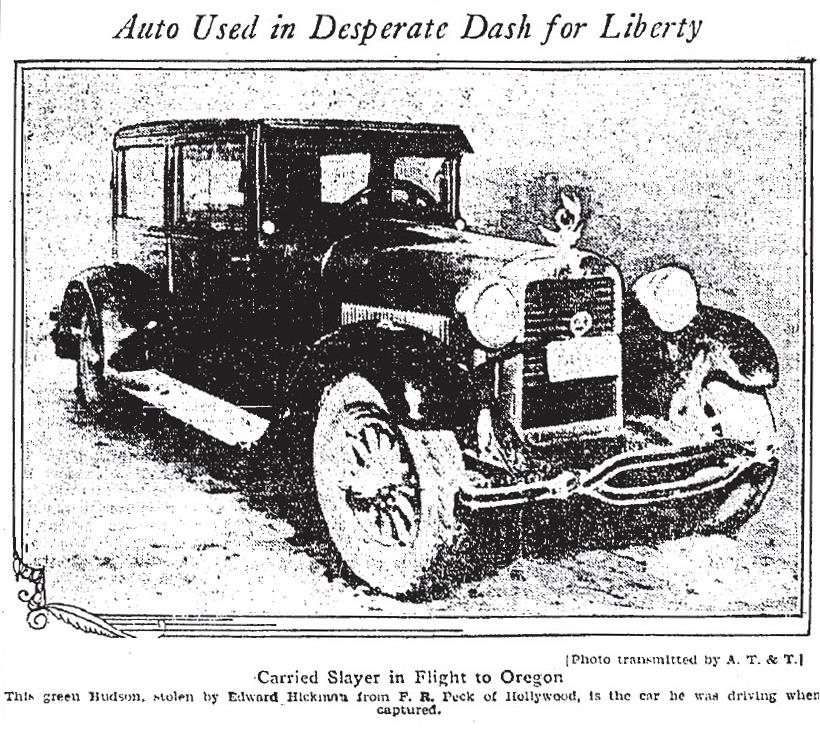
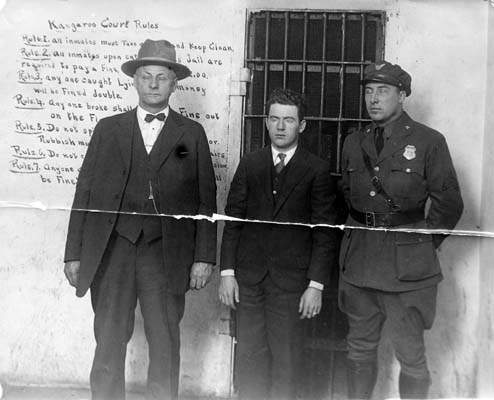
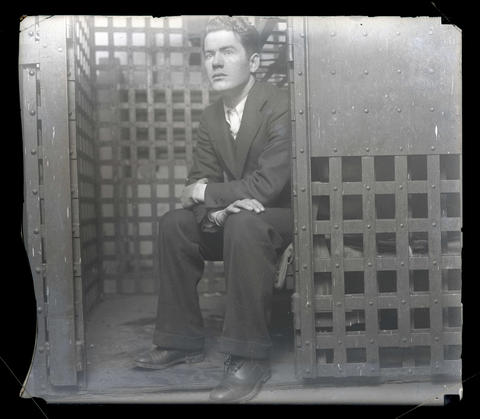
From the moment of his arrest, Hickman became a grim public spectacle, crowds gathered outside the Pendleton jail just to see the “baby-faced” killer. Reporters swarmed him and Hickman, relishing in the attention, couldn’t keep his mouth shut. In his first statement, he claimed that he didn’t kill Marion, that an accomplice, Andrew Cramer, had been the one who did it. The story didn’t hold, Cramer had a rock-solid alibi, he had been in jail since August 1927, months before Marion’s murder.
The Confession:
On December 26th, Hickman was placed under heavy guard and taken by train back to Los Angeles. Along the way he gave a 19 page confession that left reporters and police shaken. He admitted that he acted alone. He claimed he did not kidnap Marion out of revenge against her father, but simply because he had seen her visiting the bank and thought she would be an easy target.
“I needed money to go to college.” He said. His detailed confession was chilling.
“I tied her to a chair and blindfolded her and I strangled her with a towel because I was afraid she would make a noise I placed her body in the bathtub, I sliced her throat to drain the blood, I cut off her arms and legs and sliced her open at the waist. Her body jerked with such force that it flew out of the bathtub. I thought she might still be alive. I picked up her body and placed it on a shelf with a towel underneath to soak up the blood. I knew that if I refused to take her back Saturday morning she might distrust me enough to give some sign which would cause my discovery. Yet, I felt that if I did take her back in daylight I might fall in a trap and be caught. So in order to go through with my plans enough to get money and keep Marion from ever knowing while she lived that I would disappoint her confidence in me. I killed her so suddenly and unexpectedly. Then in order to get her out of my apartment without notice, I dissected her body. I knew I needed to prove she was alive to get the ransom money. I combed her hair and put powder on her face. I then used a needle and thread to hold her eyelids open. I placed her body in a suitcase and carried her out to the ransom meeting”
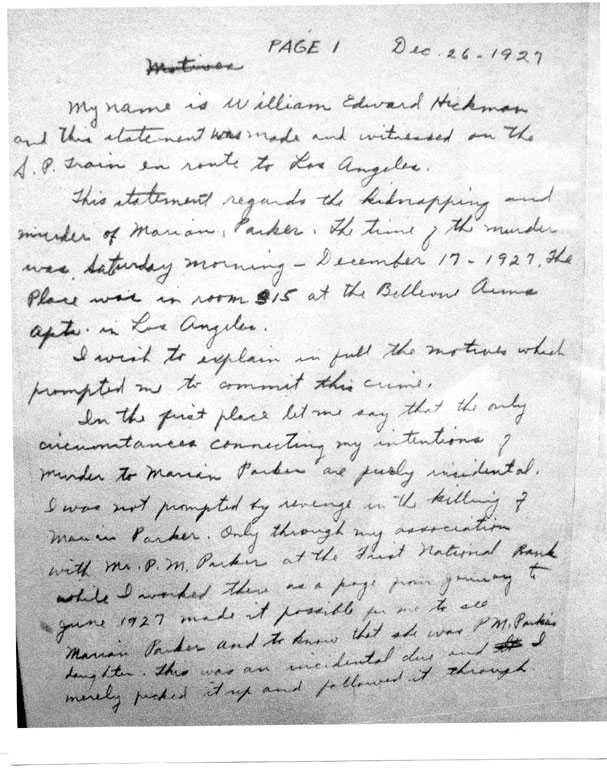
Reporters at every stop were unnerved by Hickman’s lack of remorse. One recalled watching him as the train paused in a town.
“At one of the stations he gazed through the window at an assembled crowd. He waved at a little tow-headed girl on the platform. The wave and sneering smile affected the child and she ran hastily to her mother, who was a few steps away, and hid behind her.“
Even seasoned police officers admitted Hickman unsettled them.
The Fox Is Brought To Justice:
Hickman’s trial began in January 1928. He entered a plea of not guilty by reason of insanity, becoming the first defendant in California to use the new legal defense, that had been enacted in 1927.
His mother testified that insanity ran in the family. Several psychologist, then called “Alienists” evaluated him and found him sane.
A letter Hickman had written in jail was introduced as evidence, undercutting his plea.
“I’ve got to throw a laughing, screaming, diving act before the prosecution finishes their case, maybe in front of old man Parker himself. I’ll tell them a supernatural being told me to kill her. “
Hickman’s testimony was so vile that reporters would not print it in the paper and it was not made available to the public.
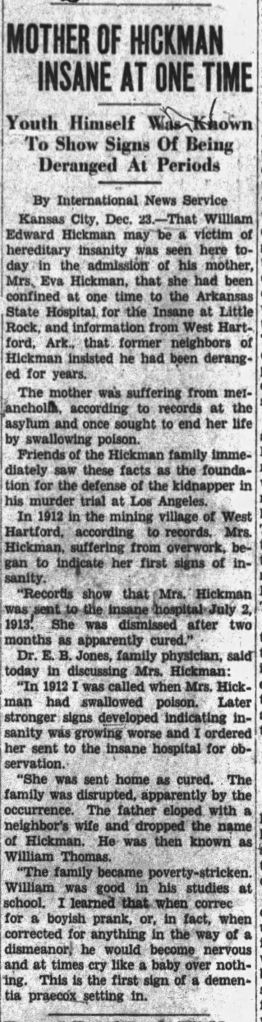
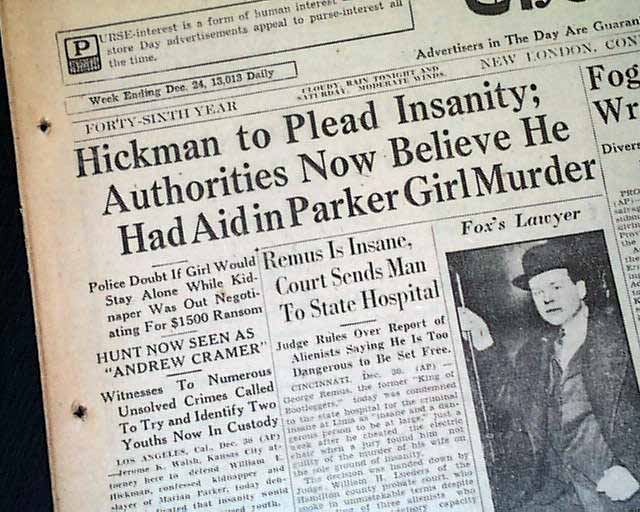
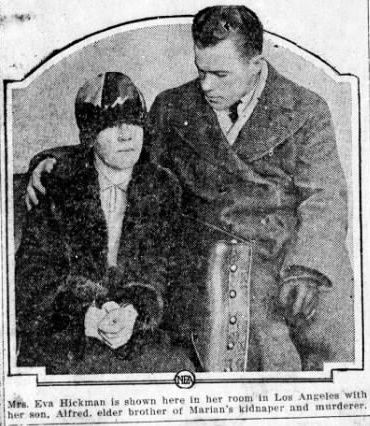
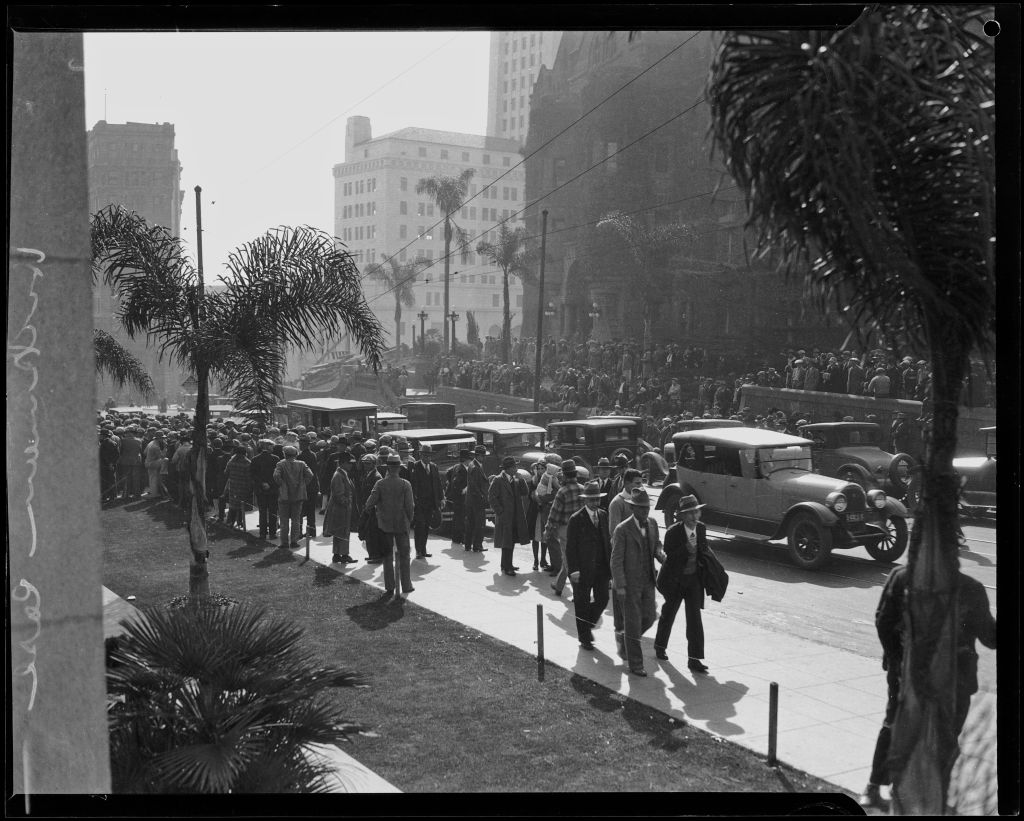
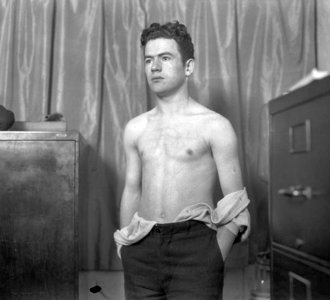
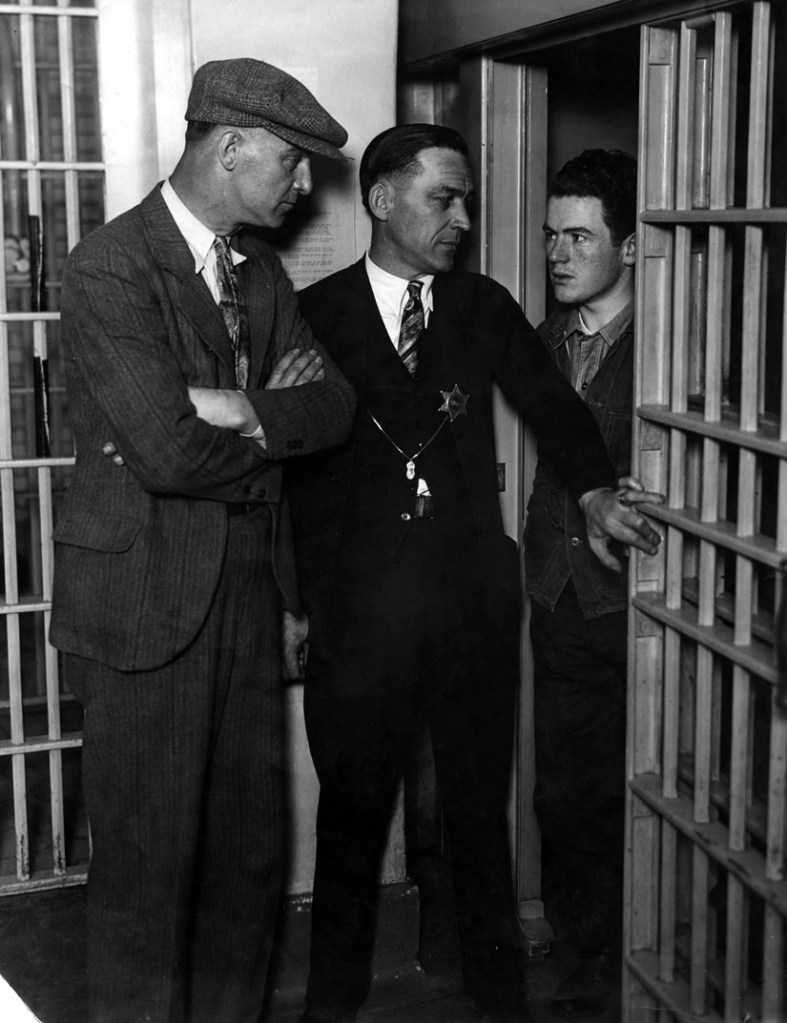
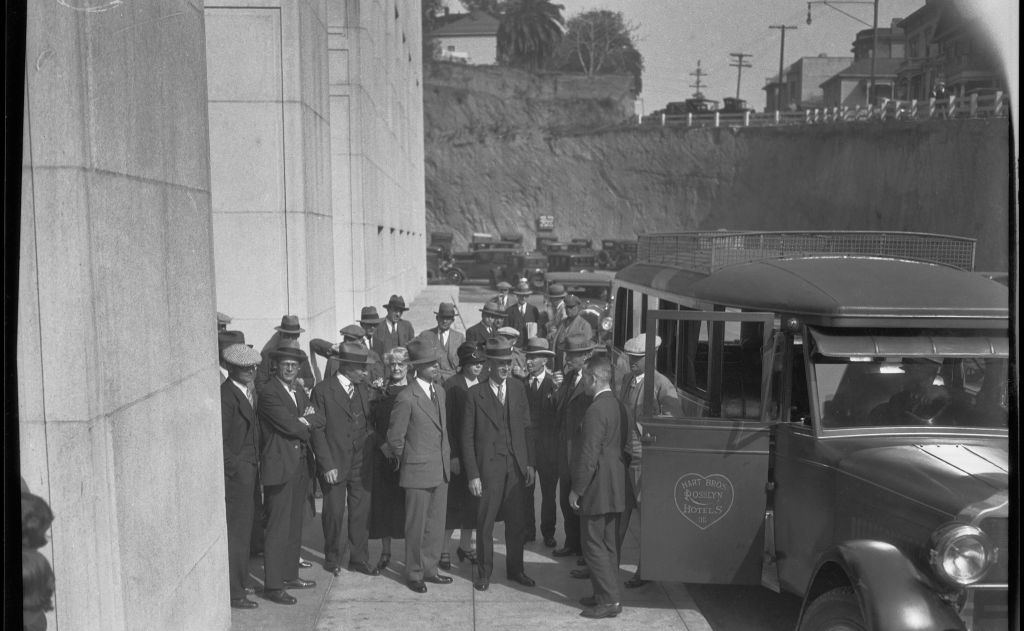
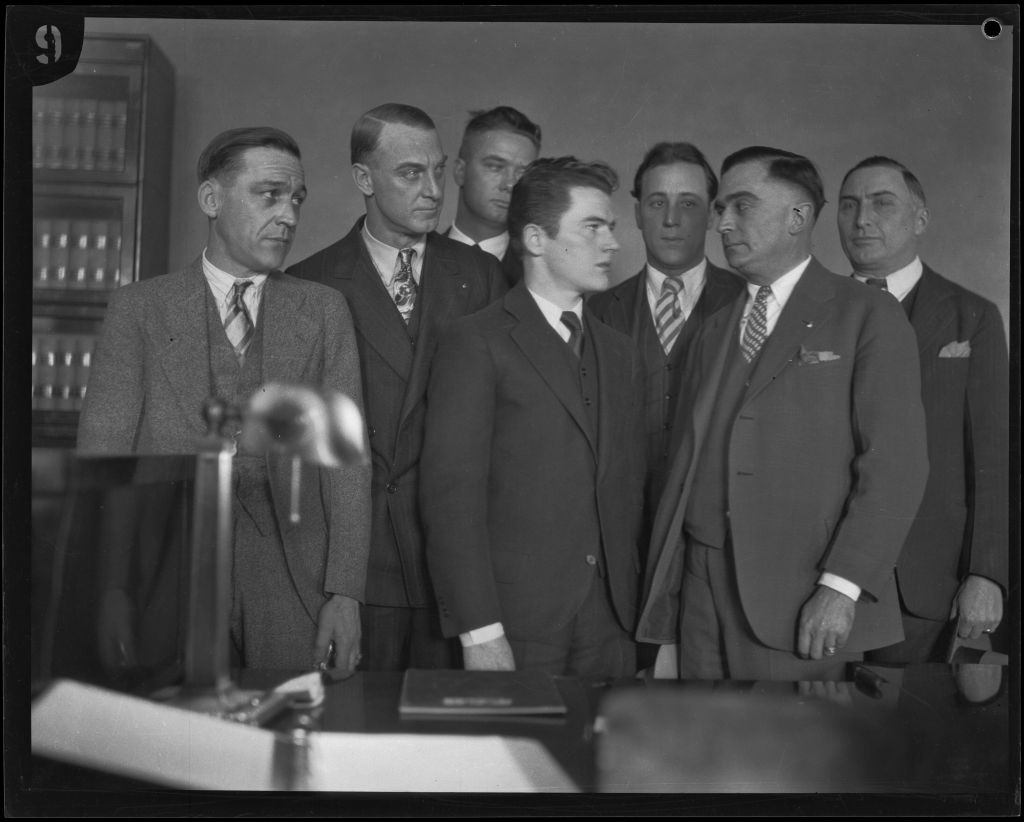
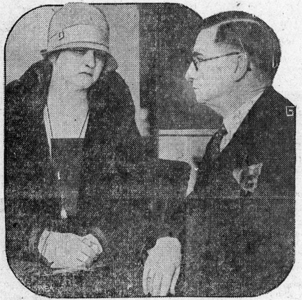
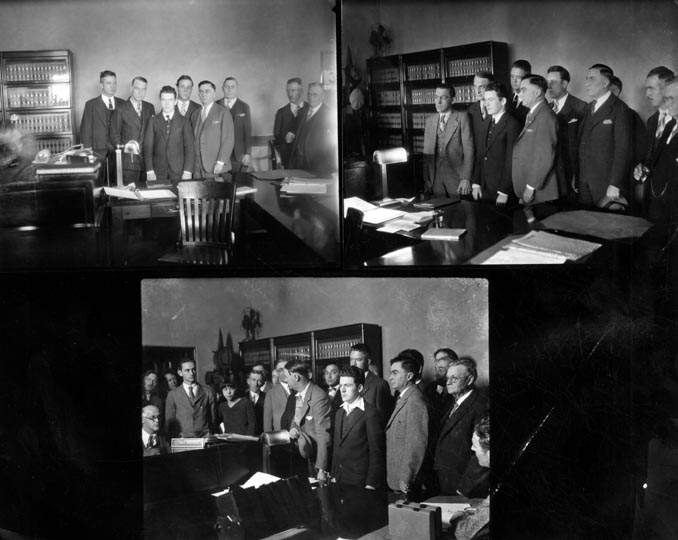
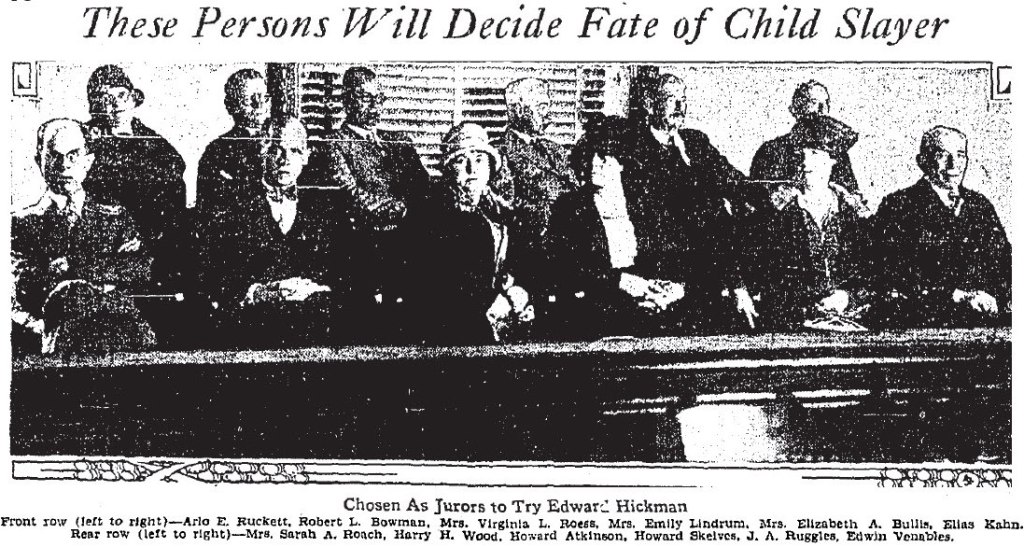
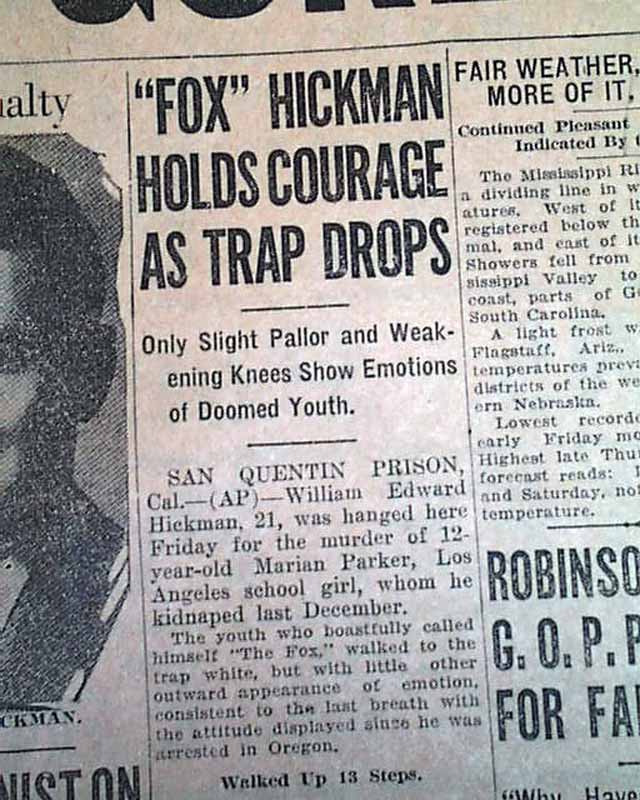
After a ten day trial the jury returned a guilty verdict. Hickman was sentenced to die by hanging.
“The state wins by a neck.” Hickman was quoted afterward. “I don’t think I have much to live for, and I don’t know why I killed that Parker girl, but I did it, and I’ll take my punishment. “
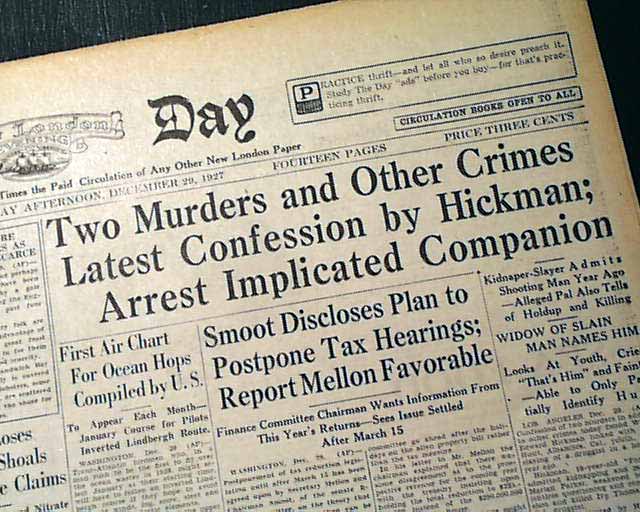
Hickman also told police about the murder of Clarence Ivy Toms, and in a separate trial Hickman and Welby Hunt were convicted. Hunt only, seventeen, was sentenced to life in prison but was later paroled. He lived until 1995 dying at the age of 84.
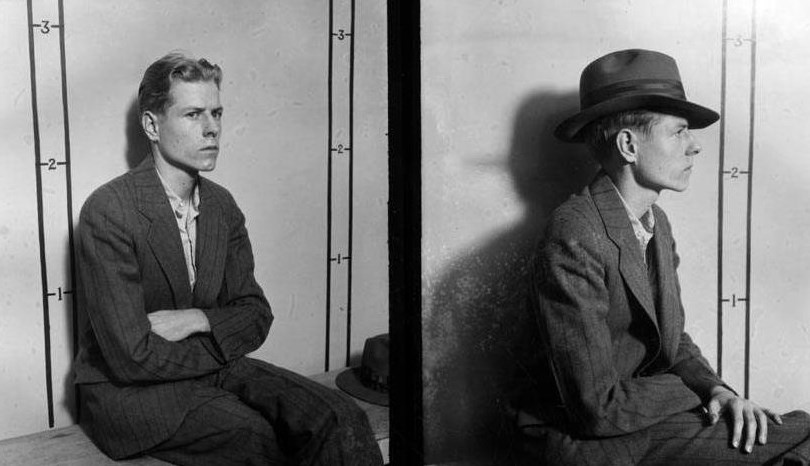
The Fox Bids Adieu:
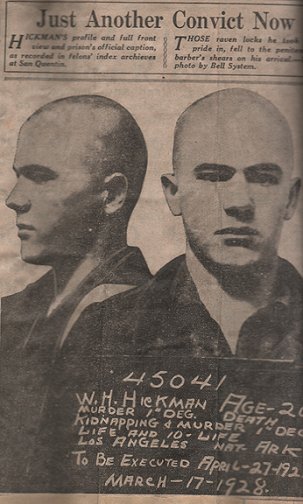
Hickman spent his final months on death row at San Quentin. He wrote letters of apology to those he hurt, converted to Catholicism, read the Bible and listened to jazz.
His appeals went all the way to the Supreme Court but were denied. He was sentenced to die on October 19,1928. He finally broke his silence on why he killed Marion, he told a prison guard
“I got tired of finding her in the room where I kept her while I was trying to get ransom money. It got so that the sight of her face drove me into a frenzy and I began figuring out that I was a fool to be annoyed. I was a scoffer at God I guess. Talk about bad judgement. Why instead of kidnapping and killing her, I could have robbed a bank got ten times that much money and would have suffered far less serious consequences when captured “
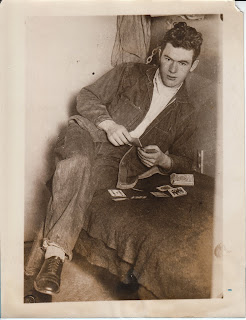
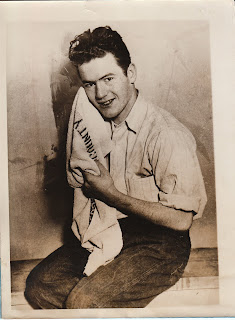
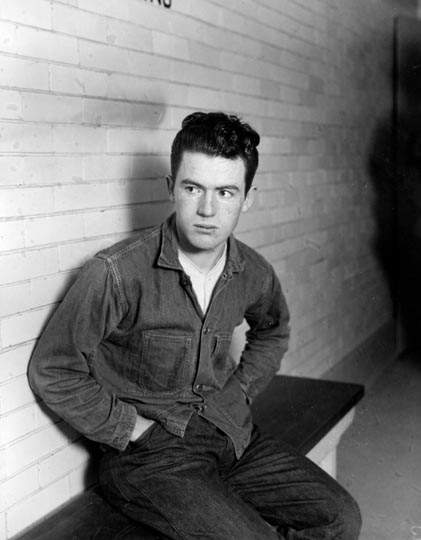
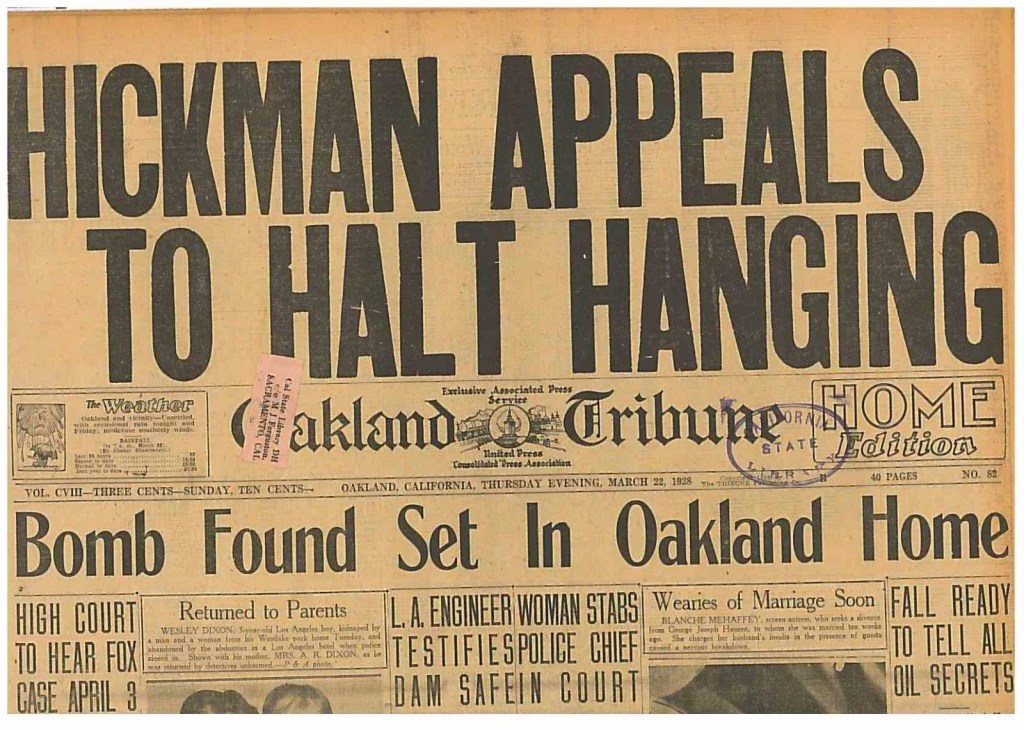
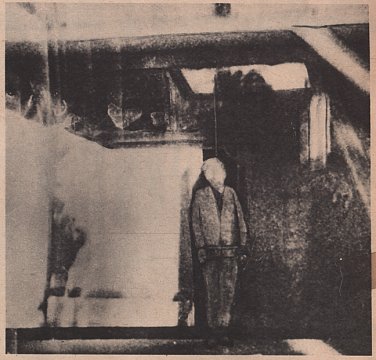
You still with me kid? Cause this next photo is of Hickman’s hanging. Someone snuck a camera in, from what I was told and snapped the following photo.
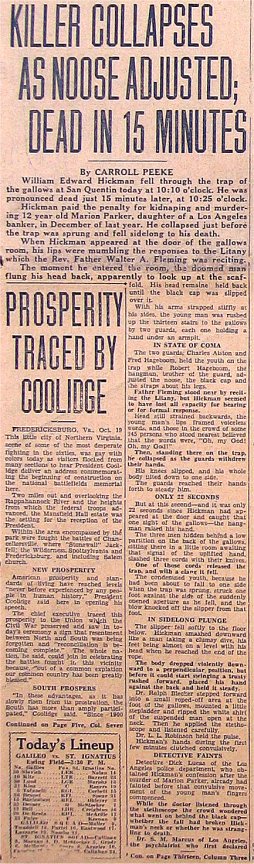
On October 19,1928 ten months after Marion’s murder. Hickman walked up the thirteen steps to the gallows. Halfway up he fainted and had to be helped the rest of the way. When he came to, the black hood was placed over his head, and the signal was given, but the rope was too short, and when the trapdoor was sprung, Hickman got stuck in the trapdoor.
Instead of a swift death it took him fifteen minutes to die by slow strangulation.
Aftermath:
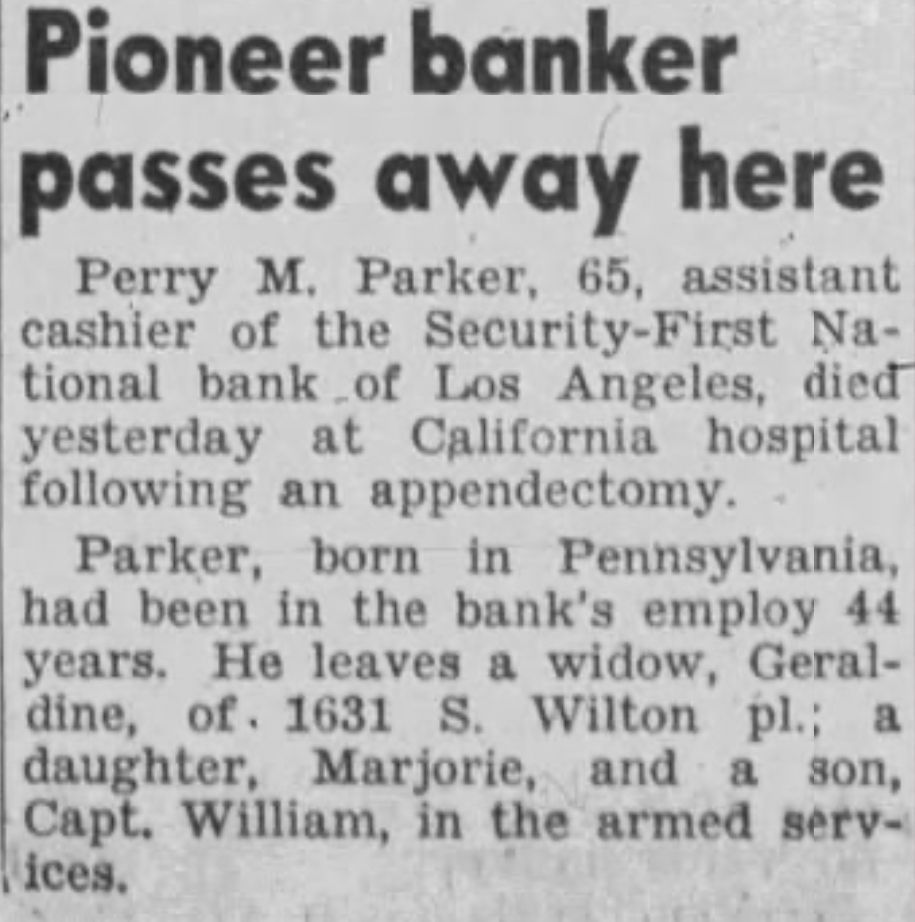
The Parker family never truly recovered. Perry Parker continued to work at the First National Bank for forty-four years until his death in 1944.. Geraldine moved to San Diego, California, where she died in 1963. Perry “Bill” Parker served in World War II and the Korean War, passing away in 1983.
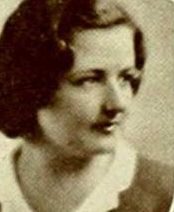
Marjorie Parker became a legal secretary. She married Charles E. Holmes in 1969 and became stepmother to his two sons. She died in 1987 at the age of 71. Her ashes were scattered at sea.
Hickman’s father died in 1938. His mother in 1967.
Before his death Hickman wrote this poem while on death row.
“When the day’s begun and death cell’s light with morning on, when warden talks and death fear stalks upon the dawn, There’s no hike I know like these thirteen steps within that room. On scaffold high they slip the noose and bind your shivering frame. They slip the hood as hangman should, there is one you can blame. After you’ve had a word or two and you’re all through, the trapdoor falls. The fox he squalls-Adieu.
The kidnapping and murder of Marion Parker left a scar on Los Angeles that would never fully fade. Parents began demanding tighter security at schools, a simple signature was no longer enough to release a child to a stranger.
The case was one of the first to show how quickly ransom and kidnappings could grip a city, and how law enforcement and the media would respond in a frenzy that blurred the line between justice and spectacle.
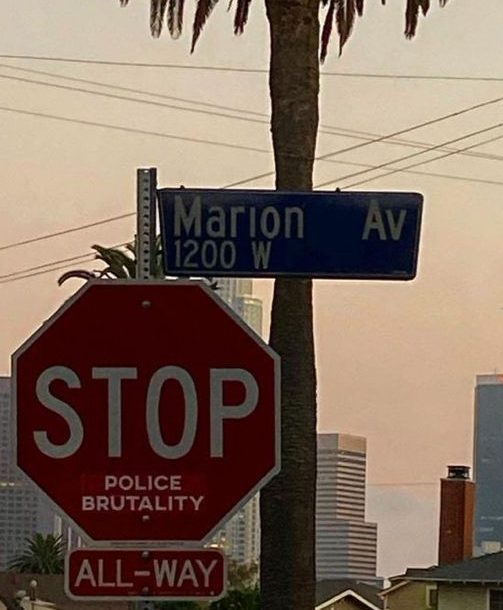
Near the Brownstone Lofts, where Marion spent her final hours, a street was later named Marion Avenue, a quiet memorial to a girl whose death shook the city to its core.
https://www.findagrave.com/memorial/8978/marion-parker
https://www.findagrave.com/memorial/59357183/perry_marion-parker
https://www.findagrave.com/memorial/140175984/marjorie_helen-holmes
https://www.findagrave.com/memorial/179270551/perry_willard-parker
https://www.findagrave.com/memorial/59356870/geraldine_howard-parker
https://www.findagrave.com/memorial/112107088/clarence_ivy-toms
https://www.findagrave.com/memorial/127959162/abner_robert-driskell

 Crimes and Catastrophe
Leave a reply to Barry Teller Cancel reply