The Names Marlowe, Sam Marlowe. I don’t chase headlines. I chase ghosts the kind that linger in case files yellowed by time. You won’t find me sipping lattes in a cafe; I’m knee deep in cold cases, ink-stained and hunting for answers nobody else bothered to find. Some call it obsession, I call it truth. The bodies are long gone, but the evidence still breathes if you know how to listen. That’s where I come in. I don’t work for glory and I sure as hell don’t work for free drinks and applause. I work for the story- the one buried under forty years of dust and silence. Pull up a chair. Strike a match. Let’s see what crawls out of the shadows when the lights go out.
Hollywood never liked to fade to black, it just burned too bright until someone went up in smoke.
Thelma Todd was all light. A beauty with a Brooklyn backbone, a comedian with timing sharp enough to cut glass. They called her The Ice Cream Blonde, sweet on the outside, cold when she had to be. She’d laughed her way through the talkies, outshined her leading men, and even opened her own café overlooking the Pacific, a place where movie stars clinked glasses while secrets slipped through the cracks.
But by the winter of 1935, the party was winding down. The laughter got brittle, the air too thin. One Sunday morning, Thelma’s car sat idling in a garage above the café, her body slumped like the final act of a bad joke. Carbon monoxide, they said. Accident, maybe. Suicide, possibly. Murder, And somewhere between the laughter and the lies, the truth vanished just another casualty of the town that sells fantasy by the pound.
Blonde Ambition: The Rise of Thelma Todd:
Before the laughter and the lights, there was a man named John Shaw Todd, born August 22, 1871, in Ireland, the first of eight children to William and Elizabeth Todd, a pair of hardworking dreamers who believed in better days across the Atlantic. The Todds made their way to America and planted new roots in Lawrence, Massachusetts, where William built the family home at 22 Bowden Street with his own two hands.
22 Bowen.
As the eldest son, John shouldered early responsibility, taking a job at a bleach factory to help support the growing brood. He was a handsome man, dark-haired, sharply dressed, and well spoken, with a gift for persuasion that could fill a room. But factory work was no place for a man with polish and ambition. Boston called, and John answered, learning the trade of carpet repair and cleaning, a skill that gave him freedom, travel, and a taste of refinement.
On one of those trips north to Vermont, fate stepped in wearing sensible shoes and a quick smile. Her name was Alice Edwards, a plain but bright woman with a sharp wit and a confidence that belied her modest looks. She liked to mention that her ancestors came over on the Mayflower, and while that may have amused John at first, it was her humor, not her heritage that caught his attention.
Alice and John on their wedding day 1900.
The couple soon fell in love and married around 1900, settling into a modest home at 306 South Broadway in Lawrence. To help make ends meet, Alice found work at a local woolen mill while John , ever ambitious ,joined forces with his brother Adam to open a carpet cleaning and repair business they called Todd Brothers Carpet Renovators. Their office at 325 Methuen Street quickly gained respect around town, their hard work paying off as the Todds climbed the social ladder.
John ToddFormer site (parking lot) of John and Alice’s home, where Thelma was born in 1906
On July 27, 1903, Alice gave birth to their first child, a son named William Edward Todd. Three years later, on July 29, 1906, their daughter arrived, Thelma Alice Todd ,a baby who would someday make the family name famous far beyond the mills of Massachusetts.
William and Thelma.
The Todds prospered in those early years. John became a respected figure in Lawrence, joining the Knights of Pythias and the Elks Lodge, while the family attended services at the South Congregational Church. They were well liked, steady, and seen as a success story ,the kind of American dream that begins with a suitcase and ends with a brass nameplate on the door.
But dreams, even the best-built ones, can fracture overnight. In August of 1910, while vacationing in Vermont, tragedy struck. Seven-year-old William was playing in a dairy factory when a flywheel suddenly shattered, sending shards of metal hurtling through the air. One struck the boy, killing him instantly.
Grief swallowed the family whole. The Todds returned home to Lawrence and buried their son at Bellevue Cemetery ,a loss that would hang like a shadow over their lives, even as Thelma grew up in the glow of her parents’ love and ambition.
By 1912, John Todd’s ambition had carried him beyond business. He was appointed Commissioner of Health and Charities for Lawrence, a position that came with both power and a new address. The newly elected alderman moved his family into a spacious home known locally as The Town Farm, at 121 Marston Street, a property adjoining the city’s home for paupers.
It might have been a grim place for some, but not for little Thelma. With her golden curls and easy laugh, she became a favorite among the staff and residents, a ray of light drifting through the shadowed halls. She was a happy child, adored by her parents, especially her father, who never seemed to tire of boasting about her charm and wit.
In 1914, John briefly served as acting mayor. During his short term, he made headlines for banning three films from local theaters, pictures he deemed offensive to any race, creed, or color. It wasn’t censorship for vanity’s sake; it was a stand for dignity in an age that didn’t always prize it. But politics, like fame, can be fickle. When the next election came around, John was voted out, and the family left the Town Farm behind, relocating to 100 Blanchard Street.
100 Blanchard
Ever pragmatic, John took work as an assistant supervisor in the Street Department. The salary was smaller, the title humbler, but for the Todds, family counted more than fortune, and Thelma remained their brightest treasure.
Young Thelma
Thelma grew into a spirited tomboy , the kind of girl who could out swim the boys, ride her bicycle faster than the wind, and still show up to dinner with her curls perfectly in place. She loved baseball, laughter, and any excuse to be outdoors.
She first attended the Saunders School, then Packard Grammar, graduating at just thirteen. It was around that time that her real passion began to bloom. Thelma and her mother spent countless evenings in darkened theaters, faces lit by the flicker of the silver screen. While others watched for entertainment, Thelma watched for destiny. She dreamed of the day her own name might appear in those glowing letters.
At fourteen, she entered Lawrence High School and enrolled in the teaching program, a respectable path for a respectable girl. But Thelma was anything but ordinary. She was a beauty, effortlessly charming, a member of the school newspaper where she helped write the “Gossip Notes,” and a voice in the glee club. One of her friends recalled how the pair would walk home after class, daring Thelma to thumb for rides. “She always got us a ride,” her friend laughed. “She was attractive and so much fun.”
Lawrence High School.
Thelma’s first taste of the spotlight came early. As a child, she’d played the bride in a local school production of Tom Thumb’s Wedding. Years later, she was cast as an extra in a locally produced film, The Life of Saint Genevieve, created by brothers Paul and Rosario Contarino. They saw something magnetic in the young blonde and gave her a key role in their next picture, Tangled Hearts. Thelma was thrilled. “I’m a screen actress now,” she told friends and family, her excitement impossible to contain.
Thelma In Tom Thumb’s Wedding.
Encouraged by others, she sent her photograph off to Hollywood studios, hoping someone out there would see what the Contarinos had. While waiting for fame to call, she took a job at Woolworth’s. Her beauty and charm drew men from all over town, not to shop, but to see her. One of them, an assistant school headmaster, fell hopelessly in love and even proposed marriage. But seventeen-year-old Thelma declined. She wasn’t ready to settle down; she was ready to shine.
The attention soon became too much for her boss, who tried moving her to the basement. It didn’t help. The admirers kept coming, and eventually, she was let go. But Thelma didn’t mind. She had bigger dreams than Woolworth’s aisles, and Hollywood was already calling her name.
Her age is listed at 15 here.
Thelma graduated from Lawrence High School in 1923, her head full of promise and her eyes on the horizon. While waiting for the Contarino Brothers’ films to be released, she enrolled at Lowell Normal College, taking the teaching program. It was a future built on stability, not stardom, but Thelma had never been one to stop dreaming.
Thelma’s graduation photo.Lowell Normal College
In May of 1924, Tangled Hearts finally premiered at the Empire Theatre in Lawrence. The small-town audience applauded, the reviews were kind, and for a brief moment, it seemed as if Thelma’s name might soon be known beyond Massachusetts. But the Contarino Brothers’ ambitions collapsed under financial strain, their dreams and Thelma’s first taste of Hollywood hope fading before they had the chance to catch fire.
So Thelma did what she always did: she adapted. She took work as a substitute teacher for the eighth-grade class at Hood Elementary, where her warmth and humor made her popular with students. At the same time, she began modeling for local clothing shops, posing in fine dresses and fur coats that whispered of another life, a life she still believed was waiting just beyond the edge of the screen.
Hood Elementary.Early modeling photo
n 1925, just a few months shy of her nineteenth birthday, Thelma entered a beauty contest hosted by the Elks Lodge, fittingly, the same lodge where her father was a member. By then, the family had moved into a rented home at 592 Andover Street. John Todd had suffered a mild stroke and could no longer work, leaving the household dependent on Thelma’s mother and whatever small income Thelma could bring in.
592 Andover
The contest drew the town’s attention, but Thelma stole the show. With her radiant smile, confident grace, and that unmistakable sparkle, she was crowned Miss Lawrence. The win came with a chance to compete for the state title, and possibly be named Miss Massachusetts , but fate had a different kind of crown waiting for her.
Not long after her victory, a telegram arrived that would change everything. It came from Paramount Pictures in Astoria, New York. Thelma Todd was being offered the opportunity to attend the Paramount School of Acting, a selective program designed to train the next generation of screen stars. The cost was steep $500 in tuition, plus living expenses but the promise was priceless.
She was instructed to travel to New York to meet with JesseLasky, Vice President of the Players Club, to discuss the terms and determine if she qualified for enrollment. For Thelma, who had once dreamed under the flicker of her local movie house, this was it her golden ticket out of Lawrence and straight into the bright, burning heart of Hollywood.
LaskyThe Players, Lasky, Adolph Zucker president of Paramount, Samuel Goldwyn, Cecil B. DeMillie, Al Kaufman.
Thelma and her family traveled to Long Island to meet with Jesse Lasky, who was immediately taken with her poise, warmth, and quick wit. He offered her a spot at the Paramount School of Acting, with classes set to begin on July20th. The Todds returned home to Lawrence, just in time for Thelma to enter the state beauty contest where she was crowned Miss Massachusetts. The homegrown girl had done it.
Before long, the family packed up and left Lawrence behind, settling at 190 26th Street in Jackson Heights, Long Island. Thelma moved into an all-female hotel at 57th Street and Lexington Avenue, where young women chasing the same dream filled the halls with nervous laughter and midnight hopes.
The Hotel at 57th
When the acting school opened on July 20th, Lasky stood before the assembled students, delivering a warning disguised as wisdom:
“Those who succeed will earn a one-year contract with Paramount. You must govern yourselves accordingly. Let nothing you do bring a smirch upon the profession. If the slightest thing happens to any one of you, the scandal would be terrific especially if it were a girl.”
The message was clear, this was a dream with rules.
Days began at 9:00 a.m. and stretched late into the night. The students were drilled on every movement how to sit, stand, laugh, and cry, rehearsing until grace looked effortless. Bedtime was strictly set for 10:30 p.m., with chaperones shadowing them nearly everywhere. Only on Saturday nights were they allowed freedom, staying out until midnight like Cinderella before the clock struck twelve.
Thelma thrived under the discipline. Before long, she was cast in a class production a film called Fascinating Youth, playing a small but promising role. For Thelma, it was everything she’d dreamed of: she was a screen actress, her name finally flickering in the glow of a studio light.
Back home, The Lawrence Evening Tribune proudly reported her success with the headline:
“Thelma of the Screen, Pretty Lawrence Girl Tells of Her First Venture into Screen Acting.”
The paper gushed that she left “with the best wishes of her hometown, ever anxious for the success of their own.”
In her interview, Thelma spoke with the same earnestness that would soon make her beloved on screen:
“Since I was ten years old, I wanted to be an actress. I expect to put in two or three years of good hard work before I accomplish anything really big. Stars are not made overnight, as some people seem to think.”
It was the beginning of something extraordinary the rise of a girl who would make Hollywood laugh… before it made her cry.
Miss MassachusettsThelma, second row first on left. Paramount Jr Stars Photo.
Paramount Jr Stars in Fascinating Youth.
Thelma in Fascinating Youth.
On March 2, 1926, Thelma graduated from the Paramount School of Acting. Her reward came almost immediately, a three-month promotional tour across the nation, earning her $75 a week, an impressive sum for a girl barely out of her teens.
Thelma in 1925.
By May 9, she was on her way, a rising star with her name already lighting up theater marquees. That summer, she returned home to Lawrence for a screening of Fascinating Youth. The local excitement was electric, 2,300 tickets sold in a single day just to see their hometown girl on the silver screen.
The Paramount School.
On July 29, 1926, while in New York City, Thelma celebrated her twentieth birthday. But what should have been a night of laughter and champagne turned to heartbreak. A telegram arrived with devastating news her father, John Todd, had died suddenly of a heart attack while waiting for a bus. He was just fifty-four.
Thelma’s joy vanished. She traveled home to Lawrence for the funeral, where John was laid to rest at Bellevue Cemetery, the same resting place as her little brother William. It was as though the brightest lights in her world had gone dim again.
On August 15th, while still sick with grief, Thelma was rushed to Lawrence Central Hospital for emergency appendicitis surgery. As fate would have it, screen legend Rudolph Valentino was undergoing the same procedure in New York at the very same time, though his story would end differently. Eight days later the headlines read:
“Thelma Todd Out of Danger — Death Claims Valentino.”
Valentino.
Once she recovered, Thelma and her mother returned to New York, where she was cast in The Popular Sin. When filming wrapped, the studio made its next move, they sent her west, to the city where stars were born and hearts were broken.
Thelma Todd was going to Hollywood.
The Ice Cream Blonde: Hollywood’s Golden Girl.
On December 1, 1926, just twenty years old, Thelma Todd signed a one-year contract with Paramount Pictures, earning $100 a week the equivalent of about $1,830 in 2025. Her first part was a small one in Mr. Billings Spends His Dime, later retitled God Gave Me Twenty Cents. To her disappointment, her name didn’t even make the credits.
But Paramount saw potential. They decided Thelma Todd was going to be a star, they just had to make her one. The studio’s publicity department took over, reshaping her from a Massachusetts girl into Hollywood’s newest blonde dream. She was told to lose weight, arch her brows, soften her New England accent, shorten her skirts, and worst of all ,cut her signature long hair. Thelma did everything they asked… except the haircut. For a while.
The publicity team staged photo shoots that showed her in every mood and motion, kicking a football, riding an adult-sized bicycle, laughing in the snow, images that splashed across magazines and newspapers nationwide. The world was starting to take notice of the smiling, golden-haired girl with the sparkling eyes. One film critic even wrote:
“Girls who bobbed their hair will be jealous with regret — Miss Todd’s locks reach almost to her knees.”
But in Hollywood, even knee-length hair could be a liability. Eventually, Thelma gave in. The long curls fell, and with her new bob came her first real break, a leading role in Rubber Heels, a silent comedy where she played a down-on-her-luck princess. The film flopped, but not because of her. Critics agreed Thelma was a natural , comedic gold, as one called her.
Thelma getting her hair cut.Thelma with bobbed hair
Paramount took note. She was cast next alongside Wallace Beery in Fireman, Save My Child, and then appeared in Nevada with a young Gary Cooper, playing a rancher’s daughter. With each role, Thelma Todd’s star burned a little brighter, and Hollywood began to realize it had found something rare: a beauty who could truly make people laugh.
Thelma and Gary in Neveda.
Thelma’s career began to pick up speed. She starred opposite Richard Dix in The Gay Defender, and the two quickly became close friends. Their on-screen chemistry was undeniable so much so that Paramount’s publicity department couldn’t resist stoking the rumor mill. They hinted that the pair were romantically involved, but both Dix and Todd were quick to shut it down. Still, the whispers only helped her fame. Thelma Todd was now a name the public knew, her face gracing magazine covers across the country.
Her next film, The Traveling Salesman, once again paired her with Dix, solidifying her reputation as a rising star with both charm and comedic timing. But for all her success, Hollywood was never a fair playing field especially for women who said “no.”
Thelma took her morals clause seriously, refusing to take part in the so-called “initiations” that some studio heads expected from their young actresses. Paramount didn’t take kindly to her integrity. As punishment, they began loaning her out to other studios pocketing large fees while paying Thelma only $100 for each film.
Her first loan-out was to Howard Hughes, who cast her in his ambitious aviation epic Hell’s Angels, opposite James Halland Ben Lyon. It should have been her breakthrough the role that would catapult her to the top. But before production began, she was abruptly reassigned to Universal, and the part of the leading lady went instead to Jean Harlow.
When Hell’s Angels finally hit theaters, it turned Harlow into an international sensation. For Thelma Todd, it was a cruel twist of fate, a reminder that Hollywood could give with one hand and take away with the other.
Thelma kept getting loaned out, never quite finding the fame she’d been promised. Each new assignment came with the same hope , this one might be the break , but it always seemed to slip just out of reach. Paramount’s publicity department kept trying to sell her as their next big thing, splashing her in columns and photographs, but the roles weren’t matching the image.
One of those missteps was Vamping Venus, a film meant to show off her charm and comedic touch. Instead, it flopped. Critics were merciless, singling out Thelma’s beauty more than her performance. One review sneered:
“One of the dreariest and unfunniest films ever to find its way out of the colony. Charlie Murray almost fractures his chin trying to mug some comedy into it, and Thelma Todd’s beauty and scant wardrobe help a lot , but not enough. She’s better looking than the Venus de Milo, folks.”
Then, as if to twist the knife, the same article listed her physical measurements like she was a department store mannequin:
Thelma took it with grace, but the sting was real. Her contract with Paramount quietly expired, and when the year was up, they chose not to renew. The studio had decided to move on, but Thelma wasn’t finished yet. Not by a long shot.
On February 16, 1928, Thelma signed a new contract with First National Pictures ,a step up in pay, prestige, and pressure. The agreement came with not just a morality clause, but also a weight clause that read like something out of a beauty pageant ledger:
“The artist accordingly represents and warrants to the producer that the weight of the artist at the date executed is 122 pounds, and the artist agrees that she will maintain said weight at all times. In the event that the weight of the artist should at any time vary more than three pounds above, or six pounds below said weight of 122 pounds, the producers may forthwith cancel the employment of the artist.”
Thelma took it seriously. She maintained a strict diet and exercise routine, determined to hold her ground ,and her contract. Her salary was $250 a week (about $4,736 in 2025 dollars), and her first film under First National was The Noose, starring Richard Barthelmess. Audiences loved her porcelain skin, blue eyes, and dazzling smile a combination that had men turning their heads and photographers fighting for her picture.
Thelma and Richard.
Hollywood, meanwhile, was changing. The nightlife glittered ,clubs, ballrooms, and fine restaurants that stayed alive until dawn and Thelma was right there in the swirl of it, sipping champagne, dancing, and becoming part of the city’s golden set. But the industry itself was on the edge of a revolution.
Her next film, The Crash, was shot partly in Nevada and flopped at the box office. In an attempt to modernize it, the studio added sound effects after production ,a clumsy move that made things worse. Thelma was told bluntly that her future depended on her voice. Silent films were dying, and not every beauty could survive the talkies. Some of Hollywood’s biggest stars were about to vanish with the silence, but Thelma wasn’t ready to be one of them. She hired a voice coach and went to work.
Thelma as a dancer in The Crash.
Her next film, Haunted House, cast her as a nurse, but again failed to impress critics or audiences. In October 1928, she was hospitalized for a tonsillectomy ,another setback just as her momentum was starting to build. Even so, her fans couldn’t get enough of her photographs, her smile, her effortless glamour.
Then came Naughty Baby , another misfire, remembered mostly for its awkward use of sound effects and music. The industry was moving faster than anyone could keep up. Silent film legends like Charlie Chaplin resisted the change, but others, like Douglas Fairbanks, were determined to adapt.
For Thelma, the turning point arrived with Seven Footprints to Satan, her first talkie. It was the moment of truth. Would she rise with the new era, or vanish like so many silent stars before her?
Trial Marriage marked a turning point for Thelma Todd. Critics finally began to take notice, one raving, “Thelma Todd looks like big time.” After years of near-misses and forgettable roles, she was finally being seen for the talent she was.
In 1929, her persistence paid off with a raise, $300 a week, or about $5,000 in 2025 dollars. She and her mother, Alice, moved into a new apartment at the Highbourne Garden Apartments, Room 120, located at 1922 North Highland Avenue. For the first time, Hollywood didn’t just feel like a dream, it felt like home.
That same year, Thelma landed a small but crucial role at Hal Roach Studios in Unaccustomed As We Are, starring Laurel and Hardy. It was her first real taste of film comedy, and she was a natural. Her timing, her charm, her ability to hold her own against comedy legends, it was all there. Roach saw it instantly.
Thelma far right.
On April 25, 1929, Hal Roach signed Thelma to a contract and immediately began casting her in his comedies. She appeared in shorts like Hotter Than Hot and Snappy Sneezer, films that showed off her expressive face, quick wit, and easy grace. Hollywood finally knew her name.
Around the same time, Thelma made her singing debut with RCA, recording “Let Me Call You Sweetheart” and “If I Had You.” Her star was rising fast. Days were spent on set, nights at Hollywood’s most famous haunts , the Brown Derby on Vine Street, the Blossom Room at the Hollywood Roosevelt, and the glittering Cocoanut Grove at the Ambassador Hotel. Thelma danced, laughed, and charmed the room wherever she went.
During this golden stretch, she struck up a romance with Ivan Lebedeff, a dashing Russian aristocrat who fit perfectly into her glamorous new world. But Thelma wasn’t ready to settle down, not yet. fame was calling, but so was home.
Ivan Lebedeff
When her next film, Careers, wrapped, she and her mother returned to Lawrence, where the hometown girl came back as a star. Family, friends, and fans gathered to greet her, and for once, Thelma Todd had everything she’d dreamed of: success, recognition, and a little peace before the next act began.
On October 21, 1929, the world changed overnight. The stock market crash sent shockwaves through every corner of America , and Hollywood was no exception. Fortunes evaporated, studios tightened their belts, and even the biggest stars felt the chill. As the Great Depression took hold, unemployment soared and the glamour began to crack.
For Thelma Todd, the pressure mounted. Long hours on set, endless rehearsals, and the uncertainty of the industry began to wear her down. She started drinking more heavily ,champagne at first, then stronger comforts. Beneath the laughter and grace, the cracks of loneliness began to show.
She confided to friends that she wanted independence ,control over her own life and image. Despite being adored by the public, Thelma never quite felt comfortable with the constant attention from men. In a moment of honesty, she told a friend:
“I can’t trust anyone especially men. A millionaire once proposed to me, promising Rolls Royces, maids, stables, and trips around the world. But I knew I’d only be a showpiece for him ,something to add to his collection. I never believe a man really loves me for what qualities I have.”
To everyone at Hal Roach Studios, Thelma was sunshine incarnate. “We all loved her,” one actor recalled. “She was so friendly. Thelma was always smiling and laughing.”
On June 5, 1931, she took a daring turn with a new film, Corsair, directed by Roland West. For the first time, she was cast in a dramatic role, and to separate herself from comedy, she was billed under a new name: Alison Loyd. Hal Roach was furious. She was his brightest star, his comedy queen, and he wasn’t ready to let her go. But Thelma wanted more, she wanted to be taken seriously.
On the set of Corsair, something else began: a romance with Roland West. He was forty-six, plain and quiet, a director with a perfectionist streak, and he was also married. The affair was passionate but complicated. West was smitten, but ultimately unwilling to leave his wife, Jewel Carmen.
Roland West
Their relationship eventually unraveled, and when gossip columnist Louella Parsons came calling, West admitted it was over. “I couldn’t bear to hurt my wife any longer,” he said. But for Thelma, it was another heartbreak in a city built on illusions.
Jewel Carmen.
After Corsair wrapped, Roland boarded a cruise ship, hoping the sea air would help him forget Thelma Todd. It didn’t. And for Thelma, left behind in Hollywood, the silence was worse than any headline. Heartbroken, she faced the full cruelty of the gossip mill, whispers in the papers, pity in the studios.
Alone in her apartment, Thelma tried to mend herself the only way she knew how. As the autumn nights grew longer, the bottles emptied faster. She couldn’t shake Roland from her mind, no matter how many parties she skipped or toasts she raised. West returned home to his wife, Jewel Carmen, trying to play the part of the faithful husband. But even then, he couldn’t quite stop thinking about Thelma.
When Corsair premiered at Grauman’s Chinese Theatre, Thelma attended with her mother. Outside, hundreds of fans crowded the boulevard, hoping to glimpse the woman now billed as Alison Loyd. For a moment, under the flash of cameras, it felt like everything might finally come together, the fame, the respect, the redemption.
But the film fizzled. Audiences stayed away, and critics were unkind.
“Not impressive. None of the characters gained sympathy,” one wrote. Another dismissed her entirely: “Thelma Todd, or as her new name, Alison Loyd, registers like cold marble.”
It was a brutal irony. Thelma Todd, beloved for her warmth, her humor, and her light, had vanished behind a name that never belonged to her. Thelma Todd was a hit, but Alison Loyd was a miss.
Roland West set sail on a cruise to escape the sting of Corsair’s failure and maybe to outrun the ghost of a love he couldn’t keep. Thelma tried to move on too. She dated other men, smiled for the cameras, and filled her nights with music and champagne. But no matter who held her hand, her heart kept circling back to Roland.
By 1932, Thelma and her mother had taken up residence at the Knickerbocker Hotel, one of Hollywood’s most glamorous addresses. To distract herself, Thelma spent her evenings at the Biltmore Hotel’s Garden Room and the glittering Cocoanut Grove, drifting from ballroom to ballroom in a haze of perfume, laughter, and spotlight. Her lively social life earned her a nickname whispered with equal parts admiration and envy “Hot Toddy.”
Knickerbocker
She dated often, and always with elegance, but one man started appearing by her side more than the rest. A tall, handsome playboy with black hair and a smile that drew attention the moment he stepped into a room. His name was Pasquale De Cicco.
Everywhere Thelma went, the Grove, the Garden Room, the Derby Pasquale was there too, escorting her with a kind of possessive pride. Hollywood began to whisper: Was Pasquale about to win the heart of Thelma Todd?
Pasquale De Cicco.
Hot Toddy:
Thelma was in love. Pat, as Pasquale De Cicco liked to be called, was in love too, but not with her. He adored her fame, her status, her beauty, her shine in the Hollywood constellation. Thelma was friendly and easygoing, the kind of woman who lit up a room just by smiling. Pat had a temper and a wandering eye. But none of that stopped her.
Four months after they met, swept up in champagne dreams and whispered promises, Thelma eloped with him. On July 10, 1932, in Prescott, Arizona, before a Justice of the Peace, they became husband and wife. Thelma wasn’t naïve, though, before the ceremony, she’d insisted on a prenuptial agreement, and Pat signed it. Hollywood took the news and ran with it.
Thelma and Pat. Thelma and Pat’s marriage license application.
“HOT TODDY HAS FOUND A HUSBAND!” the headlines crowed.
Wedding PicturesThe Newlyweds.Thelma Todd and Husband at Popular Filmland Center. Hollywood, California: Thelma Todd, well-known film actress and her husband, Pasquale De Cicco, Argentine sportsman, recently at the Brown Derby, one of Hollywood’s smartest restaurants and a popular rendezvous of the film colony.
The honeymoon was short. There wasn’t time for long sunsets or slow days ,Thelma was back on set almost immediately, filming Alum and Eve. The newlyweds settled into an apartment at 1207 North La Brea, but the shine wore off fast.
As Thelma’s star rose higher, Pat’s temper grew hotter. The marriage, built on charm and illusion, began to crack almost as soon as it began.
Thelma’s career kept soaring, even as her marriage began to rot at the edges. She starred opposite Cary Grant in This Is the Night, then appeared with Buster Keaton in Speak Easily, where she even stripped down to her underwear for the role, a daring move for the time. She followed that with Horse Feathers opposite Groucho Marx and joined her friend and frequent co-star ZaSu Pitts in Seal Skins.
Grant And ToddTodd and KeatonHORSE FEATHERS, Thelma Todd, Harpo Marx, 1932Pitts and Todd in Seal Skins.
But by August, barely a month after her wedding, Thelma was starting to regret it. Pasquale’s temper, the same grin-and-glow charm that first swept her off her feet had hardened into something frightening. Her friends noticed. So did her mother. And Thelma, who loved everyone too easily, was beginning to question her choice.
In October, she was rushed to California Lutheran Hospital with peritonitis caused by an abdominal abscess, the same deadly condition that had killed Rudolph Valentino. Thelma survived, but the brush with death left her shaken. Ironically, at the same time, her popularity was beginning to climb in England, further elevating her status abroad.
Fame rose; happiness didn’t.
Then came another blow. On January 23, 1933, Thelma was hospitalized again when the car Pasquale was drivingskidded out of control and slammed into a palm tree. Thelma suffered a broken shoulder, three fractured ribs, and internal injuries.
Most people would have paused ,healed, rested, reevaluated their lives. But Thelma was made of tougher material. As soon as she recovered, she returned to work, starring opposite Laurel and Hardy in The Devil’s Brother. The film was a success; audiences adored her all over again.
And in April, Thelma sailed to England to star in You Made Me Love You, opposite Stan Lupino, father of the future Hollywood icon Ida Lupino. Overseas, the English audiences fell in love with her charm, her beauty, her effortless timing. Thelma Todd was becoming an international star even as her personal life was falling apart.
Lupino and Todd
While Thelma was in England, rumors drifted across the ocean that she and Pasquale were heading for divorce. She denied it, but the whispers cut deep. Then came another blow, while on set, Thelma collapsed. Doctors discovered she had heart valve disease, a condition that demanded immediate rest. She returned to America to recover, traveling to Lawrence to regain her strength.
On July 10th, her first wedding anniversary, Thelma returned to Hollywood. She went back to work at Roach Studios, where her new comedy partner was the lively Patsy Kelly, ZaSu Pitts having left to marry. Thelma and Patsy bonded quickly, forming an on-screen magic all their own.
The marriage, however, was beyond repair. Pat and Thelma moved into 8320 Fountain Avenue, but the household was filled with constant fighting. Pat demanded control over everything she did. Thelma, exhausted and fed up with his bullying, drafted a will that left Pasquale exactly one dollar.
8320 Fountain Avenue
The Last Will and Testament of Thelma Todd De Cicco September 19, 1933 I, Thelma Todd De Cicco, of the City of Los Angeles, County of Los Angeles State of California, being of lawful age and of sound and disposing mind and memory, and not acting under duress, menace, fraud or undue influence of any person or persons whomsoever, do hereby make, publish and declare this my last Will and Testament in the manner following, that is to say: Article First: I hereby revoke any and all wills and Codicils by me at any time heretofore made. Article Second: I direct my executrix hereinafter named to pay the expenses of my last illness, my funeral expenses and all of my just debts and liabilities as soon after my death as practicable. Article Third: I give and bequeath to my husband Pasquale De Cicco the sum of one dollar ($1.00) in cash.
I give, devise and bequeath to my mother Alice Elizabeth Edwards Todd of Los Angeles, California, all the rest, residue and remainder of my property and estate of every kind and nature whatsoever whether real, personal or mixed and wheresoever situated, to have and to hold the same as her sole, separate and absolute property. I hereby nominate, constitute and appoint my said mother Alice Elizabeth Edwards Todd and Ray Hays, of Los Angeles, California, Executors of this, my Last Will and Testament, and I hereby authorize and empower my said executors to sell, lease, mortgage, or encumber the whole or any part of my estate, and to sell, at either public or private sale, and to sell, lease, mortgage, or encumber, with or without notice, and with or without securing any previous order or authorization of court therefore, and upon such terms and conditions as to them may seem best, but subject, however, to such confirmation as is or may hereafter be provided by law. In witness whereof, I, the said Thelma Todd De Cicco have hereunto set my and at Los Angeles, California, this 19th day of September, 1933. Thelma Todd De Cicco.
On February 23, 1934, she filed for divorce, citing mental and physical suffering, the fighting, the intimidation, the stress that had made her ill. Seeking comfort, Thelma turned back to Roland West, and before long, she moved into 727½ Fountain Avenue, with her mother living nearby. Roland and Thelma rekindled their romance, but she would legally have to wait a year before she could remarry.
Thelma in court on the day of her divorce727 1/2 Fountain Ave.
Hollywood, once a dream, had soured. Thelma was tired of the lifestyle, the grind, the pressure to remain perfect. She wanted out, or at least something to fall back on. She loved cooking, and she was good at it. So together with Roland, she began planning a restaurant. In April 1934, Roland purchased the building that would soon become Thelma Todd’s Sidewalk Café, the glamorous seaside hangout that would one day be forever linked to her mysterious death.
A Café Built on Champagne and Secrets:
When Thelma Todd first laid eyes on the white stucco building perched above the Pacific, she saw more than a business venture ,she saw a refuge. A place where the laughter didn’t depend on a camera and the applause couldn’t be taken away. By the summer of 1934, the dream had taken shape: a glittering roadside oasis where Hollywood’s elite could sip champagne, dance to the band’s last song, and watch the ocean roll in like a promise. But even as the café filled with movie stars, gangsters, gossip columnists, and night owls, there was a tension humming beneath the tile floors and Spanish arches. Thelma had built herself a haven on the Coast Highway, but in Hollywood, even havens have shadows, and secrets have a way of finding their way to the surface.
When Thelma Todd first laid eyes on the white stucco building perched above the Pacific, she saw more than a business venture, she saw a refuge. A place where the laughter didn’t depend on a camera and the applause couldn’t be taken away. By the summer of 1934, the dream had taken shape: a glittering oceanside oasis where Hollywood’s elite could sip champagne, dance to the band’s last song, and watch the waves roll in like a promise.
Thelma with Chef in kitchen of Thelma Todd’s
By this time, Roland West and his wife, Jewel Carmen, were no longer living together. To keep things stable, Roland hired his brother-in-law, Rudolph, to manage the restaurant. Thelma herself moved to 17925 Tramonto Drive so she could be near Roland and the new business. At twenty-eight years old, she finally felt a sense of happiness she hadn’t known in years.
The Sidewalk Café opened with all the sparkle of a Hollywood premiere. Flashbulbs popped like fireworks, cars lined the Coast Highway, and everyone who was anyone tried to squeeze inside. It was elegant without being pretentious , lanterns glowing, the Pacific framed by wide windows, and Thelma drifting through the dining room with a hostess’s grace and a movie star’s shine.
And Thelma’s life outside the café was just as full. She attended premieres, became a spokeswoman for major beauty brands, and landed scenes in Palooka and Cockeyed Cavaliers. Her star was blazing high. She was earning $2,500 a week, and one film alone brought her $8,000 , about $164,000 in 2025 dollars.
She had fame. She had fortune. She had the man she loved. And she had her café, her independence, at last.
The setup was unusual, to say the least. Thelma kept an apartment above the restaurant, where Roland was also living. Their partnership, part romantic, part business, blurred more lines than either of them seemed comfortable with. Jewel Carmen lived nearby, her resentment simmering like a storm offshore.
Still, the café thrived. Movie stars mixed with tourists, producers sat beside bootleggers, and the nights swelled with clinking glasses, whispered deals, and secrets traded after midnight.
But success in Hollywood always has a shadow.
And on February 26, 1934, Thelma received a letter that would frighten her ,the first hint that not everyone who watched her star rise wished her well.
Pay 10,000 to Abe Lyman in New York by March 5. If not our San Francisco boys will lay you out. This is no joke.”
A second letter arrived soon after, this one more threatening and crudely spelled:
“This is the last warning. $10,000 Abe Lyman March 4 New York. As nutting be left of your Santa Monica dump. Ace.”
Terrified, Thelma turned the letters over to the newspapers, and within days the threats were splashed across front pages. But the danger didn’t stop there.
A third letter arrived:
“Remember to pay $10,000 to Abe Lyman in New York or our local boys will wreck your Santa Monica cafe.”
This time, the FBI stepped in. Agents thoroughly investigated Thelma’s background and followed every lead. Abe Lyman, the bandleader Thelma had once been engaged to in 1931, denied any involvement he hadn’t written a single word of the threats.
Then came a fourth letter, colder than the rest:
“You have failed. We shall bide our time. Regards to R.W. Shafer, he remembers me well.”
By now, Thelma was living in fear. She hired bodyguards, the police kept watch over her home, and the FBI escorted her onto studio lots. She even bought herself a gun, a last measure of protection in a world where fame and danger danced too closely together.
What had started as a glamorous venture by the sea was now wrapped in menace. Someone was watching Thelma Todd, someone who wanted money, power, destruction… or her.
Thelma with Roland’s Dog and gun she bought for protection.
On May 1, the situation took an even stranger turn. This time, Abe Lyman received a threatening letter of his own:
“Dear Sir, knowing that Thelma Todd is a friend of yours, you may be interested in helping save her life. Write her requesting her to send you $10,000. When you receive same over your next broadcast, the signal shall be all is well. We do not wish to cause you any undue trouble and request that you regard [it] as a purely business transaction. Respectfully yours, Ace.”
Lyman did his part. On May 10, during his next broadcast, he quietly gave the agreed-upon signal, the clue the extortionists said would tell them to stand down.
Nothing happened.
Instead, another letter came, colder than the rest:
“Well Lyman, you failed us, but we shall not fail you. My boys on the coast will nab Miss Todd and it take more to free her. Ace.”
The message was unmistakable now this wasn’t a prank, and it wasn’t going away. Whoever “Ace” was, he wanted money, fear, and control… and he was willing to threaten kidnapping to get it.
Thelma, already shaken, now lived under a cloud of constant dread. The Sidewalk Café glittered on the coast, full of music and laughter but behind the scenes, Hollywood’s Ice Cream Blonde was being hunted.
On May 15th, another note arrived, sharper, bolder, and mocking in tone:
“This is the last warning. That Commissioner Davis of Los Angeles gives me a laugh. He thinks this is a joke. Well, we mean business. You can write us at Mike Dorgan, 31-18 Newton Avenue, Astoria L.I. Ace.”
An undercover FBI agent was immediately dispatched to the address. But there was no Mike Dorgan, he didn’t exist. It was another false trail, another ghost.
Soon after, Thelma received another message:
“Pay $10,000 to Abe Lyman in New York and live, or our San Francisco boys will get busy. Ace.”
Then, on June 27, Thelma’s home was burglarized. The thieves took $3,000 worth of clothing and perfume, items of unmistakably personal value. Another letter followed, colder than ever:
“We are giving you until July to turn over $15,000 or it will be tough on you. Just address it to the Los Angeles Times and we do the rest. Don’t fail, we know every move you make.”
It was the worst kind of threat: one delivered by someone who clearly knew her life, her routines, her vulnerabilities.
Yet Thelma, ever the professional, kept working. She completed two films during this terrifying period, Hot Money and Twin Triplets, smiling for the cameras while living with the constant fear of being watched.
Patsy and Thelma in Hot Money.
Patsy and Thelma in Twin Triplets.
On August 18, the FBI believed they finally had their suspect and arrested Harry Schimanski, the superintendent of the Newton Avenue Apartments, as the supposed letter writer. But their relief was short-lived, Schimanski was innocent.
more letters arrived.
Thelma kept working through the fear, and by October the FBI finally caught their man.
Edward Schiffer, a drugstore handyman, confessed to writing the extortion letters. Handwriting analysis confirmed it. He was mentally unstable and was sent to a state mental hospital. For the first time in months, Thelma could breathe. She was tired, emotionally threadbare, but alive, working, and looking toward the holidays.
On December 10, she went shopping and met up with her old friend ZaSu Pitts for lunch. Afterwards, she mailed her Christmas cards. It was an ordinary day, warm, familiar, unremarkable, the kind that slips quietly into memory.
Thelma, James Gleason, And Zasu
Four days later, on December 14, the last day anyone would spend with her knowingly alive, Thelma kept a full schedule. At 2:00 p.m., she and her mother Alice visited the dentist, where Thelma had a temporary crown put in. Afterwards they went shopping together simple errands, mother and daughter, unaware of how precious those hours were.
At 6:00 p.m., they returned to Thelma Todd’s Sidewalk Café. Thelma changed for a party at the Cafe Trocadero, choosing a blue gown. As she prepared to leave, Roland West walked her out. He told her how beautiful she looked. She laughed, teasing him as he jokingly reminded her to be home by 2:00 a.m.
“Two-oh-five,” she joked back.
Even Alice joined in, telling her daughter to be home by two. They were playful, relaxed, happy, unaware these were the last moments of warmth they would ever share with her.
Thelma and Alice got into the waiting limousine. The driver took Alice home, then returned to the Trocadero to wait for Thelma.
Inside the Trocadero, the party glittered. Thelma danced, laughed, mingled. Her ex-husband Pat De Cicco was also there. They barely exchanged a word.
At 1:50 a.m., feeling the night winding down, Thelma asked Sid Grauman to phone Roland and let him know she was leaving soon.
Sid Grauman of Grauman’s Theatre.
But she got caught up in a conversation with Stanley Lupino, and by the time she slipped out, it was 3:15 a.m.
The driver took her home. He watched her walk toward the stairs leading up to her apartment. She was steady on her feet, alone but unafraid, climbing toward the quiet dark of the night.
It was the last confirmed sighting of Thelma Todd alive.
FADE TO BLACK:
On the morning of December 16, 1935, at around 10:30 a.m., Thelma’s maid Mae Whitehead drove up to the garage at 17531 Posetano Road to park her car. She pushed open the heavy garage door, and froze.
There, slumped in the front seat of her chocolate-brown convertible, still wearing the elegant blue gown from the Trocadero party, was Thelma Todd. Her skin had taken on a strange reddish hue, as though flushed by a fever, and for a moment Mae thought she might simply be asleep.
“Miss Todd?” she called softly.
But Thelma didn’t move. Mae reached in, touched her arm, cold, unresponsive. Panic rising, she jumped back into her car and sped down to Thelma Todd’s Sidewalk Café, where she found Charles Smith, one of the restaurant employees. Smith immediately telephoned Roland West, who rushed to meet Mae and return to the garage.
Inside, Roland saw the same awful sight, Thelma slumped over, her blonde hair falling across her face, a faint trace of blood at her lips. Instinctively, he wiped it away, then pressed his fingers to her neck in search of a pulse.
He couldn’t find one.
Within minutes, the police were called. When officers arrived, they examined the scene: no signs of struggle, no forced entry, no suicide note. Just a silent car filled with the faint smell of exhaust, and a woman whose star had glowed too brightly to end this quietly.
Mae Whitehead was the one who telephoned Alice Todd, delivering the words no mother is ever prepared to hear,
Thelma was dead.
In the first hours after her discovery, speculation spread quickly. Some believed Thelma’s heart had finally given out ,she had suffered health scares before. But the police began their investigation methodically. The body was photographed, witnesses questioned, and soon detectives formed an early theory:
carbon monoxide poisoning.
The car’s ignition was still switched on, though the battery was dead. It suggested the engine had been running for some time. Thelma’s body was removed from the garage and taken to Todd & Leslie Mortuary in Santa Monica, where an autopsy would be performed. Her personal effects were logged with clinical precision:
• 3 rings • 1 wristwatch • 3 pieces of costume jewelry • 1 fur coat • 1 blue dress • 2 stockings • 1 pair of shorts • 1 white purse • 1 cigarette case • 1 lipstick • 1 key
In her apartment above the café, police found Christmas presents neatly wrapped and ready to be mailed, evidence of a woman planning for tomorrow, not preparing for an end.
They also spoke with Mae Whitehead, who explained she had placed Thelma’s apartment key in her purse before Thelma left, But Roland West added a troubling detail: Thelma couldn’t have entered the apartment with that key alone. A second key, he said, was needed to unlock the bolt on the door.
Roland right after they removed Thelma’s body.
Pat De Cicco, her ex-husband, arrived at the garage shortly after. “It’s awful,” he muttered, the only statement he would make. Witnesses said he slipped inside briefly to view her body, then left, playing the role of grieving former spouse.
Investigators eventually announced their conclusion:
Thelma’s death was accidental, caused by carbon monoxide.
Their theory was simple, she had been unable to enter her apartment, grew cold in the winter air, and sat in her car with the engine running to keep warm.
The autopsy was conducted on December 17,1935
The coroner supported the ruling. The autopsy found:
• No evidence of heart disease • Blood saturation of 75% carbon monoxide • Blood alcohol level of 13% • Estimated time of death 12 to 30 hours before her body was found
On paper, the case seemed closed.
But in Hollywood, nothing is ever that simple.
And in Thelma’s case, the questions were only beginning.
News of Thelma Todd’s death spread across Hollywood like wildfire. Reporters swarmed anyone who had known her, friends, coworkers, waiters, chauffeurs, even distant acquaintances.
Ernie Peters, Thelma’s chauffeur, told the press that she had been unusually quiet on the drive home that night, something out of character for the lively actress.
Her ex-husband Pat De Cicco gave a carefully worded statement:
“Until last Friday I hadn’t seen Thelma for a year. I saw her at the Vendome. We spoke for a moment, and that was the last I saw of her. On Monday morning, I was at Paramount Studios when I heard she was dead. I hurried to the scene, I wanted proof with my own eyes.”
Yet witnesses confirmed he had in fact been at the Trocadero the night of the party, a detail he sidestepped. Pat left town soon after her death, raising eyebrows, though it was later verified he was headed to spend the holidays with his mother.
In the days that followed, stories of Thelma’s quiet generosity emerged. She had assembled and delivered over thirty Thanksgiving baskets to families in need, personally and anonymously. She had purchased choir robes for her church. She gave freely, quietly, without expecting anything in return.
Those who knew her best rejected any suggestion of suicide.
Actress Wanda Grudil remembered Thelma with tears in her eyes: “She gave me my chance in films when she hired me as a stand-in for two of her movies. I have always seen her as one of the finest women in Hollywood and a delight to work with. She would never commit suicide.”
Newspapers, hungry for sensational headlines, began battling for the most dramatic coverage. One paper crossed a moral line entirely, publishing a photo of her body with a grotesque headline:
“For the first time this newspaper publishes the picture of the corpse.”
Back in Lawrence, Massachusetts, the shock was profound. Friends and relatives wept openly. Her aunt and uncle shared the last letter they had received from her, mailed only days before her death:
“Thought I’d be handing out packages to you this holiday instead of mailing them, but things didn’t work out quite as I expected them to.”
Her employer and friend Hal Roach also spoke publicly: “She was a favorite with everyone on the lot. She was happy and she enjoyed her work.”
Hollywood mourned its Ice Cream Blonde, a woman beloved by fans, adored by colleagues, and remembered by those closest to her as gentle, generous, and full of life.
But even as the tributes poured in, unanswered questions darkened the edges of her story.
Reporters descended on Roland West, pushing microphones toward him, hungry for answers.
“Why did Thelma go to the garage?” they demanded.
Roland offered a calm, practiced explanation:
“As it was necessary for me to stay up late and open the door for her, I told her she should be home at two in the morning. She replied she would be home at five minutes after two. At 2:00 a.m. I locked the door. I stayed awake until 2:30, then retired at 3:30. I was woken by the whining of my dog. It must have been Miss Todd at the door. If it were someone else, the dog would have growled. Miss Todd didn’t attempt to awaken me. She must have walked up the hill to the garage where she kept her car and got in to get warm while she waited.”
When Thelma’s death became public, Roland closed the café and bar, hanging a wreath in her honor. Alice Todd, grief-stricken, stayed in her daughter’s apartment above the restaurant.
But the press was far from satisfied. They began to dig into Roland’s private life, whispering that he and Thelma had been lovers. Reporters hunted for anything that might suggest scandal. And while some accepted the official ruling of accidental death, others were not convinced.
One of the loudest voices belonged to actress Martha Ford, who insisted she had spoken with Thelma the day after the night she was last seen alive:
“I know her voice. I’m not mistaken. She called me about a cocktail party on Sunday. Last Saturday at noon she phoned my maid asking for details. On Sunday at about 4 p.m., she said, ‘Martha, it’s Thelma.’ I thought she said Zelma, and she laughed — ‘No, it’s Toddy. Hot Toddy.’ She teased me about the party and told me she’d be arriving in about half an hour.”
Martha was adamant. Nothing would convince her she hadn’t spoken to Thelma.
But detectives dismissed her testimony almost immediately. They were certain Thelma had already been dead for hours, possibly since early Sunday morning.
And their doubts were reasonable:
If Thelma were alive at 4 p.m., why didn’t she call her mother? Why didn’t she return home? Why would she still be wearing the blue party dress from Saturday night? And why go to Roland’s garage instead of her own apartment?
The official timeline said one thing. Witnesses said another. And the more investigators dug, the more the case began to unravel at the seams.
Roland dismissed Martha Ford’s claim outright.
“I am sure she did not phone anyone on Sunday night,” he told reporters. “And she was not seen that day.”
But doubts lingered everywhere. Investigators began piecing together their own theories. Frank Cavett, one of the lead investigators, believed Thelma had started her car for warmth, then been overcome by fumes. He suggested she fell forward, striking her face on the steering wheel, then tried, perhaps instinctively, to open the door and slide sideways. Blood was found under the steering wheel and another drop near the driver’s door, consistent with his reconstruction.
Reporters, however, weren’t convinced. Many speculated that Thelma had been struck on the head and left unconscious in the garage to die. Their coverage only intensified when new, unsettling details began to surface.
Alex Hounie, maitre d’ of the Cafe Trocadero, told police he had received a written warning advising him not to testify. Later that same night, while driving home, a sedan forced his vehicle against the curb. Two men jumped out and approached him.
“You had your warning,” they told him.
Rumors exploded. Newspapers reported whispers that the mob wanted to use Thelma Todd’s Sidewalk Café for gambling, but that she had refused. One paper ran the sensational headline:
“MISS TODD WAS VICTIM OF THE POWERFUL UNDERWORLD.”
Letters poured into the district attorney’s office, theories, accusations, amateur investigations, and warnings. Everyone had an opinion about what happened to Hollywood’s Ice Cream Blonde.
Newspapers printed speculation daily.
Finally, officials assured the public that a formal inquest would be held.
Thelma Todd’s death was no longer simply a tragedy, it had become a full-blown mystery that captivated the nation.
On Wednesday, December 18, at 9:30 A.M., the Coroner’s Inquest began. Six men of the coroner’s jury assembled in the Hall of Justice, Room 102. The first witness was Harvey Priester. Coroner Frank Nance began the questioning.
Q: Please state your name.’ A: Harvey William Priester.
Q: Where do you reside?
A: 6853 Camrose Drive.
Q: City of Los Angeles.
A: Yes, sir.
Q: What is your business, profession or occupation?
A: Insurance business.
Q: Mr. Priester, were you acquainted with one Thelma Todd, the deceased?
A: I was.
Q: How long have you known her?
A: Approximately seven years.
Q: Did you see her body here?
A: I did.
Q: When did you see it?
A: Yesterday afternoon, approximately four o’clock.
Q: You recognized her as the Thelma Todd you have known?
A: I did.
Q: What was her correct full name?
A: Thelma Alice Todd.
Q: Where was she born?
A: In Lawrence, Massachusetts.
Q: What was her age?
A: Twenty-nine.
Q: Was she married, widowed, or divorced?
A: She was divorced.
Q: What was her name when she was married?
A: Her name then was Thelma De Cicco.
Q: Her maiden name was Thelma Alice Todd?
A: That is correct.
Q: She resumed her maiden name after her divorce?
A: She did.
Q: By order of court?
A: No, that was her professional name.
Q: So that her real name by record is Thelma Alice Todd De Cicco, is it not?
A: I think that is correct.
Q: It is proper for the record that we have the correct name. You don’t know whether there has ever been an order of court restoring her maiden name?
A: No.
Q: Will you contact her mother and see with regard to that?
A: Yes, sir, I will.
Q: What was her age?
A: Twenty-nine.
Q: Do you remember the date of birth?
A: July 29.
Q: What year?
A: 1906.
Q: What was her business or profession?
A: Motion picture actress.
Q: Had she any other business or profession?
A: Had a restaurant on Roosevelt Highway.
Q: What was the number of that or location of it?
A: 17576 Roosevelt Highway.
Q: What was the name of that place of business?
A: Sidewalk Cafe.
Q: What was the date of death, if you know?
A: The date I heard about it first was on December 16, Monday.
Q: Last Monday?
A: Yes, sir.
Q: And at what time did you hear about it?
A: Approximately eleven thirty.
Q: Where were you at the time?
A: I was in the California Bank at the corner of Hollywood Boulevard and Vine Street.
Q: When was the last time you saw her alive?
A: On Saturday night.
Q: Where?
A: At the Trocadero.
Q: What were the circumstances of your meeting her there or seeing her there?
A: There was a party given by Mr. and Mrs. Lupino on Saturday night at the Trocadero at which I was a guest on the same party she was. Q: Did you go there with her?
A: No, I did not.
Q: You happened to meet her there?
A: She happened to be on the same party. I accompanied another lady.
Q: When did you next see her after that party?
A: Yesterday afternoon down there.
Q: You did not see her before she was brought to this place?
A: I did not, no sir.
Q: Do you know where she died?
A: Well, the place I went to was the garage at 17531 Posetano Road. Q: Was her body there when you went there?
A: I didn’t see it, but they said it was there.
Q: You didn’t see it?
A: No, I did not.
Q: When was that that you went there?
A: That was on Monday,December 16.
Q: About what time?
A: I should judge that was approximately two or two thirty, must have been, when I went up there.
Q: You did not look at the body?
A: No, I did not.
Q: What was this place? A house or garage?
A: There was a garage.
Q: Was there an automobile in the garage?
A: There was an automobile in the garage, I saw that, yes sir.
Q: Did you recognize the automobile?
A: I did.
Q: Whose automobile was it?
A: Miss Todd’s.
Q: What kind of automobile was it?
A: Lincoln Phaeton.
Q: How long have you known that automobile?
A: Ever since she originally purchased the car.
Q: How long ago was that?
A: That was about two or two-and-a-half years ago.
Q: You know it was her car?
A: Yes, sir.
Q: And although you didn’t see her, if she was in that car, that was her own car?
A: That is correct.
Q: Why didn’t you look at her?
A: I didn’t wish to.
Q: Because of old time friendship?
A: That is correct.
Q: A matter of sentiment. Now, at the Trocadero you saw her and other guests at this party?
A: I did.
Q: What kind of party was it?
A: Well, a party as any party given at the Trocadero, a group of people, approximately twenty, were there as guests of Mr. and Mrs. Lupino, and everybody met at the lounging room previous to going to dinner, and then I imagine we went upstairs around ten fifteen to ten thirty.
Q: You mean the dining room is upstairs?
A: No, this is in sort of a cocktail room downstairs.
Q: All right, what happened up there?
A: Then we all gathered as guests do in waiting until that amount of people come and when everybody arrived we went upstairs and had dinner and danced and talked and so forth, like that, and left people left at different times.
Q: About what time did the dinner start?
A: I would say about ten thirty.
Q: About what time did it finish?
A: Well, some people kept on eating, they would dance, finish dinners at different times, I say some were still eating at twelve o’clock.
Q: There was dancing between?
A: Yes, sir.
Q: What time did you leave there?
A: I left there, I would say, approximately two thirty to three o’clock. Q: Sunday morning?
A: Yes, sir.
Q: Was Thelma Todd there when you left?
A: She was.
Q: You saw her just before you left?
A: Yes, sir, I did.
Q: How was she dressed that evening?
A: She had on a blue gown with sort of glittering material and bright blue shoes, sort of like sandal type, a couple of clasps in either side of her hair and had a ring, a diamond engagement ring on, and she had a little flower like a camellia on.
Q: Where was that?
A: That was on her shoulder.
Q: How was it held?
A: By a brooch.
Q: And did she have any other rings?
A: She had a blue ring on, a cabishon ring, a wedding ring, and the engagement ring.
Q: You talked to her?
A: I did.
Q: Did you dance with her?
A: I did.
Q: Have you since seen that clothing?
A: I have. Q: Where did you see it last?
A: I got it here yesterday.
Q: You saw all those items that you just mentioned?
A: I did.
Q: The same clothing you saw her wear that night, Saturday night, at the Trocadero?
A: Yes, sir.
Q: And you took them from this office on the order of her mother?
A: That is correct.
Q: I delivered them to you myself on her order?
A: Yes, sir.
Q: And you have inventoried them and checked them and identified them as the same clothing you saw her wear at the party Saturday night?
A: Yes, sir.
Q: Was she still there when you left?
A: Yes, sir.
Q: And that was about what time?
A: I would say anywhere from two thirty to three o’clock.
Q: At any time that night did she say that she intended to go home or how she intended to go home?
A: Yes, sir, she had a chauffeur that she has had on numerous occasions and has had him for several years, the same man.
Q: Do you know his name?
A: Peters, and I asked her how she was going to get home and she said she had this man waiting for her or coming back for her around one thirty o’clock in the morning.
Q: Do you know what she was doing when you left?
A: Yes, sir, she was talking to Mr. Sid Grauman and Mr. Dick Roland. Q: Was she seated at a table with them?
A: Yes, sir, she was.
Q: Did she appear to be in good spirits at that time?
A: She appeared to be in good spirits all evening long.
Q: Did there seem to be anything in her demeanor that indicated she was unhappy about anything?
A: Nothing at all, and in fact, she was very full of life and full of laughter.
Q: Do you know of any particular thing that might indicate whether or not she was looking to the future and cared to live?
A: Oh, yes, she certainly was, because she had bought her Christmas tree and Christmas packages and Christmas gifts and always enjoyed Christmas and liked that best of all.
Q: She had made preparations for this Christmas?
A: Yes, she had.
Q: Would you know of any reason at all for her taking her own life?
A: None whatever.
Q: Do you know of any enemies she had?
A: None, except the notes I have read about in the paper.
Q: You have known her family and her for several years?
A: Yes, sir.
Q: Do you know of any reason why anyone would want to do her any harm?
A: None at all.
Q: Can you from what you know and all these circumstances account in any way for her death?
A: No, I can’t. Mr. Johnson took over the questioning.
Q: Mr. Priester, were you sufficiently familiar with her affairs to know about her plans as to her marriage or relations with her former husband?
A: Her plans for marriage?
Q: Yes. A: At the time she was married.
Q: You spoke of her having an engagement ring on this last night.
A: Yes, sir, when I say this engagement ring, it was a large diamond which I imagine is an engagement ring, which she wore on that finger.
Q: Do you know anything of her plans respecting marriage?
A: No, I do not.
Q: Was that a ring that she customarily wore?
A: Yes, sir, it was.
Q: Her husband’s name, how do you pronounce that? Di Cicco?
A: Di Cicco.
Q: Was he present at the party last Saturday night?
A: He was at the Trocadero but was not on the same party.
Q: Was he in her company?
A: No, he was not.
Q: Did you see them together at all during that period?
A: No, I did not.
Q: You last saw her, as I understand now, early Saturday morning of December 15?
A: Yes, sir.
Q: And she was still there when you left?
A: Yes, sir.
Q: Was Mr. Di Cicco there?
A: No, he was not.
Q: He had left before that?
A: Yes, sir.
Q: Had there been any discussion or argument of any kind in which Mr. Di Cicco was concerned that you know of?
A: No, sir, none at all.
Q: Were you a friend of Mr. Di Cicco?
A: I was an acquaintance.
Q: Not such as you would call a friend?
A: No, sir.
Q: And you, then, had never discussed the matter of his marriage with Miss Todd?
A: No, I have not.
Q: You spoke of her also having on a wedding ring on the night of the party.
A: Yes, sir.
Q: Was that a ring that she generally wore?
A: Yes, sir.
Q: And do you happen to know where she had acquired either the engagement or the wedding ring?
A: No, I don’t, I don’t know where she acquired either one of them.
Q: When you were called down to the place where her car was seen by you on Monday, that was Monday afternoon, I believe you stated? A: At eleven thirty, I went down immediately with her mother, I took her down.
Q: You were notified at eleven thirty?
A: Yes, sir.
Q: And went immediately.
A: I went and took her mother down.
Q: Somewhere around noon?
A: Yes, sir.
Q: And the car was in its customary place in the garage?
A: That I don’t know, that is the first time I have ever seen the garage, but the car was in the garage.
Q: You were not familiar with the garage or the premises?
A: No, not at all.
Q: Were you acquainted with the people at the place where this car was in the garage?
A: The place where the didn’t even know-
Q: Where you saw the car, did you know who lived there?
A: No, I did not.
Q: And that was not at the premises of Miss Todd, as I understand?
A: No, it was not.
Q: Are you acquainted with Mr. Roland West?
A: I met Mr. West on Monday.
Q: That was the day you went down there?
A: That is correct.
Q: That was the first time you ever met him?
A: Yes, sir.
Q: Did you learn that it was this place where the car was?
A: I knew there was some connection, either his place or his wife’s place, but I didn’t know which one, but there was some connection, as far as the premises had a connection with Mr. West.
Q: When you last saw Miss Todd, she was talking to friends who were not of your particular party at the Trocadero?
A: That is correct.
Q: And was Miss Todd intoxicated when you last saw her?
A: She was not.
Q: How soon or how near to the time when you left the party had you talked to her?
A: Why, I talked to her, as a matter of fact, I went over to the table with her when she went over to Mr. Grauman’s table and she introduced me to Mr. Roland and Mr. Grauman and there was one other gentleman seated at the table with them and then I sat and talked a while and then I went over to my own table and she stayed there the rest of the time. I went over there once more and talked with her and then came back to my table and that is the last time I talked to her.
Q: You think that was about what time?
A: I left somewhere between two and three.
Q: And it was shortly before that?
A: Yes, sir, it was.
Q: Do you know whether there was any reason, apparent to you or known to you, that Miss Todd was avoiding her husband, Mr. Di Cicco, that night?
A: No, there was no reason.
Q: They just didn’t get in the same company?
A: Yes, they had nothing in common.
Q: As I understand, you told Mr. Nance they were divorced?
A: Yes, sir.
Q: But you don’t know as to her having resumed her maiden name?
A: That is correct. It became final, I think, the first or second of March, 1934.
Q: Do you know of Miss Todd having kept company with Mr. Di Cicco lately?
A: No.
Q: You don’t know whether she has or not?
A: She has not.
Q: Have you ever conversed with her, discussed the matter of her former husband with her?
A: Never, except sometimes occasionally, something may have been brought up, nothing as far as anything specific has been brought up, just a general conversation.
Q: In other words, did you have any intimation or otherwise that she might have considered remarrying Mr. Di Cicco?
A: No, she didn’t.
Q: Did she mention that she was not considering it?
A: Well, she told me she was through with him absolutely, that is the reason I am basing my statement on that.
Q: How recent did she make that remark?
A: That has been some time back.
Q: You say, Mr. Priester, that Miss Todd told you she had the chauffeur, Peters, coming for her about one thirty?
A: Yes, sir.
Q: She told you that prior to one thirty in the morning, did she?
A: Yes, sir, she did?
Q: Nothing more was said about Mr. Peters?
A: Nothing more, except I went over one time and told her the car was going to be there about one thirty and it was after one thirty and she continued talking and I left and the guests left at the same time.
Q: Do you know whether Mr. Peters was waiting for her at the time you left?
A: I do not, no, sir.
Q: Do you know what drinks Miss Todd had that evening, during the course of the party?
A: No, I couldn’t say that; she didn’t have so very many, though.
Q: Do you know whether she had any cocktails before dinner or not?
A: I think one. I couldn’t say definitely because I wasn’t watching all the time.
Q: Do you know whether she had anything to drink during the meal?
A: She had a drink during the meal, yes, sir.
Q: What were they drinking?
A: Drinking champagne.
Q: Do you know of any other drinks that Miss Todd had that evening?
A: No, I do not.
Q: I think that is all.
Frank Nance: Gentlemen of the jury, have you any questions?
Juror: Were the relations between Miss Todd and Mr. Di Cicco friendly up to the time of her death?
A: Yes, they talked.
Q: At the time of her divorce was there anything unusual in the circumstances of her divorce?
A: Well, in any divorce there are certain things brought out.
Q: Any bitterness or enmity between them?
A: Well, there was a slight amount but nothing unusual from the usual divorce procedure.
Q: Nothing to make her resentful of the time they were living together?
A: Well, not except, she held no ill feeling, except she was just through, that is all.
Mr. Johnson: You happen to know whether Miss Todd came to the Trocadero party alone or was she accompanied by anyone?
A: Only that I have been told that her mother accompanied her to the Trocadero.
Q: She had no escort as far as you know?
A: No, she had no escort. I know that definitely.
Coroner Nance: That is all.
Harvey Priester, on the stand.
Mae Whitehead came to the stand.
Coroner Nance: Your name is Mae Whitehead?
A: Yes.
Q: Miss?
A: Mrs.
Q: Where do you live, Miss Whitehead?
A: 1642 West 36th Place.
Q: That is in the city of Los Angeles?
A: Yes, sir.
Q: What is your personal business or occupation?
A: Personal maid.
Q: By whom are you employed?
A: Thelma Todd.
Q: Have long have you worked for Thelma Todd?
A: Four years in all.
Q: When did you last see her alive?
A: Saturday night between eight and eight thirty.
Q: Where?
A: At her apartment.
Q: Where was this apartment?
A: Above the Sidewalk Cafe.
Q: Above the Sidewalk Cafe, on the roof of the building above the cafe. Well, just what happened there, tell us what you were doing for Miss Todd then and about the circumstances of your being together that night, what you did for her, and what her plans were that evening, if you knew?
A: Well, she was going to the Trocadero, therefore I dressed her that evening about eight o’clock.
Q: All right, and how was she going?
A: In a chauffeur driven car.
Q: Do you know who the chauffeur was to be?
A: Ernie Peters.
Q: Was he going to take her in his car or her car?
A: In his car.
Q: Did you see her depart?
A: No, I did not.
Q: Had she employed him before to take her various places she wanted to go?
A: Yes.
Q: What time did he call for her?
A: Five minutes of eight.
Q: Did she go alone with him or anyone else?
A: Her mother.
Q: Her mother was in the apartment with her and they both left together?
A: Yes.
Q: Did you understand the plan was to take Miss Todd to the Trocadero and her mother to some other place?
A: Yes, she was to be taken shopping and then home.
Q: Where is the mother’s home?
A: On Fountain Avenue.
Q: How was Miss Todd dressed that night?
A: She wore a blue evening gown with two clasps in her hair and a mink coat.
Q: Did the coat have a cape?
A: Yes.
Q: A long coat?
A: Yes.
Q: And quite a heavy coat?
A: Yes.
Q: And what ornaments did she wear besides the hair ornaments you mentioned?
A: A diamond pin.
Q: And brooch?
A: And brooch on the left side.
Q: Can you describe the brooch?
A: It is a round pin in rather a bow knot.
Q: Where was the knot, at the top?
A: A knot on the side.
Q: And it was inset with some stones?
A: Yes, diamonds.
Q: Were they all diamonds?
A: No, they don’t know.
Q: Two blue stones.
A: More than two.
Q: Some blue stones?
A: Yes.
Q: Where were they?
A: In the top of the knot.
Q: Above the knot?
A: Yes.
Q: Did she wear any flowers?
A: Not when she left.
Q: Did she say anything about getting flowers?
A: No.
Q: Do you know whether she afterwards got a flower?
A: Yes.
Q: What was it?
A: Only that I have heard, it was a camellia, I believe.
Q: After she left to go to this party, where did you go?
A: I went home.
Q: Did you plan to see her the next day?
A: No, I never work on Sundays.
Q: When did you plan to see her the next time?
A: Monday morning.
Q: What time?
A: Ten thirty.
Q: Were you there at that time?
A: Ten thirty o’clock.
Q: Didn’t find her there?
A: I didn’t go to the apartment.
Q: Where did you go?
A: Went direct to the garage, as I always do, to get the car.
Q: That is your habit, to get the car and bring it to the cafe for her to use?
A: Yes.
Q: What did you find when you got to the garage?
A: I found her body in the car.
Q: Was the garage open?
A: No.
Q: Both doors closed?
A: Yes.
Q: Were they locked?
A: No.
Q: Tell us what happened?
A: I drove to the garage and parked my car, intending to back hers out as I do, and finding the body there, of thought she was asleep.
Q: Where was the body?
A: Slumped in the front seat of her car.
Q: What position was she lying?
A: Just bent over.
Q: Left or right side of the seat?
A: Her head was to the left.
Q: Was it touching the door?
A: No.
Q: Was it on the door?
A: No.
Q: Was it near the door?
A: No, because the door was open.
Q: Well, was it under the steering wheel of the car or was she lying partly under the steering wheel of the car?
A: Partly.
Q: Was she dressed then the same way as she was dressed when you prepared her to go to the party the night before?
A: She was.
Q: Did you notice any evidence of injury?
A: None whatsoever.
Q: What did you do when you discovered her?
A: I first approached the left side because I had bundles in my arms. Then after seeing her there I went around to the right – left side of the car, driver’s side, and I thought I could awaken her, that she was asleep, and after finding she was really dead I left immediately.
Q: Where did you go?
A: I went to the cafe.
Q: Did you notify somebody there about her discovery?
A: I did.
Q: Who?
A: Mr. Smith.
Q: Who is Mr. Smith, I mean what is his capacity there?
A: Business manager.
Q: Business manager at the cafe, and then what did you do?
A: I asked him to telephone Mr. West.
Q: Did you go back to the garage again?
A: Yes.
Q: Were you there when others came, the investigating officers?
A: Yes.
Q: Now, can you account in any way for her being in her car in that garage instead of being in her own apartment?
A: No, I have no idea.
Q: Is there any reason why she could not have gotten into her apartment if she wanted to that night?
A: Not that I know of.
Q: To get into the apartment, how would she get there?
A: I gave her the key to the side door.
Q: What kind of key is that?
A: Well, ordinary key, door key.
Q: Do you know what a Yale key is as compared with the old fashioned key?
A: It was a Yale key.
Q: Where did she carry that key?
A: In the evening purse, in the coin purse.
Q: And the evening purse was what kind of a purse?
A: It was a small white bag, ordinary size for an evening purse.
Q: Lined with white inside?
A: Yes.
Q: And the coin purse was also white inside?
A: Yes.
Q: And she needed only that one key to get into her apartment?
A: Yes.
Q: Have you heard since that after being let out at the cafe she walked up the hill to the garage?
A: I don’t know that, I understand that.
Q: You have heard that?
A: Yes.
Q: Have you any idea why she did that?
A: No.
Q: Do you know of any trouble she had with anybody?
A: No.
Q: Do you know of any reason why she would not want to live?
A: None whatsoever.
Q: Did she have plans for the future?
A: For Christmas and had done the shopping.
Q: Was she moody or morose or happy and cheerful?
A: Happy and cheerful.
Q: Agreeable person to get along with?
A: Very agreeable.
Q: Have you any way to account for the manner in which she died?
A: I have not.
Mr. Johnson: Had you been employed by Miss Todd for some time?
A: Yes.
Q: Approximately how long?
A: Four years and more.
Q: And you went down there then customarily about ten in the morning every day except Sunday?
A: Not every day. I had my calls every night when I would leave, as to the time I should come.
Q: And you then had no time to come other than the time she gave you when you left the day before?
A: Yes.
Q: And when you left Saturday night a little after eight did she tell you when to come back?
A: Yes.
Q: She told you to come back about ten Monday?
A: Ten thirty.
Q: And you drove your own car back and forth?
A: I did.
Q: What time had you come there on that Saturday, that would be December 14, last Saturday?
A: Last Saturday, five or ten minutes after eleven.
Q: In the morning?
A: Yes.
Q: And you saw Miss Todd that day?
A: Certainly.
Q: Was she there during the entire day after you got there?
A: No.
Q: Did you see her when you got there about eleven?
A: Yes.
Q: And how long was she before she went away?
A: She left about two o’clock.
Q: And was there until about two, did she drive away?
A: She did.
Q: And when did she come back?
A: Around six o’clock.
Q: Did you go away with her?
A: No, I didn’t.
Q: Who went with her?
A: Her mother.
Q: Anyone else?
A: No.
Q: In other words, she drove her own car.
A: Yes.
Q: Did you talk to her on the morning of the 14th before two o’clock that day?
A: Yes.
Q: She was apparently in good health?
A: Very good health.
Q: And cheerful?
A: Yes.
Q: When did she come back?
A: At six.
Q: Did she also come back with her mother?
A: She did.
Q: And anyone else?
A: No.
Q: And in that same car that you later saw up at the garage?
A: Yes.
Q: Do you happen to know where she went or where she intended to go when she left about two?
A: To the dentist’s office.
Q: Where? In the city?
A: In Hollywood.
Q: Did she discuss that when she got back?
A: Yes.
Q: And stated that she had been to the dentist?
A: Yes.
Q: And did you have any other conversation with her when she came back as to what she had done or who she had seen or anything of that kind?
A: Not particularly.
Q: Do you recall any?
A: Other than speaking of her shoes, she had had a pair of shoes dyed for wearing that evening.
Q: And you remained in her apartment then all that day last Saturday after you got there?
A: Yes.
Q: Do you recall whether or not there were any telephone calls coming into the place?
A: Yes, there were telephone calls from the studio.
Q: Calls to Miss Todd?
A: Yes.
Q: And calls that she answered?
A: I generally answer them.
Q: You answered the phone?
A: Yes.
Q: And then did you call Miss Todd?
A: Yes.
Q: In other words, did she talk over the telephone on that Saturday? A: Yes, she talked to someone at the studio.
Q: Do you recall whether or not there was more than one telephone call coming in there for Miss Todd on Saturday?
A: On Saturday?
Q: Yes, that particular day.
A: No, other than the studio, not on Saturday, no.
Q: You don’t recall that she talked over the phone but one time. Did you have any phone messages that you took for Miss Todd when she didn’t talk over the phone?
A: On Saturday?
Q: That same day.
A: On Saturday I didn’t receive any calls, any message calls particularly on Saturday.
Q: Then is it your recollection that it was only once that the telephone rang last Saturday at the apartment there?
A: On Saturday, yes.
Q: I mean, from the time you got there about eleven until you left.
A: I had no other phone calls on Saturday.
Q: Now, Mrs. Whitehead, do you recall whether or not Miss Todd phoned out to anyone on that day?
A: Not that I know of.
Q: Whether you know who it was or not, do you recall that she did any telephoning?
A: No, she rarely did, she didn’t like telephoning.
Q: Do you recall whether you telephoned out for any purpose at her direction during the day?
A: Yes.
Q: To whom did you telephone?
A: Mrs. Ford.
Q: Did you yourself know Mrs. Ford?
A: No, I didn’t.
Q: What message did Miss Todd give you or orders about telephoning Mrs. Ford?
A: That I should call her and accept the invitation on Sunday.
Q: Did you do so?
A: I did.
Q: Had you ever conversed with a woman you understand was Mrs. Ford on the telephone before?
A: Yes.
Q: And you felt that you identified that as the same voice that you understood to be Mrs. Ford?
A: Well, I believe so.
Q: What did you tell Mrs. Ford?
A: That Miss Todd would be very happy to come on Sunday but that she was bringing a guest.
Q: And you understood, of course, that that was some function arranged at Mrs. Ford’s home or some place that Miss Todd was going to?
A: Yes.
Q: When you conversed with Mrs. Ford, did you not converse as though you yourself was Miss Todd?
A: No.
Q: You didn’t say, “This is Miss Todd,” and you would accept her invitation or anything like that?
A: No.
Q: Did you telephone to Mrs. Ford more than once that day?
A: No.
Q: About what time, if you remember, was that telephone call by you?
A: Around three o’clock, as near as I can remember.
Q: Do you recall that it was after Miss Todd and her mother had gone away in the afternoon?
A: Yes.
Q: You know it was while she was away?
A: Yes.
Q: When you drive your car down there in the mornings, when you went down there for your work, where did you ordinarily leave it?
A: I parked it in her stall and took her car down.
Q: Is that the same place where you found it on Monday?
A: Yes.
Q: That was what you recognized as the stall that Miss Todd had in that garage?
A: She was using, yes.
Q: It was a garage with how many stalls or places for automobiles?
A: Two.
Q: And how far from the cafe was that garage?
A: I should say approximately three blocks.
Q: And was it somewhere up the hill?
A: Yes.
Q: And Miss Todd, as I understood, had an apartment over the cafe there?
A: Yes.
Q: Right on the boulevard?
A: Yes.
Q: And did you stop at the cafe ordinarily when you went down, before you drove up to the garage?
A: No.
Q: Did you on Monday?
A: No.
Q: You just drove down and right on up to the garage?
A: Yes.
Q: And left your car outside?
A: Yes.
Q: And opened the garage?
A: Yes.
Q: Did you see any other person around the garage at all last Monday morning?
A: No.
Q: Had you spoken to anyone down there in the vicinity before you saw the body?
A: No.
Q: Had you on any other occasion in your experience there found Miss Todd asleep in her car?
A: No.
Q: That was the first time you ever saw her apparently asleep in the car?
A: Yes.
Q: Did the doors on that particular stall, do they swing out?
A: No, they are sliding doors.
Q: Sliding up or sideways?
A: Sideways.
Q: And the first thing you did was to open those doors?
A: Yes.
Q: And was there any other doorway or entrance way into that stall that you remember, any other way to get into that particular apartment where the car was?
A: No.
Q: Except by opening the two front doors?
A: Yes.
Q: Was there any window in that place?
A: No.
Q: Mrs. Whitehead, I show you here a photograph and ask you if you recognize what that is?
A: Yes.
Q: What is it?
The general photograph, what is that of?
A: The garage where I found the car.
Q: Does that show the front of the garage and the doors as you approach the garage?
A: Yes.
Q: And leaving out, of course, this man and all in it, that is a pretty good picture of the place, is it?
A: Yes, it is.
Q: And which one of those doors, as you look at it, was the one in which Miss Todd had her car?
A: The right one, the right hand side.
Coroner Nance: As you look at the picture, it is to the right?
A: Yes.
Mr. Johnson: To get that in another way, did you observe the number, 17531, over this door?
A: Yes.
Q: Was her car in the stall next to that number or the second one?
A: The one on the right close to the number.
Q: It was the one nearest the number which might be called the center of the garage, is that correct?
A: Yes.
Q: That is the door that you have spoken about that you opened?
A: Yes.
Coroner Nance: May I ask the witness if the garage is placed under a hill so there is no possible opening at all, is it cut under a hill or walled up outside entirely?
A: It seems to be set under a hill.
Q: The only openings you know are the doors?
A: As far as I know, yes.
Juror: Is there a wall between the two stalls?
A: No.
Coroner Nance: Is it a two car garage, in other words?
A: Yes.
Coroner Nance: Will you mark that Exhibit A?
Mr. Johnson: Mrs. Whitehead, the stall that Miss Todd kept her car in might be called the center of the garage, is that correct?
A: It might be, yes.
Q: There is one garage stall on the left hand side of that one and a doorway or some other section over on the other side?
A: There was no other door in the garage.
Q: It goes somewhere else but is apparently a door going through there?
A: Yes.
Q: Was that the same stall you found her car in on other occasions?
A: Yes.
Q: She always used that same stall?
A: Yes.
Q: Do you happen to know who used the other stall?
A: Yes.
Q: Who?
A: Mr. West.
Q: Mr. Roland West?
A: Yes.
Q: Do you know upon whose premises this garage was where the car was kept?
A: I understand it belongs to Mr. West or his wife.
Q: He has a house or residence there?
A: Yes.
Q: And was there any garage or place where her car had been kept down nearer the cafe?
A: No.
Q: How much of the apartment did Miss Todd have where she lived?
A: Two rooms.
Q: And that consisted of her sleeping room and living room, or what were they?
A: Yes.
Q: And a bathroom, I suppose?
A: Yes.
Q: And did anyone live in the apartment with her?
A: Not that I know of.
Q: Did she have any guest occupying the apartment at any time recently that you know of?
A: No.
Q: Now, when you opened the garage door on this last Monday, I believe that you stated that there is no window or other doorway into the garage, except the doors that you used to drive into?
A: Yes.
Q: When you opened the door first last Monday did you observe anything that attracted your attention before you saw her?
A: Nothing whatsoever.
Q: No odor of any kind?
A: No.
Q: Not noticeably warm in there?
A: No.
Q: And was the car motor running?
A: No.
Q: Was your attention drawn to anything else that seemed to be unusual before you saw her in the car?
A: Nothing.
Q: And she had her clothing about as you had last seen her on Saturday evening, is that correct?
A: Yes, sir.
Q: Was there anything different about her clothing or dress that you observed?
A: Nothing at all.
Q: Did you get any notice of this camellia being on her dress?
A: I didn’t notice.
Q: Did you observe whether or not her jewelry was on her?
A: I did not.
Q: Did you observe whether she had that white evening bag or purse that you had seen?
A: Yes.
Q: Where was that?
A: Lying on the seat.
Q: Next to her?
A: Yes.
Q: And that was the purse in which you had seen her put the key to her apartment?
A: I put the key in there.
Q: You put the key in there for her?
A: Yes.
Q: Did you tell her?
A: Yes.
Q: When you did that, you told her you were putting the key in the purse to the apartment?
A: Yes.
Q: Did you find it there when you found the car?
A: I didn’t touch the purse.
Q: Is there any way of going from her garage down to the apartment without going down around the road?
A: No.
Q: There is no stairway or pathway?
A: Further down, but you have to go down the road first, there is a stairway.
Q: It is a shorter cut than going down the road?
A: It is about the same.
Q: When you put the key in the purse on Saturday evening, did you observe whether there was any money in there?
A: Yes.
Q: Was there any?
A: I put thirty-five cents in there.
Q: Put thirty-five cents?
A: Yes.
Q: Was that all that was in the purse?
A: That is all.
Q: Did she say anything at that time, that is, when you last saw her, about stopping to buy a camellia?
A: No.
Q: You didn’t know she had such intention at all?
A: I didn’t know that.
Q: Are you familiar with the doors to her apartment to which you gave her the key, do you know how that door works?
A: In what respect?
Q: How it opens and how it is locked?
A: It is locked with a key from the outside.
Q: Is there a spring lock or Yale lock, that they commonly call a Yale lock? Do you know what a Yale lock is?
A: Yes.
Q: One something on that fashion. Maybe not as big?
A: Yes.
Q
: That was the kind of key you gave her?
A: Something on that order, yes.
Q: And you recognized it as the key to that door leading to her apartment?
A: Yes.
Q: Was that the door down on the ground or top of the stairway?
A: Top of the stairway.
Q: How do you approach the place to go up that stairway?
A: You can come up from the highway by the stairway or come up the back way.
Q: In other words, do you have to get in the cafe building and then go upstairs?
A: No.
Q: You can go up outside?
A: Yes.
Q: There is no door or key or obstacle, you walk right up the stairway to her door, is that correct?
A: Yes, sir.
Q: Now, is there any way of getting into her apartment, I mean legitimately or properly, without going through that door?
A: Without going through the cafe?
Q: No, I mean any other way to get into that apartment except going through that door that you gave her the key to. If you don’t understand just say so.
A: No, I don’t.
Q: You gave her a key to the apartment?
A: Yes.
Q: Is there any other way to get into the apartment?
A: Not unless you come through the cafe.
Q: If you come through the cafe, where do you land up into her apartment?
A: Well, it is the side door.
Q: This key that you gave her is to what door, where does it lead to? Into her apartment?
A: Into her living room.
Q: The other door that you speak of coming from the cafe, where do you go into the apartment there?
A: Living room.
Q: Same room but different part?
A: Yes.
Q: Is there any manner of locking those doors from the inside?
A: They can be.
Q: I mean, is there a bolt on the inside of that particular door?
A: One for the key and one lock that can be locked inside.
Q: In other words, in addition to that key and the lock that it is for, would you say just one other bolt?
A: Yes.
Q: And that is a bolt that can be used on the inside?
A: Yes.
Q: Mrs. Whitehead, did you leave before or after Miss Todd on Saturday evening?
A: Left after.
Q: Left after she did?
A: As far as I know. She went downstairs before I did and I didn’t see her leave.
Q: She went out of the apartment before you did?
A: Yes.
Q: And her mother also?
A: Yes.
Q: She went out the side door?
A: She went out the other door.
Q: And when you left, which door did you leave?
A: The side door.
Q: So when you left, the door that she had the key to was not bolted on the inside?
A: Could not have been. I could not bolt it on the outside.
Q: And do you know whether the other door that leads up from the cafe was bolted on the inside when you left?
A: Yes, I bolted that door from the inside.
Q: You are sure of that?
A: Yes.
Q: Do you remember doing that?
A: The bolt with a key, I bolted that.
Q: I see, the bolt with the key.
A: Well, I bolted the door from the inside and went out the side door.
Q: In other words, the door from the inside was locked from the inside and no one could get in from there?
A: It could have been opened with the key.
Q: I am distinguishing the lock from the bolt. When you locked the door from the cafe, did you switch the lock on or the bolt?
A: Just the lock.
Q: So anyone could have come in there if they had had a key?
A: Yes.
Q: Yes.
Coroner Nance: Did you open these garage doors regularly yourself?
A: When I go for the car.
Q: Were they hard to open?
A: No.
Q: Do you think it would be difficult for Thelma Todd to open those doors herself?
A: No.
Q: She operated them?
A: Yes.
Q: Did she often go up and open the doors and get the car herself?
A: No.
Q: You spoke of a telephone message that you placed to Mrs. Ford for Thelma Todd saying she would accept an invitation and would have a guest?
A: Yes.
Q: Do you know who that guest was?
A: No, I don’t.
Q: Don’t you know who that would be?
A: No.
Juror: The other phone message, how did you know it was from the studio?
A: They always say it is the studio.
Q: And you never put the car back in the garage?
A: No.
Q: You always take it out in the morning?
A: Yes.
Q: And you took it out Sunday morning?
A: Saturday morning.
Q: She always drove her own car?
A: Yes.
Q: Never had anybody drive it for her?
A: Very seldom.
Q: And she drove it in when she got through in the daytime?
A: No, I was not there, I don’t know.
Q: Usually how did she put it back there?
A: I think she had one of the boys put it up.
Q: Was there any living quarters or anything above this garage, was there any rooms or anything above the garage where the car was kept?
A: I understand there are. I don’t know.
Q: You don’t know whether anyone is living there in those apartments?
A: No.
Q: Was it customary to have the door on the garage unlocked?
A: It has never been locked, as far as I know.
Q: She would drive the car in and leave the doors unlocked?
A: As far as I know. I always found them unlocked.
Q: You found them closed?
A: Yes.
Q: But not locked?
A: No.
Mr. Johnson: I just wanted to ask Mrs. Whitehead a little more about those keys. Do you know now whether the same key to that so-called side door would open the lock on the other door?
A: No, it wouldn’t.
Q: It is a different key?
A: Yes.
Q: And the same type lock, Yale lock?
A: Yes, it is the same type lock.
Q: Do you have any key that you keep in your possession to the apartment?
A: Only the one key to the side door.
Q: That is the same one that you gave Miss Todd?
A: Yes.
Q: And do you know whether she had any other key or not?
A: Not that evening, no.
Q: Well, did she lose her key or wasn’t there another key to that door?
A: Yes, she has keys to that door but she didn’t want to carry them all.
Q: Didn’t want to take it off her bunch of keys, so you gave her your key?
A: No, I didn’t give her my key; off her key ring.
Q: Did you have a key that you carry to that apartment?
A: Yes.
Q: And you still had that after you gave her a key Saturday night?
A: Yes.
Q: Do you know of anyone else that has a key or keys to that apartment?
A: I don’t know.
Q: Do you know of any other person in any apartment whom Miss Todd has told you has a key to the place?
A: No, she has not told me of anyone having the key.
Q: You don’t know of anyone else having a key to the door leading from the cafe?
A: No.
Mr. Emerson: Mrs. Whitehead, on Saturday, when you took your car and went home, you had it parked in the garage in the usual place where you kept it?
A: No, Saturday I didn’t have my car up there. I walked Saturday morning and got her car.
Q: You didn’t have your car there at all?
A: Not in the garage, no. I drove to the apartment, because I had her mother, I brought her mother.
Q: Out from Los Angeles?
A: Yes.
Q: And did you come in a car?
A: In my own car.
Q: In your own car?
A: Yes.
Q: Saturday?
A: Yes.
Q: And where did you park your car?
A: At the rear of the cafe, in the back of the cafe.
Q: You didn’t take it up and put it in the garage?
A: No.
Q: When you left Saturday night, did you know where Miss Todd’s car was?
A: No, I had no occasion to go to the front.
Q: You had no occasion to go to the garage?
A: Only when I went up to get her car Saturday morning.
Q: When you went up and brought it down, was there any car parked in the garage beside hers?
A: I don’t remember. I didn’t notice particularly.
Q: Do you remember ordinarily whether there was another car parked there?
A: Generally, yes.
Q: Mr. West was ordinarily using the other half of that garage and you would see his car in there?
A: Yes.
Q: When you came Monday morning to get Miss Todd’s car, was there any car parked in the garage?
A: Yes.
Q: Mr. West’s car?
A: Yes.
Q: Did you notice his car?
A: Yes.
Q: When you found Miss Todd there, Mr. West’s car was also parked in the garage?
A: Yes.
Q: And I understand there is no division between the two cars, they were in there parked side by side?
A: Yes.
Mr. Johnson: Did you find anything in the garage or about the car in the way of a note or any letter or anything?
A: Not a thing.
Q: Nothing at all?
A: I didn’t notice anything.
Q: You didn’t notice any note around the switch to the car?
A: No, I didn’t notice a thing.
Q: Was Miss Todd in a position there right back of the steering wheel when you saw her first?
A: Yes.
Q: And did you observe whether her feet were down on the pedals or where they were?
A: They were not on the pedals.
Q: Which side of the compartment were they?
A: There were on the driver’s side but were not on the pedals.
Q: Just down on the floor board?
A: Yes.
Q: And the steering wheel and the driver’s seat is on the left hand side of that car, is it?
A: Yes.
Q: And her head was slumped a little over towards the left when you first saw her?
A: Yes.
Q: As far as you know, no one had been in there or had seen her body before you did?
A: No.
Q: I show you this photograph, Mrs. Whitehead, and ask you if you could recognize what that is?
A: She wasn’t lying down that way when I saw her.
Coroner Nance: Describe the difference between the picture and the way you saw her.
A: She was more upright, just with her head down.
Q: Mr. Johnson: You think she was seated more upright than she is there?
A: Yes.
Q: This picture indicates that she was slumped over toward the left.
A: She was slumped over toward the left but not that far.
Coroner Nance: You don’t know whether she had been moved after you first saw her?
A: I don’t know.
Q: You were not there all the time.
A: No.
Q: But the impression you got, she was sitting back of this wheel in the normal position of a person who was about to start the car or drive?
A: Yes.
Q: This photograph will be marked Exhibit Two.
Mr. Johnson: Mrs. Whitehead, did you observe any blood from her face or mouth?
A: Yes.
Q: What was it.
A: Around her nose.
Q: And was her head against any part of the car?
A: No.
Q: Or her face?
A: No, it was not.
Q: And where was her head or face resting?
A: On her chest, slumped down.
Q: Slumped over forward?
A: Yes.
Q: You saw how her arms were?
A: Her arms were in her lap.
Q: Both of them?
A: Yes.
Q: She was dressed and all as she appears in this picture?
A: Yes.
Coroner Nance: Was her head below the steering wheel when you first saw her?
A: No, not below, wasn’t that far down.
Q: Was it as low as the lower edge of the steering wheel?
A: Well, practically.
Q: Gentlemen of the jury, any questions?
Juror: Do you know whether she had been accustomed to fainting spells?
A: No.
Q: Never complained of any dizzy spells of any kind?
A: No.
Q: Who did she rent the garage from?
A: I don’t know how that was arranged.
Q: Were there other living quarters above the cafe on the same level with Miss Todd’s apartment?
A: I don’t know anything about it. I had nothing to do with the cafe whatsoever; I don’t know.
Q: You were never upstairs in this house?
A: No.
Q: That is all. You are excused.
Mae Whitehead at the inquest. Mae waiting to testify.
After a short recess the next witness took the stand.
Coroner Nance: State your full name.
A: Ernest O. Peters.
Q: Where do you live?
A: 3481/2 North Gardner.
Q: City of Los Angeles?
A: Yes, sir.
Q: What is your business, profession, or occupation?
A: U-Drive automobile proprietor.
Q: Proprietor of the business?
A: Yes.
Q: Did you often drive for Thelma Todd, the deceased?
A: Yes, on various occasions.
Q: How long have you known her?
A: The last three years.
Q: When did you last drive for her?
A: Saturday night.
Q: Where did you pick her up and where did you take her, just tell us what happened?
A: I picked her up at the Sidewalk Cafe at eight o’clock and drove from there to a florist’s on Wilshire Boulevard.
Q: Do you know what she did at that florist’s?
A: I went in and I bought a camellia for her.
Q: Do you know whether she put it on her dress?
A: Yes.
Q: Where did she put it on?
A: On the left side.
Q: How did she put it on?
A: I gave her a pin.
Q: At that time what was she wearing?
A: A mink coat and blue dress.
Q: Where did you go?
A: West to the Trocadero cafe.
Q: Who else was with her, if anybody?
A: Her mother, Mrs. Todd.
Q: And you first took Thelma Todd to the Trocadero cafe?
A: Yes.
Q: What time did you arrive there?
A: Twenty-five minutes after eight.
Q: Did you have instructions to call for her?
A: Yes, I did, after I took Mrs. Todd home.
Q: What time did you return?
A: I took Mrs. Todd out shopping and then took her home and then I started back to the Trocadero.
Q: What time did you arrive at the Trocadero the second time?
A: Approximately five minutes to nine.
Q: Did you remain there until the party was over?
A: I did.
Q: Did you take Thelma Todd somewhere from the Trocadero?
A: I took Miss Todd from the Trocadero to the Sidewalk Cafe.
Q: What time was that?
A: That was approximately three fifteen.
Q: Three fifteen Sunday morning?
A: Yes.
Q: Last Sunday morning. State what happened when you got to the Sidewalk Cafe at three fifteen Sunday morning.
A: Well, I pulled up to the corner, as usual, because she goes up a side entrance to her door, and I stopped the car right parallel with the door, with the door parallel to the curb, and I got out and I went around and opened the door and she said she didn’t think she had left anything.
Q: That is the door on the car?
A: The door on the car, yes, and she said she didn’t think she left anything and I looked and I said no, and she said, “Send me the bill, I believe I owe you some money,” and I said, “That is all right, don’t worry about it,” and I then closed the door, as my usual custom and started to accompany her and she said, “No, never mind, not tonight.”
Q: Are the steps level with the sidewalk?
A: Yes, on a level with the sidewalk.
Q: All right, go ahead.
A: That was all.
Q: Did you drive away?
A: I turned the car around and drove out onto Roosevelt Highway and stopped, which placed me on the right side of the highway nearest to her walking up the driveway. I stopped and saw her walking off and the last I saw was her turning to go into the apartment.
Q: Do you know whether she attempted to get into her apartment?
A: When she turned the corner I was approximately three hundred feet from her.
Q: When you let her out did you see her attempt to get into the doorway, into the apartment?
A: That is one hundred feet away from the car when I let her out and then one hundred feet back and she has to walk up and back and so I could not see her.
Q: You saw her walking away from her apartment after you got some distance away from her?
A: No, walking towards the apartment, the only way for her to proceed, towards the apartment.
Q: Did you have any intimation that she had any intention of going anywhere except into the apartment?
A: Not a bit.
Q: Did you see her at all after you left?
A: No, sir.
Q: What was her physical condition as to sobriety at the time you left her out?
A: She was quite sober.
Q: Was she talkative?
A: Not a bit.
Q: Was she good natured or talk to you at all?
A: Never spoke to me from the time she got in the car when she said, “We will go home,” until she got out.
Q: Was she unsteady at all?
A: Not a bit.
Q: Did she make any other engagement except ask you to send your bill?
A: Not at all.
Q: Was there anyone else around there at the time?
A: Not a soul; had there been, I would have proceeded to the door with her.
Q: The weather was good and the night was clear?
A: Very good; the wind was blowing.
Q: Rather cold?
A: Cold.
Q: Are you able in any way to account for her being found dead in her automobile some distance away?
A: Absolutely none.
Q: From your association with her, have you known her to be morose or when she was inclined to not care to live?
A: No, never.
She has always been very genial with me, always talking.
Q: Did she seem hopeful of the future?
A: Very.
Q: Do you know of any enemies she had?
A: I know none, sir.
Q: Or any difficulties she was in at all?
A: Not a bit, none whatsoever.
Q: When you went in to get this camellia for Miss Todd did you pay for that with your own money or did she furnish the money? A: Miss Todd gave me a dollar bill.
Q: You say you came back to the Trocadero about nine o’clock?
A: About five minutes to nine.
Q: Did you see or hear anything from Miss Todd until she came out ready to go home?
A: No, sir, I did not.
Q: That was when?
A: That was approximately three fifteen.
Q: When she came out to go home, did anyone come out with her?
A: Yes, a gentleman escorted her to the car.
Q: Did you know him?
A: I didn’t know him but I can recognize him.
Q: You don’t know his name?
A: I don’t know his name. I have seen him before.
Q: About what time was it when you arrived at the Sidewalk Cafe?
A: Well, we drove directly from the Trocadero and at that time in the morning there wasn’t much traffic and we drove fairly fast all the way home, which was her custom.
Q: It was her custom to drive fast?
A: We always drive very fast.
Q: Did you have any reason to drive fast or like to go fast?
A: She liked to go fast and wanted everybody else to go fast.
Q: What time was it, then, when she got out at the Sidewalk Cafe?
A: I should say quarter to four; would not take me over half an hour, possibly, from the Trocadero at that time in the morning.
Q: The last time you saw of her she was walking towards her apartment?
A: That is right?
Q: And from where you stopped the car to where she entered the building, about how far was that?
A: There is an incline that goes up to the right opposite my care to where I let her out then she had to turn around and revert right back on an incline and when I left her she had just turned the corner and her back was towards me and I was just moving at the time and looking at her when I drove away.
Q: Was it your custom to take her where she entered the building or clear up to the apartment?
A: I usually took her clear to the door.
Q: And you suggested doing it that night?
A: I did, yes, sir.
Q: And she said she didn’t care for it?
A: Didn’t care for it that night.
Q: Did you observe whether she had the key ready to open the door to her apartment?
A: I did not, no.
Q: As I understand you now, when you parked in front of the cafe down there at her place, were you on the side of the building nearer Santa Monica or away from Santa Monica?
A: Nearest Santa Monica. The entrance is just this side of the cocktail room where she walks through the arch and up the walkway.
Q: You mean the arch at her cafe?
A: Yes.
Q: Not that big arch across the street?
A: No, not the big arch but there is a small arch where she had to walk through to get over the sidewalk and when I come around the corner and see no one else at the cafe I usually stop there because I know she goes that way.
Q: When you last saw her with her back towards you, was she on her way to the apartment?
A: Yes, sir.
Q: Was that the door that would be called the side door?
A: That I don’t know.
Q: Did you know of a passageway leading up from the cafe to her apartment.
A: I do not. I am not acquainted with the cafe.
Q: The door she was headed for was the only door you knew of ?
A: Yes, sir.
Q: The door you have taken her to before?
A: Yes, sir.
Q: Did she ever tell you before she didn’t want you to escort her to the door?
A: No, never.
Q: In fact, she has always asked you to?
A: Yes, sir.
Q: That was the one occasion she didn’t want you to?
A: Yes, sir.
Q: How many times have you taken her home?
A: I should say five times in the last year.
Q: Any times before that?
A: Yes.
Q: Over a period of what time?
A: Over a period of a year or a year and a half . I have it all on record on my books.
Q: You have a record showing what time you got back to your market or drive-in place?
A: Yes.
Q: Is that punched in on a card or something?
A: No, just written down.
Q: You write it in yourself.
A: Yes.
Q: What time did you get back there ?
A: Four twenty.
Q: Stop at any place going back?
A: Yes.
Q: Where did you stop?
A: At Armstrong and Schroeder.
Q: Have anything to eat then?
A: Yes, had a bowl of milk.
Q: And back to your place when ?
A: Four twenty when I opened the office door.
Q: Did you take anyone else away from the Trocadero at the same time you took Miss Todd.?
A: No.
Q: Did you see her with anyone else there when you took her?
A: Only the man that escorted her to the car.
Q: Who was that?
A: That I don’t know his name.
Q: That is all I have.
Mr Emerson: You say there were no lights in the cafe when you drove up?
A: No, the cafe was closed.
Q: Could you see the windows of the apartment?
A: No, I could not, not from where I stopped the car. There were no lights in the building on any way.
Q: If there were lights in the apartment you were where you could have seen them?
A: I hardly think so because I am off on the side and the top of the car would obscure my view.
Juror: Mr. Peters, when Miss Todd gave you that dollar bill did you see any other money?
Q: Did you see her take that dollar bill out of her purse?
A: I did not, I went to inquire if they had any camellias in the shop and when I came back I said yes, they have them, and she gave me this dollar.
Q: Have you a picture of that cafe and the entrance to the apartment?
Mr Johnson: None available.
Juror: You say there was someone escorted her to the car?
A: That is right.
Q: You don’t know who he was but you could recognize him?
A: Yes.
Q: Is he in this room now?
A: I haven’t looked. I haven’t seen him.
Coroner Nance: He didn’t accompany you further than the car and didn’t follow you and wasn’t in the neighborhood of her cafe when you let her out there?
A: No, there wasn’t anybody there at all.
Juror: Mr. Peters, on these five occasions that you drove Miss Todd home in the evening, did she always enter her apartment in the same manner?
A: Yes.
Q: Never through the cafe?
A: Never through the cafe. When I let her out at the cafe there was no reason for me staying any longer.
Q: Coroner Nance: I think that is all.
Thelma and her car.
It was now Roland West’s turn to be questioned, he took the stand.
Q: State your full name, Mr. West.
A: Roland Van West.
Q: Where do you live, Mr. West?
A: I live at 17520 Robelo Drive and at the Sidewalk Cafe.
Q: What is your business profession or occupation, Mr. West?
A: Well, at the present, I was a producer and director.
Q: Of pictures?
A: Of pictures and now I am a landlord.
Q: Are you also in the cafe business?
A: No, I am not, but I will be.
Q: You were acquainted with Thelma Todd, the deceased?
A: Yes, she was one of my best friends, if not my best friend.
Q: You have been associated with her for how long?
A: I have known her for four years. I have been associated with her in business about two years.
Q: Are you interested with her in the cafe business?
A: Only that I am financially back of the cafe.
Q: Now you say that you live at the cafe?
A: I live at the cafe?
Q: Now, what are the apartments at the cafe, the living apartments, how are they arranged?
A: Well, there is one main room and the outside one is always Miss. Todd’s and that is as large as this court room and it is divided off with pillars and whenever I sleep at the cafe I went into the back room and there are folding doors which are locked between and outside the lobby is all private and couches out there and places to sleep.
Q: How many entrances to those apartments?
A: The main entrance is through a room which has never been opened and occupied as a ladies boudoir and going from there is the main room to the main apartment.
Q: One entrance that went through the cafe?
A: Not through the cafe, the cafe is on the left.
Q: Is there any entrance through the cafe?
A: There is no such entrance through the cafe,.
Q: Were you there last Saturday evening in the apartment?
A: I was there and escorted Miss Todd and her mother to the car.
Q: Did you have any conversation with her before about what she was intending to do that evening?
A: I knew what she was intending to do and had been invited by her to go along.
Q: Will you please relate in your own way what that conversation was and what happened?
A: Well, she said, “Can you go tonight?” and I said, “Not Saturday night, because we are very busy,” and she said she had been very busy buying Christmas present and was rather tired and I said in a joking manner in front of her mother and everyone else up there and the chauffeur, I said “Be home by two o’clock, and she said “I will be there at two five,” and every time I said that she would open the door and laugh and I said two o’clock and she said two five.
Q: Was it all in fun or in good spirits?
A: Well, I think you can ask the chauffeur or mother.
Q: But as far as you are concerned?
A: As far as I was concerned, it was laughing, and I said, “Be home at two o’clock,” and she said, “Two five,” and it was joking, as everyone would notice.
Q: Did you say, “If you are not home at two o’clock I will lock you out?”
A: No, I said “After two o’clock the outside door is locked”
Q What did you mean by that ?
A: Well, we have heard people around there and I had bars put up on the window.
Q: Prowlers?
A: Prowlers, the manger told me that, and I had bars put on the window especially after she got those messages and she never would go to that door on Saturday night, and she had three keys , one for the main door, one for the main entrance door, and the back apartment, and the outside door was a separate key, and she never used that door on Saturday night except once and it was locked and she wanted to get in and she said she rapped and rapped on my window and she was down there and could not get any answer and I had been very tired that night and I thought I dreamed that the pane was broken and looked up and the curtain was moving and she said, “That door is locked,” and I said, “Why haven’t you got the other keys?” and I got up and got in a bathrobe and let her in and went back to my place. That was an experience to let her know she could get in that door.
Q: Mr. Peters had stated he left her there at the doorway where he was accustomed to leaving her and the maid said she had a key, described as a Yale key, was that key sufficient to let her into that apartment?
A: That particular key, it wouldn’t; I put the lock on that door myself that Saturday night. It is put on every night either by myself or the manager.
Q: How did you expect her to get in under those circumstances?
A: I didn’t know until Monday morning that she didn’t have her keys. The maid told me she had only one key to the outside door.
Q: She didn’t have the other keys. Let’s see what they look like.
A: There is the pass key that Miss Todd had to the main door. This is the key to the outside. I thought she had these keys. She had more keys, like to the ladies boudoir, that I haven’t got, and if I had known she didn’t have that one key, I would have stayed up and waited for her.
Q: Where did you go ?
A: I didn’t go anywhere. I was a the cafe until closing time, which I imagine was about two o’clock, when I received a message from Mr. Grauman.
Q: Where were you when you received the message?
A: I was in the cocktail lounge.
Q: At the cafe??
A: And one of the cashiers called me and I went into the main dining room and talked to Mr. Grauman.
Q: What was the message?
A: That Miss Todd was talking to Skouras boys and said she was leaving immediately.
Q: What time was that?
A: That was about five minutes to two , and I talked to Sid and I said, “When are you coming down” and so forth and said nothing else, said bring your mother down and that was about the amount of the message.
Q: Did you remain there at the cafe then?
A: After I got the message I went upstairs and got the dog and through the side door and took him for his walk and then brought him back and locked that door, bolted it, the other door was not bolted, the main door, the way we always use, and went into my room, closed the apartment, locked it and took the dog in with me and covered him up.
Q:Now, did you hear any sound after that?
A: I fell asleep . I would not know; I imagine about two thirty. I was awakened about three thirty by the dog whining and he never whines, he has a habit of whining when he gets uncovered, and I looked over to see, to cover him up and he was covered, and I looked at the clock and it was exactly three thirty. Whether that clock was right or not I don’t know, it was a table clock, and I called out to see if Miss Todd was home and received no answer, but I heard the water running in the building and figured there was nobody up, figured she had come in from the outside the regular way and gone to bed, and the dog was quiet, and I went to sleep.
Q: How long did the dog whine?
A: As soon as I waked up he whined.
Q: Didn’t bark?
A: No.
Q: And you didn’t get up?
A: No, but when he whines I knew he would know her.
Q: Did it occur to you there was a double lock on that door?
A: I didn’t know she didn’t have a key to the main door. I didn’t know what keys she had, I never knew that until Monday morning.
Q: When you retired you assumed she had a key to get into the apartment?
A: Yes.
Q: How far is this garage from the cafe, Mr. West?
A: There are two ways to get to the garage, one steps and a walkway, Miss Todd used to take the steps, she never wanted to walk, but if we ever come home and knew there was no one to take the car up, sometimes she would take the steps and I would take the walk down. The garage was as far as that building.
Q: The Federal Building?
A: Back of the Old Gold sign.
Q: Would there be any way to get assistance on finding herself locked out, any one around there where she could get assistance that time of morning?
A: Miss Todd is very considerate and she knew she could arouse me and if she got in at three thirty or four o’clock and knew she didn’t have her keys, knowing that she didn’t have her key she might have walked up there because I made that remark to her and said “If you don’t come home you can always go to your mother’s”, but she never did , and she could always rouse me very easily.
Q: Had she ever gone to the garage that way?
A: Never.
Q: Ever been locked out the way before?
A: Yes, when she broke the pane of glass to wake me up.
Q: She could have done the same thing that night if she wanted to?
A: You could not keep Miss Todd out of any place if she wanted to get in.
Q: Do you know why she went to the garage?
A: I don’t know whether she ever came to the apartment because when you come up these stairs, as the chauffeur will tell you, you walk this far an continue twenty-five feet and go up on the stairs and go on around to the garage or continue on around to this door.
Q: On that particular occasion or anytime recently, had you noticed she was at all moody about anything?
A: Miss Todd was never unhappy; she has everything to be happy bout, everything.
Q: Was she making immediate plans for things that were pleasant?
A: Yes, she was finishing a Roach contract and Mr. Schenck told her in front of me that as soon as she was finished he was ready to sign her up, she has her mother she was taking care of, and has her cafe, and has everything in fact.
Q: Did she appear to be in good health?
A: Fine.
Q: Never complained of any…
A: Yes, she used to have fainting spells.
Q: Fainting?
A: Yes.
Q: She wasn’t accustomed to vigorous exercise?
A: She never walked; you could never get her to walk.
Q: It is quite a climb up to that garage for a person who is not accustomed to exercise.
A: It is a climb for anyone.
Q: The mink coat that she was wearing, you knew that?
A: Very well.
Q: It is very heavy?
A: Yes, very heavy.
Q: And if one has been at a dancing party and exercising that way, several hours in the evening and has to climb a hill that would be rather fatiguing for one not used to exercising?
A: The chauffeur told me was very tired when she got out of the car, he had never seen her that way so she must have been tired before she even started to climb.
Q: Do you know of any reason in the world why this death occurred and the way it did, can you give us any help as to what occurred?
A: Well, the only help, perhaps she had tried that door, didn’t want o waken anybody, may have thought she would go to the car, stay there and wait until the porters come in the morning, which is six o’clock, and say she went there at three thirty or four, she may have got chilled, and started the car and may have thought she would drive down to her mother’s, started the car and warmed it up and then opened the doors, she would never think of little details.
Q: Did you ever discuss the effect of carbon monoxide gas with her?
A: Oh, no.
Q: She knew nothing about it?
A: No, no, knew nothing about it.
Q: You know the car very well, do you?
A: Yes
Q: Consumed a lot of gas?
A: Yes you can go from one gas station to the other. It is always empty, always just about that much in it.
Q: If the motor is turned on with the door closed, how long do you suppose it would take to fill that garage with smoke or fumes from the exhaust pipe?
A: Well, I don’t know. I tell you, here is a thing that has never been brought out: The treasurer lives above that garage and he closed up that night and he said “I went home at two thirty and read until about three thirty before I went to bed” and then you know the plaster in that garage has been taken off….
Q: What is his name?
A: Mr. Smith. The plaster in that garage has been taken off and you could hear any sound.
Q: Did he tell you he slept there that night?
A: He lives there above the garage and went there about two thirty and said he didn’t go to bed until three thirty.
Q: Is Mr. Smith here?
A: No.
Q: He wasn’t subpoenaed?
A: No.
Q: Can you get home this afternoon?
A: You will have to ask Mr. Schafer whether he has anything to do.
Voice: I doubt it very much. I think he went to see his daughter at Santa Ana.
A: I asked him what time he goes up that night, he said, “I went home about two thirty and then read the paper until about three thirty. ” He said maybe fifteen minutes later, might have been a quarter to four, and all those windows are open and his wife happens to be in Detroit and then he said, “I went to bed, ” and he said “I never heard a sound.”
Q: Is he deaf?
A: No.
Q: Does he have normal hearing?
A: Yes, he is about seventy years old.
Q: Do you recall that the night was rather windy?
A:Very windy.
Q: Was the wind making a lot of noise that night?
A: Yes, there is a lot of trees around there.
Q: Would that confusion of sound be so that you might not hear a motor?
A:I think you could hear a motor because I think a motor right under you and the fumes would go through there.
Q: Was that a quiet engine?
A: Oh no, when you start that thing you could hear it all over, twelve cylinders, very loud.
Q: You feel if you were upstairs over that garage in Mr. Smith’s apartment, you would hear the car running downstairs?
A: I believe when that car started it would waken anyone because that car when it started would make more noise than breaking a pane of glass.
Coroner Nance: Any questions?
Mr. Johnson: You had a car in the compartment on the other side?
A: On the other side.
Q: What kind of car did you have?
A: Humpmobile coupe.
Q: Eight?
A: Eight cylinders.
Q: Do you own the premises there where that is?
A: Yes, I own it, they are in Mrs. West’s name.
Q: There is a house in connection with the place there?
A: There is a house in connection with the garage and there is a house above, very big house, tremendous house.
Q:You mean in addition to the apartment garage?
A: In addition.
Q: Is that the address you first gave on Robelo Street?
A: Robelo Street, that is the main house.
Q: Is that all a big estate?
A: Yes, all one.
Q: Do you have quarters there in the house, too?
A: In the main room, yes. I used to go in at 17520 Robelo Drive and there was also a garage up there which I could use when I got up there.
Q: Another garage?
A: Another double garage. We would bring our cars to the upper entrance and would go down to the lower entrance and have the chauffeur take the cars down below.
Q: That is the garage where Miss Todd kept her car?
A: That is the garage I used when I was down to the cafe.
Q: Two different garages?
A: Two different garages, two below and two above. But two garages.
Q: Did anyone occupy the big residence on Robelo?
A: Yes, my brother-in-law and his wife down below; you see this house, the main part is on one level and below that it is , hillside, is where the manager, my brother-in-law, he, lived, and down below that, still down, is this garage with another apartment over.
Q: You mean he is the manager of the estate?
A: He is the manager of the cafe for Miss Todd.
Q: What is his name?
A: Schafer.
Q: That is Mr. Schafer?
A: Yes.
Q: Mr. Schafer, then, takes the pathway to the big house where he lives?
A: He goes around to Robelo Drive.
Q: Does he go the same road that Miss Todd takes to the garage?
A: He can go by that way, I don’t know just which way he goes.
Coroner Nance: We will take an adjournment at this time until one thirty. All witnesses will be back at one thirty.
Roland on stand.The house with the garages below. The door that Thelma would bang on. Thelma’s bathroom. Thelma’s room on right, Roland’s on left note that wall could slide in and out to separate the two sides.Thelma’s bedroom. The Stairs.
Harvey Priester was called once more to the stand.
Coroner Nance: Mr. Priester, did you get the information as to the correct name?
A: I did.
Q: What is the correct name?
A: Mrs. Thelma Di Cicco. (some spellings vary such as De Cicco, Or Di Cicco, I am using the various spellings when needed to keep the documents intact as they were transcribed. )
Q: How do you spell the last name?
A: Capital D, i, capital C, i, c, c, o and also there was an error that I made in the final decree of the divorce that was March 2nd 1935, instead of 1934.
Coroner Nance: All right, thank you.
Roland Van West is called back to the stand.
Mr. Johnson: Mr. West, did you ever know of Miss Todd walking from the cafe up to the garage?
A: No, I don’t remember of her ever walking up there.
Q: That was a distance of three or four hundred feet?
A: Would that building over, that red building, if that is three or four hundred feet, it would probably be that distance.
Coroner Nance: Between three and four hundred feet.
Mr. Johnson: And that was up hill all the way from the cafe?
A: Yes.
Q: And she was not one addicted to walking?
A: Never.
Q: Didn’t care about walking. Your last conversation with Miss Todd was regarding her getting home about two o’clock?
A: That is correct.
Q: And just about two o’clock did you have a telephone message from Mr. Grauman?
A: Just about two o’clock.
Q: Did you know Mr. Grauman, where you acquainted with him?
A: Very well.
Q: Just what was the conversation?
A: He says, “How are you, Roland?” he said, “Thelma wanted me to cal you up and tell you she was leaving. We are with the Skouras brothers,” and I said “That is fine” and he said, “She is on her way,” and I said “When are you coming down to see us and bring your mother?” and he said “I was down one day and you were not around,” and he said he would be down in a few days.
Q: You assumed from his conversation she was about to be on her way back to the cafe?
A: Yes.
Q: And then you remained until about two thirty or three?
A: No, I went upstairs and then took the dog out, because they were closing up and I took the dog for a walk.
Q: You say you let the dog out or took him out.
A: I took him out for a walk.
Q: What time did you finally retire?
A: Well, about 2:15 or 2:30.
Q: And did you say then that you went to sleep?
A: I went to sleep, I don’t know, in a very short while.
Q: About what time would you say that you probably went to sleep?
A: Well, I would not want to specify a time because I have been specifying times on Saturday and Sunday night I could not remember just what time it was.
Q: Well, some time probably before three?
A: I know it was before three.
Q: Miss Todd didn’t appear and you had heard nothing since Mr. Grauman telephoned. ?
A: I heard nothing since Mr. Grauman telephoned until I heard the dog whine.
Q: Did you know when you went to bed that the bolt on the door she would enter the place was locked on the inside?
A: I didn’t know the door that she would enter the place was locked, I locked the inside door, she had keys to the main door.
Q: She had the keys to that door, didn’t she?
A: She had the keys to two doors.
Q: Wasn’t that the key to the side door?
A: No.
Q: Wasn’t that the customary way for her to come in?
A: No, it was not the customary way for her to come in. She came in the other doors as much as the side door. She never came in that door on Saturday nights, because it was always bolted when the maid left on Saturday night. It might sometimes be bolted at eight o’clock at night, and if the dog was taken out he was taken out of that door, because that is a dead entrance and if the dog was taken out at two o’clock in the morning they would take him out by that door and bolt it again.
Q: When did you bolt that door on Saturday night?
A: I bolted the door when I brought the dog in.
Q: Did you also bolt the other door?
A: No, I didn’t bolt the other door.
Q: The side door was not bolted before you bolted it that night?
A: Not that night, to my knowledge; I don’t remember it being bolted, it was just a catch you open. You turn it twice, it is a double lock.
Q: Cannot be unlocked from the outside ?
A: No, cannot be unlocked from the outside.
Q: What time did you wake up Sunday?
A: I waked up, I heard the dog whining at 3:30, that was what the clock said on the table.
Q: You mean you were awakened and then went to sleep again?
A: I went to sleep first, I got up and examined the dog to see if he was uncovered, he always whines when he is uncovered, and I covered him up and lay there a few minutes and heard the water running in the other lady’s boudoir and figured it was Miss Todd.
Q: What is there in the way of partitions or doorways, if anything, between the bedroom you were occupying and the apartment of Miss Todd?
A: There is double doors with locks on both sides.
Q: Sliding doors?
A: Sliding doors, solid wooden doors.
Q: Were those doors locked that night?
A: These doors were locked.
Q: From your side?
A: From my side.
Q: And is there any way of communicating, that is, talking for quarters except by opening those doors?
A: No, only by talking loudly you could hear through those doors if you pull drapes back.
Q: And when you ascertained it was three thirty in the morning you didn’t make any particular inquiry to see if Miss Todd was in yet?
A: No.
Q: Did you have any information or knowledge as to how Miss Todd was going to come back from that party?
A: I knew she had Ernie her driver.
Q: You expected she would come back the same way she went?
A: That it is.
Q: And what time, then, did you get up, that is, for the day, on Sunday?
A: I think I got up between nine and eleven; I think that was Sunday, nine and eleven.
Q: And you hadn’t been awake or up or disturbed for any purpose since 3:30 that morning is that correct?
A: That is correct.
Q: Then when you got up Sunday morning and dressed, did you find anything there regarding Miss Todd?
A: I went out to see, opened the doors, rapped, went out–
Q: You mean went out where?
A: Out into the big room, like this court room, and saw she wasn’t there, and then I went into the lady’s boudoir, opened with my pass key and examined the huge couch in there because she had slept on that couch and there was what I considered an impression on that couch, thought she had slept there because nobody else could have done that. Then I figured she had got up and went to her mother’s .
Q: Got up and gone to her mother’s ?
A: Gone to her mother’s.
Q: Did you make any investigation as to her clothing or what clothing she had left or taken?
A: No, because she had so many clothes that I could not tell, I don’t think anyone could tell.
Q: Didn’t keep a check on that?
A: No.
Q: When did you go through the double doors into her particular quarters after you got up that morning? When you got up or later?
A: No, I went right on through. I rapped and then went through.
The Double Doors.
Q: In other words you didn’t wait until you got your breakfast or anything of that kind, but you started to making some inquiry?
A: That is right, not to making any inquiry then.
Q: I mean some investigation.
A: Yes, I went on through and went into the lady’s boudoir and looked in there; picked up the newspaper, got the newspaper out in the lobby and came back and read it.
Q: Upstairs all the time?
A: Oh, yes; I just had a bathrobe on and partially dressed.
Q: Then did you stay upstairs there all day?
A: No, I finished my paper, my newspaper, and then I rung for breakfast because when I didn’t have the servants at the house, that is why I always lived down there, we have servants, have everything there, and I had my breakfast after I read the newspaper.
Q: And then you remained up there the rest of the day?
A: No, I remained there between twelve to one o’clock, at the latest, I don’t know exactly what time, and then I went downstairs.
Q: All the time up until you went downstairs, about one, you heard nothing whatsoever regarding Miss Todd?
A: No, I thought she had gone to her mother’s.
Q: And you didn’t make any inquiry about her?
A: Not until I went downstairs.
Q: And then what happened?
A: Well, I asked the boy that takes credit for of Miss Todd’s car which car she had used.
Q: You say you did ask the boy?
A: Yes.
Q: What is his name?
A: Bob.
Q: Is he employed there at the cafe?
A: Yes, he is employed there at the cafe. He is one of the bartenders, but he handles Miss Todd’s car, which she pays him for herself, keeps it clean and takes care of it. He does not take care of my car.
Q: Where was this boy Bob when you talked to him?
A: Back of the bar.
Q: What did he tell you about the car?
A: Well, he said “Mr. West,” he said, “We are so busy I haven’t had time to go up there today.”
Q: That was the first time you did speak to him that day about that matter?
A: About the matter or anything else.
Q: You did order your breakfast?
A: yes, but I didn’t speak about Miss Todd.
Q: Is that all you said to him, just asked which car she had taken?
A: Which car she had used.
Q: You meant between what cars?
A: Between the Hupmobile or the Lincoln.
Q: Between whether she had taken her Lincoln or your Hupmobile?
A: That is right.
Q: Then he said he didn’t have time to go up, then what happened?
A: Well, I stayed down there for a few moments and I met a Mr. Cooper, and he was getting a car from my wife and I told him to go up to Mr. Smith and get a check, she was to get it on the 3rd day or for Christmas and to get the check from my treasurer.
Q: All right.
A: And then Mr. Cooper stayed around and talked to me an hour or two hours maybe, or an hour and a half, and he said, “You never let me buy you a drink,” and I said, “I don’t drink much,” and he said, “I don’t drink much, but let me buy just one.” And so he bought me a cocktail and as Mr. Cooper left my mother came, and she is a very old lady, and wanted to go upstairs, always come up to see me and always have to lift her and always stay every Sunday until Sunday night, and she asked for Miss Todd and I told her Miss Todd had gone to her mother’s.
Q: Did you get any telephone calls on Sunday?
A: After my mother left I went into my place, I was very tired, nervous for some reason. I don’t know why, and I lay there, and about six o’clock the telephone rang and they said Los Angeles is calling and wanted Miss Todd, and I said “Miss Todd isn’t here,” and they said “Who is talking?” and on that phone I always give the same answer, Mr. Schafer, Miss Todd’s manager, and they said, “Do you want to talk to the party on the phone? Miss Todd isn’t there.” They repeated the message, and this man said yes, and he talked to me and told me he was Mr. Skouras, and he said he had made a bet with Thelma to come to dinner and bring the family, eleven of them, and I said, “Miss Todd isn’t here, but we are expecting, her any minute.” and he said “Just wait a minute, I will call you back.” And then in about fifteen or twenty minutes later he called again and said that we are all coming, there will be eleven will be there, between seven and seven thirty I went to the house phone and called Mr. Schafer and told him that Miss Todd had a party, they told me they had met her at the Trocadero, and a party of eleven for dinner, and to see them get the best service for they were Miss Todd’s friends and told him they would be there any moment, and the reason I said that “any moment” I knew she went out with an evening dress, I couldn’t see any other way she could have any clothes if she went to her mother’s, and I think it was about six thirty. A little later, maybe five minutes or ten minutes, there was another call came in and asked who it was, and the information I gave was the usual answer, said it was Mr. Schafer, and he said it was a Mr. Baker, Mr. George Baker and I said “Miss Todd will be here in a little while,” and he said, “Will you deliver a message to call up North Hollywood?” and I said, “What is the message?” and he said, “I am calling for Martha Ford, and Miss Ford wants to have her call her up,” and I said, “I will tell her,” and then I looked at the timed it was seven o’clock and I thought I would go down on account of the Skouras coming, and because I had met Mr. Skouras though Mr. Schenck and I sat in the cocktail lounge and they came in and one of the Skouras boys introduced me to the other Mr. Skouras and the other people told me about this bet that Miss Todd made and asked me why she is not here, and I said she would be here and wanted to make them know she was interested in their business, which she was, Saturday night, and they said, “Yes, we met her last night,” and when they went into dinner I went in to dinner and they were in another place and came back to my place and talked to me and could not get over Miss Todd not being there. Well, neither could I.
Q: Did you expect Miss Todd was going to be there at this time?
A: Well, I knew the only engagement she had was this cocktail between three and seven, and I knew from the dinner they ordered they could not get out of there before eleven and knew she would positively be there before they left.
Q: Did you communicate with the Hollywood telephone number, did you endeavor to make contact with that telephone number at North Hollywood?
A: No, no.
Q: Did you make any inquiry anywhere regarding the whereabouts of Miss Todd?
A: No, I never did that.
Q: Did you leave the cafe, I mean, the building there itself, that day at all, Sunday?
A: Never left the building.
Q: Make further inquiry of Bob or anyone else, as to the cars in the garage?
A: Not me.
Q: You didn’t make any inquiry of anybody?
A: I would not.
Q: Well, you didn’t?
A: I didn’t.
Q: And you kept your car in there without locking the garage?
A: Kept both cars in there without locking the garage, and the keys in the car.
Q: Then you did remain there at the cafe Sunday evening, too?
A: Sunday evening I stayed there until twelve o’clock, Sunday night, and then went to bed, took the dog for a walk and was in bed by twelve o’clock.
Q: And you had heard nothing from Miss Todd, of course?
A: Not a word.
Q: And the guests had come and gone downstairs?
A: Well, those guests left about eleven, I imagine, eleven or twelve o’clock.
Q: Then you slept as usual there Sunday evening after you went to bed, about midnight?
A: No, I didn’t sleep.
Q: What did you do?
A: Just lay awake until about five o’clock.
Q: You mean you could not sleep?
A: Could not sleep.
Q: And when you get up , that is, for the day, on Monday, when did you get up?
A: Well, I think I fell asleep around five or six o’clock and I was awakened by the house phone, buzzing very heavily when I say “heavy” it has never buzzed that way before.
Q: Air of business?
A: Ringing once, twice, three or four, five or six times.
Q: Then what was that?
A: That was from Mr. Smith, he told me the maid had come from the garage and told him there was something terribly wrong with Miss Todd and she says she thinks she is dead.
Q: And did you go up to the garage then?
A: I put on a pair of trousers and shirt and coat and the maid took me up to the garage and when she took me up she missed the road and she was excited, and one of the employees down from the house and he said he thought she was taking me to the doctor because I was white as a sheet; that is what he told me later. Do you want me to go on?
Q: Yes.
A: I came to the garage and rushed in the door and there was Miss Todd lying there. I put my hand onto her face and there was blood and I wiped it off on my handkerchief, drops, and I then sent May to go up, she could not go through the garage, and I said, “Stay in the car and go around and get Mr. Schafer and his wife as quick as you can” And she sent them down and they came down and opened the door from the inside and then I then I told Schafer, I said, “You go get the police and get a doctor.” And he jumped in the car and I Sid, “May, you go down and get the mother.” I went in the car, I think the door, I don’t know how I got this thought, that the door had been closed, but I found out now, I think the mother told me later, the door was opened in the car and I looked over there and I saw the switch and Mrs. Schafer was over there, and I walked up and down the place and went on the other side and looked to see how much gas was in the tank and it was almost empty, and I know from the position that she was trying to get out of that car, I know that, because otherwise she would not have been turned in the way she did, and the door would not have been open. She was trying to get out of that car.
Q: The door of the car was partly open?
A: It was wide open, not partly open.
Q: Did you talk to Mrs. Whitehead of that?
A: No, I didn’t speak to her because I didn’t have a chance from that time on. The first opportunity I had about speaking about the door was with her mother that night, and the mother told me, she said, “May saids she opened the door,” but the mother must have misunderstood her, May must have said she opened the garage door, because I heard her say on stand this morning that the door was open and that is the first time I heard her say the door was open, and I know how positive she was trying to get out of the door.
Q: What condition did you find the ignition?
A: The ignition was on.
Q: Anything else about the car?
A: The only thing, there was a little dust this side of the seat and I looked over and looked down at the gas and there was just about that much gas in the car, I imagine about three or four gallons.
Q: You looked at the gauge on the dash?
A: Looked at the gauge on the dash and I lit a match to see that.
Q: Were there any lights on in the garage?
A: None. The door had been left open, the garage door was open.
Q: I mean as to the lights of the car or in the garage.
A: I could not see that, because the car was turned around and was facing out, because if Miss Todd ever took a car in she never backed a car in.
Q: The car was backed into the garage?
A: Backed in the garage, which she or I never did, because it was quite a trick to back the car into the garage.
Q: Do you know when the car as taken out of there the last time, when it was backed in, I mean, if it was before that Saturday night?
A: That car was taken up there at two o’clock, when we closed or thereabouts, and backed in by the boy that handled it. He was the only one that would back the car in; I don’t know exactly what time, but I imagine about two or two twenty.
Q: Which car are you speaking about?
A: The Lincoln.
Q: You say Bob did that?
A: Yes, my car was facing in.
Q: Are you stating of your own knowledge that Bob did that?
A: I am stating of my own knowledge that Miss Todd never backed the car into the garage.
Q: You haven’t talked Bob, that he backed the car in?
A: No, but I have been told that he did that.
Q: What is his other name?
A: I think it is Bob Anderson.
Q: Is he here today?
A: Yes.
Q: You saw nothing else about the car that attracted your attention?
A: Yes, I opened the back to see if there was a robe in it, because I figured Miss Todd had come up there, she was very considerate could not open that door and would go up to the car and sit in there, and that was the only cold night we have ever had down at the beach and I was trying to figure out what happened, and I looked for the robe and there was no robe.
Q: Was there a robe that had been carried in the car?
A: There was a very valuable robe, but I found it afterwards; it was in the apartment.
Q: That was approximately what time Monday when you went up to the car?
A: Well, I should say between ten and ten fifteen.
Q: Mr. West, were you engaged to marry Miss Todd?
A: No.
Q: Were you acquainted with her former husband Mr. Di Cicco?
A: No, I never met him.
Q: Had you ever discussed with her, her relations or her feelings toward him?
A: Well, I have known Miss Todd a good many years; I knew her before she married Mr. Di Cicco; she was a great friend of mine.
Q: My question is, had you ever discussed with her or had she discussed with you her situation with Mr. Di Cicco?
A: No.
Q: Never at all?
A: No, only that she got a divorce from him.
Q: Well, you knew he was around here?
A: Around where?
Q: Living in this vicinity.
A: Oh yes, I knew about it, but I had never met him.
Q: You didn’t know anything about him from her?
A: I knew all about her friends, and I never met Mr. Priester until Monday; he was a very good friend of hers, but I never met him. I knew all about him.
Q: Then you had discussed her with this Mr. Di Cicco?
A: Oh, I talked to her about him, yes; I knew her before she married him, and afterwards.
Q: Do you know of any intention or contemplation she had of remarrying him again?
A: Oh, no.
Q: Did you ever know of anything of that kind?
A: I knew that could not be.
Q: Why couldn’t it be?
A: Because I am talking to you the same way.
Q: Well, she and he were friendly were they not?
A: She was friendly with everyone; she loved everyone; she liked everyone.
Q: Your relations with Miss Todd were more or less intimate, were they not?
A: She was my best friend, one of my best friends, I should say.
Q: Did you have any suggestions from her or otherwise that she might contemplate leaving you and resuming her marriage relations or otherwise with her former husband?
A: Leaving me?
Q: Yes.
A: I could not have any such thought.
Q: Nothing like that had ever been suggested?
A: I could not have such thoughts or she would not have such thought; there could not be anything like that, she was my partner, also.
Q: You feel that the car was driven into the garage at some time after you went to bed?
A: The car was taken up, you mean on Saturday night, yes, it was taken up after I went to bed.
Q: Her car?
A: I heard it start.
Q: In other words, before you went to bed, the time Miss Todd left that evening, around eight o’clock, where was her car?
A: In front of the cafe where she usually left it.
Q: You mean some time after that?
A: No, after I went to bed the car was taken up to the garage.
Q: From the front of the cafe?
A: Yes, you want to know how I know it was taken up afterwards?
Q: I presume Mr. Anderson told you?
A: No, he didn’t tell me at all. You see, around 2:15 all guests had gone and there were only two cars left, one for Mr. Smith’s, a little small four cylinder car, and Miss Todd’s car, and Bob is a young fellow and he likes to make noise and when he starts that car he makes a noise with it and you can hear it all over the place. He told me, “You can start that car without making a sound,” he explains it to me, he told me at lunch, “You don’t turn the ignition, but start the starter and give it two or three rounds and then turn the switch and it will start up very quietly.” He is very young and he likes life, and I heard the car start after I was in bed.
Q: Then the car was in that position in the garage when. you saw it up there Monday?
A: When I saw the car in that position it was facing out.
Q: Was that the customary way to put it in there?
A: I often seen it that way, I don’t know whether it was customary, and I have seen it put in that way when it was taken down to the Standard station by the boys down there to recheck the battery, because the battery has been run down several times.
Q: Did you find your car, the Hupmobile, in the garage Monday morning?
A: Yes, my car was in there, and facing straight in, the opposite way, and took Mr. Schafer took my car to go after the police.
Mr. Johnson: That is all.
Coroner Nance: Any questions gentlemen of the jury?
Juror: Had Mrs. Todd’s mother got a telephone?
A: Yes, she has, but I have never called up Miss Todd’s mother in my life.
Q: Were you friendly with Miss Todd’s mother?
A: Very, but I have never called up.
Q: What time were you informed of Miss Todd’s death?
A: Mr. Smith informed me.
Q: About what time?
A: Well, if I got up there at ten, he notified me at five minutes before ten; if I got up there at 10:15 they notified me at ten minutes past, I put on trousers and shoes and no tie.
Q: It was before half past ten Monday morning?
A: By the clock that was on the dresser it was before half past ten.
Q: Do you know anything about the condition or status of her financial affairs.?
A: Yes, I do.
Q: Were they good or bad?
A: Very good.
Q: There wasn’t anything bad?
A: No, nothing and everything is left to her mother.
Q: Mr. West, you made a statement to the effect that you asked this man Bob whose car..
A: Which car?
Q: Which car she took?
A: No, which car Miss Todd used that afternoon.
Q: Which car Miss Todd used that afternoon?
A: That is correct.
Q: And he said the Lincoln.
A: No, he said, ” I don’t know, I haven’t had time to go up.”
Q: That is correct. Then it is presumed that your car, the Hupmobile, and the Lincoln were both standing outside?
A: No, both in the garage.
Q: Well, but if you asked the question, “Which car was used..”
A: Yes, sir.
Q: Wouldn’t you naturally assume there was one or the other cars to use outside there?
A: She could use both; they were both in the garage. She could use either one she wanted to. I wanted to know which car she used.
Q: I get the point you . You presumed she went to her mother’s?
A: I presume she went to her mother’s.
Coroner Nance: Just one question about that hearing the water in the boudoir some time after you retired.
A: Yes, Sir.
Q: About what time was it?
A: That was after the dog whined, and after the dog whined, at three o’clock or three thirty, it was within five minutes after that.
Q: Did it continue to run?
A: No, it shut off. And I asked Mr. Schafer about that when this thing broke out, and he told me it could have been the carbonator that pumps water through the fountain.
Q: There were no leaks that you saw the next day, nothing of that sort.?
A: No.
Q: There is a mechanical device that pumps water?
A: By electricity.
Q: And it could have been that?
A: That is what he told me.
Q: And you thought it was the water in Miss Todd’s room?
A: Yes.
Juror: You said when you looked in the lady’s boudoir there is a sofa in there that had an impression that you assumed had been left by Miss Todd?
A: Yes.
Q: If that is the case, why would you assume she had gone into the garage to sleep there?
A: I didn’t assume that at the time. I assumed she went to the garage after I found what happened. I assumed this when I formed the impression she had slept there until daylight and then gone to her mother’s.
Q: Afterwards, when you found her dead, you assumed she had slept in the car?
A: Then I found out. May told me when she was found dead that she only had the one key. That is the first time I knew she had only the one key, and I said “Why did you give her the one key?” And she said she had so much in her purse.
Q: What is your opinion about who left the impression on the couch?
A: I thought it was May or Miss Todd at some other time, because no one else ever goes in there expect Miss Todd or May.
Q: Then the impression may have been there before?
A: It may have been there before.
Q: Does that combination lock have to have two keys to open it?
A: No, coming in the front you have to have a pass key for the front door, which has the bolt.
Q: There is a flight of stairs on the outside up to that door?
A: No, those stairs are heavily carpeted, and no one ever goes up there except the help to clean up.
Q: They are on the outside?
A: No, they are on the inside.
Q: No outside stairs?
A: Yes, the steps that she comes in. The other is not the same. This is the only entrance that the building owns to the upstairs. The chauffeur brought her up to the main stairs, but she turned and went back from where he was and went around and come up this other stairs because she had only this one key.
Q: There are more than two rooms over the cafe?
A: Oh, yes, there are twenty rooms over the cafe, roughly.
Q: Are those sleeping quarters?
A: No, there are only two sleeping quarters, three sleeping quarters.
Q: Was it customary to leave these cars with the ignition keys in them and doors unlocked?
A: We did, always left them.
Q: The cars might have been taken off by anyone that come along?
A: Anybody could have taken them.
Mr. Johnson: Mr. West, had you ever had any dispute with Miss Tood about her returning late from some function?
A: Well it is a matter whether you could call it a dispute if I said to her to be home at two o’clock because your asset is your beauty, and her mother said, “Yes, four hours and a half is long enough.” and Miss Todd said, “I will be home at 2:05,” and she laughs and I laugh back, and says “Two,” and I told her, “Any time you have to stay out later than two go to your mother’s that will save you that half hour of sleep, you must have your rest because your work depends on you,” and she was the most beautiful woman in the world, and that was my advice.
Q: Did you ever have any argument with her at any time about her staying out late?
A: I never had an argument with Miss Todd at any time in my life.
Q: Did you at any time reprimand her because she had stayed out later than certain hours that you thought was proper?
A: Not reprimand; I would talk to her. You could not reprimand Miss Todd. Miss Todd had everything a man has, she had money and had plenty of everything; you could not reprimand Miss Todd; she was an individual with the strength of any man in this room.
Q: She wasn’t entirely financially independent of your cooperation?
A: Yes, she was entirely independent of me financially in every way.
Q: I understood you to say you were backing her financially.
A: Maybe I said it wrong. I put up the building, I own the building, I put up the equipment in that building, and the reason I put the equipment in, it cost so much I would not ask anybody to put equipment in to carry out my ideas, but Miss Todd carried out my ideas and run the place according to my ideas, but she had the finest and best equipment of any place in this city.
Q: Your answer, I take it then, is there never was any real disagreement or dispute between you as to her hours?
A: Never between Miss Todd and I.
Q: Had you ever told her if she didn’t get home before two o’clock you would lock her out?
A: Yes. I didn’t say I would lock her out, I said I would lock the doors, always the outside doors. And I told you the door was locked one Saturday night and she wanted to get in and she got in from that outside door.
Q: That is when she broke the window pane?
A: That is it. She could get in better than you and I if she wanted to get in, and nobody could make her do anything she didn’t want to do. You could advise her and talk to her and she would judge what is right.
Q: Did you have the Hupmobile car out of there at all on Sunday?
A:No
Q: When did you have it out of there before Sunday?
A: Did I use it myself or Miss Todd use it?
Q: When was your Hupmobile out of the garage before Sunday that you know of?
A: I couldn’t tell you. The only time I had used the Hupmobile or any car, I don’t think I have used the car any time for a month, I very seldom drive, I don’t go to the city or go to town or don’t go anywhere.
Q: Do you know of your Hupmobile being out of there Saturday?
A: No, it could not have been used there Sunday, because no one can use the Hupmobile except Miss Todd and she sued the Lincoln to go down town to have the tooth put in.
Q: You don’t know how many days before it had been the Hubmobile had been taken out?
A: Miss Todd may have used it a week before.
Q: But you didn’t have it out Saturday or Sunday or Monday?
A: No, no.
Q: And no one else that you know of?
A: No, no one else has any right to.
Coroner Nance: That is all.
Roland West and Zasu Pitts at inquest.
Robert John Anderson was called next to the stand.
Q: State your full name, please.
A: Robert John Anderson
Schafer, West, Anderson, Whitehead waiting to testify.
Q: Where do you live?
A: 1217 Sixth Street, Santa Monica.
Q: What is your business, profession or occupation?
A: I am a bartender at the Sidewalk Cafe.
Q: Employed by Thelma Todd?
A: Yes.
Q: Now, it has been stated that you took care of her car?:
A: That is true.
Q: Did you place the car in the garage for the last time Saturday night?
A: I placed the car in the garage for the last time Saturday night.
Q: At what time?
A: At approximately two twenty.
Q: That was Sunday morning?
A: Sunday morning.
Q: Where was Miss Todd at that time?
A: I don’t know, yes, I do, she had gone with Ernie Peters in his car.
Q: You don’t know where she went?
A: No.
Q: You put the car in the garage. How did you put it in? Head it in or back it in?
A: Always, always back in so it will be easy for her to take the car out in the morning.
Q: What was her habit?
A: Drive the car directly in, headed in.
Q: Do you know anything about the circumstances of her death? Were you there to see her in the car?
A:No
Q: Where were you at the time her body was discovered in the car?
A: Home, asleep.
Q: Did you have any intimation she might meet with that sort of accident?
A: I haven’t the slightest idea. It was as great a shock to me as anyone else.
Q: Had you ever talked to her about gas fumes from an automobile?
A: No, I never had occasion to discuss it with her all it.
Q: Did you know about carbon monoxide at all?
A: Only when the police told me when they were out there.
Q: Did you know anything about it before?
A: Oh, yes.
Q: Ever discuss with her how dangerous it is to run a motor in a closed garage.
A: No, never mentioned it.
Q: How much carbon monoxide gas do you suppose would be expelled by that car?
A: As I was told by one of the detectives that one half of one percent of carbon monoxide gas would kill and the amount there was accumulated would depend on the ventilation.
Q: There would not be any ventilation if the doors were closed?
A: Well, there was some space around the doors.
Q: That car was a great gas burner?
A: Yes.
Q: Does it have a large exhaust pipe?
A:Yes.
Q: Can you give us any clue at all, do you know anything about it other that what you have told us?
A:None whatsoever.
Q: Mr. Johnson: Mr. Anderson, when you put the car in the garage that early Sunday morning, were the doors then shut, the doors of the garage?
A: My procedure was to pick the car up in front of the cafe, drive it to the garage, back it in, push the ignition button off, and lock the ignition and leave the key in there and then get out and close the doors and the reason I turn the lock in the ignition was to be absolutely certain the ignition would not be on and run the battery down. One time someone else took the car up and the ignition was left on and could not start the car the next day and after I took the key off, to be positive.
Q: Did you do that this Sunday morning?
A: Always did.
Q: Did you shut the doors of the garage?
A: Yes.
Q: Were they locked?
A: No, never locked.
Q: What ventilation other than the space around the doors is there when the doors are closed?
A: Facing the garage from the outside, on the left door, there would be a space of perhaps an inch at the top and perhaps as much at the bottom. Other than that there would be very little.
Q: No other windows or ventilating spaces?
A: No, there is a pane there but not open; nothing that I know of.
Juror: Are the walls of this garage painted with whitewash?
A: Just the natural cement.
Q: When you backed the car in how close was the exhaust pipe from the wall?
A: It is a matter of probably a foot and a half because it backed directly up against some old tires and I believe a suitcase.
Q: There was something in between the car and in the wall?
A: Yes.
Q: However, with your knowledge of that particular automobile, if it had been running any length of time, the exhaust would make a black mark on anything it would hit in the rear?
A: That would all probably depend on the speed that the motor was operating.
Mr. Johnson: Mr. Anderson, did you ever see Miss Todd start that car?
A: Yes, I have seen her start the car many times in the morning.
Q: Did she have any difficulty in getting it started?
A: No, she was an expert driver.
Q: She was a good driver. Did the car make quite a considerable racket when it was being started?
A: Well, of course. I have heard what was said in the courtroom but I was under the impression there wasn’t a great deal of noise connected with it. It as a large motor and operated quietly when it was idling. The only time it would make a loud noise would be if you opened the motor wide when you started. It was very easy to stat the car without any noise, starts very quietly, start it up and idle it, start it right away.
Coroner Nance: I understand it was quite windy that night?
A: Yes, sir.
Q: Do you believe if Mr. Smith was living overhead he would be able to sleep and the motor going downstairs and not hear the motor?
A: Well, under the circumstances, Miss Todd might have come in and was extra careful to start the car and not waken him and with the wind blowing around and trees around there, it is possible he would not have heard it. He is an elderly man and tired after a day’s work and probably slept very sound.
Coroner Nance: I think that is all.
The next witness was called to the stand.
Coroner Nance: State your full name.
A: Robert H. Cooper.
Q: Where do you live?
A: 1135 South Cardiff.
Q: And what is your business or occupation?
A: Automobile salesman.
Q: Were you acquainted with Thelma Todd, the deceased?
A: Yes.
Q: Do you have some knowledge-
A: I wanted to explain to you how I happened to be up here. I was doing my duties yesterday morning, trying to sell an automobile to the Homicide Squad, and happened to see a bunch of men over at the desk and I said, “What is going on?” and they said “There is a bunch of reporters trying to solve the Thelma Todd mystery,” and I said, “That is too bad, I happen to know Miss Todd,” and I was subpoenaed to appear.
Q: What do you know about this Lincoln car?
A: Well, I know this, that her car had what we call a “blow-by” in the motor, that is an excess amount of oil being used.
Q: Oil or gas?
A: Oil. That means your cylinder walls are out of round.
Q: Would that have a tendency to generate more carbon monoxide?
A: No, it has nothing to do with that.
Q: Was that a condition that obtained if the motor was not going?
A: Well, the fact you drive a motor, the more “blow-by” and that is the more oil you use and of course, the condition with the idling, the “blow-by” would be forced out.
Q: Are you acquainted with the operation of carbon monoxide gas?
A: No, just what I have heard.
Q: Do you know whether this condition that obtained in that automobile might have contributed to her death by carbon monoxide poison?
A: Well, a car of that size, the exhaust pipe on the end is very large and spreads out if I am not mistaken, a quite large pipe, and the end comes flat and must be at least three or four inches and that car being a twelve cylinder car would throw off very, very much gas.
Q: Did you see anything in that light you have described which would have contributed to her death?
A: No, the oil has nothing to do with the carbon monoxide death.
Q: You know nothing about what she did Saturday night or Sunday morning or what she did or what was found Monday morning?
A: No.
Coroner Nance: I have nothing further.
Mr Johnson: Mr. Cooper, do you know anything about the mechanics of the thing, as to whether a car of that type with what you call the “blow-by” trouble, would do if the engine was running idly?
A: Yes, the “blow-by” condition in an automobile, it will run smoother than if you are running it otherwise. If you are idling it, that “blow-by” oil is up on top of the cylinders and as the compression comes down it forces oil wherever it will go, throws it over the breather and sometimes comes through the floor boards of the car and also gets up in the plugs and there is a possibility in a car that has “blow-by” when you idle you will stop because the plugs are being fouled.
Q: In other words, if it is running idle it will stop or the engine die quicker than in another car without the trouble?
A: Oh, yes, because if the “blow-by” is bad enough the oil will get around the plugs, right where the plug fits in.
Coroner Nance: That is all.
Martha Ford was the next one called to the stand.
Coroner Nance: State your full name, please.
A: Mrs. Wallace Ford.
Q: Where do you reside?
A: 3528 Laurel Canyon Boulevard.
Q: Are you a housewife?
A: Yes.
Q: Mrs. Ford, you are acquainted with Thelma Todd, the deceased?
A: Very well.
Q: When did you last see her alive?
A: About three or four week ago, downtown, I think it was near the Broadway, Hollywood.
Q: Have you talked to her since that time?
A: I haven’t seen her since that time; I talked to her on Sunday.
Q: This last Sunday?
A: This last Sunday?
Q: About what time did you talk to her?
A: I should judge it was about 4:30; I have been told it was ten minutes after four just as I came in here.
Q: Will you state the circumstances?
A: Yes, I had told Miss Todd’s maid-it might be her mother, or her maid, she didn’t say when she talked-about party, and gave her the address and the time and the phone number, so they would all be set.
Q: You had invited her to a party at your home?
A: I had invited her to a party at my home that was to be at seven on Sunday night.
Q: What did she say in this conversation?
A: Well, the first thing she said was “Hello, this is Thelma,” and I said, “When are you kids coming out and I thought it was Velma, another girl friend, and she said, “Who do you think this is?” and I said, “Velma,” and she said, “No, it is Hot Toddy, Toddy.” (in one report she stated she thought it was Zelma, here she says Velma”
Q: Was that a nickname?
A: That was a joke between Thelma and myself.
Q: All right, go ahead.
A: I don’t know the exact sequence, whether one thing was first or the other, but the substance of the conversation was, she said, “What are you wearing at the party?” and I said, “I am wearing hostess pajamas,” and she said she had on an evening gown and I said, “Whatever you are wearing will be all right,” and she said she was bringing someone with her and I asked if it was a girlfriend and she said no, and I asked who it was and she wouldn’t tell me, she said “I want to have the fun of seeing your face when I come through the door.” And she mentioned something about going through a short cut or something like that and I said I didn’t know much about that part of the country and I said if you know all about it, all right, there is such a place, and she said, ” I will take a chance,” and she spoke of the address being wrong, and she said, “I will be there in half an hour,” and I said, “All the lights will be on and you can’t miss the house because there will be plenty of cars there.” and she said “O.K.”
Q: She didn’t arrive?
A: No.
Q: Did you try to reach her?
A: My brother-in-law, George Baker, called her about the party.
Q: About what time did he try to talk to her?
A: I don’t know exactly what time he called, I haven’t asked him.
Q: Sometime after or during the party?
A: Oh, no, it must have been in the neighborhood of 6:30 or 7:00, because she called me between 4:15 and 4:30. He began to worry in about forty-five minutes.
Q: Did you receive a message from her on the day before?
A: I wasn’t at home. She called the maid.
Q: And accepted your invitation?
A: yes, her maid was talking to my maid.
Q: You didn’t talk to her personally?
A: No, the maid made that mistake.
Q: you were not at the party at the Trocadero?
A: No.
Q: You know what Miss Todd was wearing? Of course, you know about her wardrobe?
A: No, I would not know what she had or what she didn’t have.
Q: Do you suppose she would probably wear the same gown to your party Sunday afternoon as she wore Saturday night?
A: Well, it would have depended on the dress; cocktail dresses and dinner dresses are sometimes very much alike.
Q: Did you suppose if she had purchased a camellia on Saturday evening on her way to the Trocadero, she wold have that same faded camellia on her dress Sunday afternoon at four o’clock?
A: I should not think so. I think it would mussed up.
Q: And you think if she was found dead in the same gown with that camellia, you will feel she talked to you Sunday afternoon?
A: I know she talked to me Sunday afternoon.
Q: Do you think you could be mistaken?
A: Oh no, I could not be.
Q: Well, you believe you could not be?
A:Well, as sure as any human being could be.
Mr. Johnson: I didn’t perhaps get it myself, when did you first invite Miss Todd to your party?
A: I can’t be sure of that date, whether it was Wednesday or Thursday or Friday.
Q: Of last week?
A: Yes.
Q: Did you invite her over the telephone?
A: Yes, I invited everyone by phone.
Q: You telephoned to her and told her about the party at your place?
A: I didn’t speak to Thelma, I spoke to the maid, although I thought it was either the maid or the mother, I didn’t make any distinction.
Q: You knew you were not talking to her?
A: I knew I was not talking to Thelma certainly.
Q: Did you get a reply back to the conversation.
A: No, there was no reply back because the maid said she had gone Christmas shopping, and you know what that is, and she said, “I will put the message where she can’t possibly avoid see it.”
Q: Then what did you do next?
A: The next I heard was about 4:30 or 5:00 on Saturday, and my maid told me Miss Todd had called-and had told her she was brining a guest, and asked the maid, I guess, what I was wearing, because she said I was wearing hostess pajamas I think I may be a little confused or mixed up what the maid said
Q: Then from what you were advised Saturday and Sunday, you would infer Miss Todd had accepted your invitation and would be present?
A: No, the acceptance was given to my maid on Saturday afternoon.
Q: And on Sunday you knew that?
A: Certainly.
Q: And knew it Saturday evening?
A: Certainly I knew it by 5:00 or 5:30.
Q: Did she call you the next day?
A: She called me.
Q: I see, in other words, you didn’t sit down and call the phone number of Miss Todd?
A: No, I called them on whatever day I gave the invitations.
Q: I mean on Sunday.
A: Oh, no.
Q: Your phone rang and someone told you Miss Todd wanted to speak to you?
A: No, my phone rang and I answered it myself.
Q: She said, “This is Miss Todd?”
A: No, she Sid “This is Thelma,” and I thought she said, “Velma,” another girl I knew, and she said, “Who do you think this is?” and she said, “Toddy, Hot Toddy” and then then the conversation from there.
Q: That nickname “Toddy” or “Hot Toddy,” wasn’t anything secret between you and Thelma?
A: Oh, no, I think perhaps I started it.
Q: But her friends in general called her that?
A: I think they probably they do.
Q: How many times have you talked to Miss Todd, or whom you understood to be Miss Todd over the phone?
A: I don’t know how many times, never kept account, would not have been any reason.
Q: could you tell how many times in the past month?
A: Not once in the past month until Sunday afternoon.
Q: How many times would you say in the last few months?
A: Perhaps twice or three times.
Q: You have a good many conversations over the phone, I suppose?
A: Not a great many but enough so I could not be mistaken.
Q: You have a pretty complete telephone service in your home?
A: Well, there are three extensions.
Q: Three extensions and the main phone?
A: No, two besides the main phone.
Q: And you sometimes talk over one phone and sometimes another in on your home?
A: It all depends, yes.
Q: Wherever you happen to be?
A: Wherever I happen to be or what the circumstances are.
Q: What time did this conversation occur on Sunday?
A: I should judge between 4:15 and 4:30. I should say closer to 4:30.
Q: And the party began at what time?
A: At three. Thelma mentioned had the party started and I said you bet it had.
Q: Had many guests arrived yet?
A: Not very man, perhaps twelve, divided between the living room and the various places outside.
Q: Twelve or so had arrived?
A: Yes.
Q: And before they were all there there were several hundred?
A: Oh yes, there was a great many.
Q: How many? Three or four hundred?
A: More than that. I couldn’t estimate. The caterers know how many, I don’t.
Mr. Johnson: That is all, thank you.
Mrs. Ford being sworn in.
The next witness was called to the stand.
Coroner Nance: State your full name please.
A: A.R. Kallmeyer (Abram R.)
Q: You are a police officer, city of Los Angeles, are you not?
A: I am .
Q: Since the death of Thelma Todd, the subject of this inquiry, have you made some check of the telephone calls from the Todd home to the Ford home?
A: I have.
Q: Will you state the results of your investigation of that matter?
A: The first call that I investigated was a call at eleven twenty-seven, from Miss Todd’s apartment to the Ford home, eleven twenty-seven Saturday morning, the fourteenth. There were no calls from either her apartment or the cafe phoned on Sunday, or previous to the finding of the body, after the call on Saturday morning.
Coroner Nance: Any questions, gentlemen?
Mr. Johnson: In other words, there wasn’t a call from Mrs. Ford’s telephone to Miss Todd’s place, or a phone call from Miss Todd’s place to Mrs. Ford’s place, on Sunday?
A: I wouldn’t know of a call from Mrs. Ford to Miss Todd. My investigation was only from the Santa Monica exchange, which was Miss Todd’s phone numbers. The phone numbers. The phone numbers coming from North Hollywood to Santa Monica, I have no check.
Q: No phone calls from the Santa Monic phones of Miss Todd’s to Mrs. Ford?
A: Only on Saturday, at eleven twenty-seven.
Q: Do you have the phone numbers, or number of Miss Todd?
A: The 27302 is a pay phone. The other is a private phone in Miss Todd’s apartment.
A: Yes I have.
Q: What is that?
A: The one in her apartment is Santa Monica 21988. The one in the cafe is 27302.
Q: Both toll calls from there, are they?
Q: I say, there is a toll call-
A: Toll call from 21988 on Saturday morning. That is the only call at anytime Saturday; none at all Sunday.
Q: You have the telephone number of Mrs. Ford?
A: North Hollywood 0132.
Mr. Johnson: That is all.
Coroner Nance: That is all.
The next witness came to the stand.
Q: State your full name, Mr. Schafer.
A: Rudolph Henry William Schafer.
Q:Then when did you see her next?
Q: Where do you reside?
A: 17520 Revello Drive.
Q: What is your business, profession, or occupation?
A: I manage Miss Todd’s cafe.
Q: You have been associated with her for some time?
A: I opened the cafe for her.
Q: Did you see her last Saturday night?
A: No Sir, I didn’t, I had been away on my vacation for a week. I came home Saturday night I didn’t stop at the cafe, went right home.
Q: With respect to the cafe how far is your home?
A: About six blocks.
Q: When did you last see her alive?
A: About eight days ago, before I went on my vacation.
A: When I saw her in the car the first thing the next morning.
Q: On what morning?
A: Monday morning.
Q: About what time?
A: It was between ten and fifteen minutes after eleven o’clock, exactly.
Q: How did you happen to see her there?
A: Well, I was in bed, and Miss whitehead, Miss Todd’s maid, came up, and my wife happened to be getting up before I did, and Miss Whitehead told my wife that Miss Todd was in her car dead, so I immediately got up and dressed and went down.
Q: What was the position of her body in the car when you first saw her there; where she was in reference to the steering wheel, for instance?
A: Well, she was sitting on the right hand side of the car, and her body had slumped over to the left of the steering wheel.
A: Yes, sir.
Q: I will show you a photograph. Do you recognize this picture?
Rudy on the stand.
A: Yes, sir.
Q: Was that the position she was in when you saw her there?
A: Well, I was standing on the other side of the car when I first saw her, but that is the position she was in.
Q: Did you remain there until the officers came?
A: No, I went and called the officers.
Q: You called the officers?
Q: Where did you have to go to call the officers?
A: I thought I would go into West Los Angeles, in order to eliminate any publicity right away until we found out what it was all about. While I was going in Santa Monica, took Mrs. West’s car out of the garage, it was sitting next to Miss Todd’s car, I stopped in the printing shop up there, and went into their private office and made the call, called West Lost Angeles.
Q: Did you observe her clothing, or anything about her personal appearance, other than the fact that she was slumped over and appeared to be dead?
A: Well, I naturally-
Q: Did you think she was dead: did you examine her to see whether she was or not?
A: I merely just touched her head, and she was cold.
Q: Did you notice some blood?
A: Yes, there was blood over her mouth and run down on the seat right where her head was.
Q: Did you notice any evidence that she had been ill at the stomach?
A: Well, I tell you, at that time it was hard to determine, because the blood was all over her mouth. Any other evidence, there was none.
Q: Did you accompany the police back to the garage?
A: Yes, sir. I waited at the cafe for them and took them up to the garage.
Q: And you were present there while they made their investigation?
A: Yes.
Q: What was the position of the automobile, with reference to being headed in or out?
A: It was backed in the garage.
Q: It was facing out?
A: Yes, sir.
Q: Do you know anything else that would help us to solve the mystery of how she happened to be found there dead?
A: Nothing.
Q: Do you know of any reason of her taking her own life?
A: I don’t think that is possible.
Q: Do you know of any enemies she had?
A: No. She was planning on opening our upstairs part of our business down there, and she was just as occupied in it and making plans for the future, just like the rest of us naturally.
Coroner Nance: All right. Mr. Johnson?
Mr. Johnson: Mr. Schafer, are you related to Mr. West in some way?
A: By marriage.
Q: In what way?
A: My wife and Mr. West’s wife are sisters.
Q: You say you were away all week until Saturday evening?
A: Yes, sir.
Q: And did you talk to anybody at the cafe when you got back Saturday evening?
A: No sir, I didn’t stop at the cafe, because there was a crowd there, and I was unshaven, and I had been away just resting, and I went right on home.
Mr. Johnson: I have no other questions.
Coroner Nance: Gentlemen, have you any questions? That is all.
Bruce F. Clark, being first duly sworn testified as follows:
Coroner Nance: State your full name, please, captain.
A: Bruce F. Clark.
Q: You are a police officer, City of Los Angeles, are you not?
A: Yes, sir.
Q: And yo made an investigation of the death of the deceased in this case?
A: I have.
Q: Were you the first detective on this case?
A: I was.
Q: Please state to the jury what you found there; just give them the picture as you got it first hand.
A: I received a call to go the Sidewalk Cafe to meet Mr. Schafer, and I met him there shortly before twelve o’clock, on Monday, the sixteenth, and followed him uphill. It is only a short distance by air line, but the road stretches back and forth about three times, and we both stopped and parked our cars in front of the garage, and entered, and we found the deceased lying in the front seat of the car. She appeared to have been sitting about the middle of the seat, with her head over toward the driver’s door, and her feet were on the floor, near the pedals, underneath the pedals, which would indicate that she had been sitting behind the wheel.
Q: This photograph of the garage, Exhibit A, you had had that made?
Q: I will show you this picture marked Exhibit G. Is that the position in which you found her?
A: Yes, that is. I opened the door, which I found closed, and took this from the right side of the car. It shows her lying with her head against the left door.
Q: Did you also have some photographs made?
A: Yes, I did.
A: Yes, that picture shows the two garage doors. I have one more picture here if you would like to see it, showing the car. The front of the car as it is in the garage.
Coroner Nance: Mr. Johnson, did you see this picture?
Mr. Johnson: I think I have seen it, yes, Mr. Nance.
Coroner Nance: Shows the car facing outward?
A: Yes, sir.
Q: And the door was open there? All right, continue, Mr. Clark.
A: I felt of the deceased, and saw that rigor mortis had set in; she was cold, and apparently had been dead sometime. There was a small amount of blood at the nostrils, and at her mouth, and I noticed that she was wearing a wedding ring, square cut diamond ring, and some ring on her right hand, but I didn’t notice what it was.
Q: Diamond ring and the wedding ring were on her left hand?
A: Yes.
Q: And the bluish stone ring was on her right hand?
A: Yes, The purse was laying beside her, open, as in the photograph shows, and she had some pins in her hair, some kind of brilliants of some kind, and she was wearing a very faded flower. I could not tell what kind it was, but it was on her buttoner, and held with a pin, kind of a round pin, tied like a bow, and the flower was very wilted, looked like it had been dead for at least a couple of days.
Q: What was the color of the dress she had on?
A: It was kind of a dark blue, with a kind of brilliant sheen appearance.
Q: Sort of a metal weave over the blue?
A: Yes.
Q: Gave it a sheen appearance?
A: Yes. She was wearing a heavy fur coat, kind of thin hose and sandals.
Q: To match her dress?
A: Yes, bluish sandals. I examined the bottom of her shoes, and they had the appearance, or gave the indication she had walked quite some distance on cement. The bottom of her soles were scuffed up quite a little bit, and there was no blanket in the car. Of course, we noticed the Homicide Squad immediately, and were instructed by Captain Wallace, of the Homicide Squad, not to disturb anything until he arrived, and we waited for the other officers to come.
Thelma’s shoes.
Q: After you received instructions, did you call the funeral director to take charge of the remains?
A: Yes.
Q: At Santa Monica?
A: Yes, and I called the radio car to find the nearest phone to talk to your office, to see if that would be O.K., and to have the body removed as soon as possible, to Todd & Leslie, or whatever place you might suggest.
Q: And the body was removed from the car by the funeral director, and taken to Todd & Leslie’s in Santa Monica?
A: Yes.
Q: And nothing was touched or disturbed in any respect?
A: Nothing, we left everything as it was. I looked in the purse for a note of any kind, and I found no notes, no writing and no papers. I turned that over to the Homicide Squad.
Q: What did you find the purse?
A: About four handkerchiefs of hers, and a cigarette case and lipstick, and white coin purse, containing nothing but a key, a Yale key.
Q: Just one key?
A: Just one key.
Q: You took that to your station?
A: I left that in the purse and turned over to the Homicide Squad when the body was transferred from Todd & Leslie to your office.
Q: The doors of this garage were open when you got there, weren’t they?
A: Yes, one door was open, showing the front of the car as the photograph shows.
Q: Did you notice the switchboard in this car?
A: I looked casually; I noticed the ignition was on, and I looked and saw there was gas in the car. The officers drained out a gallon of gas, and there was still enough gas in the car to drive it down to the road and back, so there must have been some gas in the car.
Q: How large an area is that garage?
A: Twenty by twenty-four.
Q: Are there any opinions at all except the doors?
A: Just openings around the door, about an inch, at the bottom, and I believe about two inches at the top, of the sliding doors.
Q: Are the sliding doors difficult to operate?
A: Well, just about an average door.
Q: Miss Todd wasn’t a very strong appearing woman.
A: A child could open them. She could have done it easily.
Q: Did they make very much noise in operation?
A: No, sir.
Q: One could open those doors and close them without disturbing anybody around.?
A: Easily. I opened them and closed them myself and there was very little noise. A child could have done it.
Q: When the doors were closed there was a very little opening around the edges for ventilation?
A: That’s right.
Q: Did you try that motor yourself to see how much gas it gave off when the motor was running?
A: No, I didn’t start the motor. My men drove the motor down the hill and back and it threw off quite a bit of fumes.
Q: At that time and while you have been on this investigation, have you talked with the maid, Miss Whitehead?
A: I did.
Q: And Mr. Peters, the driver?
A: I didn’t talk to Mr. Peters.
Q: Did you talk to Mr. West?
A: I did.
Q: And Mr. Schafer?
A: I did.
Q: Did you talk to Mr. Anderson?
A: No.
Q: Well, did Miss Whitehead and Mr. West and Mr. Schafer tell you the same thing when you first talked to them as they told to this jury today?
A: Yes, sir.
A: No, sir, I examined the body carefully and looked at it and I could see nothing to indicate any type of struggle. For instance, on the back of the seat of the car there were a lot of dust and I touched it with my head and it left a distinct mark, and if there had been any type of a struggle, I think they would have been compelled to disturb that dust.
Q: Have they altered their story in any way at all?
A: Not in any way. I haven’t found any discrepancies.
Q: From your investigation, does it appear that this death could have been caused by some homicidal agency?
A: I have been unable to find anything indicating murder or suicide. I believe it was accidental purely. I haven’t been able to find anything that would indicate anything out of line at all.
Mr. Johnson: Captain, did you state about what time you arrived at the car where the body was?
A: I didn’t look at my watch when I arrived, but I left the station about twenty minutes to twelve approximately.
Q: What time would you say you got there?
A: I don’t think it took me over ten or fifteen minutes.
Q: Something like just before twelve you got there at the place where the body was found?
A: That’s right.
Q: Did you find any indications that she had had a struggle with anybody there at the time she died?
Q: You found no weapons of any kind in the car or around here?
A: No.
Q: And her clothing did not indicate that she had been attacked in any way?
A: It did not. There was nothing torn or nothing disturbed.
Q: Nothing to indicate any robbery?
A: No.
Q: Her jewels and all were there?
A: That’s right.
Q: That is, there were some there, at least?
A: At least all that she was supposed to have.
Q: And no note?
A: I looked carefully for evidence of any message and I found nothing, and there were absolutely no marks on her body in any way; just a speck of blood on her nose and her mouth.
Q: Did you see the little purse that she was carrying with her there?
A: I did.
Q: Did you make any examination of it?
A: Yes.
Q: Did you determine what was in it?
Coroner Nance: That is all.
Dr. Wagner is hereby sworn in.
Coroner Nance: Your name is A.F. Wagner?
A: Yes sir.
Q : Autopsy surgeon for Los Angeles County. Doctor Wagner, have you made an examination, a post-mortem examination, of the body of Thelma Todd, the subject of this enquiry?
A: Well, I just stated the articles that were in there. There was a cigarette case a small coin purse containing this Yale key, lipstick, and I think about four handkerchiefs.
Q: One Yale key?
A: One key, and there was nothing else in that little coin purse except a single key.
Mr. Johnson: That is all.
A: I did.
Q: Have you made this report?
A: I did.
Q: Please state to the jury your findings as to the cause of death in this case.
A: I performed an autopsy on Thelma Todd December 17,1935, at the Lost Angeles County Coroner’s Mortuary and found exterior of the body presenting a red discoloration and on examination of the blood, I found it to contain seventy-five to eighty percent of carbon monoxide saturation. On opening the head, the brain showed a scarlet red color of the blood and the organs of the body were similarly colored. On opening the body I found all the vital organs normal, that is, free from organic disease. There were no marks of violence anywhere upon or within the body. A superficial contusion on the lower lip did not penetrate beneath the skin. The cause of death was carbon monoxide poisoning.
Coroner Nance: Mr. Johnson, would you like to ask the doctor some questions?
Mr. Johnson: Doctor, would you kindly give some little explanation of the manner in which this poison works upon the human system and how it affects a person?
A: The poison is drawn in, a little bit of it, by each breath, and it accumulates in the body until the blood is practically saturated. In the living body, however, it never because saturated, that is, it don’t take up as much carbon monoxide gas as it would outside of the body, so that when we have the blood saturated, we call that one hundred precent. When we test the blood for the amount of carbon monoxide it has in it after we do an autopsy, that is expressed in terms of that one hundred percent, If we get above seventy percent, that is fatal. Some can take in more before they die. It goes as high as eighty and ninety percent, but that is about the limit. It is merely, it takes some time, too, out in a garage where the motor would be running and generating some of the carbon monoxide, it would take a few hours before there would be sufficient carbon monoxide accumulate in the blood to cause death.
Q: As I understand it, that sort of poisoning is only effective when it is breathed into the system.
A: Absolutely.
Q: In other words, if your body were exposed and you would have fresh air to breathe, it wouldn’t hurt you?
A: Had enough air to breathe-
Q: If your head was outdoors sticking out of a door, and your body was inside a room, it wouldn’t affect you, would it?
A: Your head sticking outdoors, you probably wouldn’t get any carbon monoxide, but if you have carbon monoxide outdoors you can get it as quickly as in a room . People have died when the doors of the garage were open. It makes no difference, when the carbon monoxide appears in the air, you have to breathe it in.
Q: You have to breathe it into your system before it injures you?
A: Yes, but the room doesn’t have to be closed up.
Q: When you system does become sufficiently saturated, that is, your blood stream does become sufficiently saturated, so that it is affected, how is it demonstrated? What is the affect upon a person?
A: The effect is the same as asphyxiation. It is an internal or blood asphyxiation. Besides keeping the oxygen out, it also keeps the oxygen from the tissues. The carbon monoxide takes the place of the oxygen in the hemoglobin of the blood, so the final result is an asphyxiation. Carbon dioxide retains its hold upon the hemoglobin, which the carbon monoxide does not do. That is given off the minute it comes in contact with water.
Q: And it would be somewhat the same manner as breathing in any kind of obnoxious gases?
A: Yes, it would have that effect.
Q: When it becomes sufficiently strong and the blood stream is sufficiently saturated to be injurious, what is the first organ or organs that would be affected?
A: Well, it is the blood that is affected and of course, not being able to carry oxygen to the brain that is really affected. All the tissues of the body, however, are filled with blood and therefore become red, which holds against the free agents that we use for the test.
Coroner Nance: Is that why the victims become drowsy first?
A: The victims become drowsy first and yet there is quite a difference in the experience of some people who have head this carbon monoxide. We had one man in my experience here that has had such a large amount of carbon monoxide that he was practically at death’s door and a companion of his did die and that man, after he survived, told us there was no premonition or anything occurring ; that he felt all right until he finally sank down, so it must act differently on different people. Unfortunately, those who have so much carbon monoxide in their blood usually die and they can’t tell us how they felt, but those who survive, of course, have had various percentages. A person can have as high as forty or fifty percent of saturation of blood with carbon monoxide and may not know it and may get rid of it after he gets where there is no carbon monoxide.
Q: Is there any way you can tell us what goes on in the blood stream when the blood stream becomes saturated? Does it just choke off the heart?
A: No, it chokes off the oxygen.
Q: It has its first effect upon the lungs?
A: No, it has an effect upon the brain centers that control the vital processes and they become starved of oxygen and that is the end of it and it is, after all, an internal asphyxiation.
Q: Is there any hemorrhage indicated in this trouble?
A: No, that isn’t an essential feature of the poisoning at all, but most cases, especially after they have been dead any length of time, most bodies, for that matter the mucous membrane congests and they bubble up a little swath that is bloodstained, and these cases do the same thing, but when these cases do it, that swath is usually fairly red, inasmuch as that blood has come out before they were fully saturated with the gas. The blood that was seen around this case had no significance other than just the poisoning of the gas. It did not mean that it was due to any bruise or any fall or any violence at all.
Q: You do not refer to that as a hemorrhage, about the nose and mouth?
A: That is the only hemorrhage that I saw.
Mr. Johnson: In other words, you mean there wasn’t any indication of any contusion or injury and it might, but would not necessarily follow, from this carbon monoxide poisoning?
A: No. It would occur without carbon monoxide poisoning. The blood coagulates less rapidly in carbon monoxide poisoning than it does in other conditions. Inside the lip and beneath there was no bruise at all. It must have been due to the lip coming in contact with a hard object.
Q: Do you know anything about her organs or about the condition of her body in any way, that would have any bearing up her death, except carbon monoxide?
A: That is all.
Q: And you can determine that by analyzing the blood, independently of where she was found or what you were told about it?
A: Absolutely. It don’t make any difference where they are, if they have it in the blood, that can be shown and be seen.
Mr. Johnson: That is all.
Mr. Emerson: Did you see the body soon enough to form an opinion as how long after the party she had been dead?
A: Well, that is a hard question to answer because of the fact so many elements enter into it. When the weather is quite cold, as it was on that night, I remember it was, a body won’t show the post-mortem effects you would get in the day time or in the warmer weather. She had been dead some time, some hours. As close as I think anybody can get at it, at least by observation of the body itself, she could have been dead anywhere from twelve to thirty hours. My best judgement was it was about eighteen hours.
Coroner Nance: that is, from the gross appearance of her body?
A: Yes.
Q: Regardless of any history?
A: Yes, independent entirely of a history.
Q: Mr. Emerson: That would be twelve to thirty hours from the time you made your examination?
A:Yes.
Q: And just when was it you made the examination, doctor?
A: That examination was made on the evening, I guess, around, half past four to five o’clock?
Q: Coroner Nance: Last Monday evening?
A: Yes, somewhere around five o’clock, probably a little before. I have that on my sheets.
Q: Doctor, you were present when the body of Thelma Todd first came in the morgue here, were you not?
A: Yes.
Q: You saw her before she was disrobed?
A: Yes, sir.
Q: Saw her when she was first brought in by the representative of the Todd and Leslie Mortuary?
A: Yes.
Q: Had the covering been taken off?
A: Yes.
Q: You saw that she as fully clothed, even to the fur coat?
A: Yes.
Q: Did you observe the clothing she had on?
A: I did not.
Q: There was a bright red discoloration around the skin that was exposed?
A: Yes.
Q: After she was disrobed you made your examination as quickly as possible?
A: I did.
Q: And you made this test for carbon monoxide, you had that made, and made one for yourself independently?
A: I did.
Q: Subsequently you examined the organs and found them to be normal?
A: They were perfectly normal.
Q: You found the characteristic coloring throughout the organs of carbon monoxide, did you not?
A: I did.
Q: There was no degeneration of the organs in any way and you also examined the stomach?
A: I did.
Q: You found a considerable quantity of food in the stomach, did you not?
A: I did.
Q: About how much?
A: About half full.
Q: There is a history. It has been the testimony today she was on a dinner party on Saturday night that lasted until eleven thirty or midnight, before it was finished, and she went to her home. Is it possible anyone could have held that food in that condition or would it have been digested by that time? How long does it take a meal to digest?
A: Normally it takes six to seen hours for a stomach to empty itself. Digestion doesn’t all take place in the normal stomach. Under perfectly healthy conditions, it is supposed to empty itself in six hours but most people are not quite normal, and it usually takes a little longer, and also if there are other circumstances, like excitement, ingestion of alcoholic liquors, and previous delayed digestion from some cause, not necessarily any organic cause, but just indigestion, then it takes considerably longer.
Q: On this point as to the probability as to how long she had been dead at that time she was found, taking into consideration the stomach full of food, undigested, is it possible she could have died sometime around five or six o’clock on Sunday morning? It is likely she might have?
A: It is possible.
Q: In view of the fact that she wore the same clothing as she had worn Saturday night, is it likely she had gone somewhere else after she had taken the meal at the Torcadero and had a full stomach, with a meal she had gotten later? Assuming Mrs. Ford has said she would be at her party and would be there, is it possible she could have been going somewhere and had another meal after that, when all her personal appearance was the same as it had been the night before?
A: Taking all those facts into consideration, with the condition of the body, showing it had been dead, I figure, at least a minimum time of twelve hours, probably a little longer, I think she died some time Sunday morning, anywhere from five to six o’clock on to eight o’clock . In the first place, it was testified here that rigor mortis had set in when she was found. If that is the case, rigor mortis usually, with glaring exceptions, may vary greatly, rigor mortis usually is supposed to set in in six hours; in a case of carbon monoxide that is delayed some, so she must have been dead quite some time for rigor mortis to develop the way it did. My best judgment, from all the facts taken into consideration, she died some time Sunday morning.
Coroner Nance: Gentleman of the jury, have you any questions to ask the doctor?
Juror: Was there an analysis made of her brain?
A: For alcohol, yes, only.
Q: What did it show?
A: It did contain alcohol, rather a moderate amount of alcohol, not enough to consider it as a cause of death at all, but probably enough to have caused her to be what we call somewhat under the influence of liquor, and yet not greatly. In fact, a person that is accustomed to taking alcohol frequently, every day, would probably hardly be affected by the amount that we found. The amount that we found, however, is not necessarily an amount that might have been used the night before, because alcohol oxidizes very quickly in the system. As long as anybody breathes, they oxidize that alcohol, and there is always a little more than we can find at death.
Q: What percentage did that show?
A: I showed thirteen one hundredths percent. The maximum amount that the brain can take up is six tenths or sixty one hundredths, and this is thirteen one hundredths percent.
Q: What would represent an intoxicated condition?
A: Well, somewhere in between there. Some people could get intoxicated at thirteen one hundredths percent. Those who are unaccustomed to alcoholic liquor, we hardly call them intoxicated until they get up twenty-five one hundredths percent. Then you have to have a normal condition, not regarding exceptional cases, and some people die at thirty-five one hundredths percent. There is another thing that enters there. It depends entirely when the alcohol is taken. Some might have been consumed in the afternoon of that day and some during the evening and some during the meal, during the time passed at the cafe, and some of the earlier alcohol might all have been gone.
Q: I was interested if there was enough to make her drowsy?
A: It is quite possible, yes, sir.
Coroner Nance: Have you anything further , gentlemen?
Mr. Johnson: Nothing, Mr. Nance, unless it could be established a little farther that she had on the same clothing.
Coroner Nance: We will take care of that by another witness. Dr. Wagner, you did not examine the clothing, I believe?
A: No.
Russel Monroe came to the stand.
Q: State your full name, please.
A: Rusel Monroe.
Q: Where do you live?
A: Los Angeles.
Q: And you are a deputy coroner, Los Angeles County, are you not?
A: Yes, sir.
Q: Mr. Monroe, you assisted in receiving the body of Thelma Todd at the morgue here?
A: Yes.
Q: On Monday afternoon about-
A: Three forty-five.
Q: And you assisted in check over her personal effects?
A: Yes.
Q: Will you describe the clothing she had on at that time and what the personal effects were?
A: Yes, sir. She had on a fur coat with a cape attached to it, a bluish silver and gold dress, light colored stockings, blue sandals.
Q: What jewelry was she wearing?
A: She had on a white wedding ring set with diamonds, a white wrist watch set with diamonds, an engagement ring, a large white stone, and a blue stone in a white ring.
Q: Did she have a brooch?
A: Yes, there were three pieces of custom jewelry, two attached to the collar and I believe the third attached to the dress, that had a pink gardenia on it.
Q: What was the condition of that flower?
A: It was quite withered as though it had been on, oh, a number of hours, I would not guess how many, I know nothing about the condition of flowers, how quickly they wither.
Q: That was on what part of her dress?
A: I believe it was on the left side of her dress.
Q: Near the shoulder?
A: Yes.
Coroner Nance: All right.
Mr. Johnson: It wasn’t a gardenia. It was pink, was it not?
A: It was pink.
Q: Coroner Nance: Of course, it is a well known fact that gardenias are always white. It had a pinkish appearance, as though very faded and aged?
A: Yes.
Q: The sort of flower a woman would wear if she were going to a party? Was it in a condition she would wear to a party, when you saw it?
A: When I saw it, it was much too withered for that.
Coroner Nance: For the purpose of the record may I correct your statement. You said three pieces of custom jewelry. You did not observe jewelry. You did not observe that brooch very carefully?
A: It appeared to be custom jewelry to me.
Coroner Nance: Well, I thought so too, when I first saw it, but it was a very handsome brooch but that is immaterial. You turned that property in to the record room there and made an inventory and reported it all?
A: I did.
Coroner Nance: I think is all, gentlemen.
Mr. Johnson: That is all.
Coroner Nace: Mr. Priester, you need not come to the stand. You have heard this list of property. Did you receive that property for the mother?
Voice: Yes, sir.
Coroner Nance: As stated here, and was it the same property and the same clothing as has been described by Mr. Monroe?
Voice: Yes, sir, it is.
Coroner Nance: All right. Gentlemen, have you any further questions or any witness you would like to call again? All right, that is all the evidence we have for you at this time, gentlemen. Please retire to the jury room with the clerk and deliberate upon the evidence that has been presented to you and determine how, when and where the deceased came to her death and whether her death was homicidal, suicidal, accidental or natural. Now, please retire with the clerk.
We the jury have rendered the following in the manner of the death of Thelma Todd we have found that the death of the deceased appears to have been accidental but we recommend further investigation to be made in this case, by the proper authorities.
With public pressure mounting, the District Attorney ordered a grand jury investigation. Speaking to reporters, he admitted the case was troubling:
“So far, nothing has been brought forward to show that this may have been a murder,” he said, “but it is obvious that the whole picture is far from clear.”
Newspapers seized on the uncertainty. Headlines speculated that Thelma Todd may have been poisoned or drugged, and officials announced that her organs would be tested for any trace of toxic substances. The tone had shifted, this was no longer a simple accident quietly closed.
Deputy District Attorney George Johnson made the purpose of the grand jury unmistakably clear:
“The grand jury will look for murder. If murder were not possible, or even probable, the grand jury would not be interested. The question of murder must be answered.”
Subpoenas followed. Pasquale “Pat” De Cicco received formal notice ordering him to appear before the grand jury. The language was blunt:
“Your hasty departure raises questions in connection with Miss Todd’s death. You are ordered here by the Deputy District Attorney to appear before the grand jury on this day. You are hereby required to testify.”
Meanwhile, new claims surfaced in the press. Reporters noted that a drugstore clerk stated he had seen Thelma enter a telephone booth at approximately 4:00 p.m. on Sunday afternoon, a detail that, if true, would directly contradict the official timeline of her death.
But investigators found no evidence that a call had been placed from that drugstore to Martha Ford’s residence, or to any location associated with Thelma’s friends or family.
Once again, the case split into two competing realities:
what witnesses claimed to have seen, and what the evidence refused to confirm.
And as the grand jury convened, Hollywood waited to see whether Thelma Todd’s death would remain an accident, or be reclassified as something far darker.
Jewel Carmen soon came forward with a startling claim, that she had seen Thelma Todd alive on Sunday night. But her account raised immediate questions. When first questioned by police, Jewel had stated she had not seen Thelma for several weeks. Now, she told investigators a very different story.
This time, Jewel claimed she had seen Thelma sitting in her Lincoln Phaeton on Hollywood Boulevard, accompanied by a dark-complexioned man.
“When I learned of Miss Todd’s death I was so dumbfounded, it was impossible,” Jewel said. “I had seen Thelma with a man in her car around 11:15 Sunday night on Hollywood Boulevard.”
Yet when Hollywood’s most powerful gossip columnist, Louella Parsons, interviewed Jewel, there was no mention of seeing Thelma that night. Instead, Jewel painted a very different picture, one of marital harmony and business-only relationships.
“Jewel Carmen, who has been living away from Roland West for nearly a year, is the staunchest friend he would ever have,” Parsons wrote.
Jewel herself told Parsons:
“As far as I know, Miss Todd was only associated with Roland in a business sense, and I think now that she is gone it is wicked for anyone to make any other suggestions. I am upset over this horrible tragedy. I am sure Thelma died of a heart attack, you only had to see the shadows under her eyes to know she had a heart condition.”
Her statements left investigators uneasy. Jewel’s account shifted depending on who was asking the questions, police, reporters, or gossip columnists, and none of her versions could be independently confirmed.
Reporters also interviewed Charles Smith, who lived above the garage where Thelma’s car was found. Smith told them he had closed the café at around 2:00 a.m., then gone upstairs to his apartment. He stated that he saw Bob Anderson parking a car in the garage before retiring for the night.
Smith said he read until 3:30 a.m., then fell asleep and did not wake until 11:30 a.m. During that time, he reported hearing no unusual noises, only the wind and the pounding surf below.
Once again, the investigation circled back to the same troubling pattern:
people placing Thelma alive at different times, without evidence to support it, and witnesses whose stories shifted under scrutiny.
With every new statement, the official timeline grew less stable… and the mystery of Thelma Todd’s final hours deepened.
Alice Todd planned two funeral services for her daughter. One was meant for close friends and Hollywood colleagues; the other for the thousands of fans who had loved Thelma from afar. The public service was held outside Pierce Brothers Mortuary, located at 720 West Washington Boulevard, where crowds gathered hours in advance, waiting patiently for a chance to say goodbye.
Crowd paying respect.Pasty arriving at funeral. Zasu Pitts and husband arrive for funeral.
Thelma lay in an orchid-draped casket. She wore blue satin pajamas, a gift from a friend. Her blonde hair had been softly curled, her face carefully prepared. A necklace and earrings adorned her neck and ears, and in her hands she held pink camellias.
The flowers Roland sent, He had them write Allison Loyd on the ribbon.
Patsy Kelly and Dorothy Callahan arrived early. They knelt before the casket, lingering in silence, saying their final goodbyes to the woman who had been more than a co-star, she had been a friend.
Floral tributes filled the space. Roland West sent lilies. Alice Todd chose white roses. Charlie Chaplin also sent lilies, a quiet gesture of respect from one star to another. By 1:00 p.m., more than 3,000 mourners had passed through to pay their respects.
That afternoon, Thelma’s casket was taken to Forest Lawn Cemetery. At 3:30 p.m., a private service was held inside the Wee Kirk o’ the Heather chapel. Roland West accompanied Alice, walking beside her as she said goodbye to her daughter.
Roland, Alice, Mae arriving for funeral. Funeral Procession.
In the days that followed, Alice spoke publicly, her grief wrapped in quiet certainty:
“Even as she came first in my life, so was I first in hers. People who say they saw or talked to her must be mistaken. She would never have let a day pass without communicating with me.”
Alice defended the official explanation of her daughter’s death, speaking not as a witness, but as a mother who knew her child deeply:
“The circumstances were typical of her, that she turned on the motor of her car to keep warm, not thinking of the danger of monoxide fumes. Thelma was impetuous. She was careless in little things. She might have been heedless of the danger on the spur of the moment. It was so like her.”
She paused, then added softly:
“After an operation, a doctor told us she had a heart murmur. She suffered a few fainting spells. I know how considerate she was, if she came home at four in the morning and found the door locked, she wouldn’t want to wake anyone. She would have waited until daylight.”
In the end, Alice Todd’s words offered something no investigation ever could, a portrait of Thelma not as a mystery, not as a headline, but as a daughter who loved deeply and tried not to trouble anyone, even in the final hours of her life.
Hollywood came to say goodbye.
Among those who attended the private service were Stan Laurel, Oliver Hardy, ZaSu Pitts, Patsy Kelly, Sid Grauman, members of the Lupino family, Hal Roach, and many others whose lives had intersected with Thelma Todd’s, on screen and off. They gathered not as stars, but as friends, colleagues, and mourners.
Reverend Harold Proppe delivered the eulogy, his words gentle but unwavering in their affection:
“She was one of the most genuine persons alive. To know her was to love her. She was the same woman at all times. She never forgot her acquaintances. I have lost a great personal friend, and the industry a great actress.”
He continued, his voice carrying through the small chapel:
“Your years of life were like a song, whose sweet singing we no longer hear. For those who know you, there is no dread of age. Death is no conqueror; you merely smiled as you greeted another friend.”
Proppe reminded those gathered that in church, she was simply Thelma exactly as she wanted it.
“She was real. She was genuine. She loved little children, and of such is the kingdom of heaven. She has departed this life for a newer and more beautiful existence. Her spirit will help guide us through the paths of life that yet remain for those of us here, whose hearts are heavy as we look upon the blessed face of this most gracious of little ladies. Amen.”
After the service, Thelma’s casket was closed for the final time. She was taken to be cremated, and her ashes were sealed in an urn, the physical remains of a woman who had filled so many rooms with laughter, warmth, and light.
Jurors gathered once more to hear testimony from witnesses, this time behind closed doors. Reporters were barred from the proceedings, left instead to speculate in the corridors outside. With no access to testimony, imagination filled the gaps. Was Thelma Todd the victim of a clever plot?
Some newspapers pointed fingers at Roland West, reminding readers that he had directed “certain films” filled with sinister, diabolical twists, as though fiction itself were evidence. Headlines blared:
“SENSATIONAL DISCLOSURES AT TODD INQUIRY.”
Into the frenzy stepped Ida Lupino, who recounted a conversation she claimed took place during a party at the Trocadero on the night of December 14. Speaking to reporters, Lupino said she and Thelma had been alone when Thelma teased her:
“How’s your love life?”
Lupino replied she had none at the moment. According to her account, Thelma smiled coyly and said:
“I’m in the middle of the most marvelous romance I’ve ever had ,with a man from San Francisco who is just too good for words. He’s a businessman. You know what gentlemen the San Franciscans are.”
Lupino claimed she asked whether Thelma truly traveled all the way to San Francisco to see him.
“Oh yes, I do,” Thelma allegedly replied.
Stan Lupino supported his daughter’s account, stating he had overheard the entire exchange. He later clarified that the conversation had been made in jest, lighthearted banter at a party, nothing more.
But the press ignored the caveat. Reporters seized on the story and ran with it.
Who was the mystery man? Had he poisoned Thelma? Was Roland West driven by jealousy?
Newspapers hounded Thelma’s friends relentlessly, digging into her private life, twisting flirtation into motive, and rumor into accusation.
In death, Thelma Todd had become what Hollywood loves most, a beautiful enigma, endlessly speculated upon, rarely understood.
Stan and Ida at grand jury.
Martha Ford’s story soon came under intense scrutiny. Friends testified before the jury that Thelma would never have used the nickname “Hot Toddy.” She disliked it, they said, and avoided it whenever possible. To those who knew her well, the detail rang false.
Investigators then turned to the physical evidence. The death scene was recreated inside the garage. To test the carbon monoxide theory, a volunteer sat behind the wheel of Thelma’s car while the garage door was shut. An observer stood outside with a stopwatch.
The engine was started.
Within ninety seconds, frantic banging erupted against the garage door. The volunteer was pulled out coughing violently, gasping for air. The conclusion was chillingly clear:
It would have taken less than two minutes for Thelma to be overcome.
Investigators also tested whether the car could be heard from the apartment above the garage while the engine was running. It could not. The garage swallowed the sound completely.
Witness after witness took the stand. Each testimony seemed to answer one question while raising another.
Then Pasquale “Pat” De Cicco arrived. He was taken into custody and escorted to the inquest, a spectacle that fed the press frenzy. In the eyes of reporters, both Pat and Roland West had become prime suspects.
After his testimony, De Cicco spoke briefly to the press:
“Miss Todd had a lot of acquaintances, but not many friends in whom she could confide her troubles. I saw her only about five times in the last two years after we divorced. Roland West was the last man in her life. I can’t imagine her committing suicide.”
Pat at Grand Jury
ZaSu Pitts spoke quietly to reporters, her grief unmistakable.
“We went shopping,” she said. “Thelma bought a lot of Christmas wrapping and she was so happy. I’m sure she meant to be alive for Christmas.”
ZaSu confirmed that Thelma had confided in her shortly before her death.
“She did tell me she was interested in someone,” Pitts admitted, “but she never told me who.”
Another witness added a darker note, one that echoed earlier rumors surrounding the café:
“Thelma said she was worried about a group of gamblers who wanted to open games in the café, but she was opposed to any gambling. I do not think she committed suicide, nor do I think she climbed those stairs from the café to the garage of her own volition. Someone knows something about this case which should be told.”
As speculation intensified, Roland West finally addressed the press at length. His statement was emotional, defensive, and carefully measured:
“It is terrible in one way that all the private months of her life must be searched out,” he said, “but on the other hand, it is best that the inquiry be exhaustive and thorough. Then years from now someone will not be able to break out with a new solution of the so-called ‘Todd Mystery’, if there ever is a mystery, because the authorities can pin such a party down to these facts.”
West bristled at the scrutiny.
“I always thought third degrees were conducted in a room. I never knew there was anything like this,” he continued. “Thelma Todd’s death was the greatest shock of my life. For days after her death I could hardly talk. Yet detectives and investigators piled me with questions. They have taken five statements from me so far.”
He insisted that no one knew her better than he did.
“She was keen, witty, a powerful personality. We were partners. If she wanted to buy lunch, she bought it, and I bought mine. I never bought Thelma Todd anything, no clothes, no presents, no jewelry. The only flowers I ever bought her were the flowers they put on her casket.”
West emphasized what he believed mattered most:
“Thelma was ready to start a new phase in her career. She had more movies to make. She had everything to live for, money, position, beauty. That was the only thing I was ever concerned with in Thelma’s life: her work and her beauty.”
He denied violence or rage between them.
“I told her often she should watch her hours. I never fought with her. No one could quarrel with Miss Todd or strike her and get away with it, I know I never did. We argued, but never in anger.”
Finally, West addressed the question of money:
“In the event of my death, she would have received a half interest in the café business and restaurant property, which would have brought her thirty thousand dollars.”
His words hung in the air, a mixture of grief, self-justification, affection, and control.
The jury listened. The public debated. And the mystery surrounding Thelma Todd tightened, not loosened, with every statement made in her name.
Thelma’s clothing, the mink coat, blue dress, stockings, and shoes she wore the night she died, was brought before the grand jury and carefully examined. More witnesses testified.
1935 faded into 1936, and the investigation dragged on. The case was no longer front-page news, but the testimony continued. Witness after witness repeated the same belief: they did not think Thelma Todd had taken her own life.
As the inquiry wore on, Roland West went to police with a new concern. He claimed he had begun receiving threatening letters and told officers he was afraid to leave his home, fearing he would be attacked.
On Friday, January 3, 1936, the grand jury conducted a site visit to Thelma Todd’s Sidewalk Café. Jurors climbed the 271 stairs behind the café, retracing the path Thelma was believed to have taken in her final hours. They examined the garage while investigators described how her body had been found, then toured the apartment where she had lived.
Afterwards, the jurors sat down for lunch inside the café. Outside, curiosity seekers swarmed the property. Some stole napkins and silverware as macabre souvenirs. Others attempted to pry loose pieces of brick from the building itself, desperate to take home a fragment of tragedy.
Watching it all unfold was Alice Todd, her patience finally worn thin. Speaking to reporters, she did not hide her anger:
“This grand jury investigation and the manner in which it is being conducted is the work of cheap politicians looking for jobs at the expense of my daughter’s name,” she said. “She is dead and is not able to defend herself. But I am here, and I will defend her good name.”
Alice made her position unmistakably clear:
“I am convinced that Thelma’s death was an accident. If I am satisfied, I don’t see why anyone else is interested.”
For Alice Todd, the investigation had gone far beyond the search for truth. It had become something else entirely, a spectacle built on grief, headlines, and a woman who could no longer speak for herself.
Alice going to testify.
As the inquest dragged toward its conclusion, Roland West confronted the grand jury directly.
“I will not answer any questions that might reflect on the character of Miss Todd,” he declared. “Anyone in my position would do the same thing.”
On January 8, 1936, Captain Hubert Wallis of the Homicide Division announced the official end of the investigation.
“The death has been listed as accidental, with possible suicidal tendencies,” he said, “though there is no motive and no note.”
Then came one last jolt.
A letter arrived from Gustave Berger, a former waiter at Thelma Todd’s Sidewalk Café. Berger claimed that during the summer of 1934, Thelma had been beaten and thrown out into the rain. The jury dismissed the allegation, concluding Berger was seeking attention or leniency while serving time in jail.
And just like that, the story slipped from the front pages. The death of actor John Gilbert eclipsed coverage of Thelma Todd. Hollywood moved on.
Hal Roach ordered that Thelma’s scenes be cut from The Bohemian Girl. Audiences, he believed, would be distressed watching her sing about life when she was already dead.
When the grand jury officially closed the case, many newspapers didn’t even bother to print the findings.
The accounting of her life followed. Thelma Todd’s estate totaled $47,452.25, including $14,421.81 in cash. The remainder consisted of stocks, jewelry, personal property, and real estate. Her wardrobe — dresses, pajamas, shoes, gloves, hats, was sold for far less than its value. A single shop purchased most of it for $229, including the blue dress and mink coat she wore the night she died.
The car in which she was found was sold for $550.
Alice Todd left California and returned to Lawrence, carrying her daughter’s urn with her. In life, Thelma had ensured her mother would be provided for, Alice owned stock in AT&T and oil shares. She moved back into an apartment in her old neighborhood.
Alice Todd died in 1969 at the age of 92. She was buried with Thelma’s ashes.
Life continued for the others as well.
Jewel Carmen and Roland West officially divorced in 1940. West kept the café, renaming it Chez Roland. In 1946, he married actress Lola Lane. Roland West died in March 1952, at age 67.
Pat De Cicco went to work for Howard Hughes in 1935. In 1941, he married Gloria Vanderbilt, she was 17, he was 32. The marriage ended amid reports of temper and abuse. He later married Mary Papac in 1952; they divorced in 1959. Pat De Cicco died of cancer in 1978. Until his death, he believed Roland West killed Thelma.
Pat and Gloria.
Others believed Pat killed her.
Many of Thelma’s friends believed she was murdered, including Patsy Kelly, who said shortly before her own death:
“Thelma had a fight with her lover at a party that night. I wasn’t there, but friends of mine were, and they told me about it. There were a lot of suspicious things surrounding her death that never got explained. She wasn’t drunk.”
De Cicco later told someone that West had waited for Thelma to return from the Trocadero. After an argument, she went to the garage, West followed, struck her, and closed the door, “to teach her a lesson.”
Another version, rumored to have come from Hal Roach, claimed West confessed that he locked the garage door while Thelma waited inside, never intending for her to die.
But the story is riddled with holes.
There were no locks on the garage door when the maid arrived. Did West remove them? If so, when?
Was Thelma murdered by the mob she defied?
By her ex-husband?
By the man she loved?
By a jealous wife?
Did she take her own life ,or was it simply a tragic accident?
No answer has ever fully held.
Thelma Todd died young, and she shone brightly. Some say she never really left the café, that when the surf crashes and the wind rattles the trees, a beautiful blonde woman can still be seen walking proudly through its rooms.
Whether ghost, memory, or legend, Thelma Todd remains, not as a verdict, but as a question Hollywood has never been able to answer.
I’ve learned something about Hollywood over the years. It doesn’t kill you with a bullet, it lets you disappear under questions.
Thelma Todd didn’t die loud. She didn’t leave a note, didn’t make a scene, didn’t beg the city that used her up to explain itself. She left the way she lived, quietly, politely, trying not to wake anyone. And that might be the cruelest detail of all.
They said it was an accident. They said it was exhaustion. They said it was carbon monoxide and cold air and a woman who forgot the danger for just a minute too long.
But Hollywood has never been very good at telling the truth when the truth is inconvenient.
Too many people talked. Too many stories didn’t match. Too many doors locked themselves at just the wrong time.
Maybe someone loved her too much. Maybe someone wanted her quiet. Maybe nobody meant for her to die at all.
Or maybe, just maybe, the city finally collected its debt.
I’ve walked past the old café on the coast more times than I can count. The ocean still crashes like it always did. The wind still rattles the trees. And if you stay long enough, when the place is empty and the night gets honest, you can almost imagine her there, a blonde silhouette moving through the rooms, head high, smile ready, still working, still welcoming, still trying to make the world a little warmer than it deserves.
Hollywood forgot her the way it forgets everyone eventually. But the mystery didn’t forget her. And neither did the people who loved her.
Thelma Todd was never just a headline. She was a woman who laughed easy, worked hard, gave generously, and trusted the wrong people in the wrong town.
The case is closed, they say. But some stories don’t end, they just go quiet.
And somewhere along the coast, when the lights dim and the night rolls in, Thelma Todd still hasn’t taken her final bow.
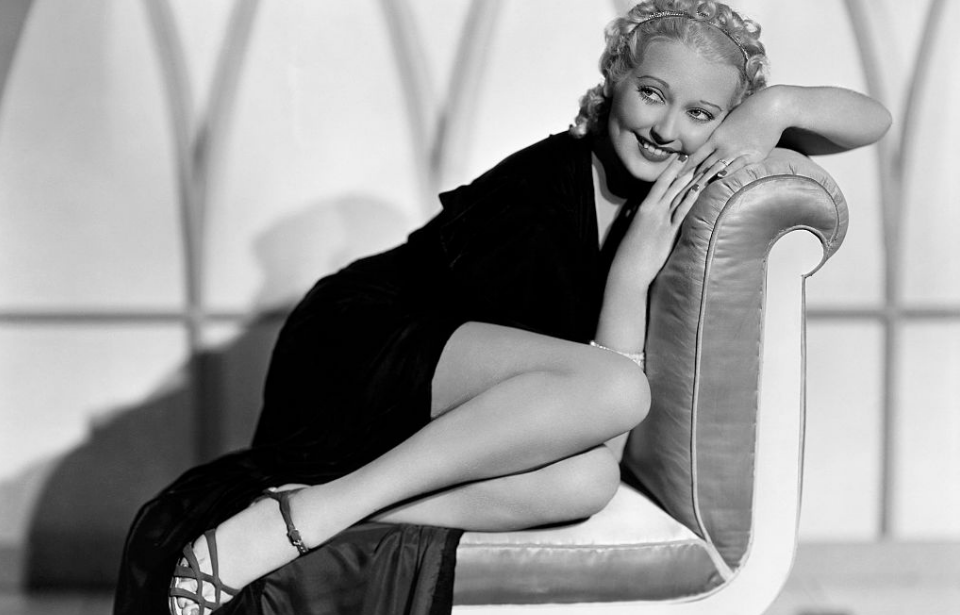
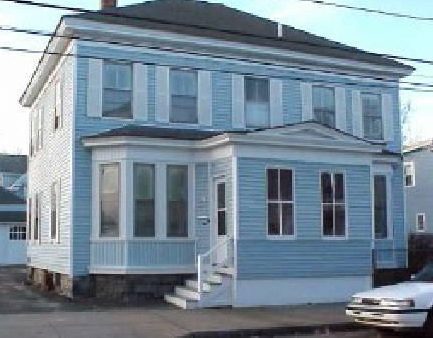
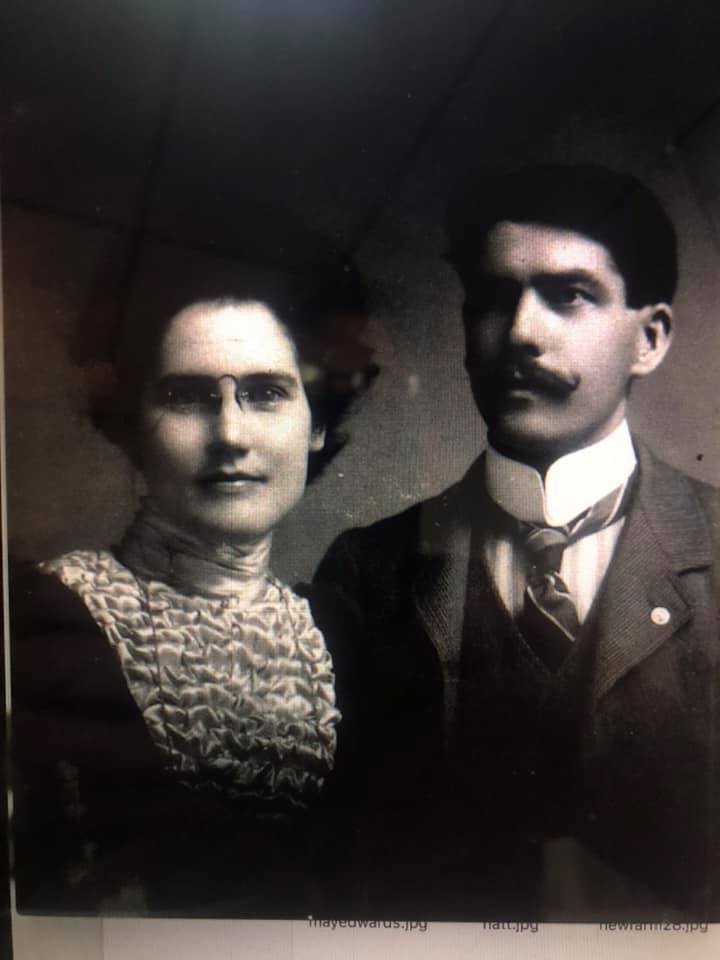
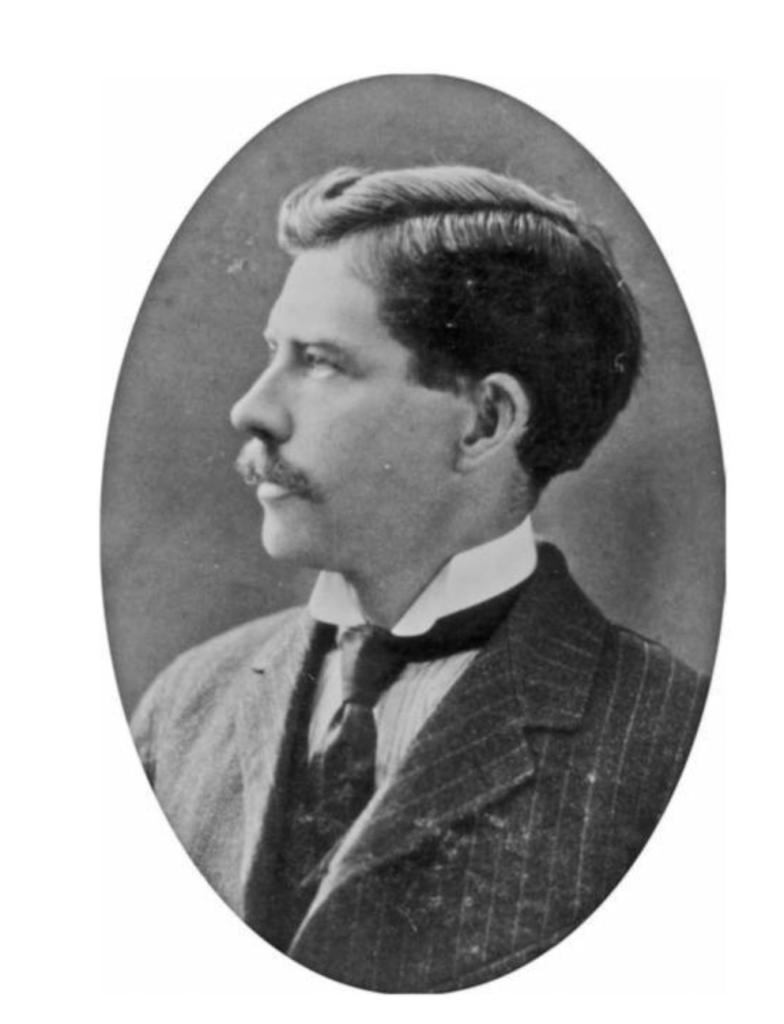
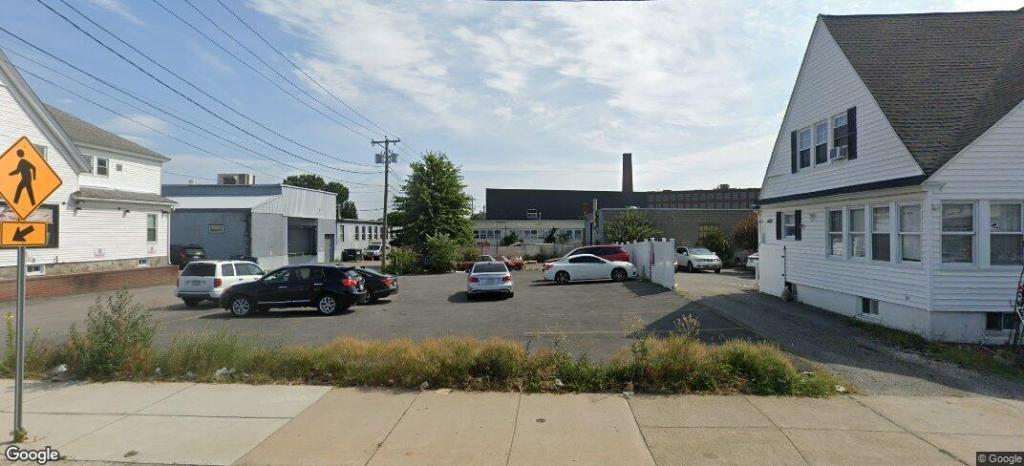
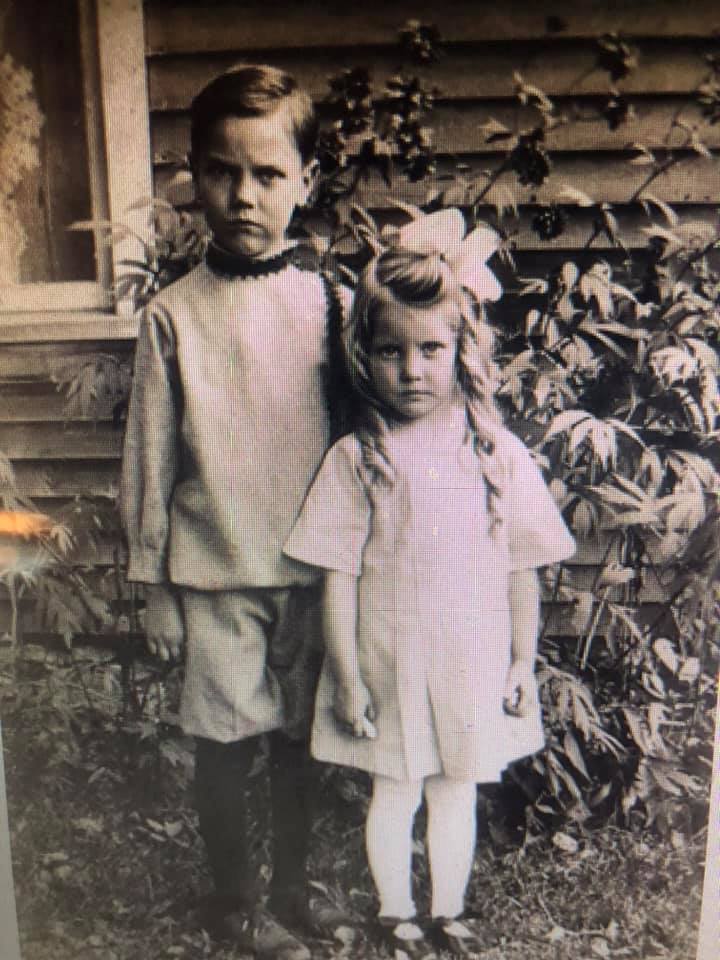
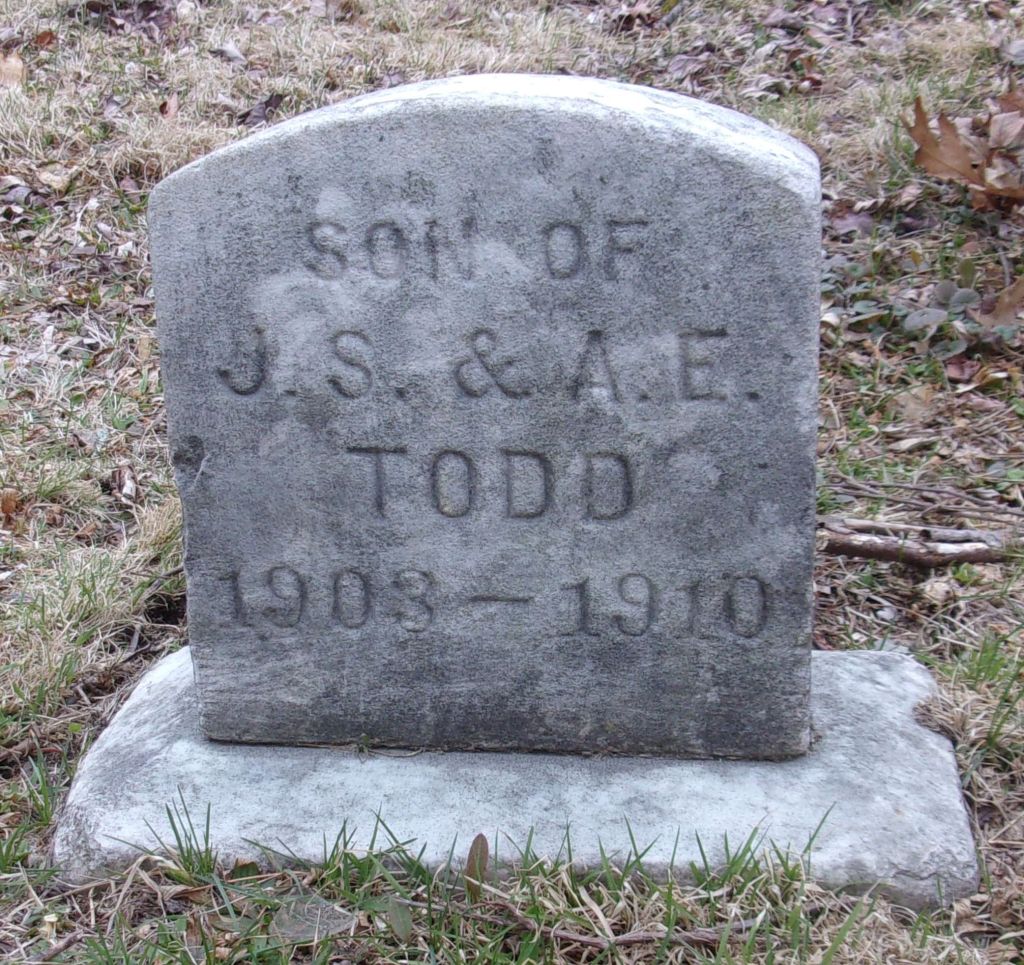
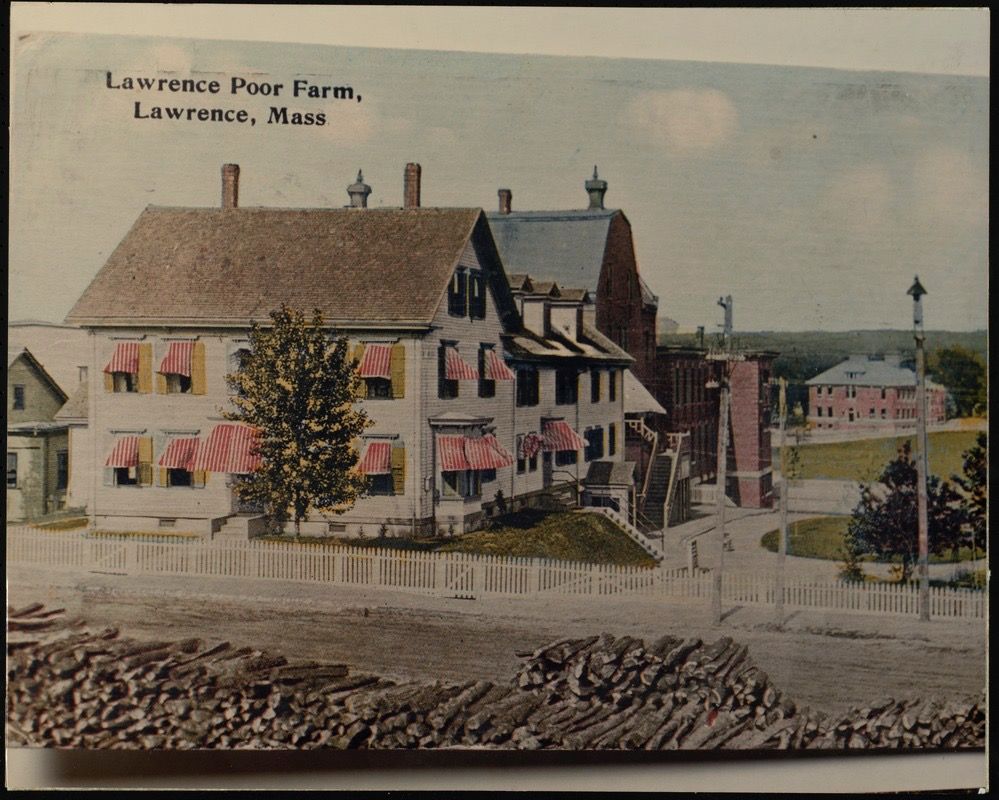
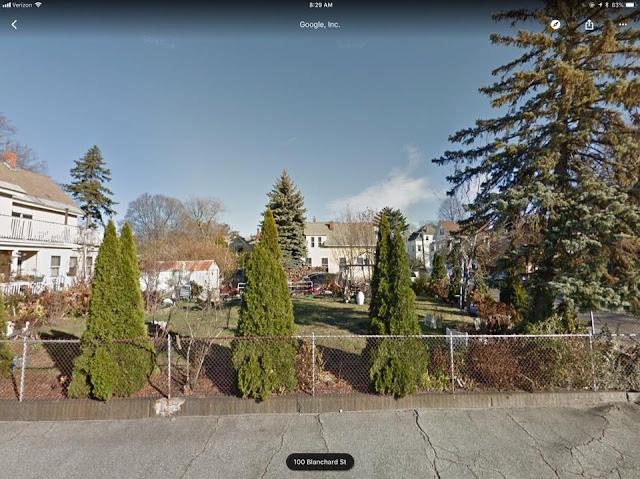
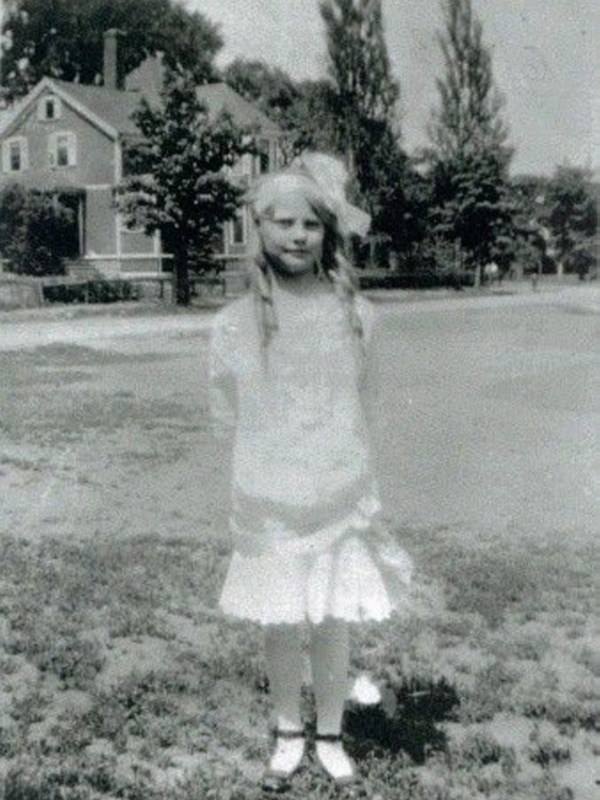
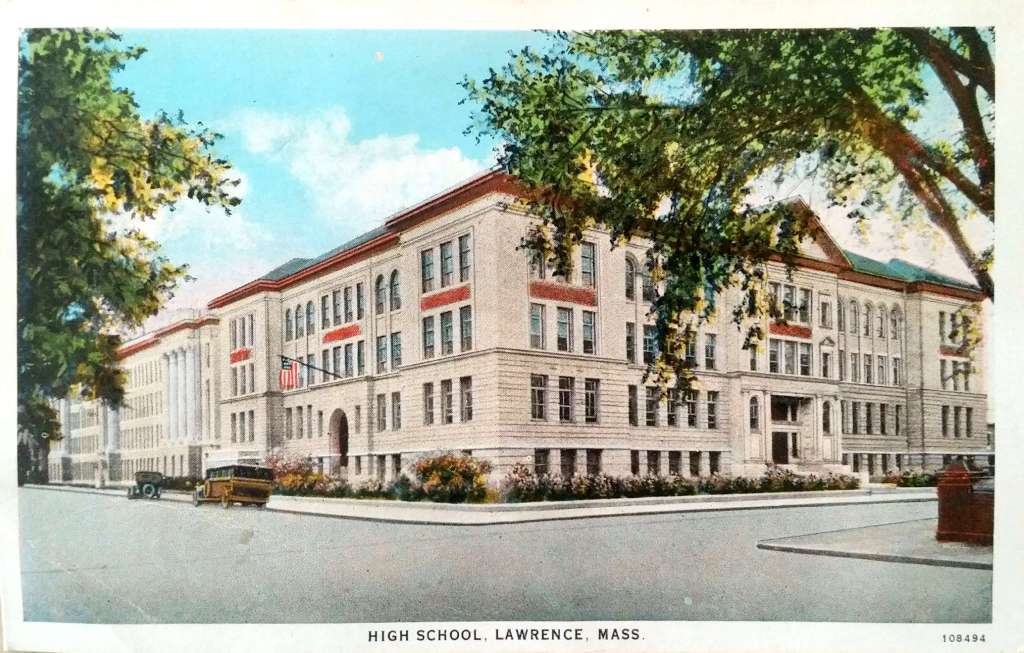
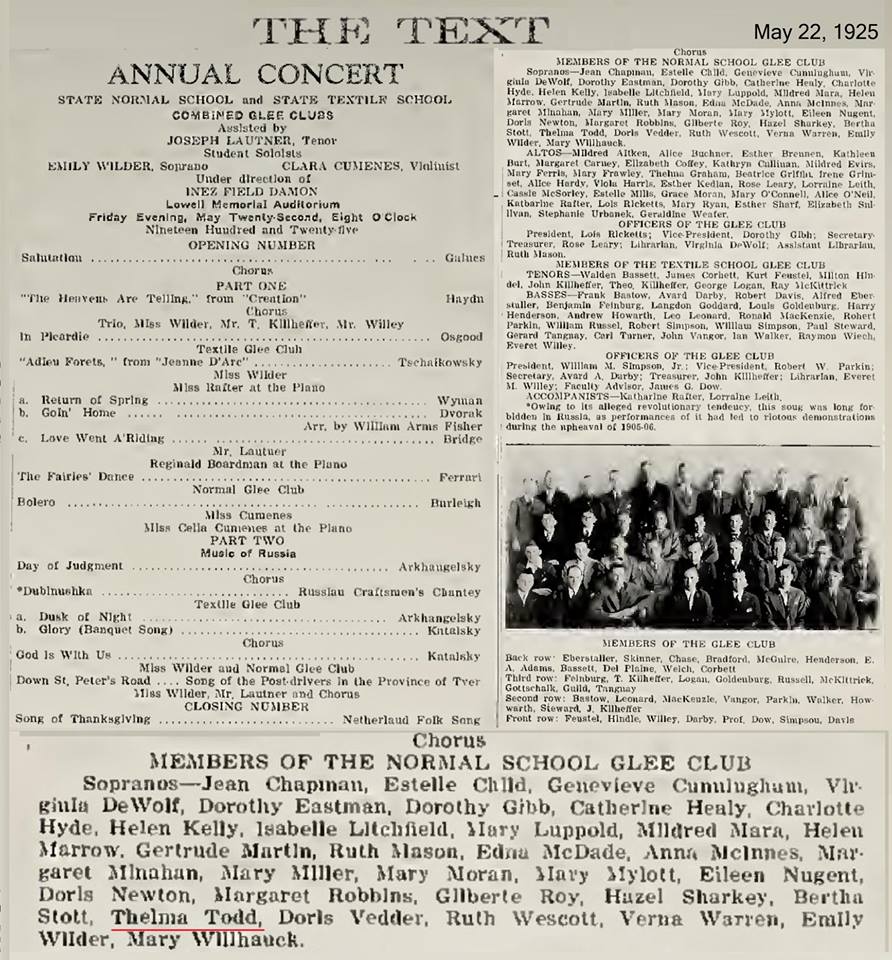
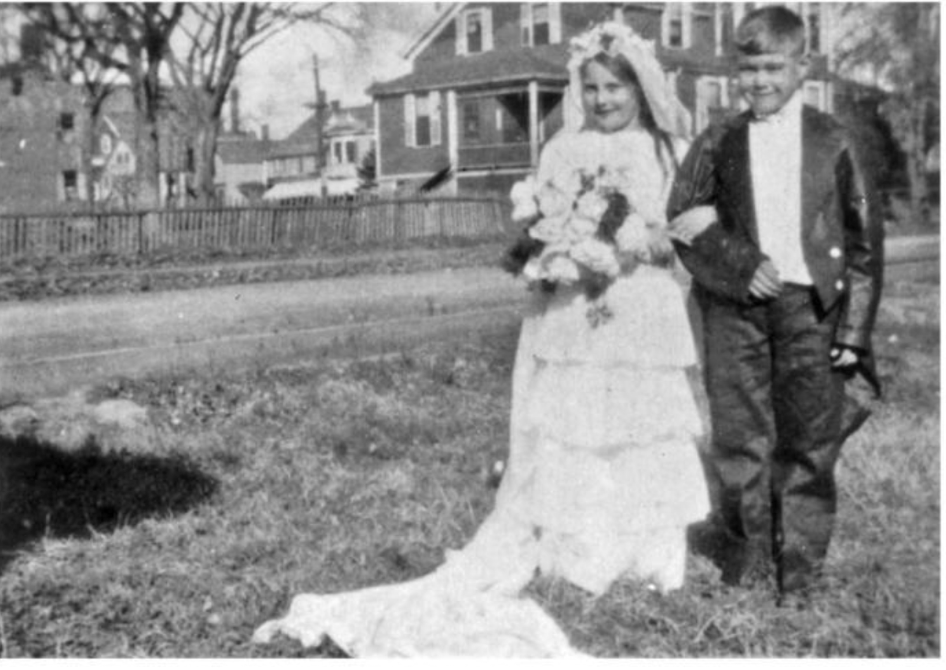
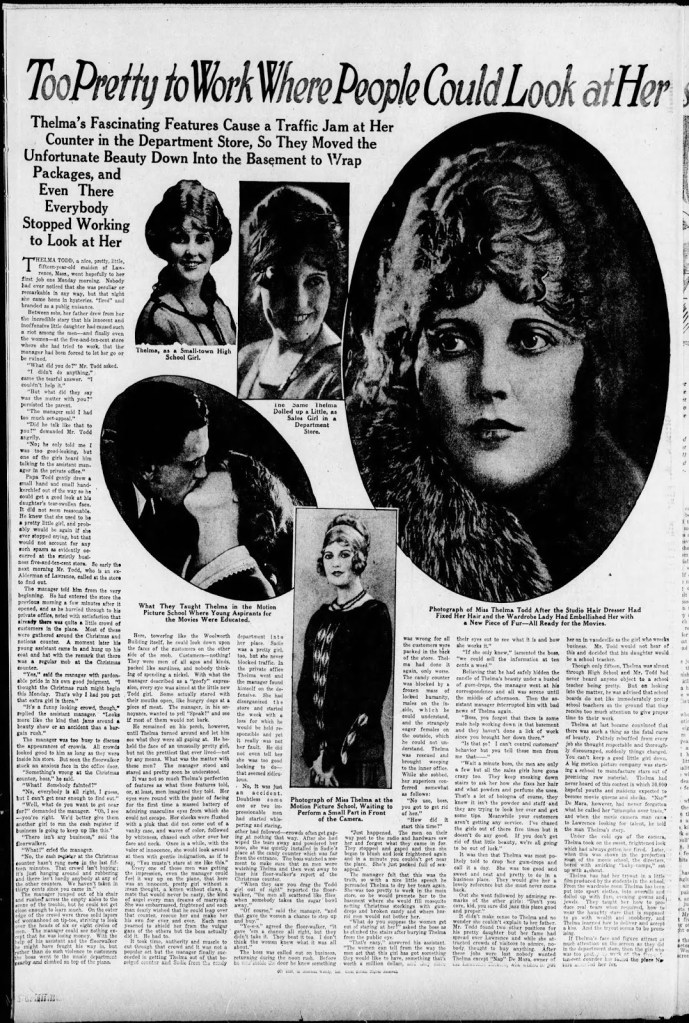
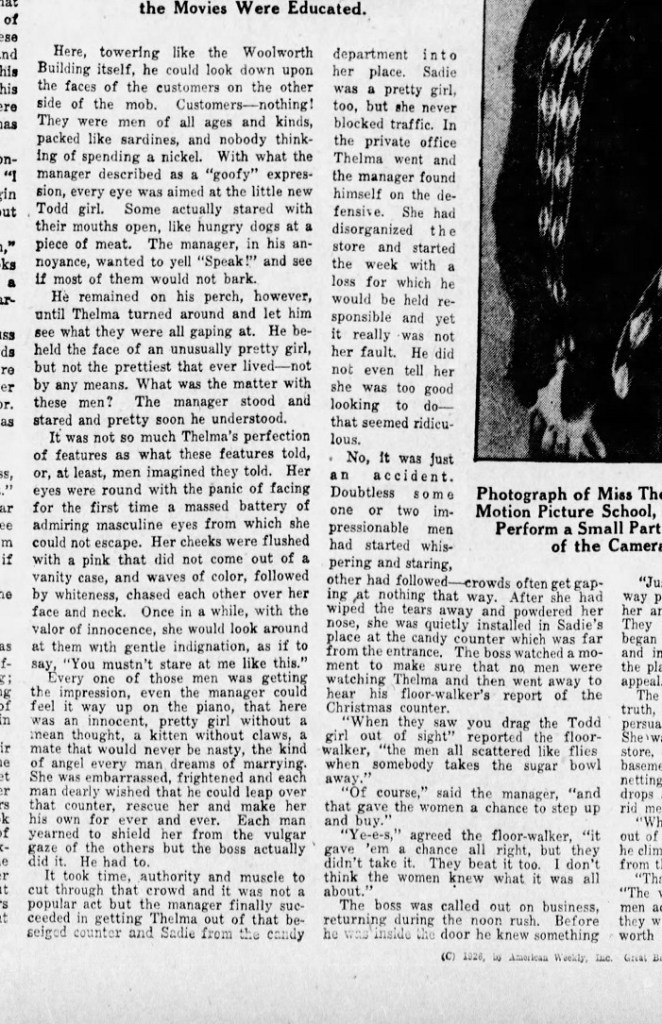
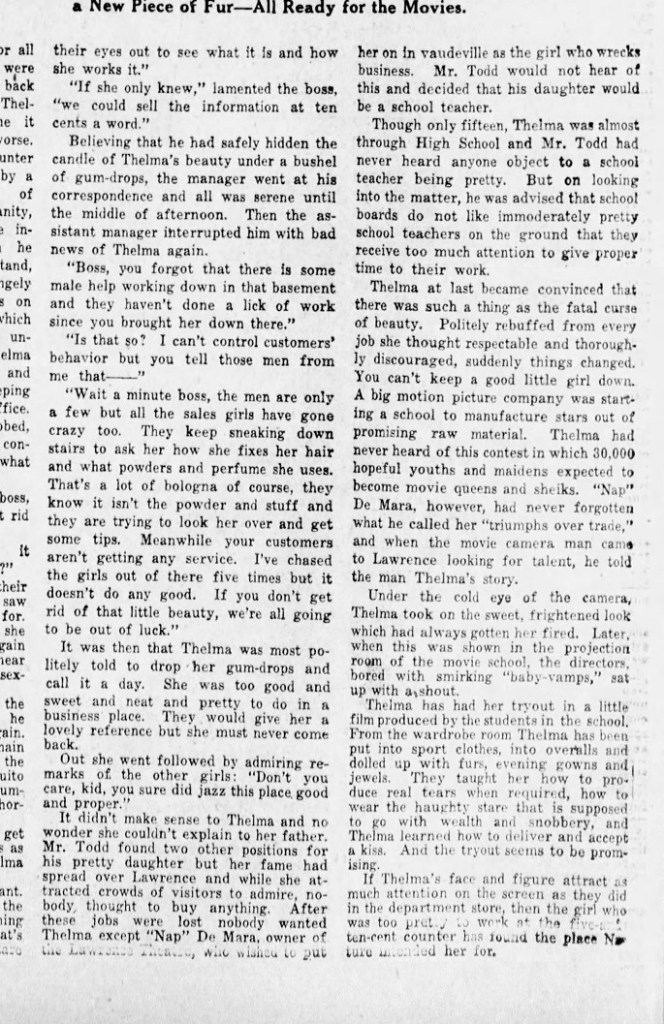
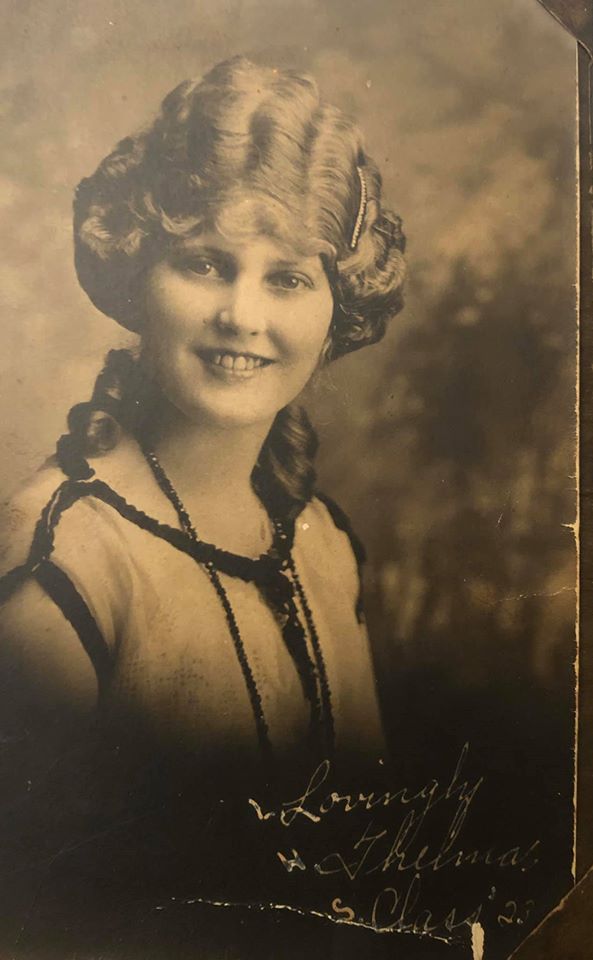
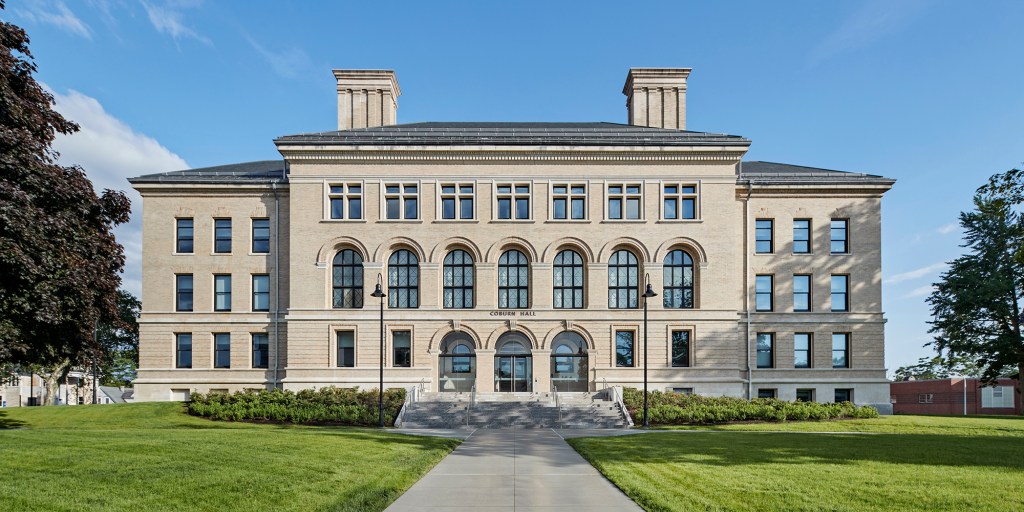
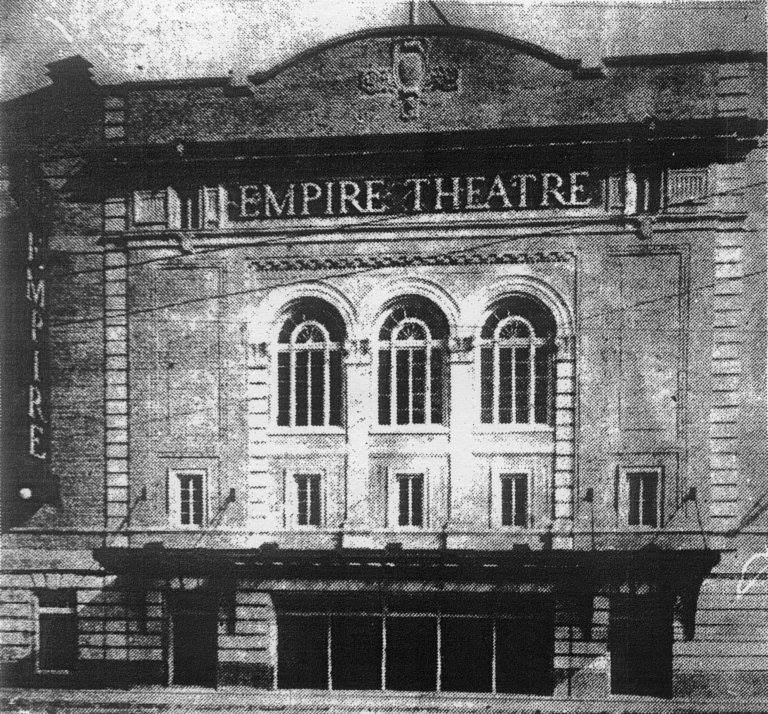
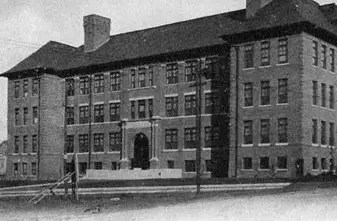
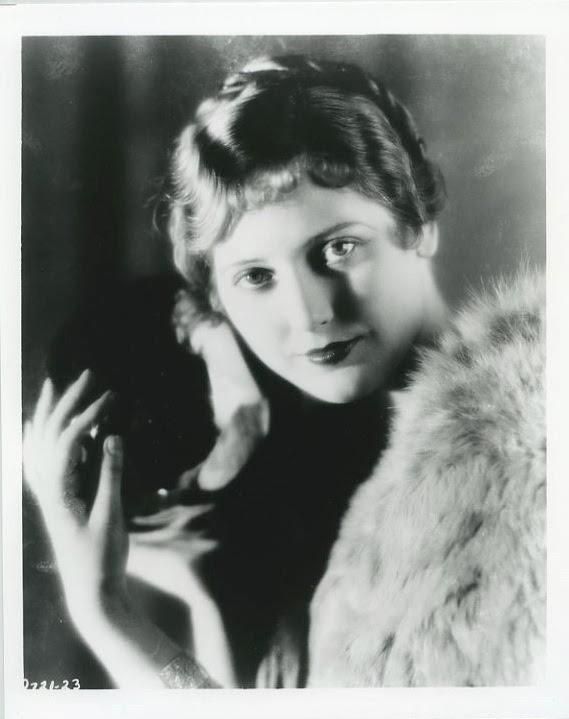
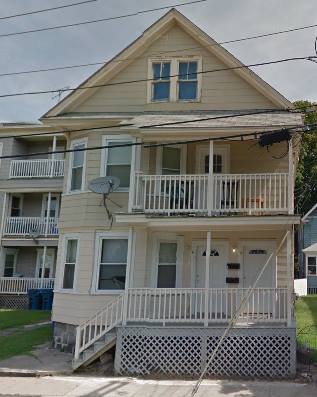
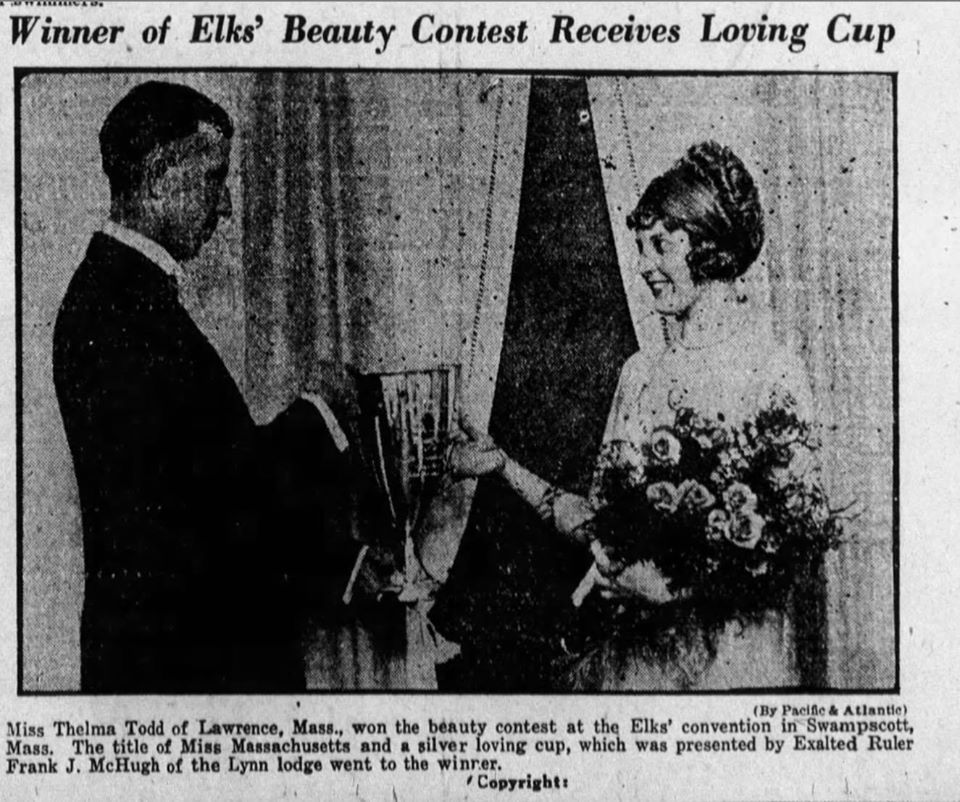
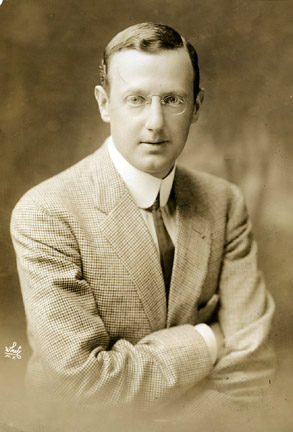
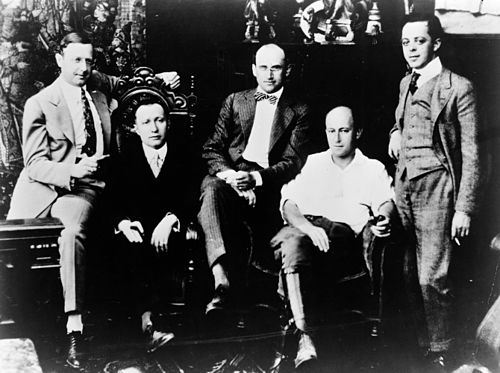
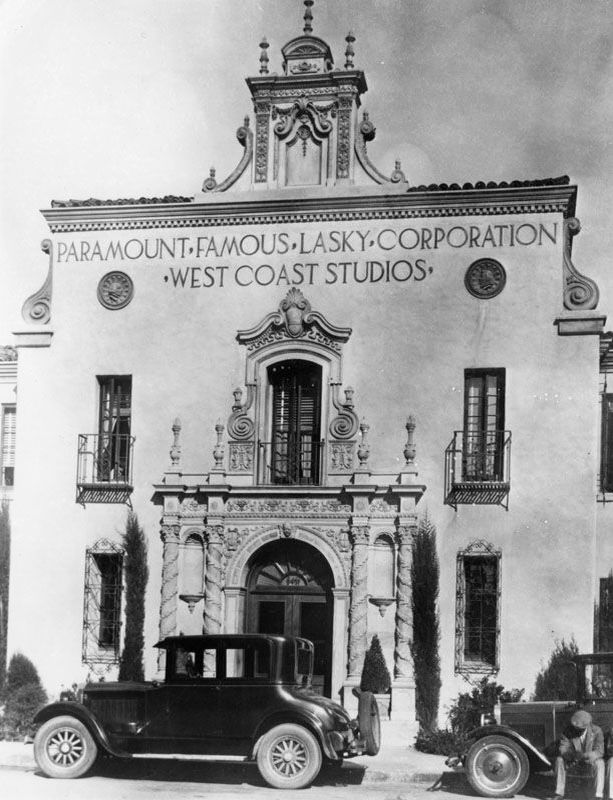
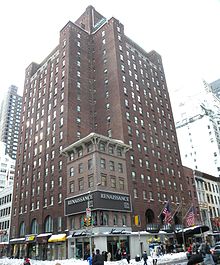
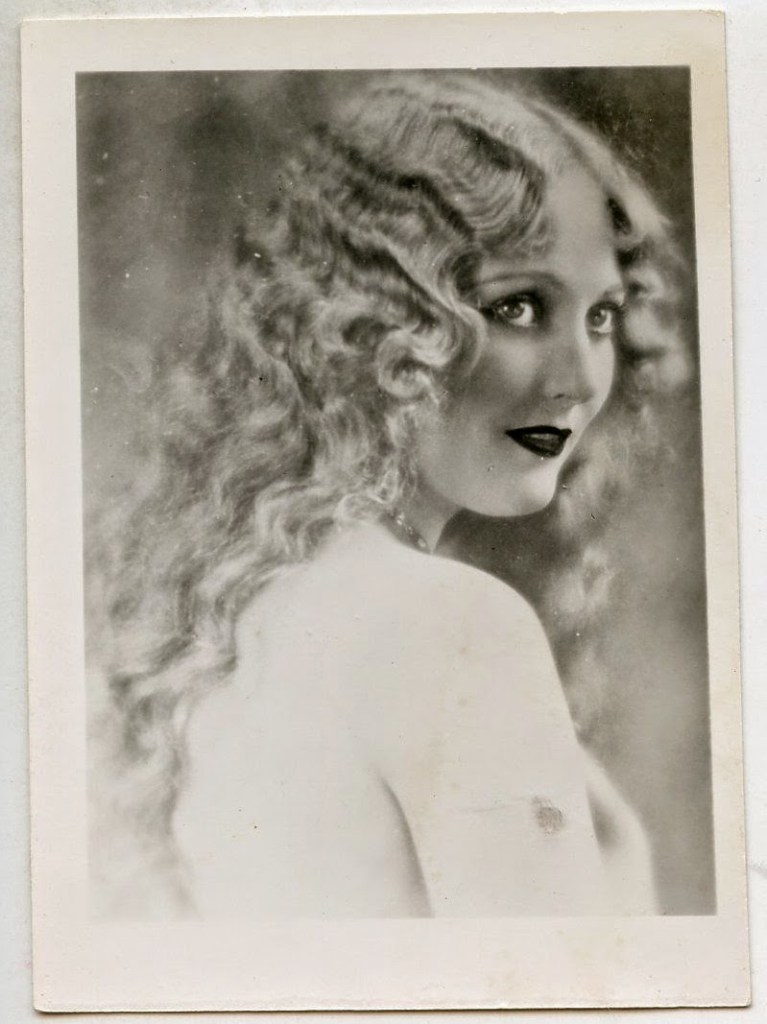
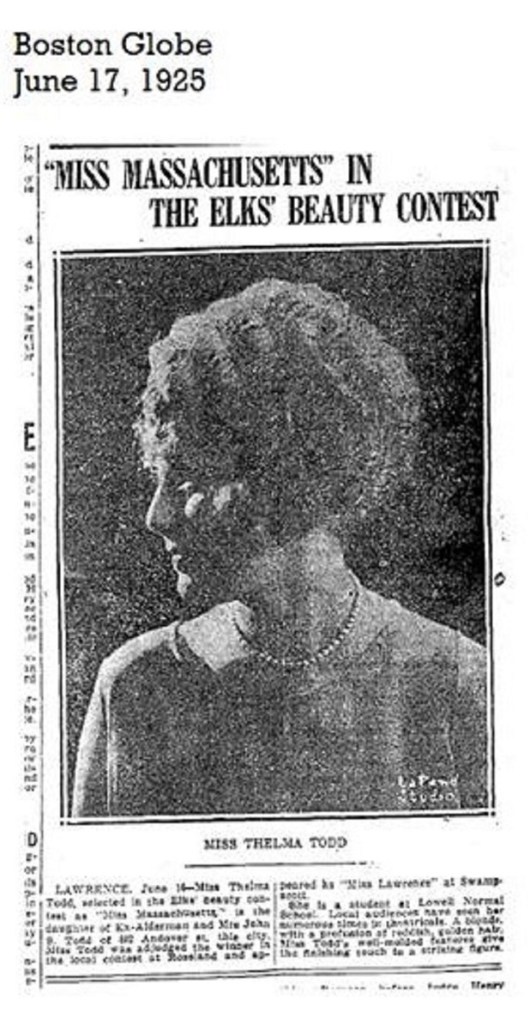
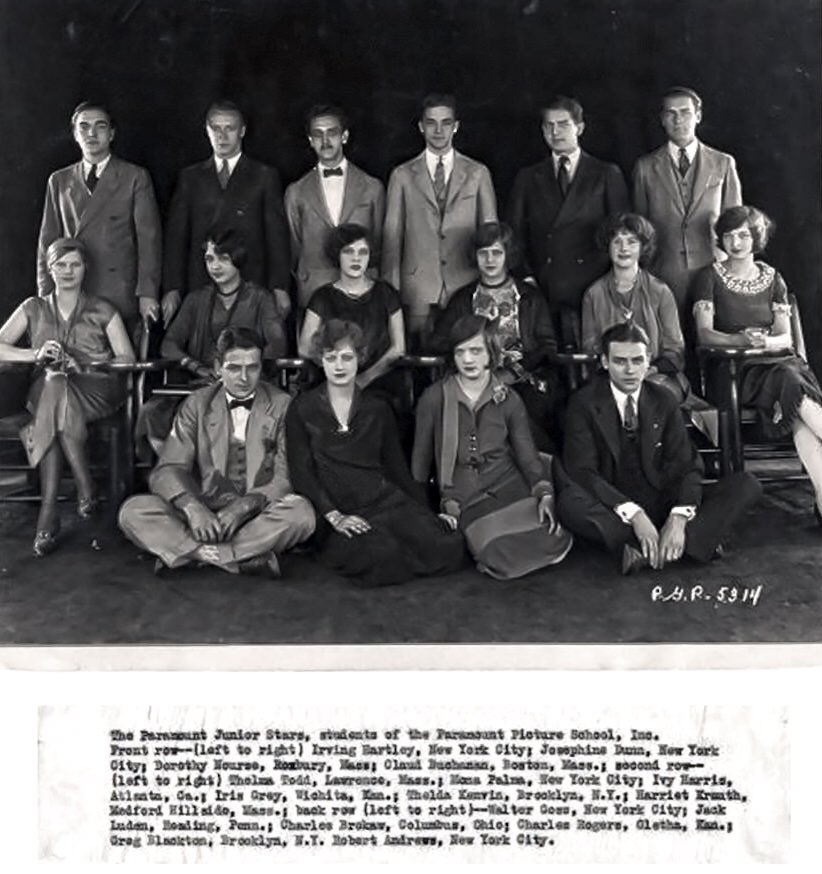
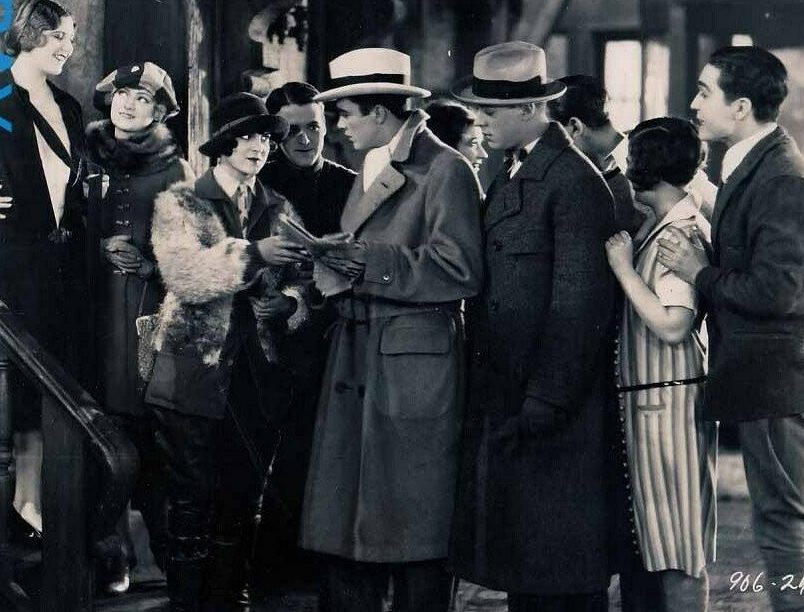
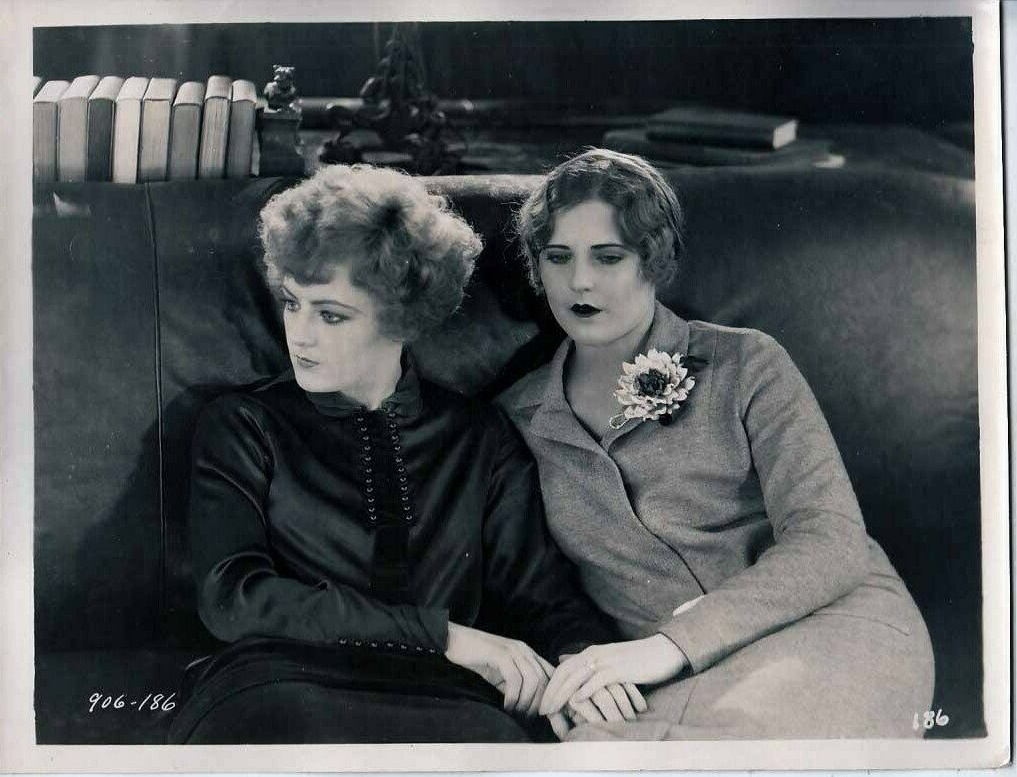
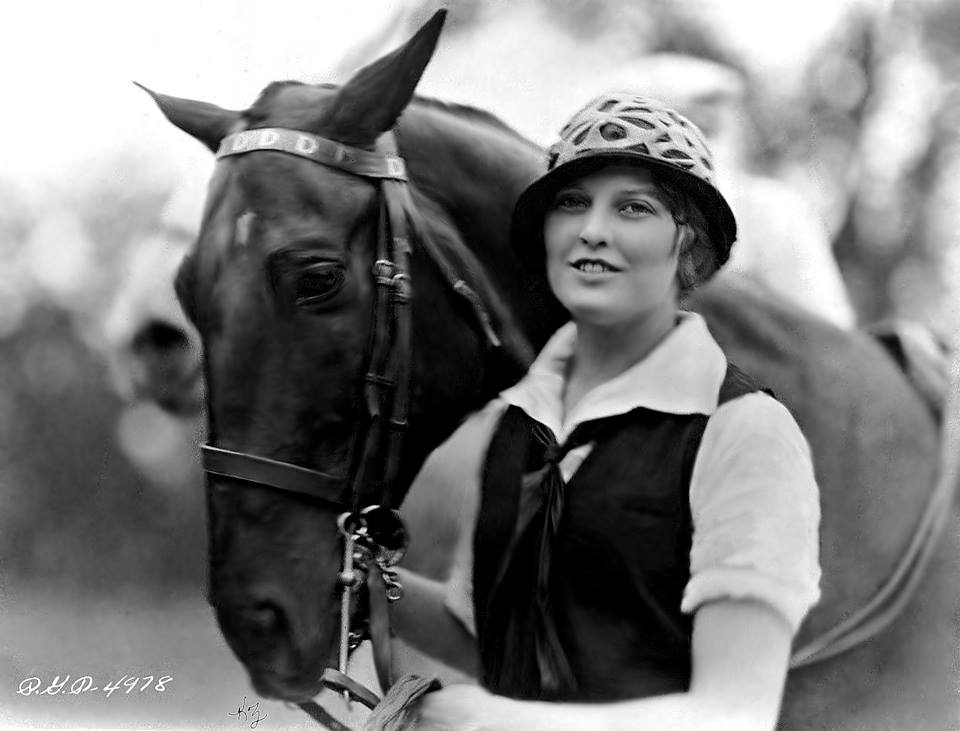
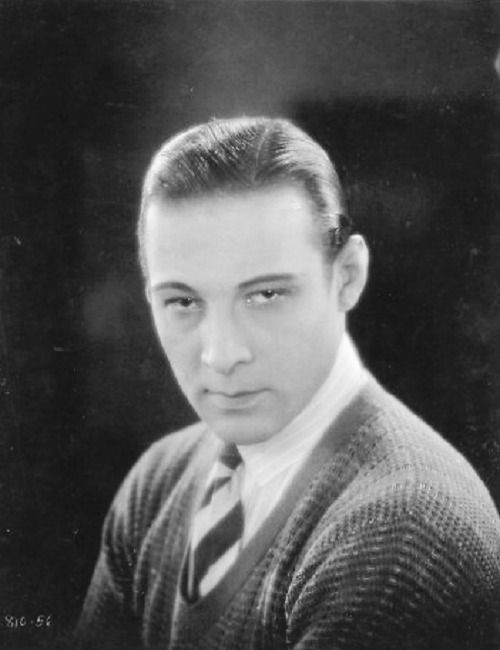
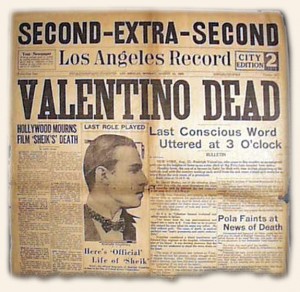
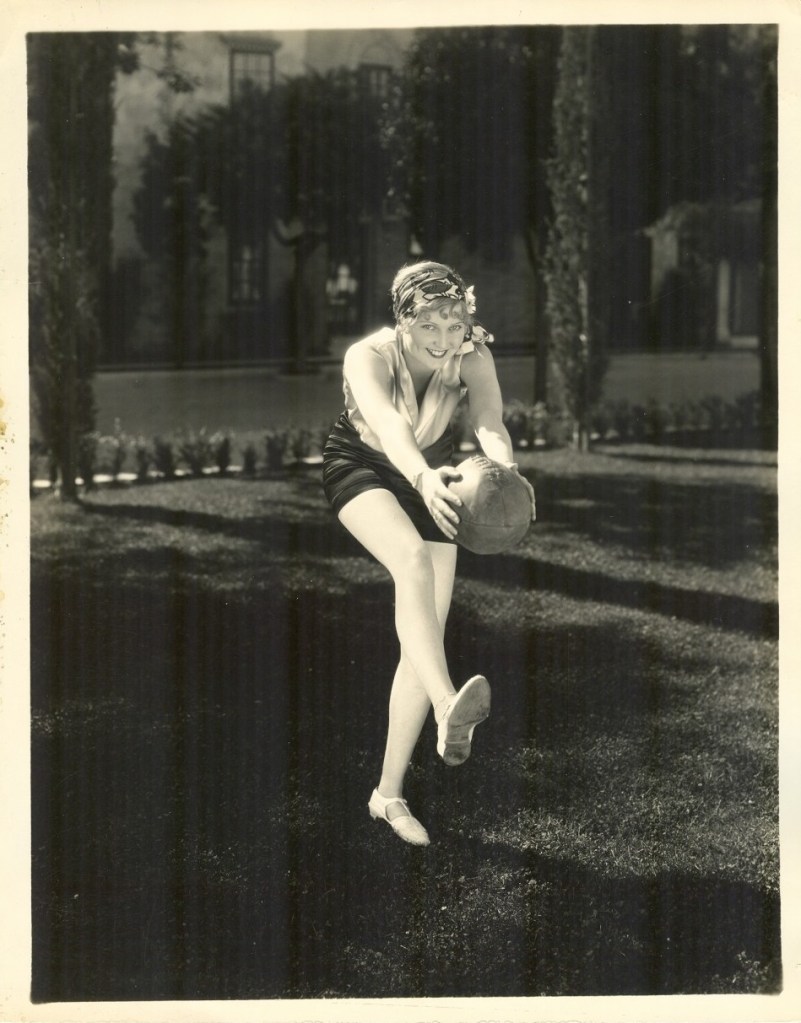
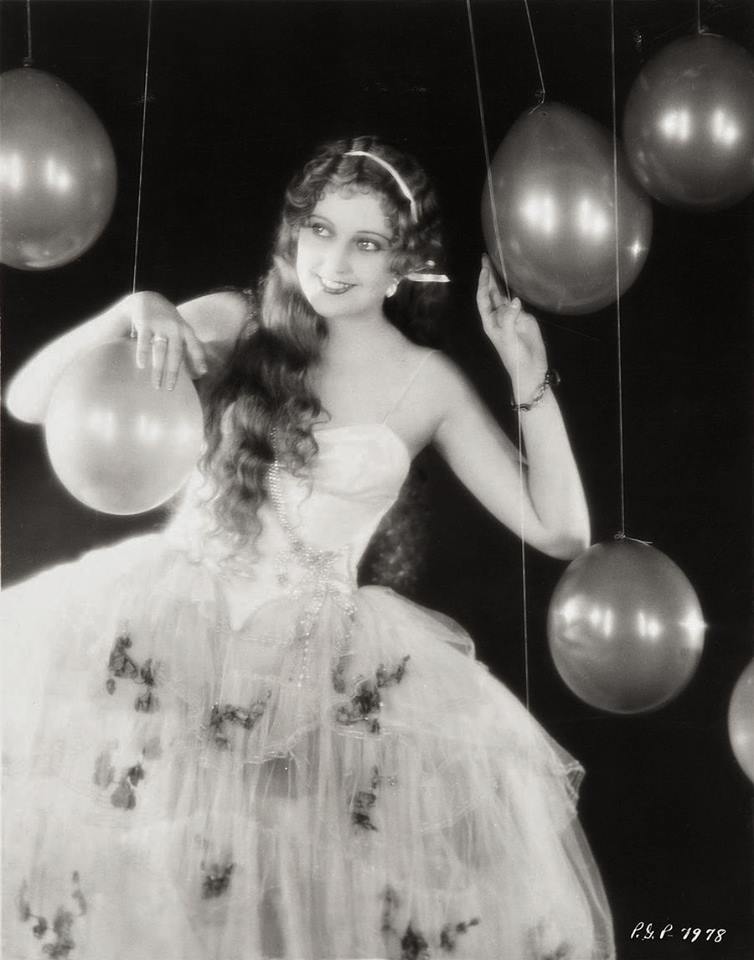
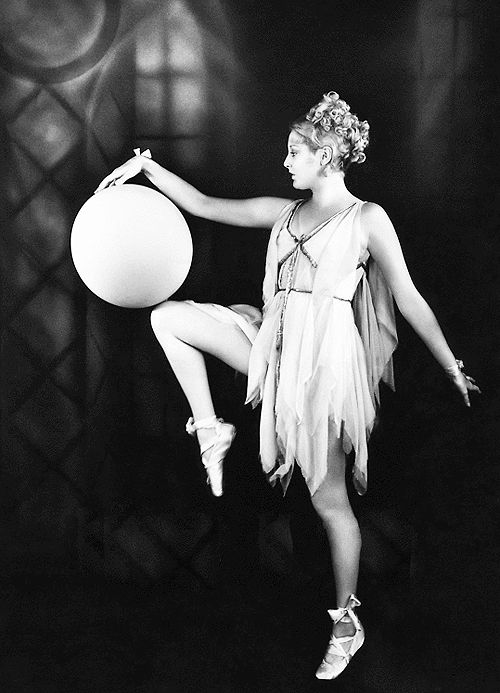
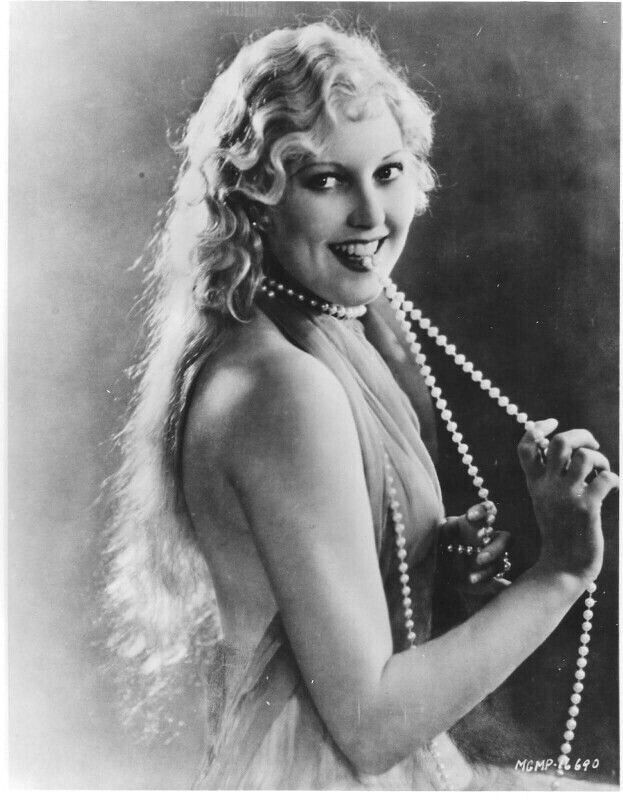
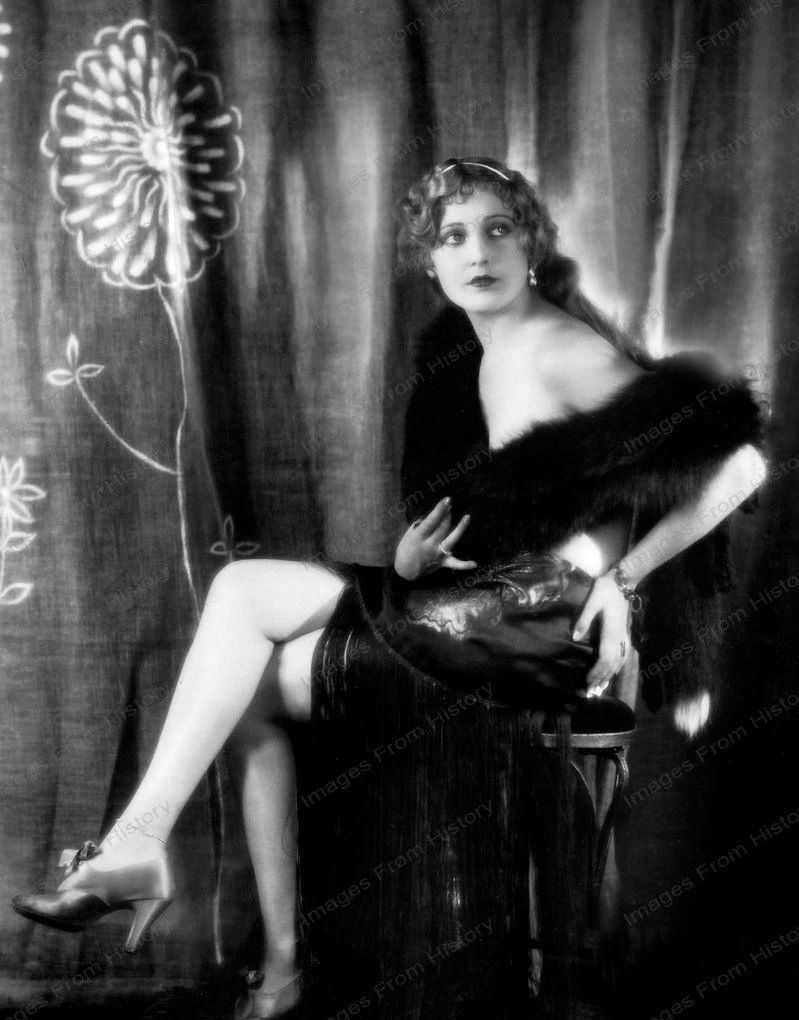
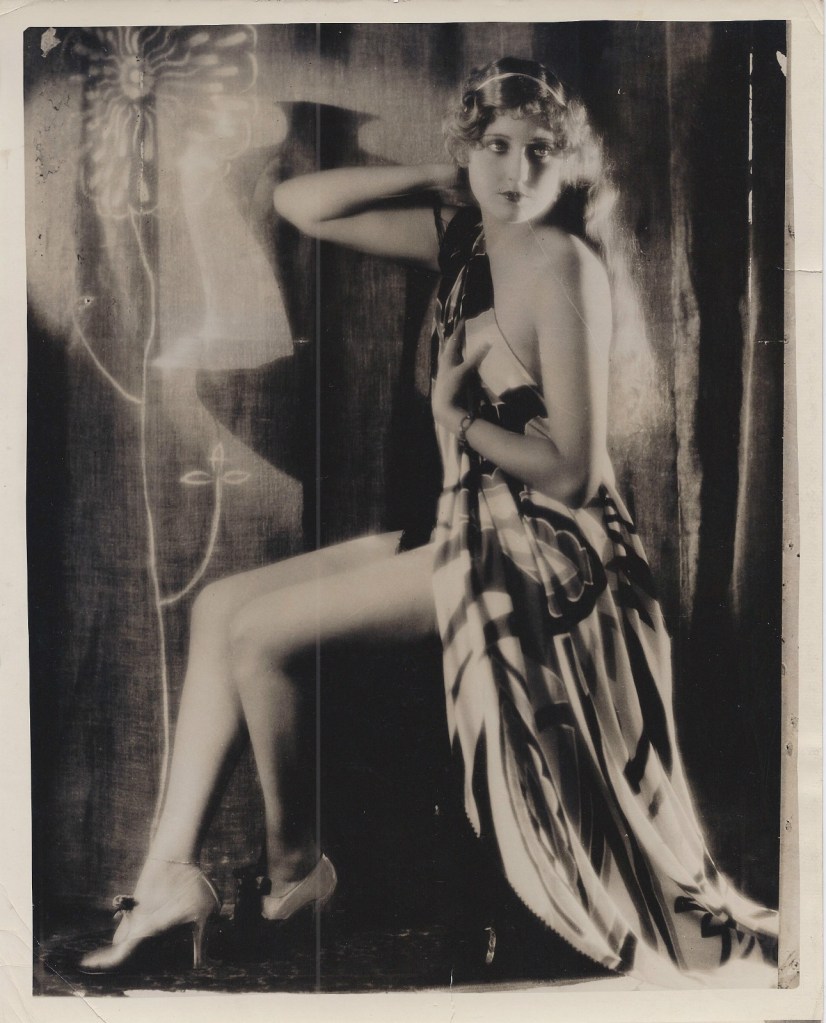
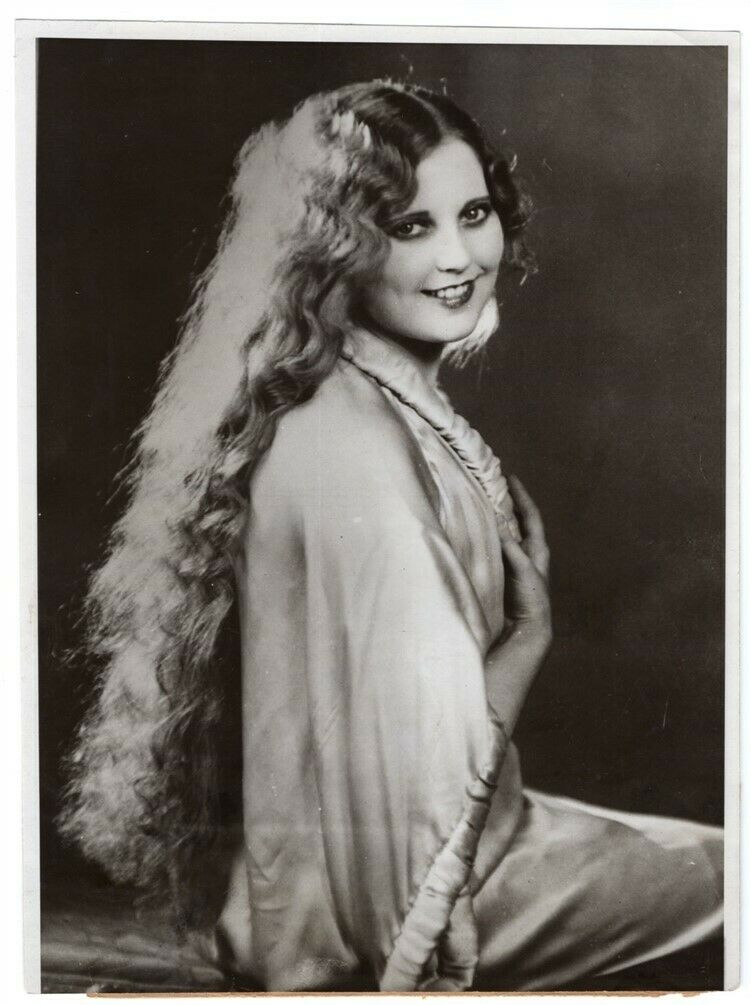
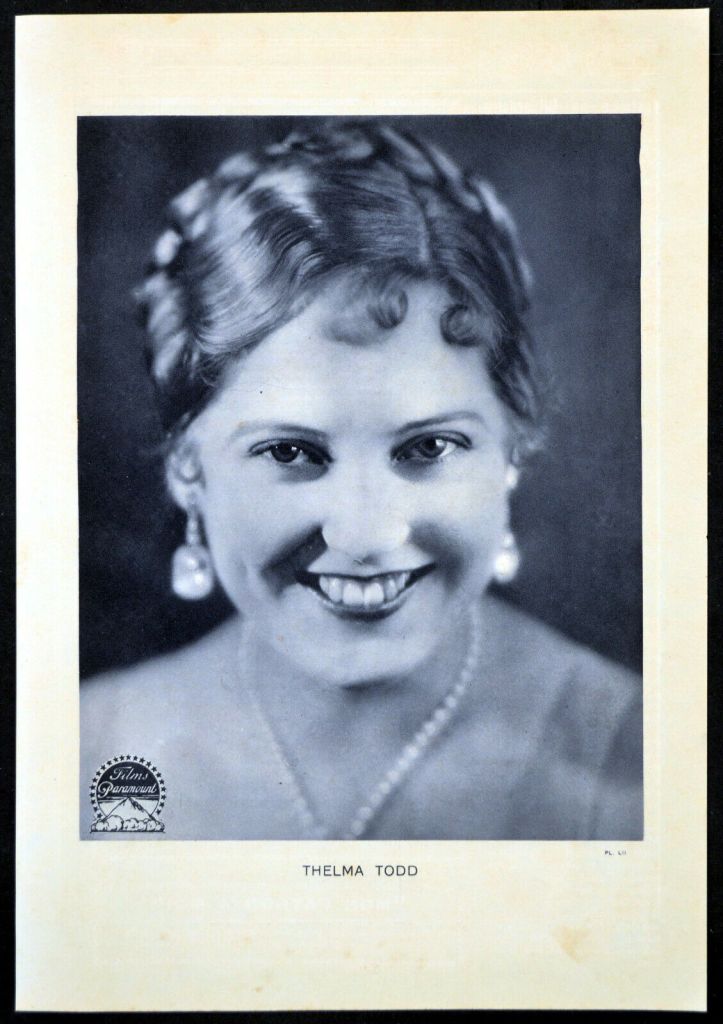
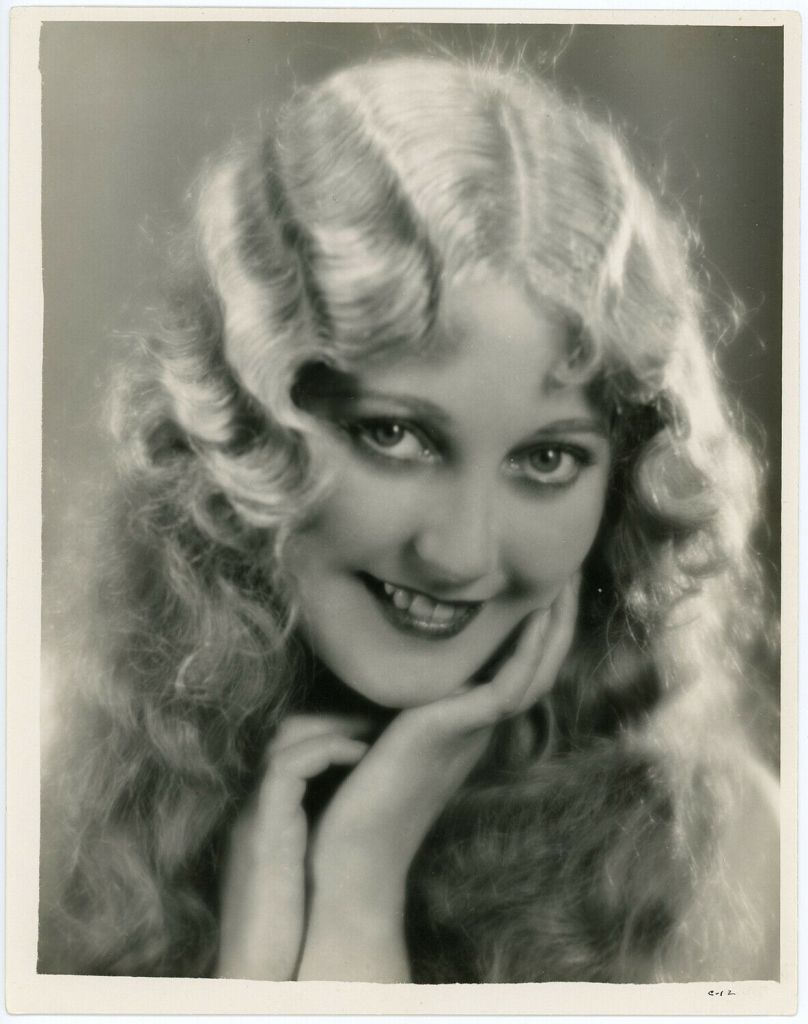
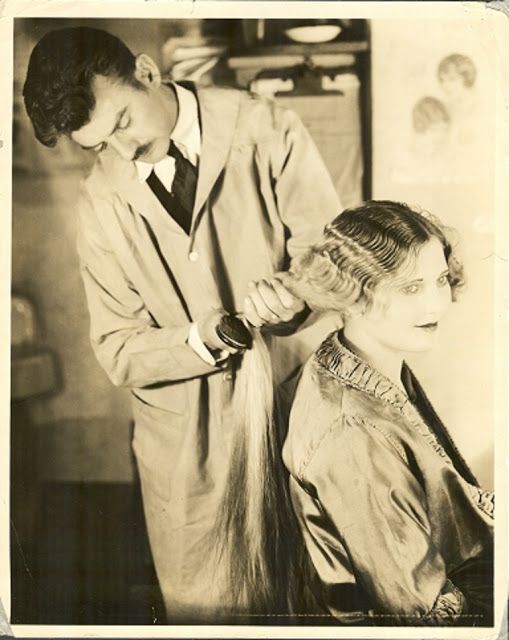
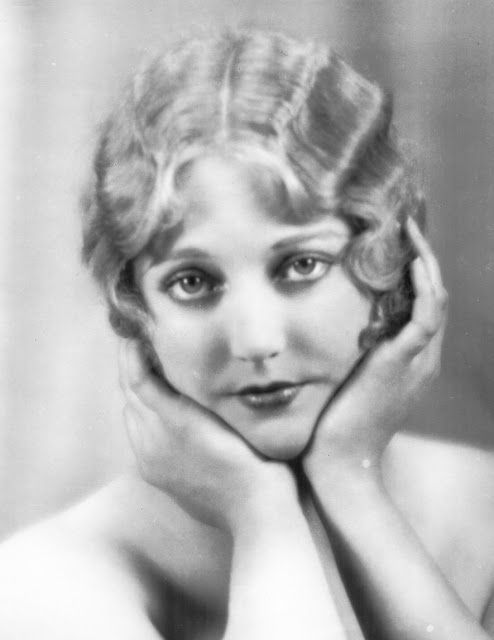
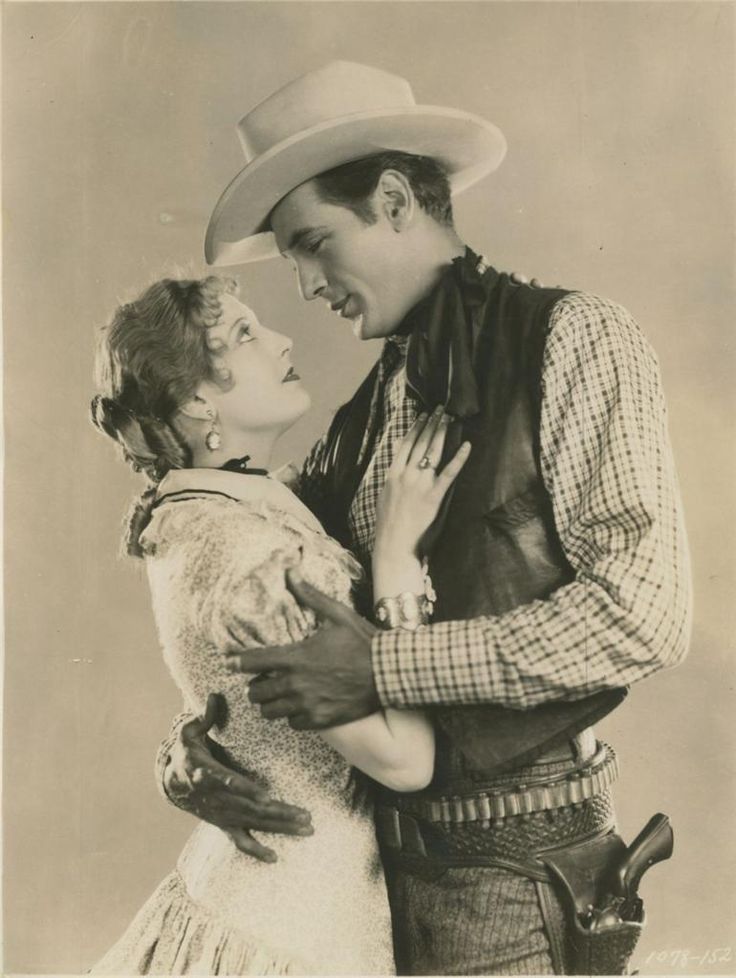
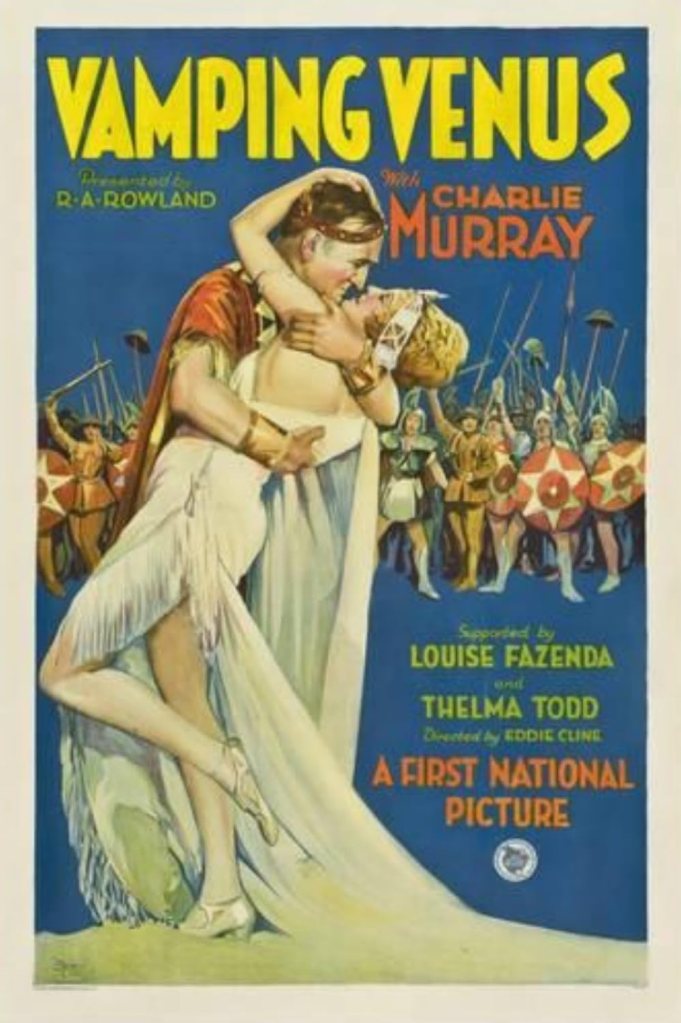
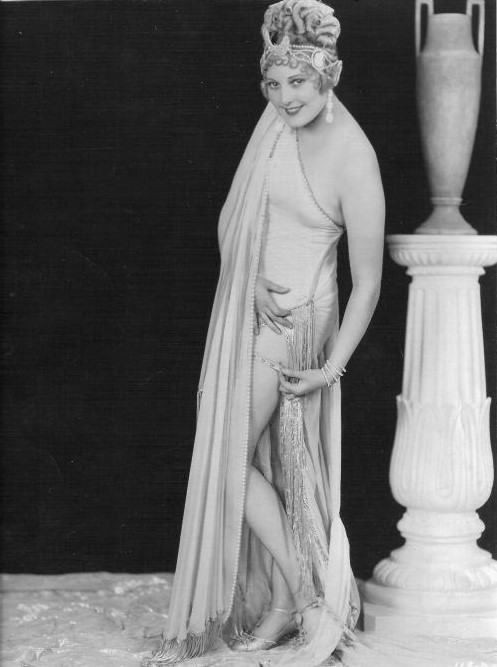
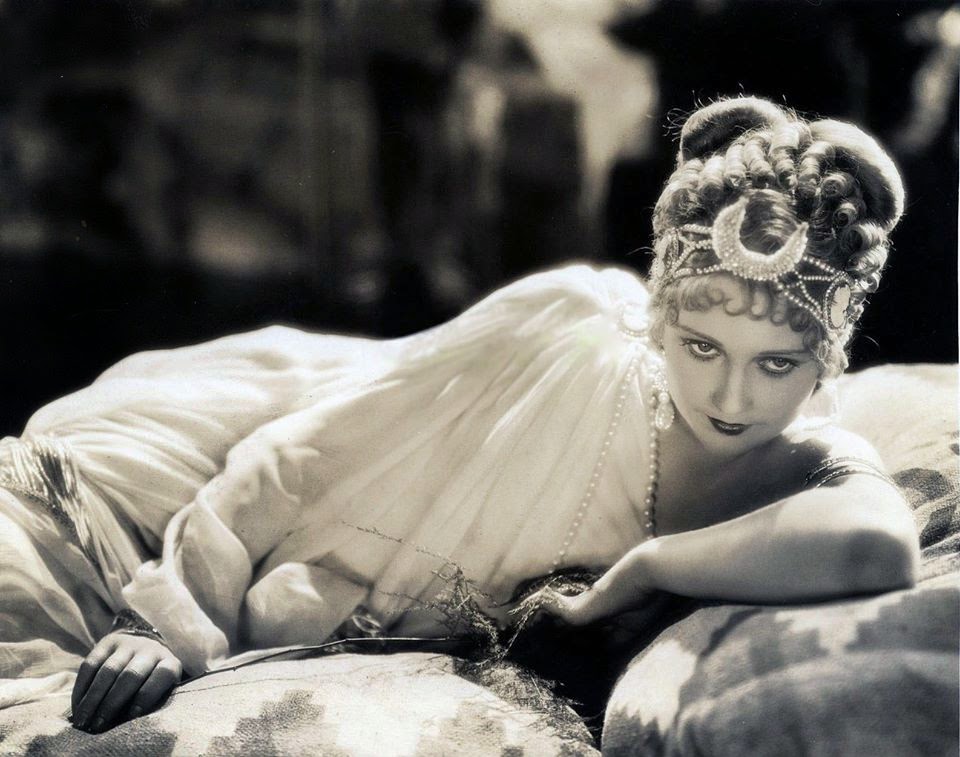
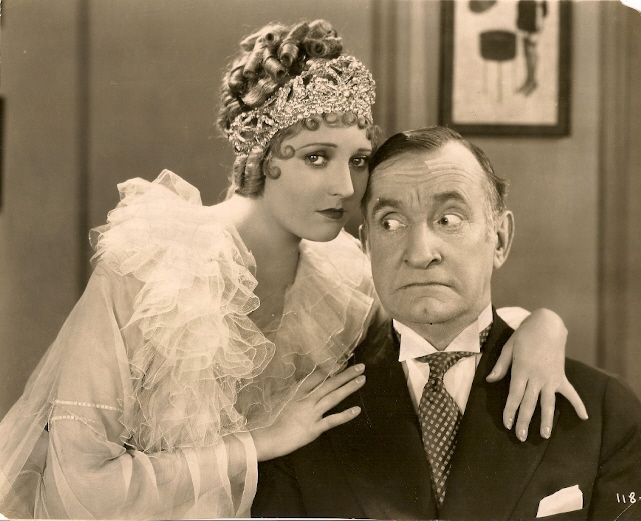
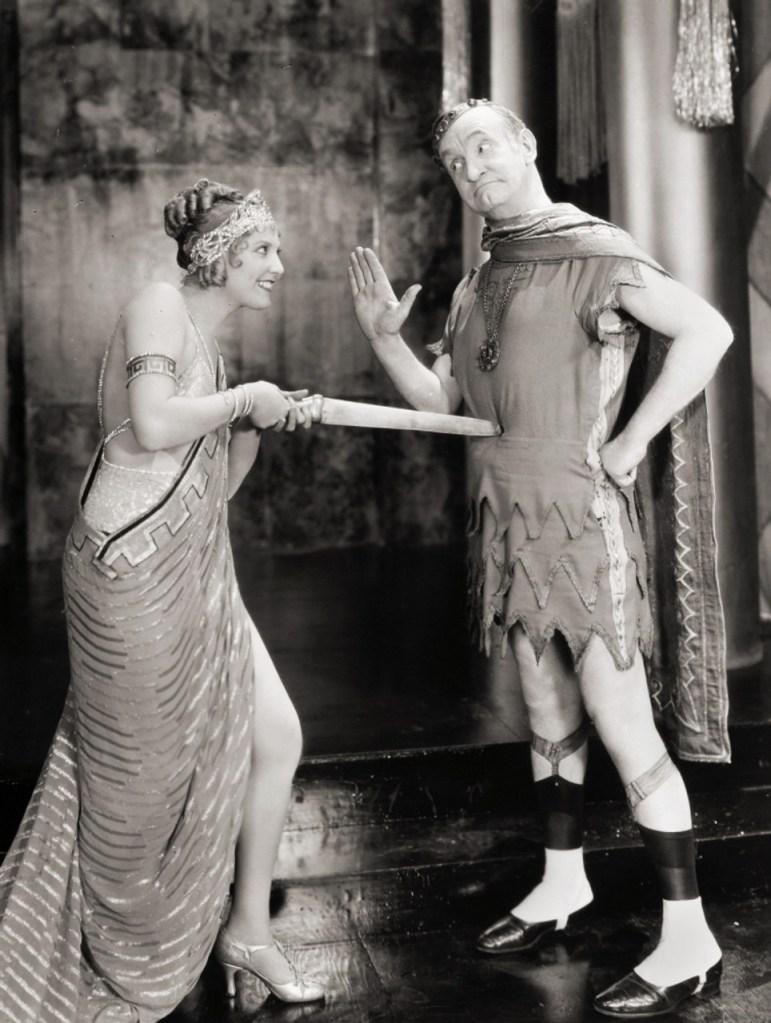
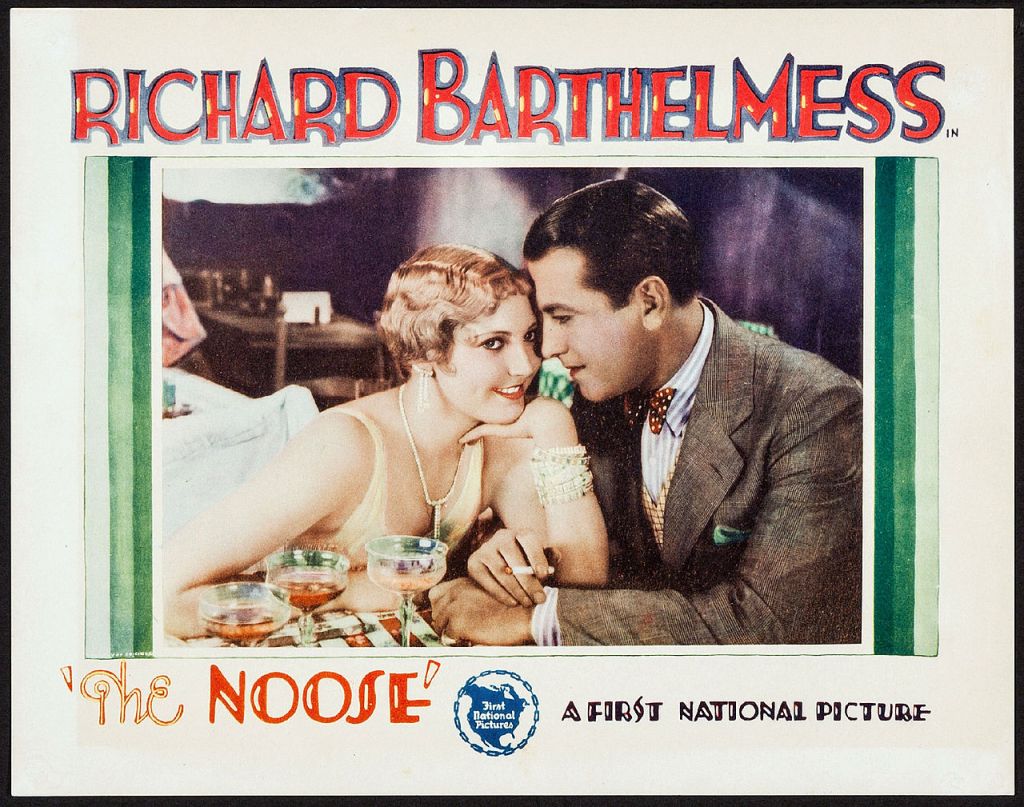
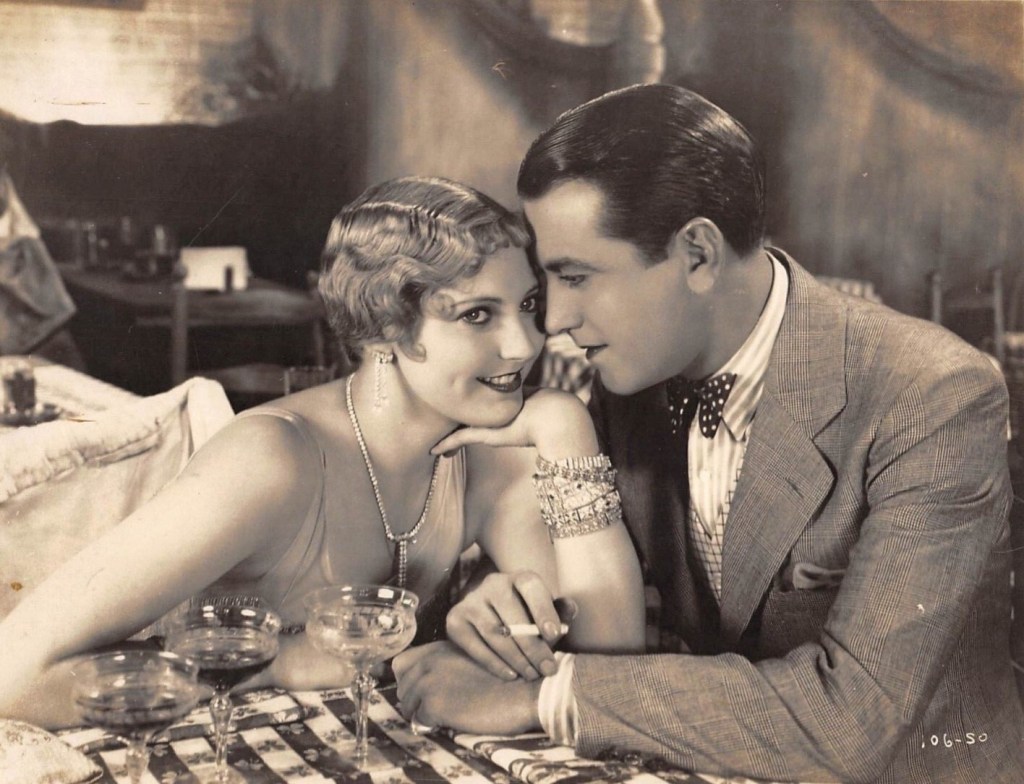
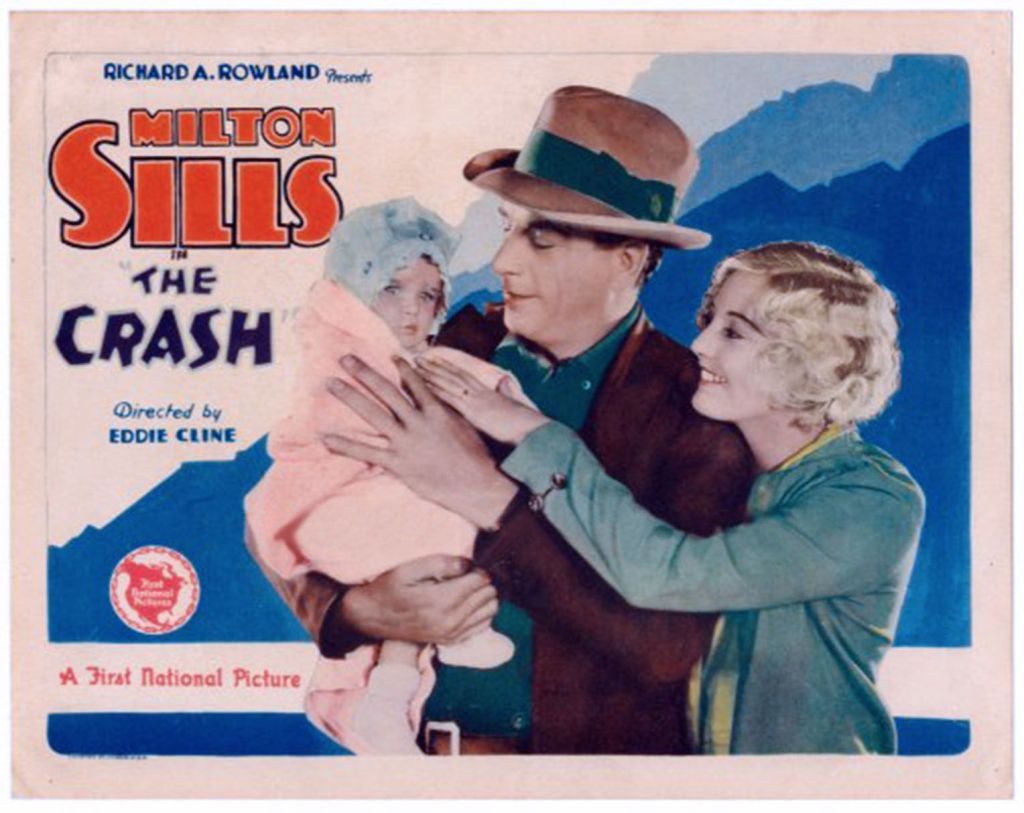
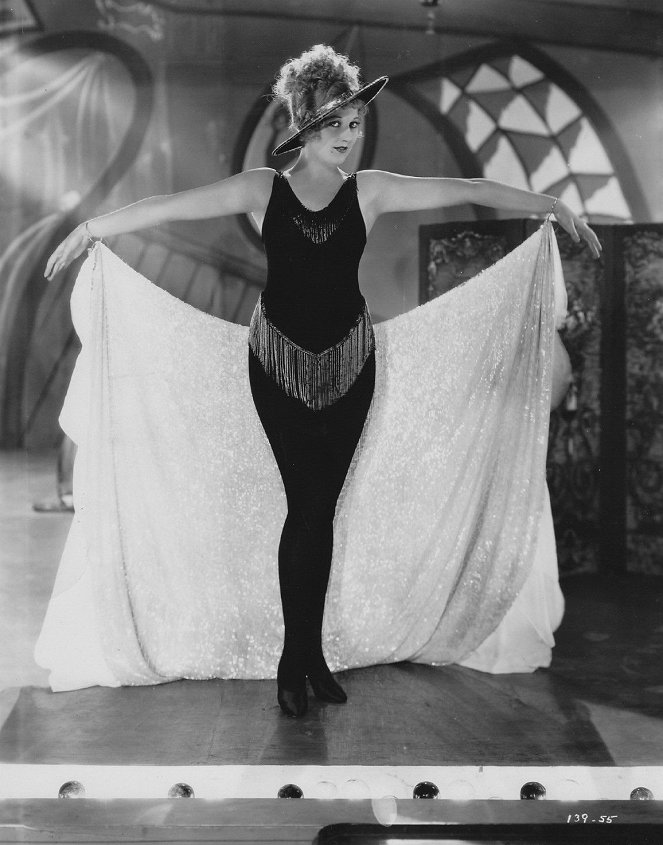
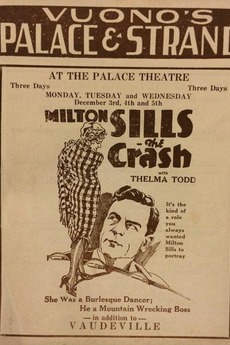
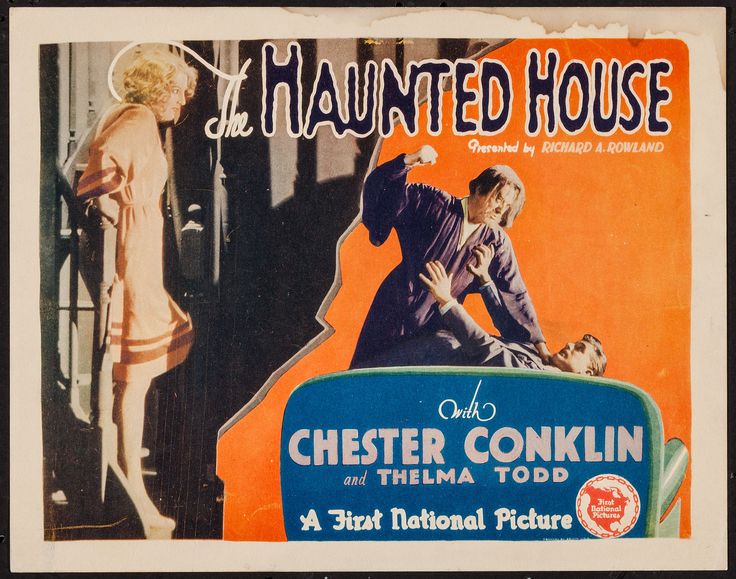
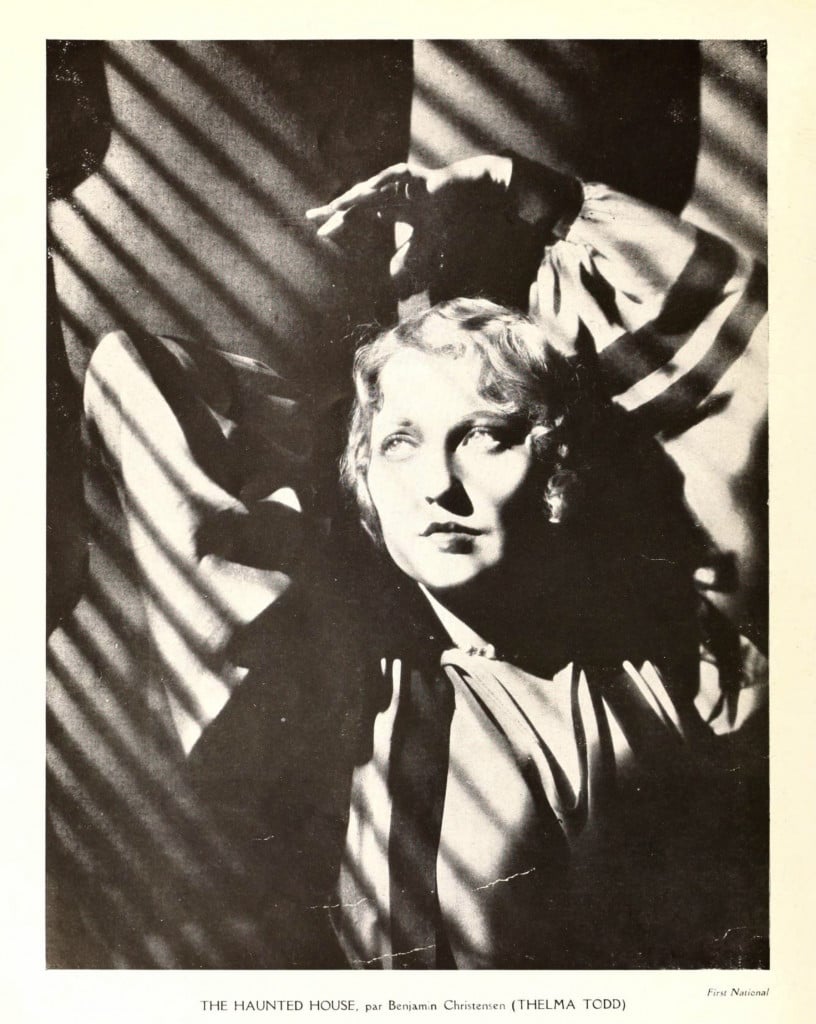
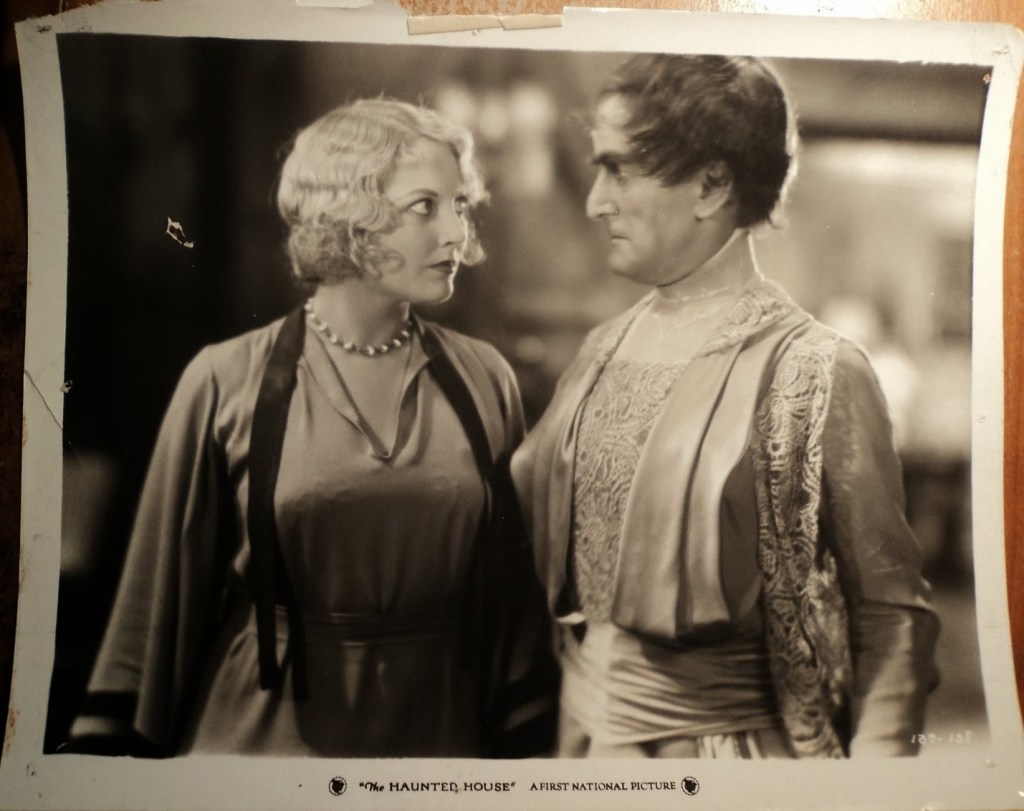
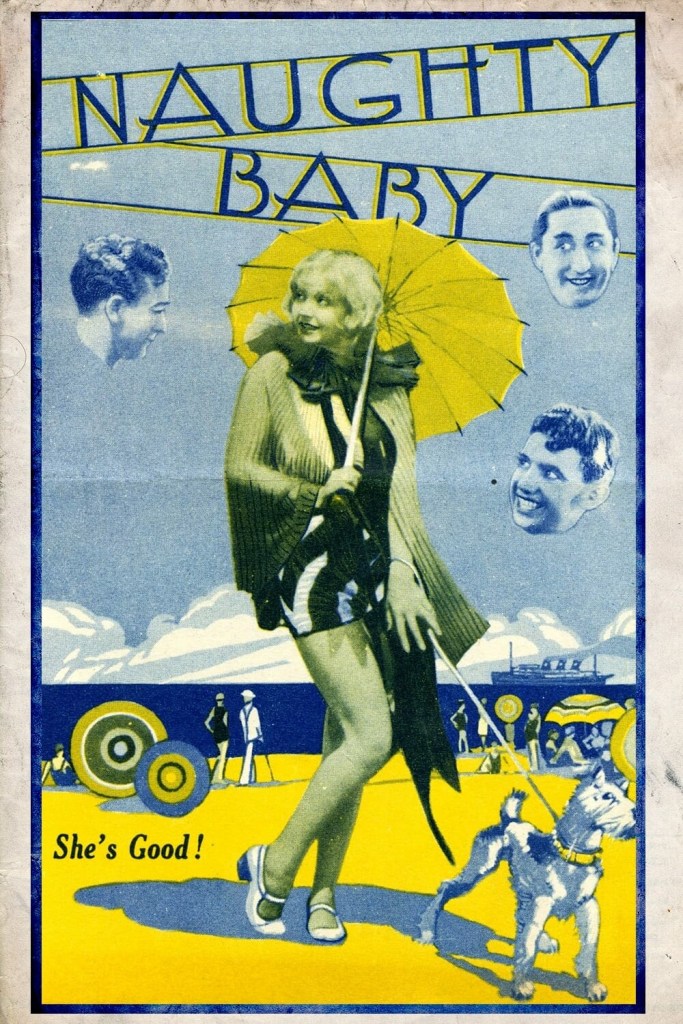
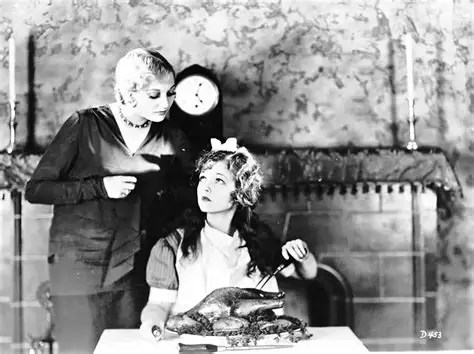
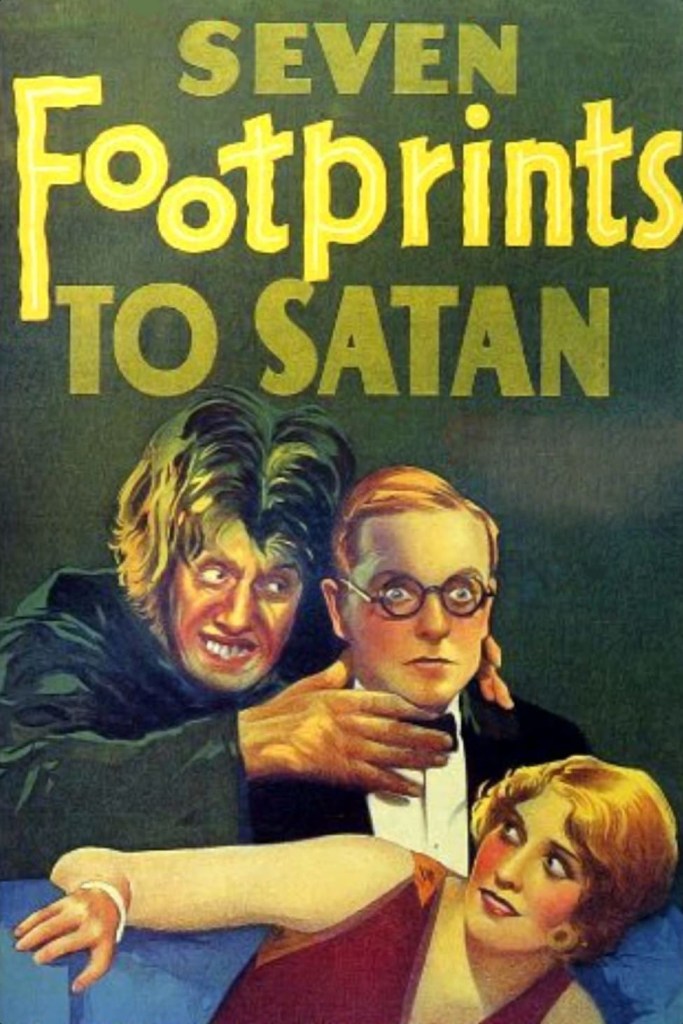
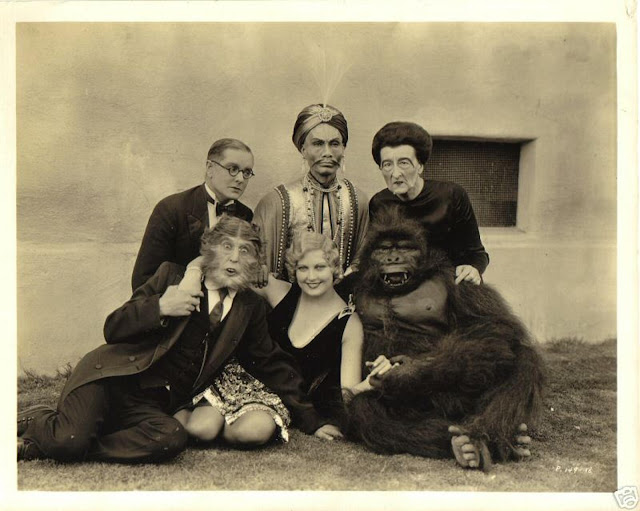
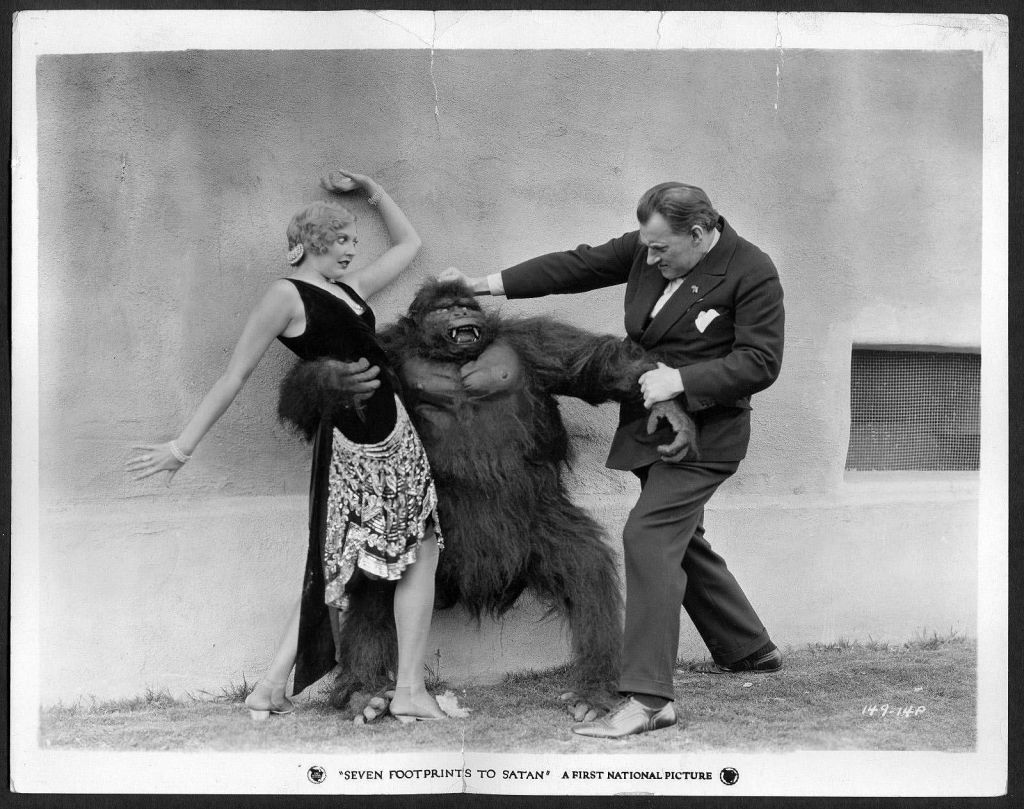

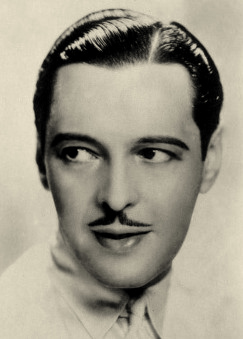
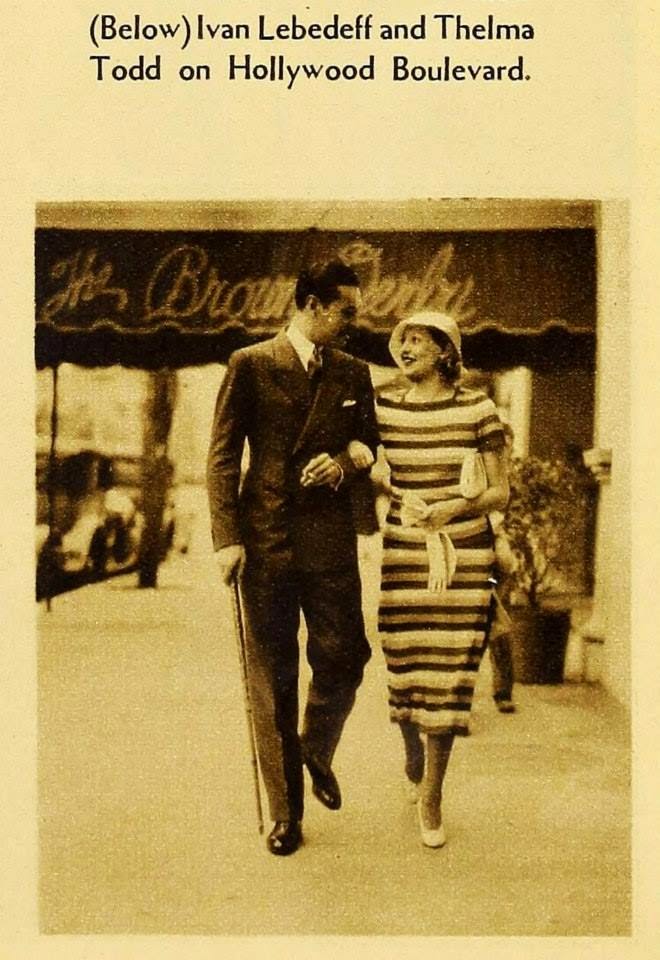
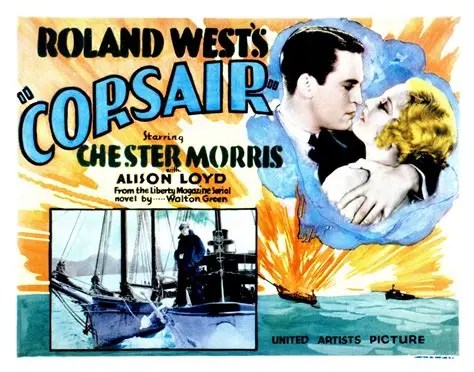
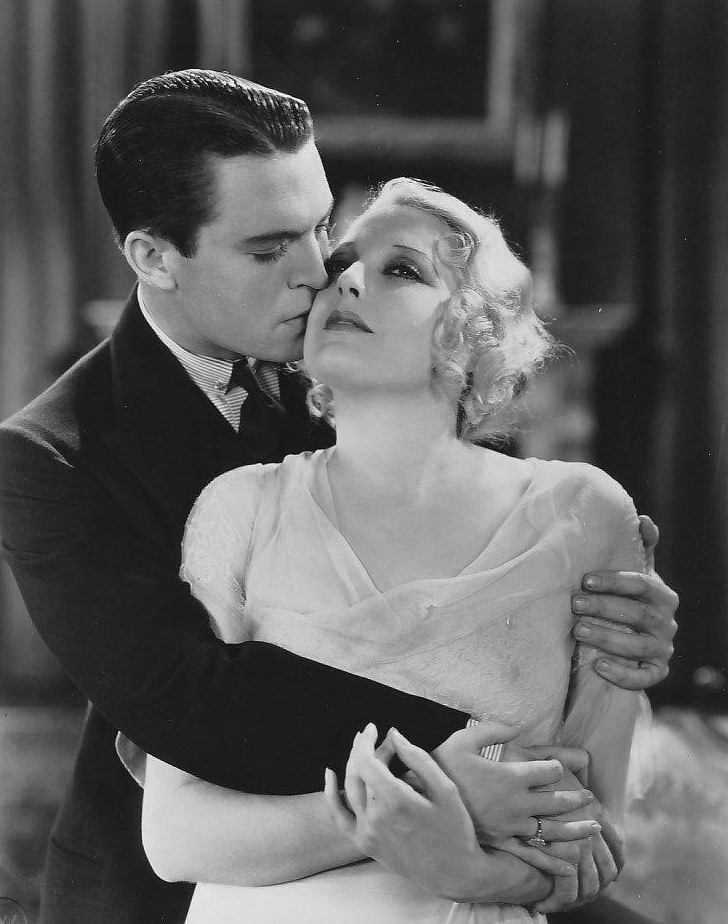
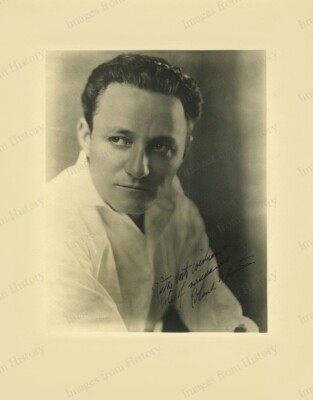
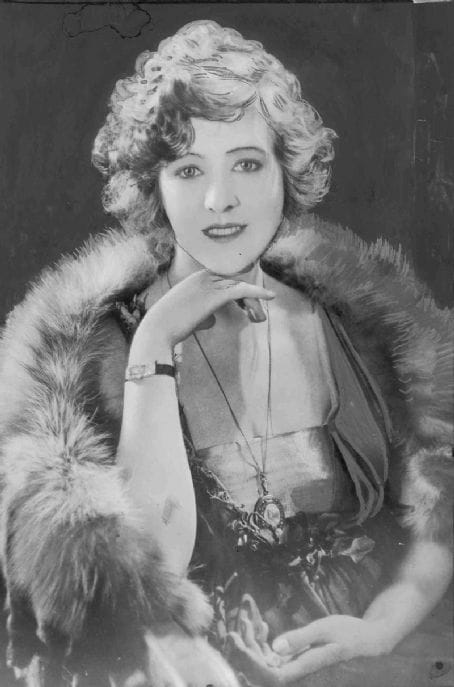
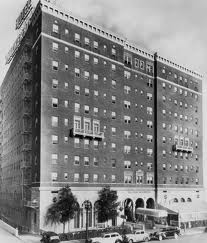
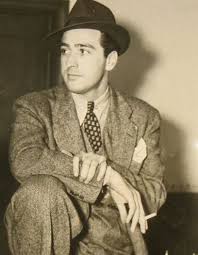
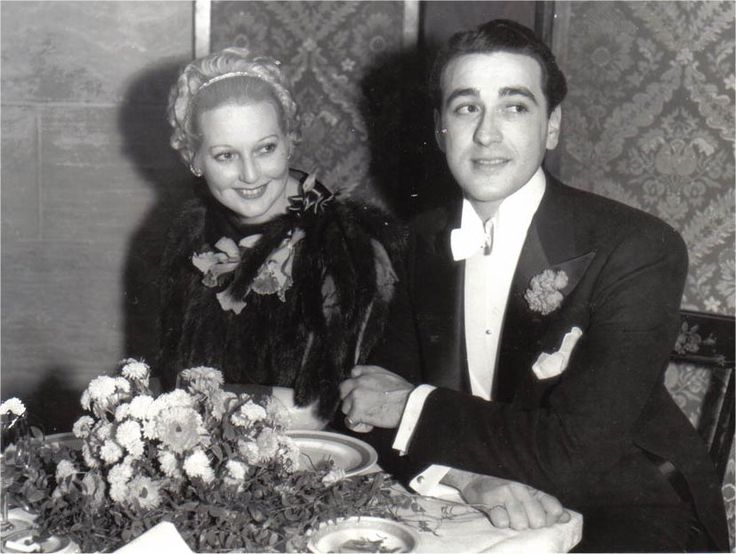
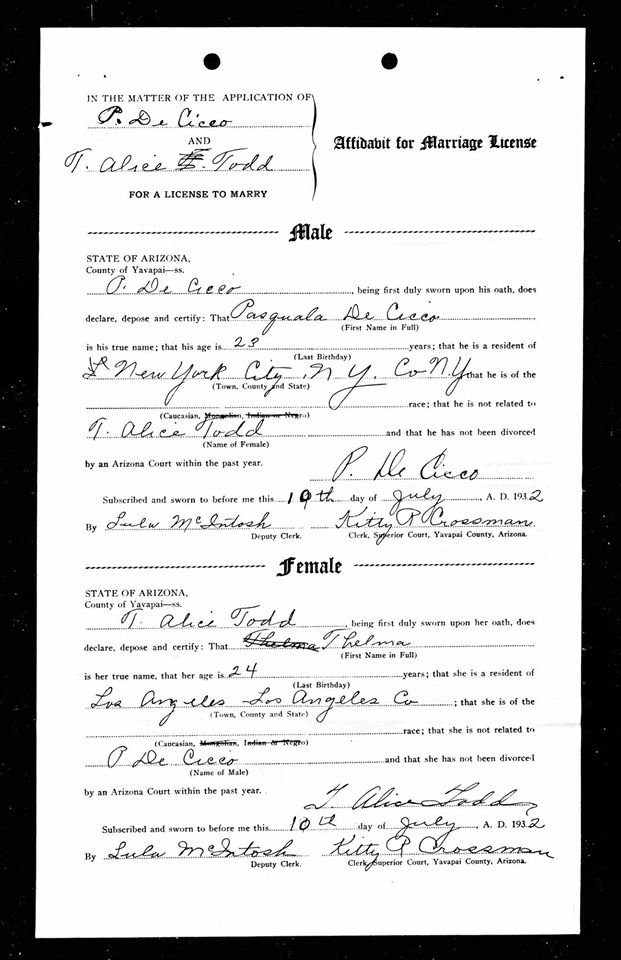
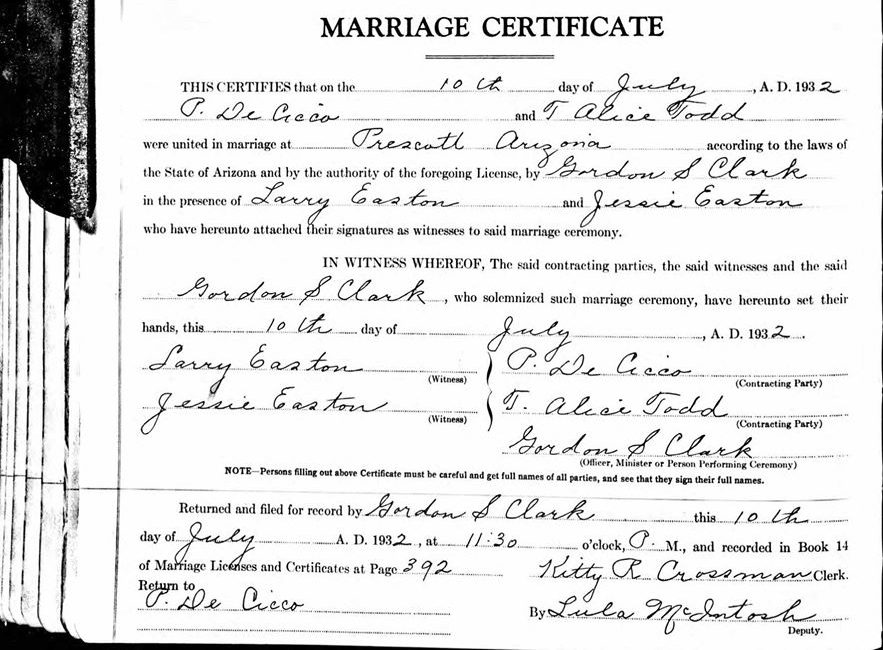
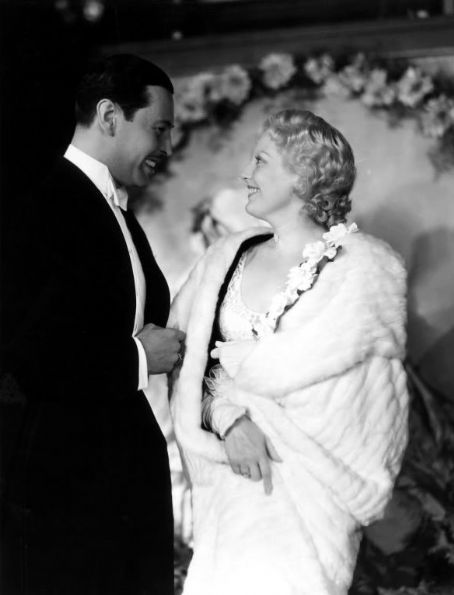
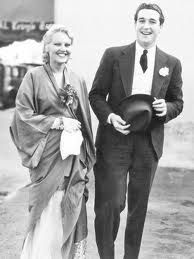
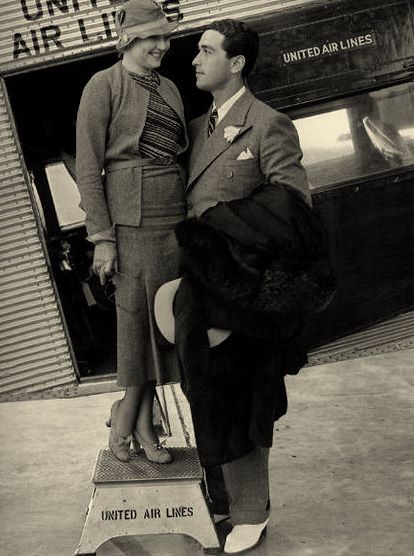
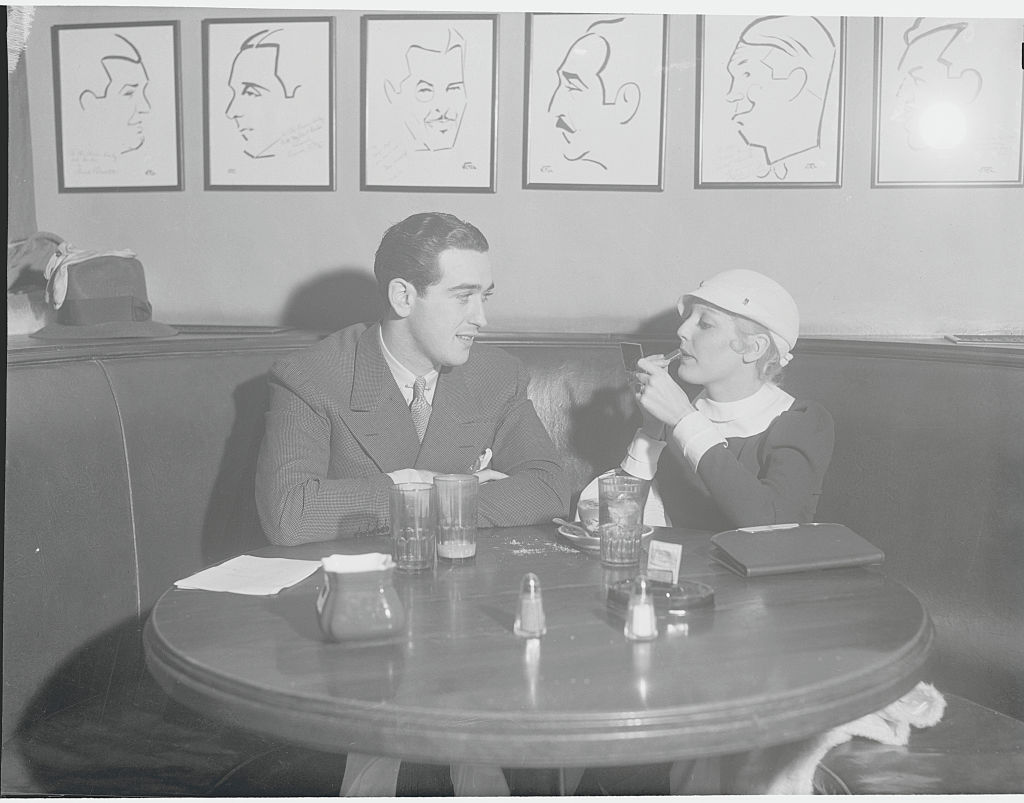
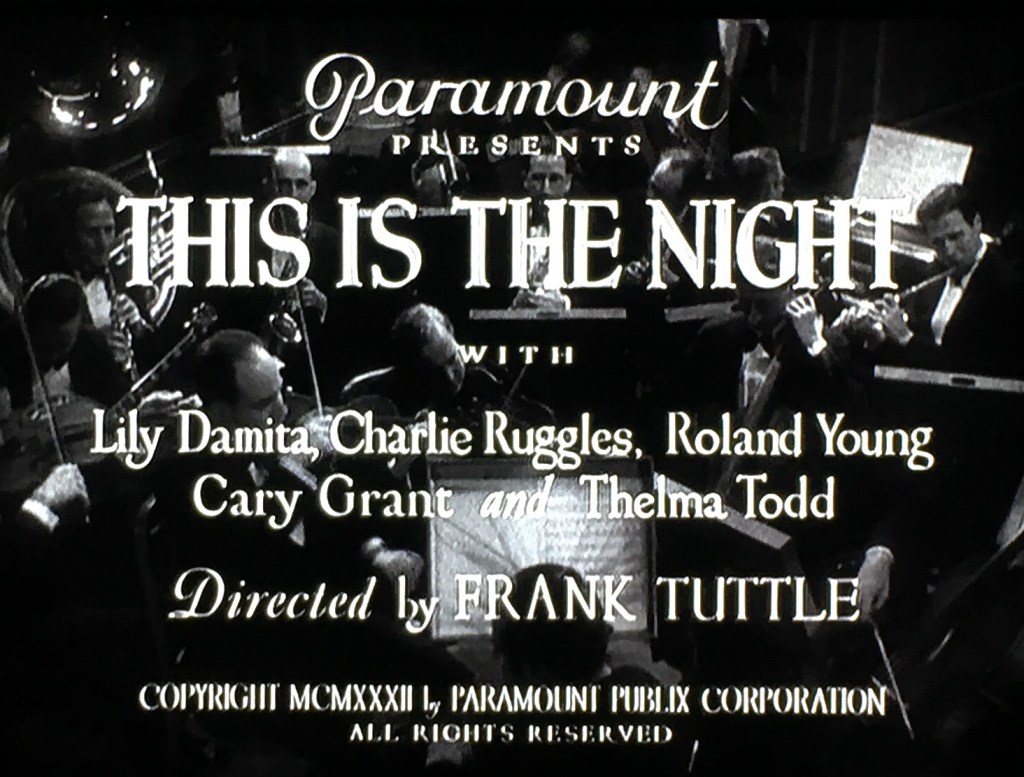
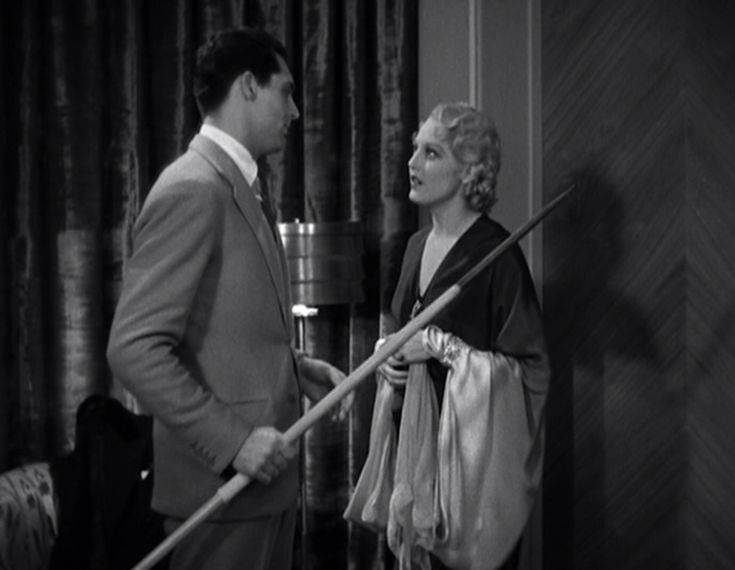
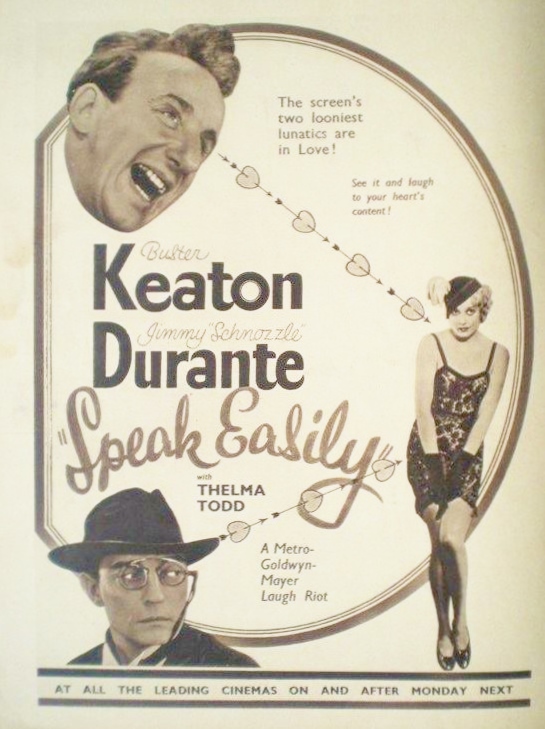
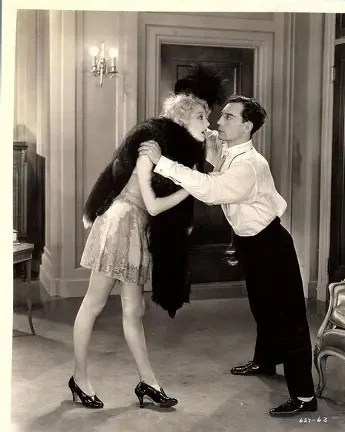
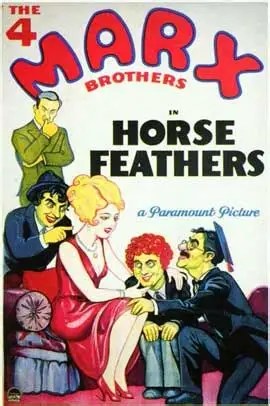
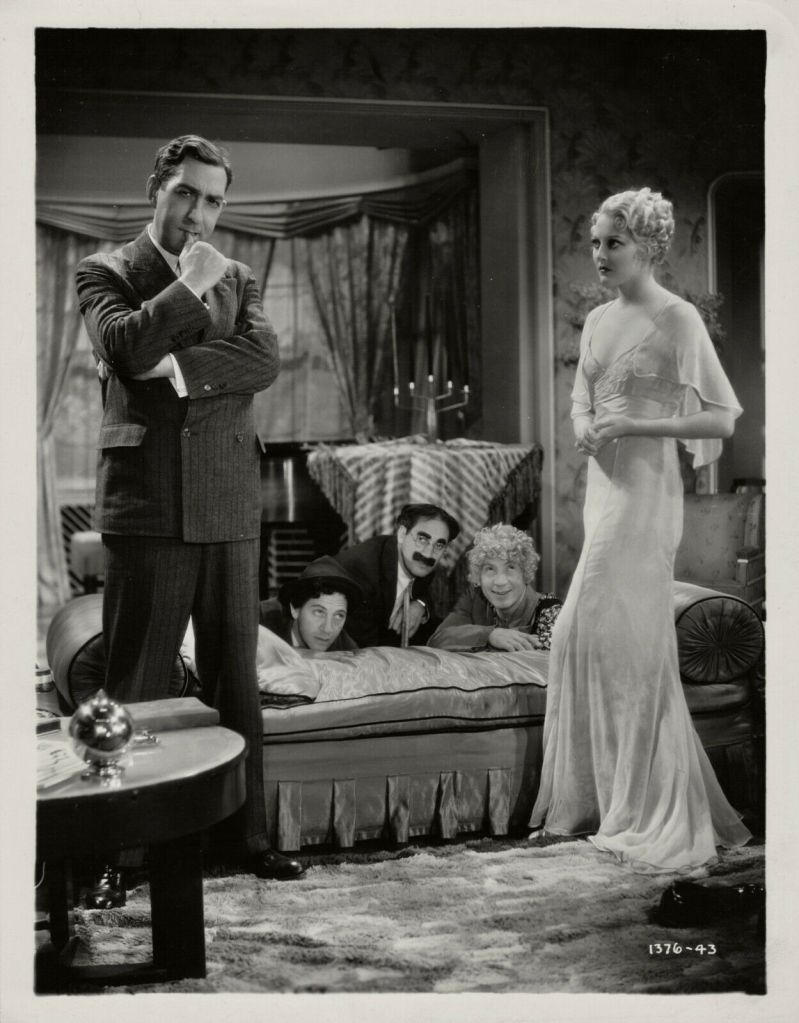
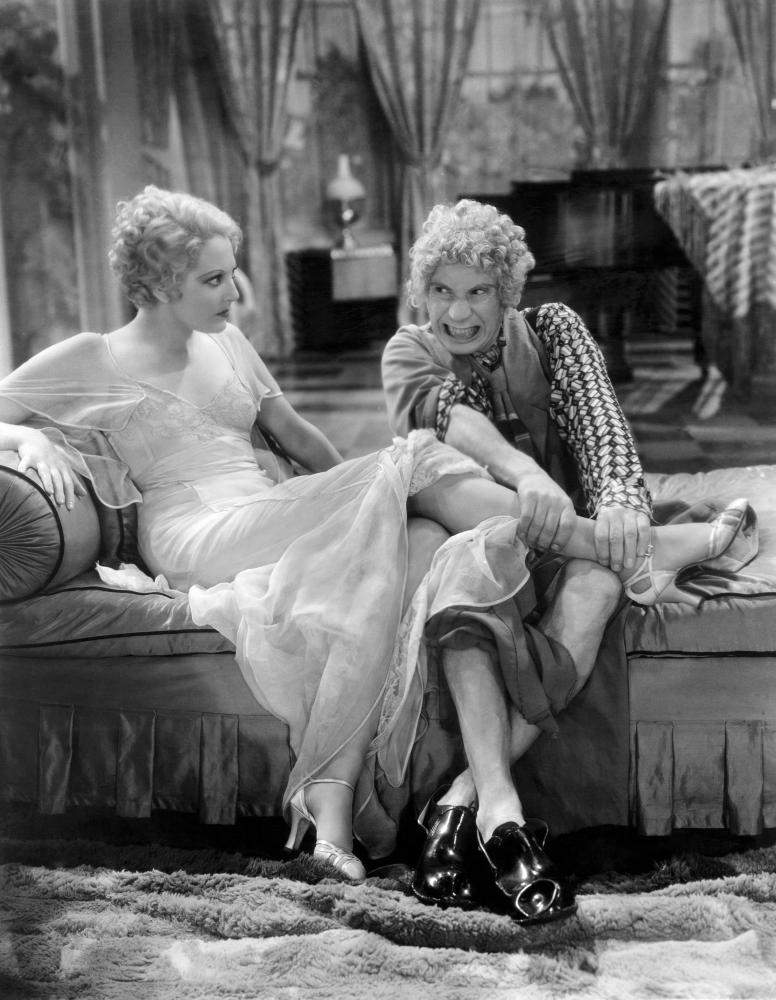
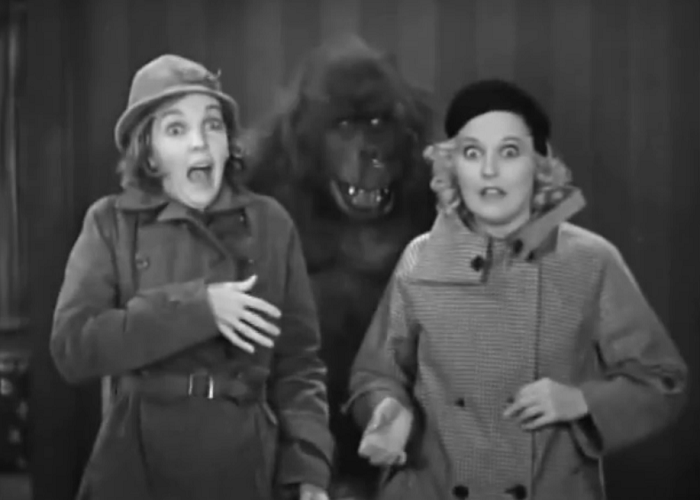
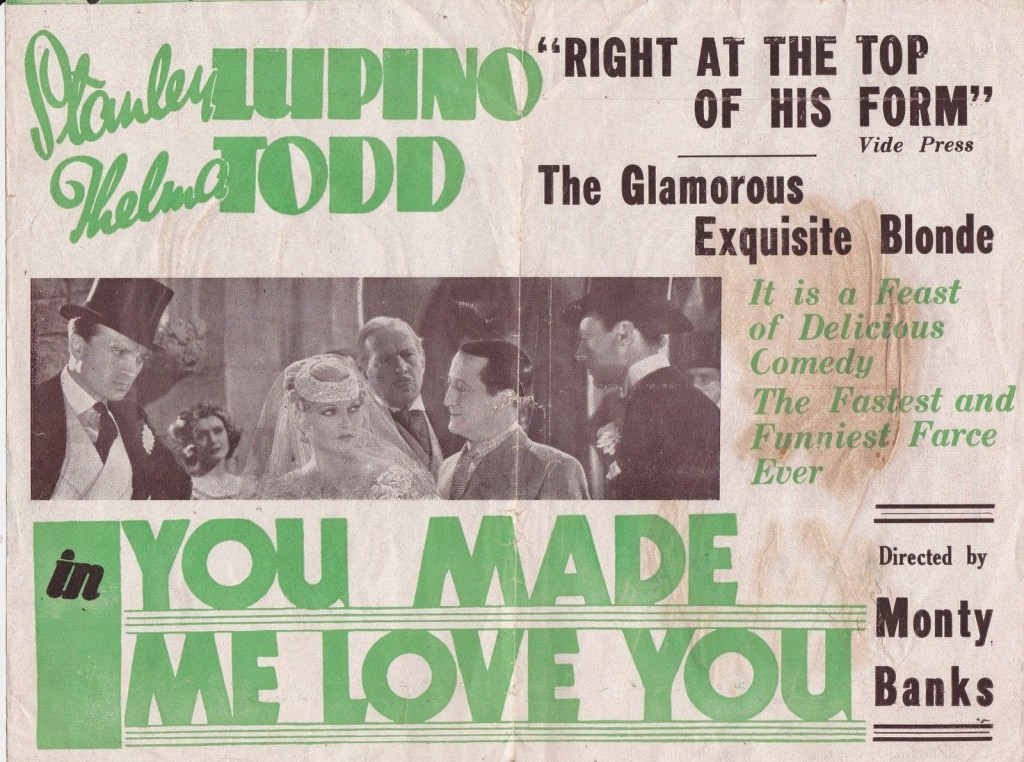
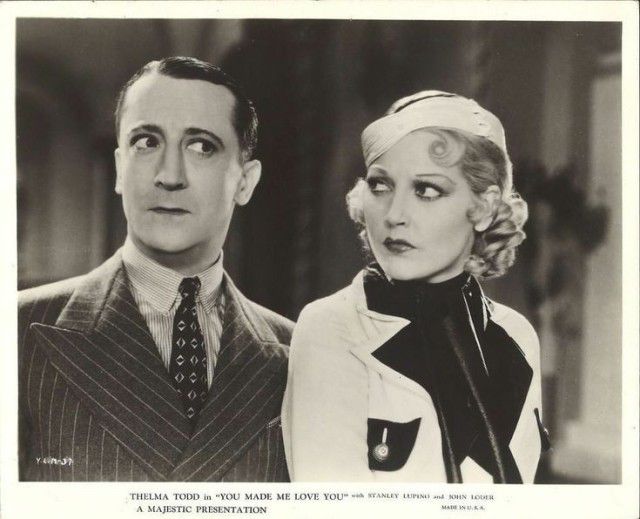
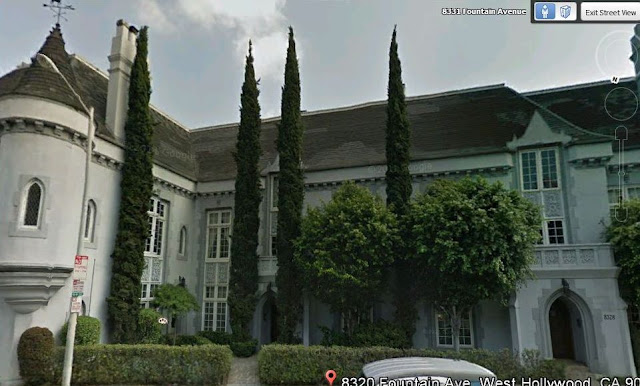
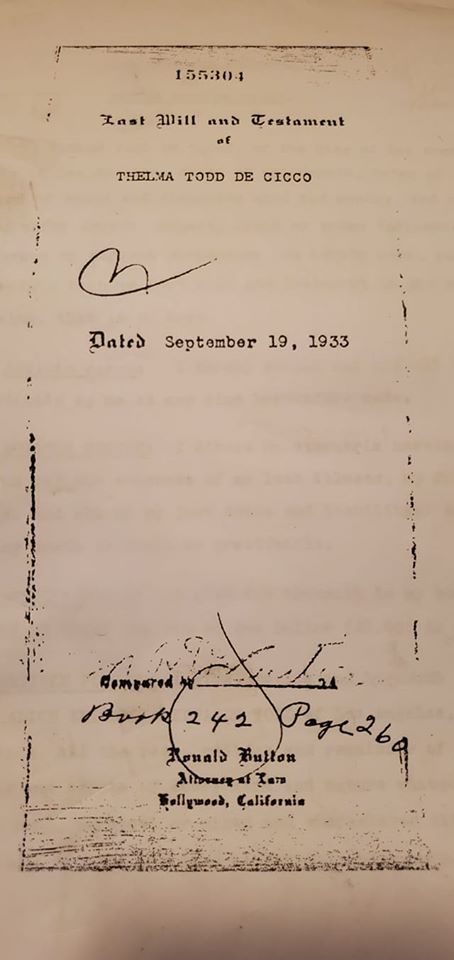
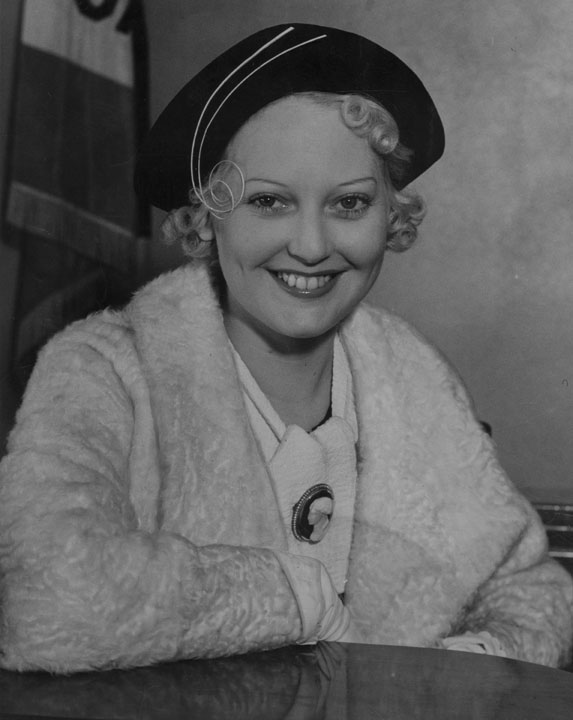
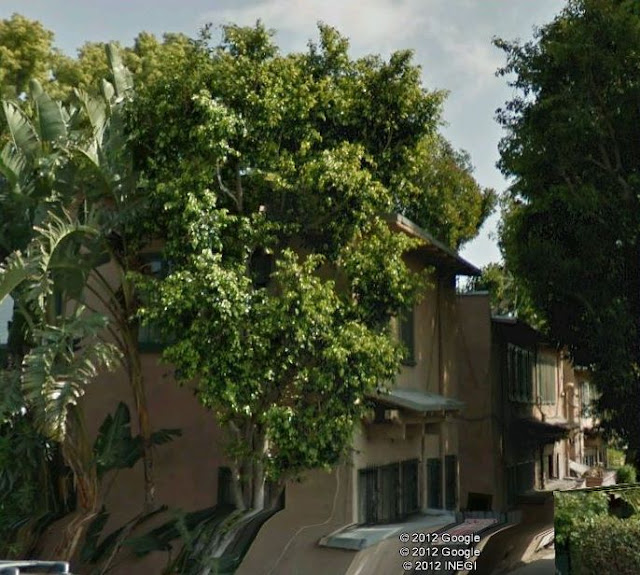
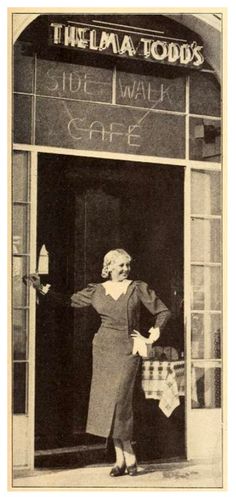
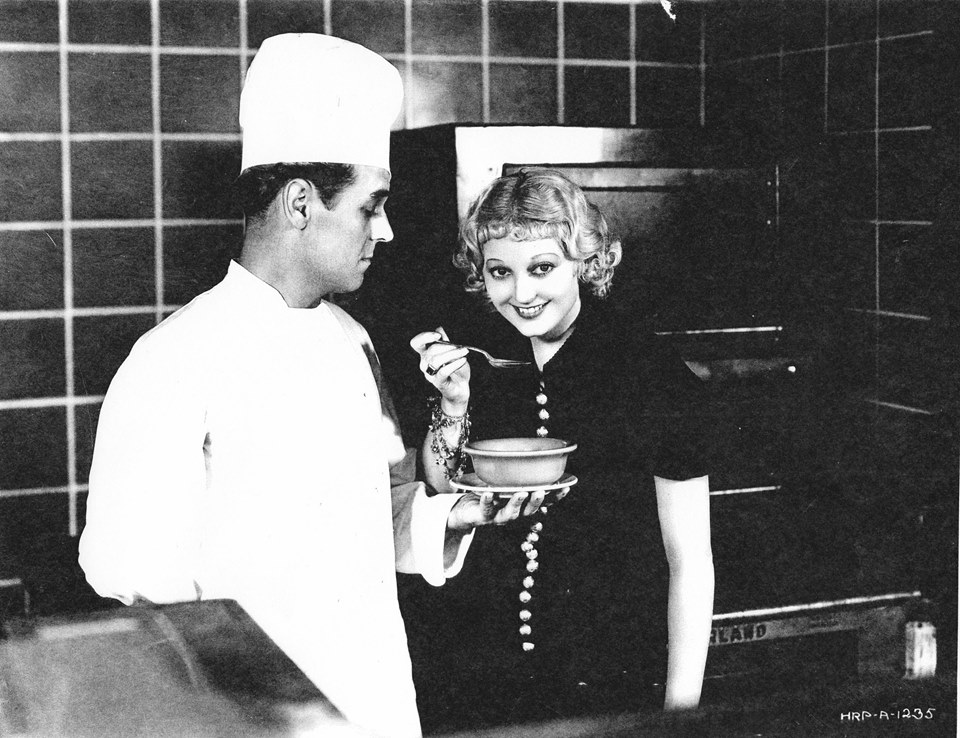
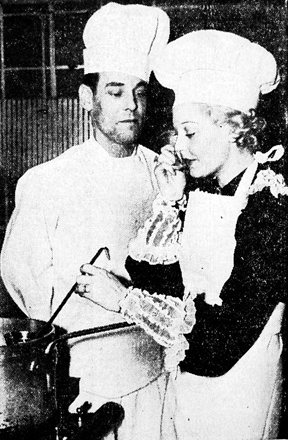
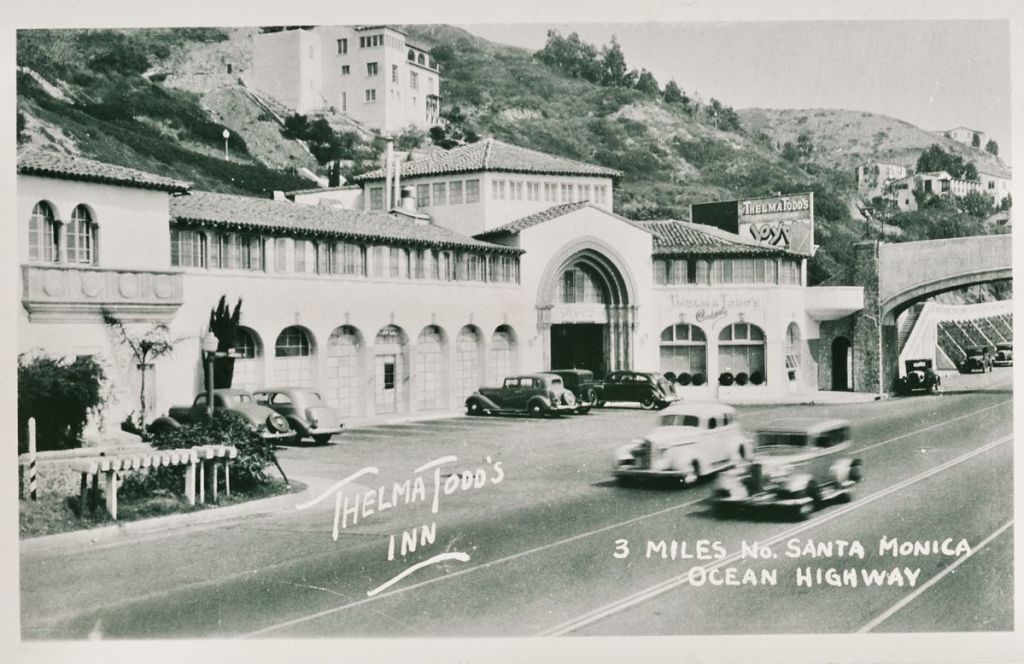
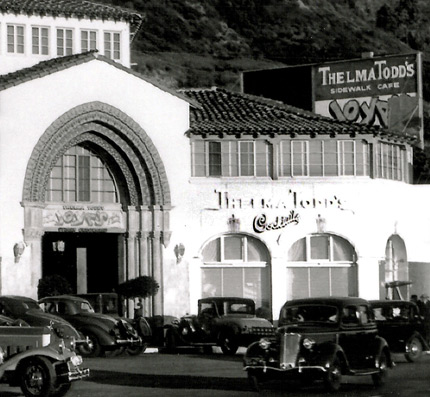
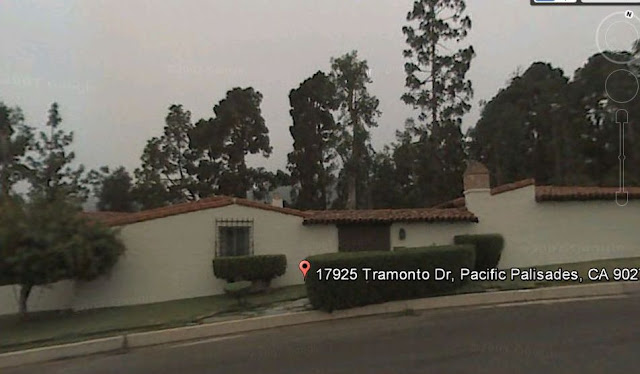
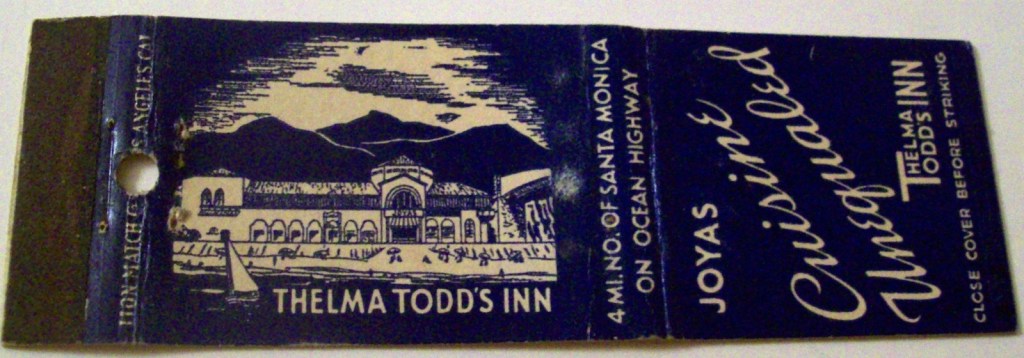
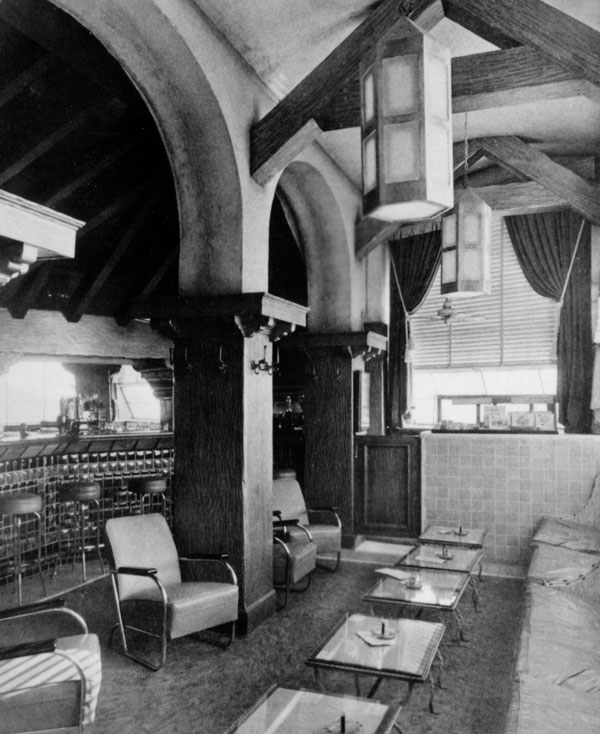
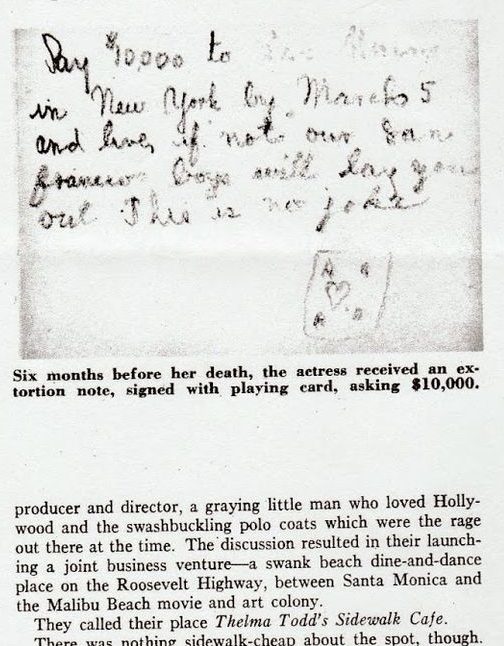
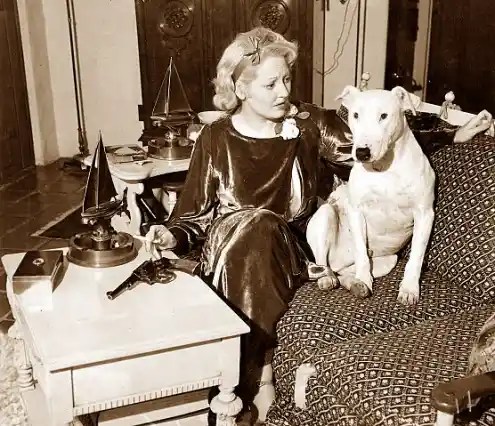
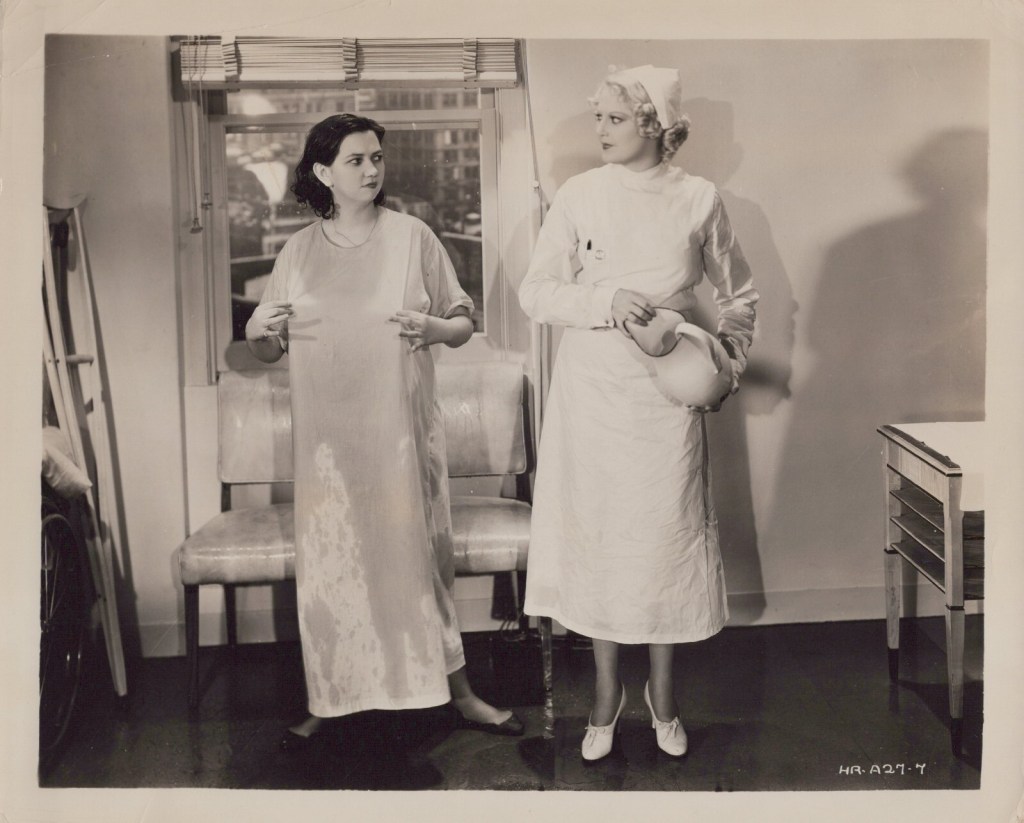
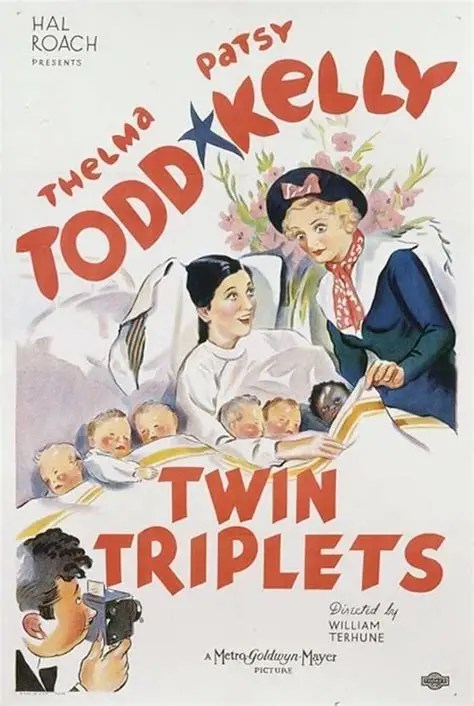
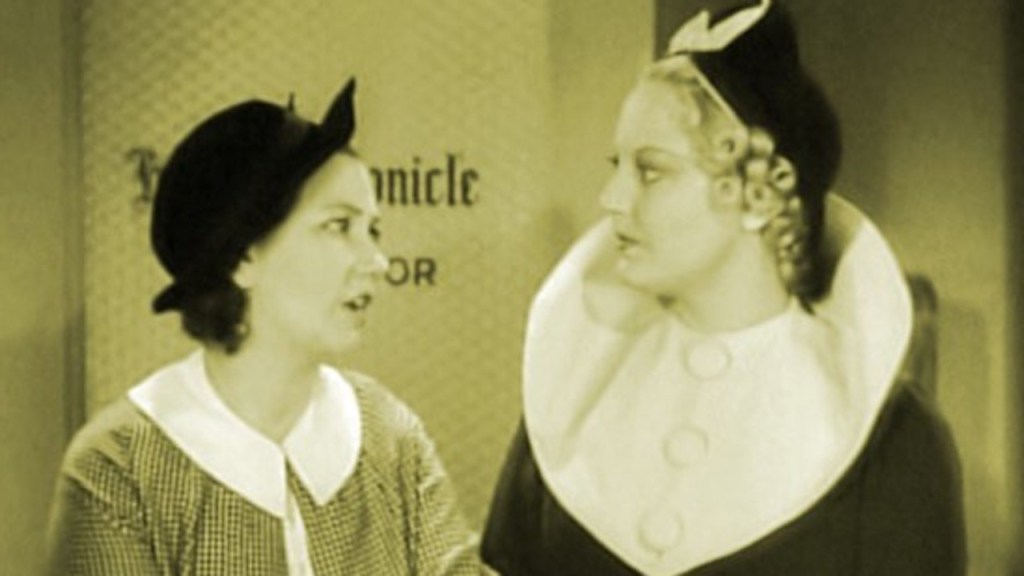
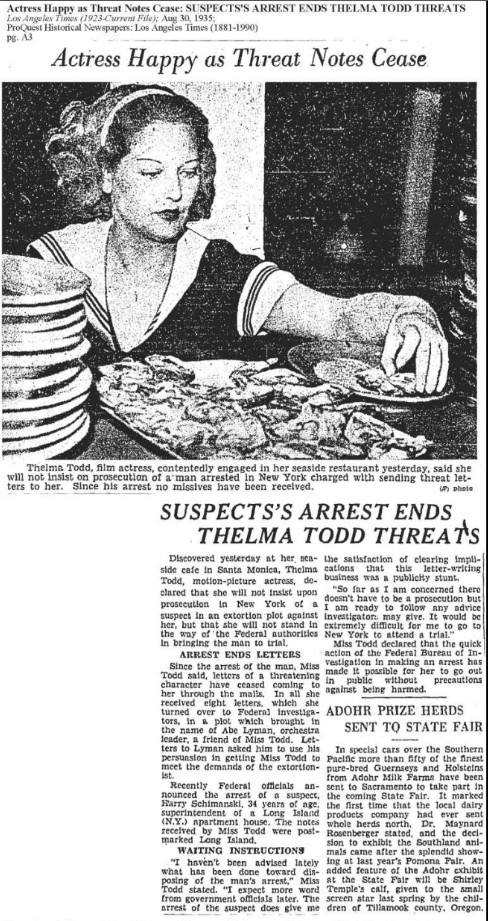
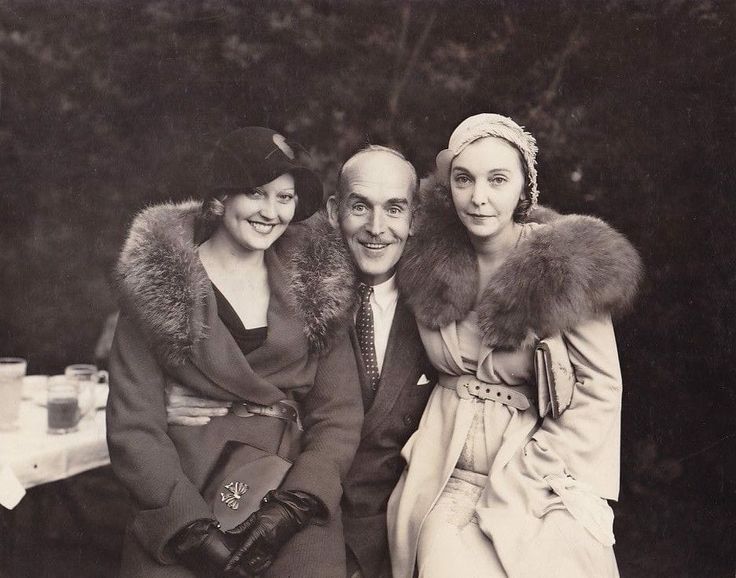
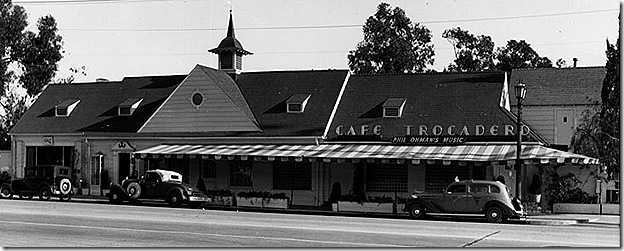
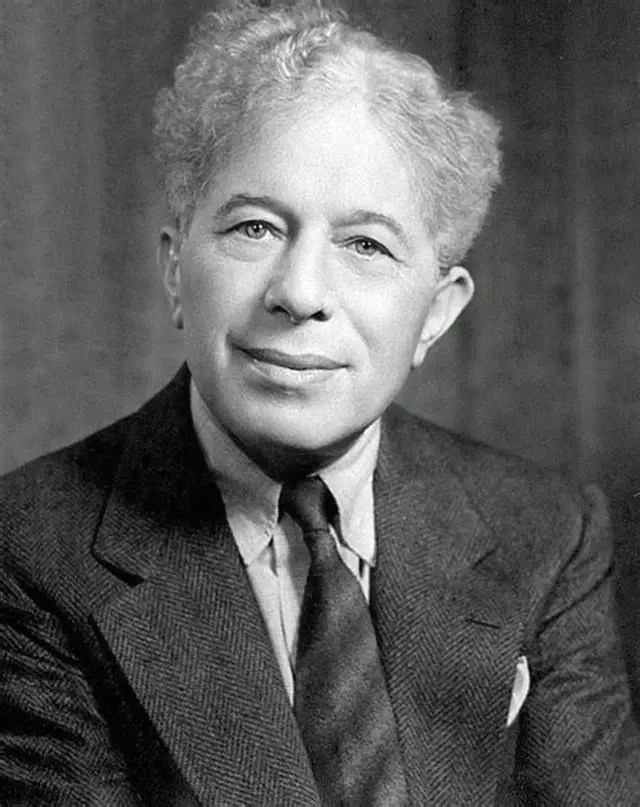
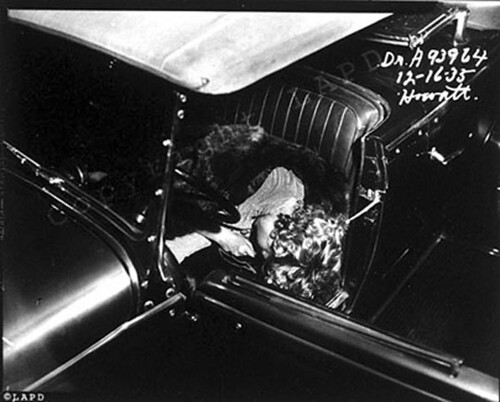
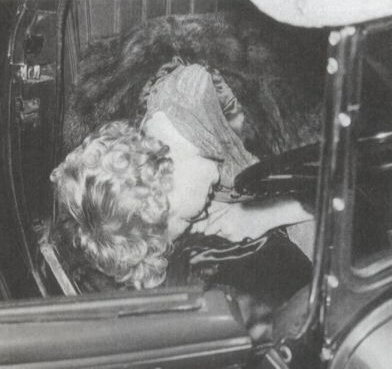
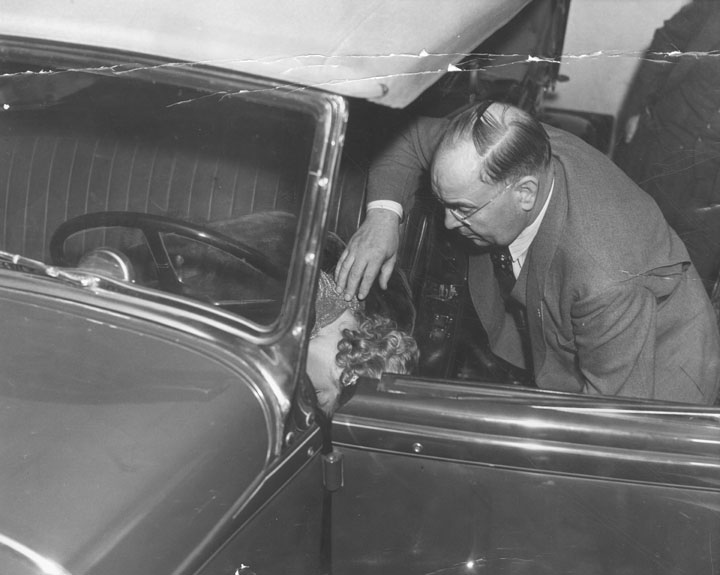
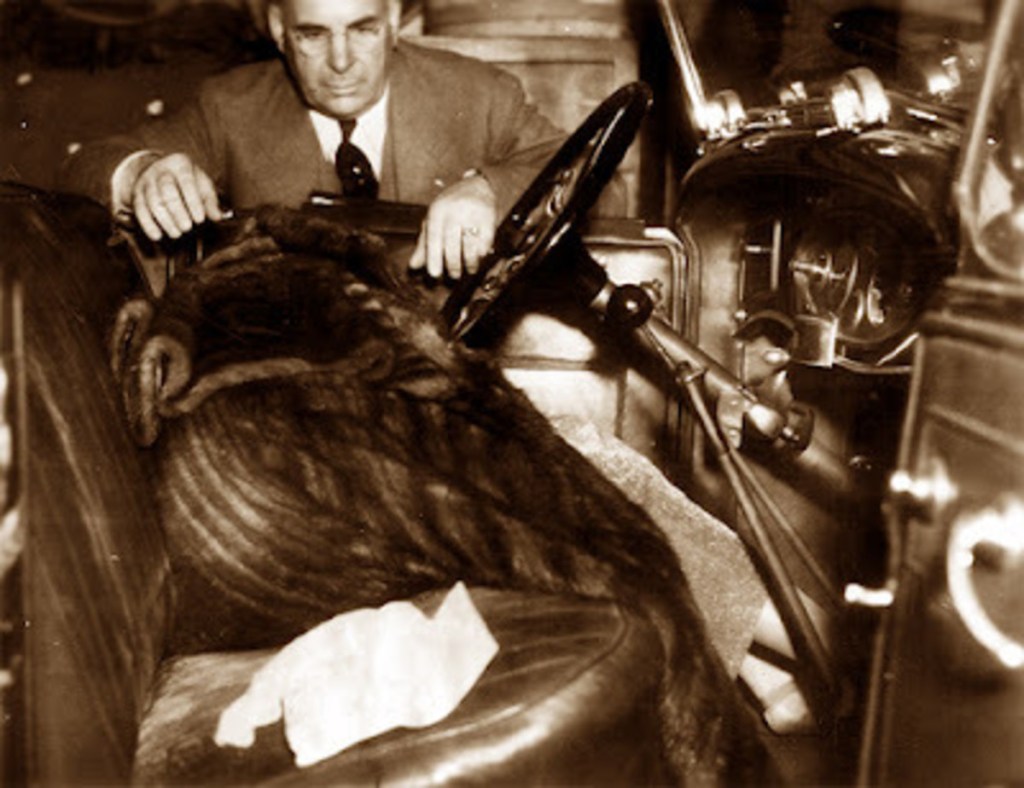
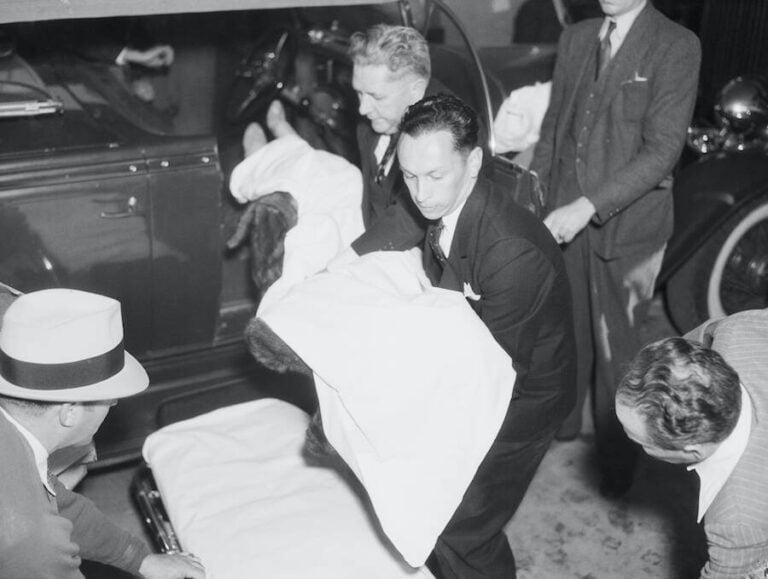
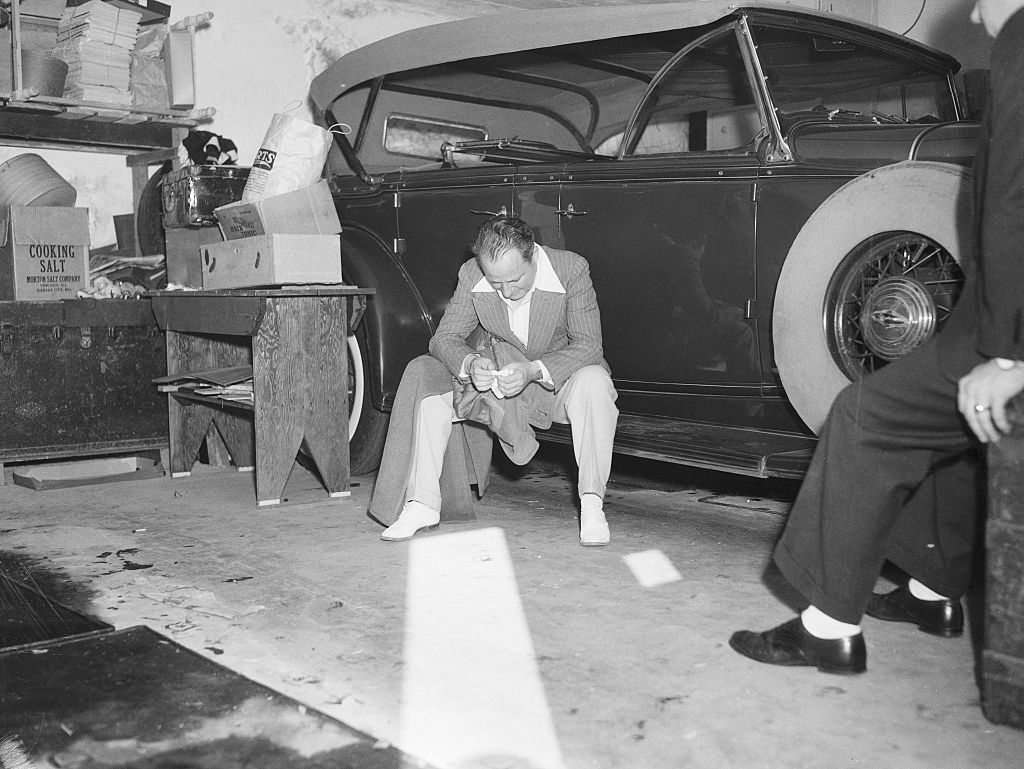
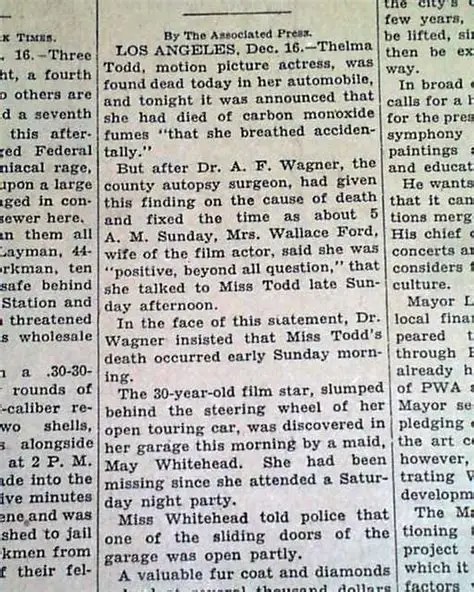
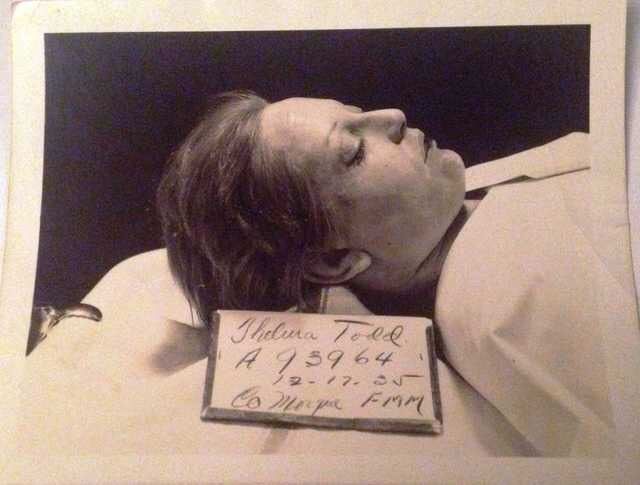
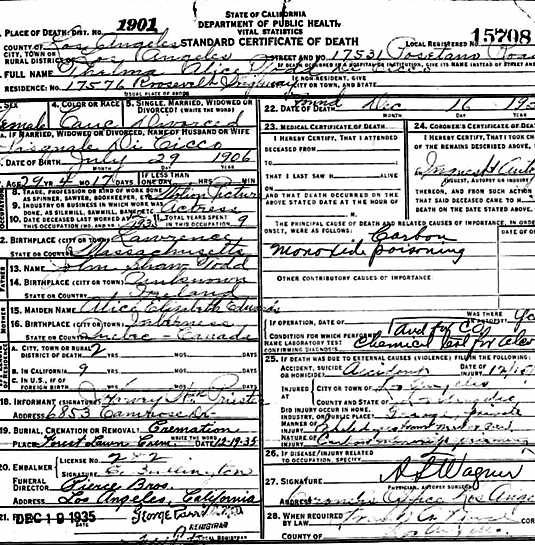
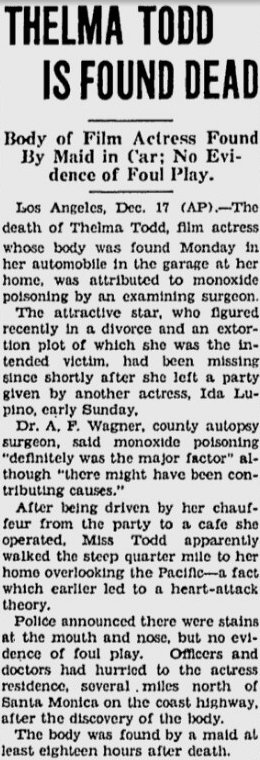
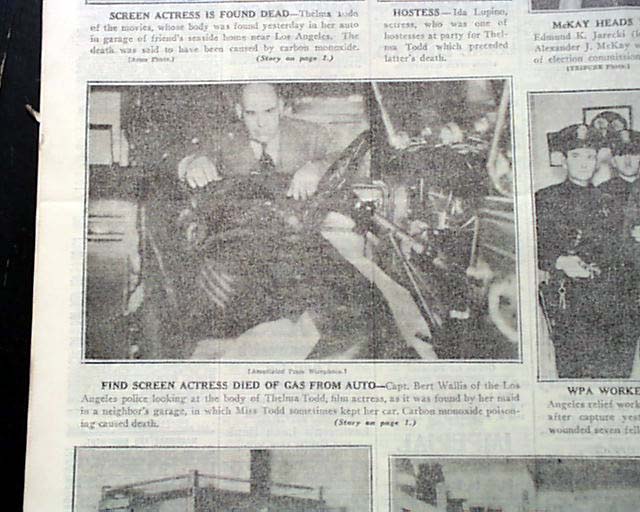
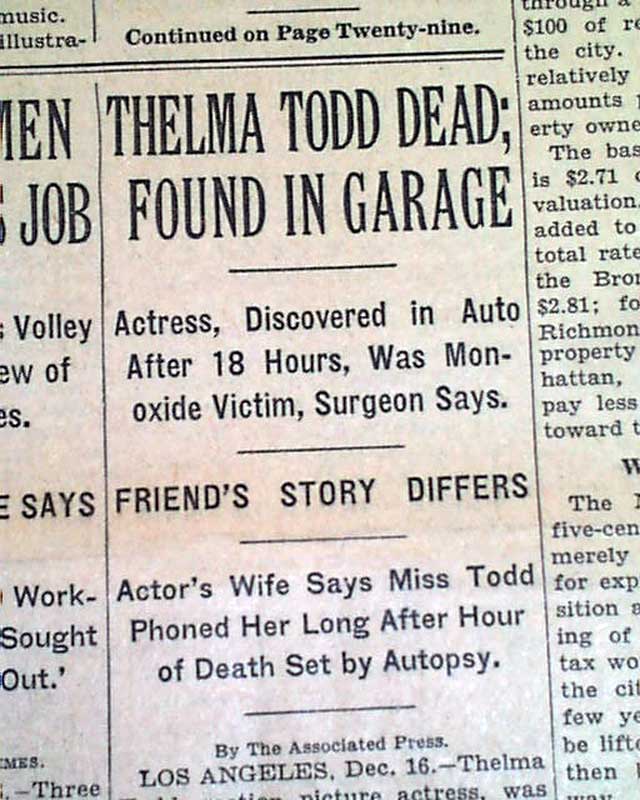
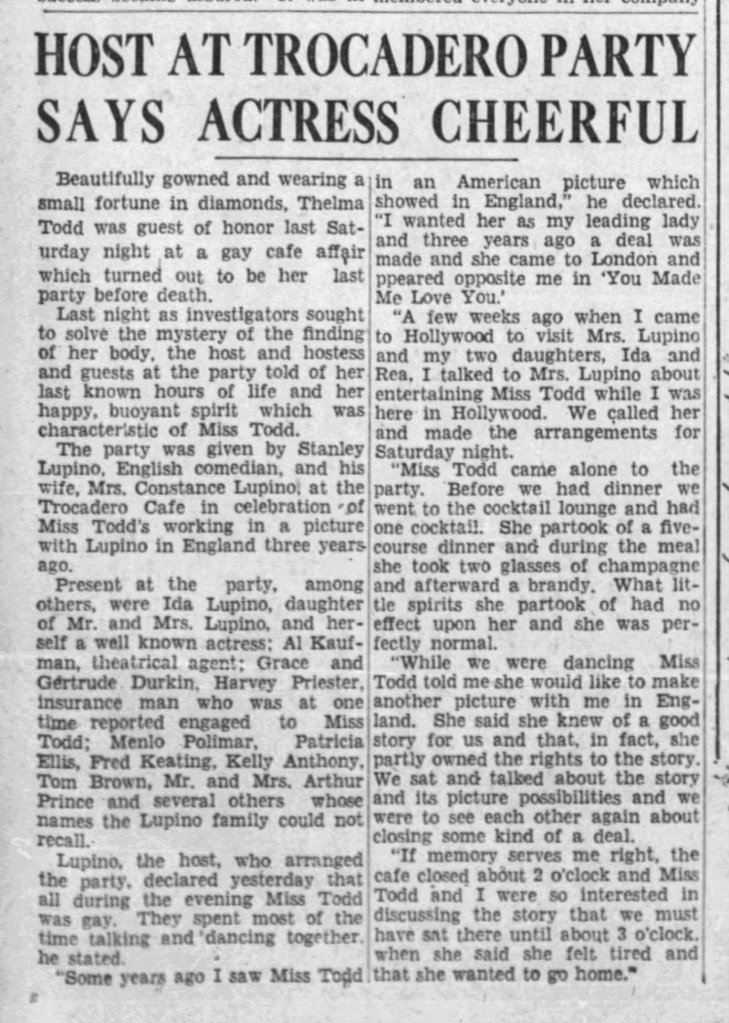
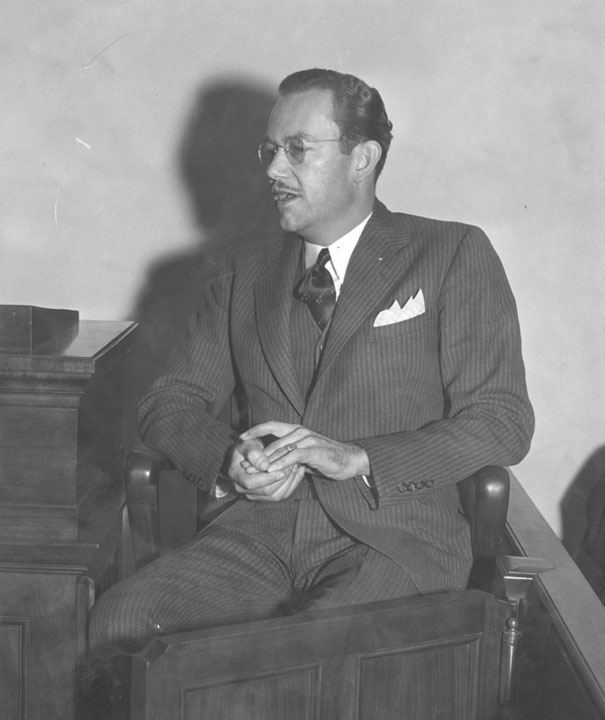
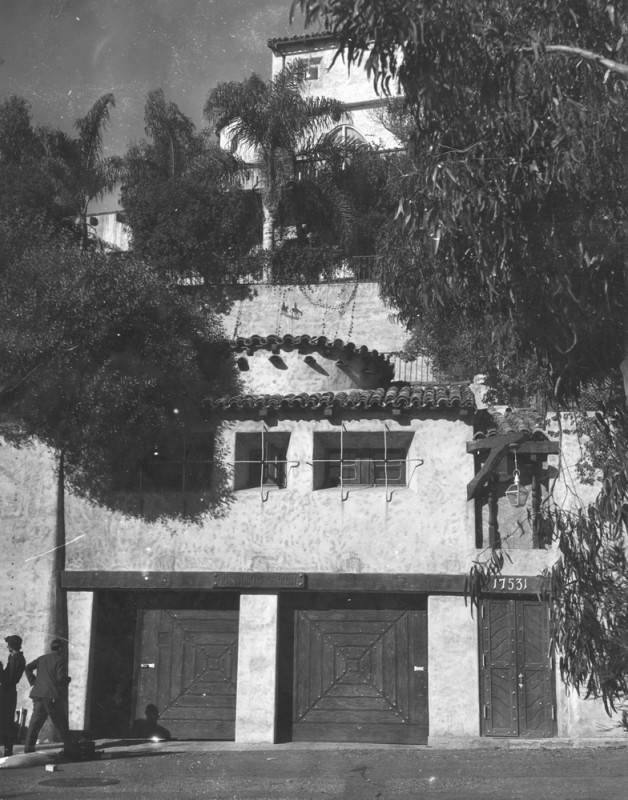
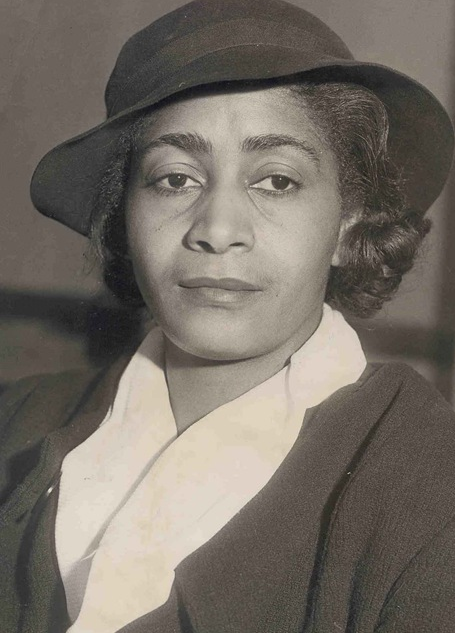
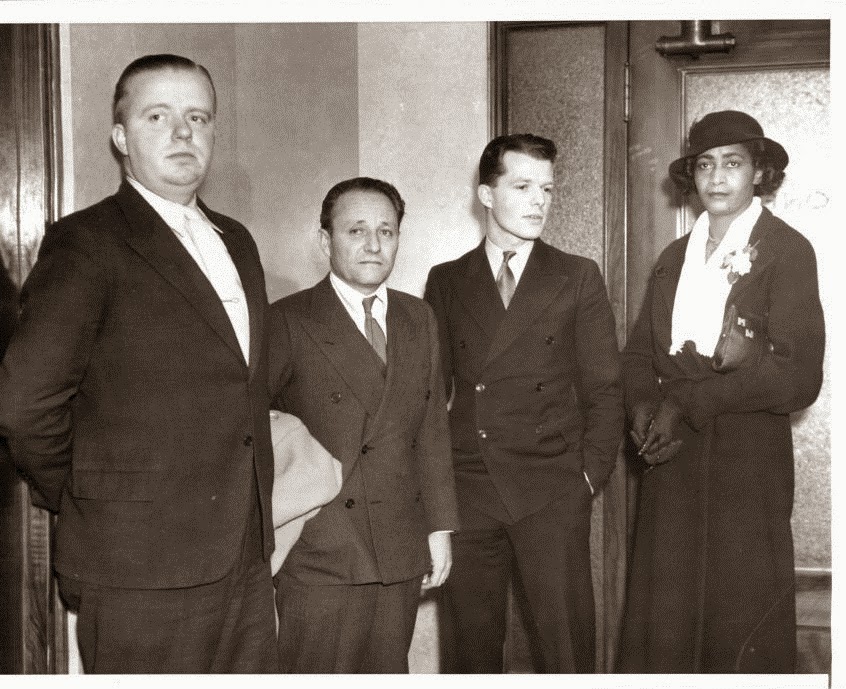
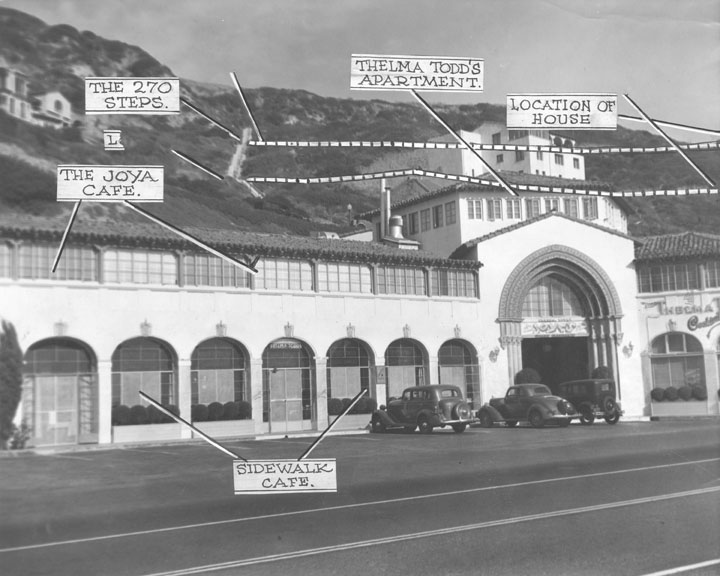
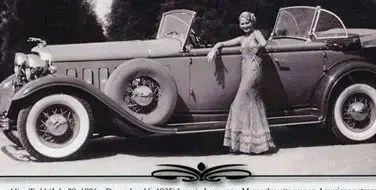
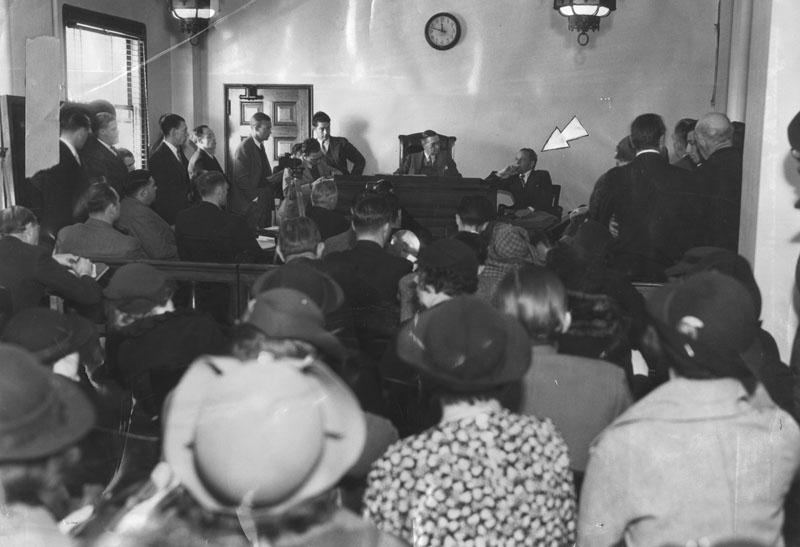
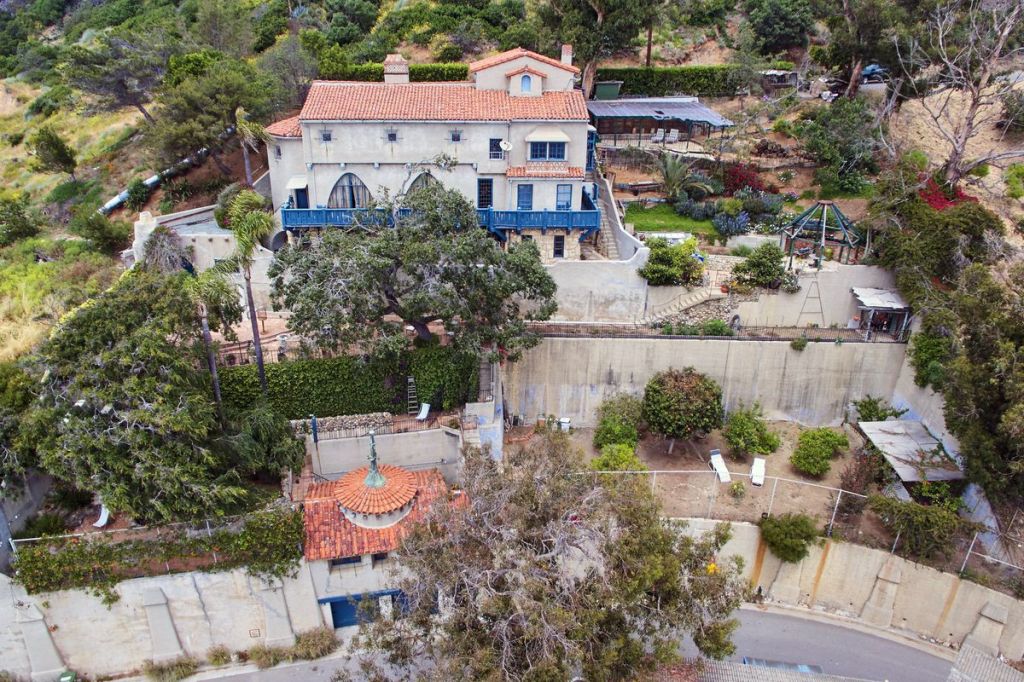
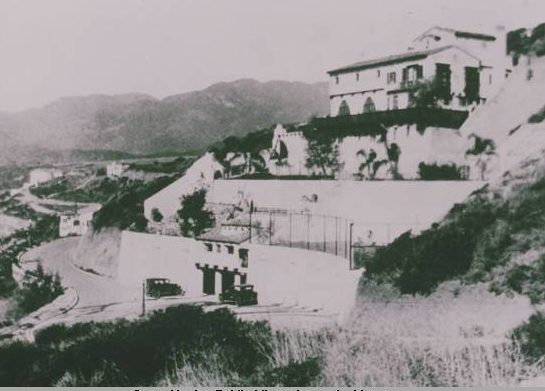
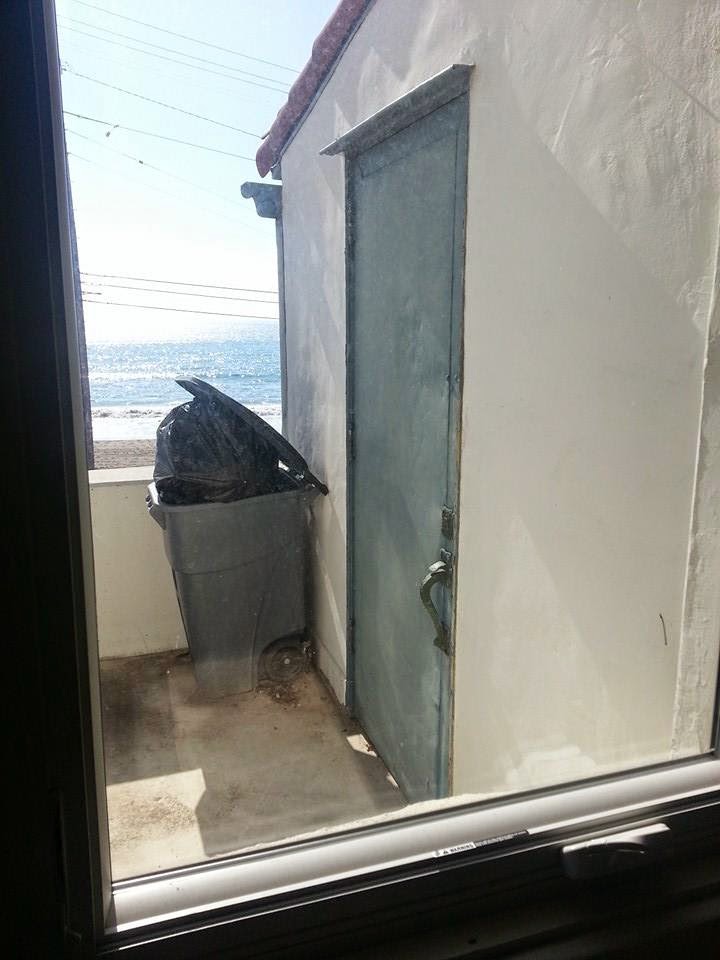
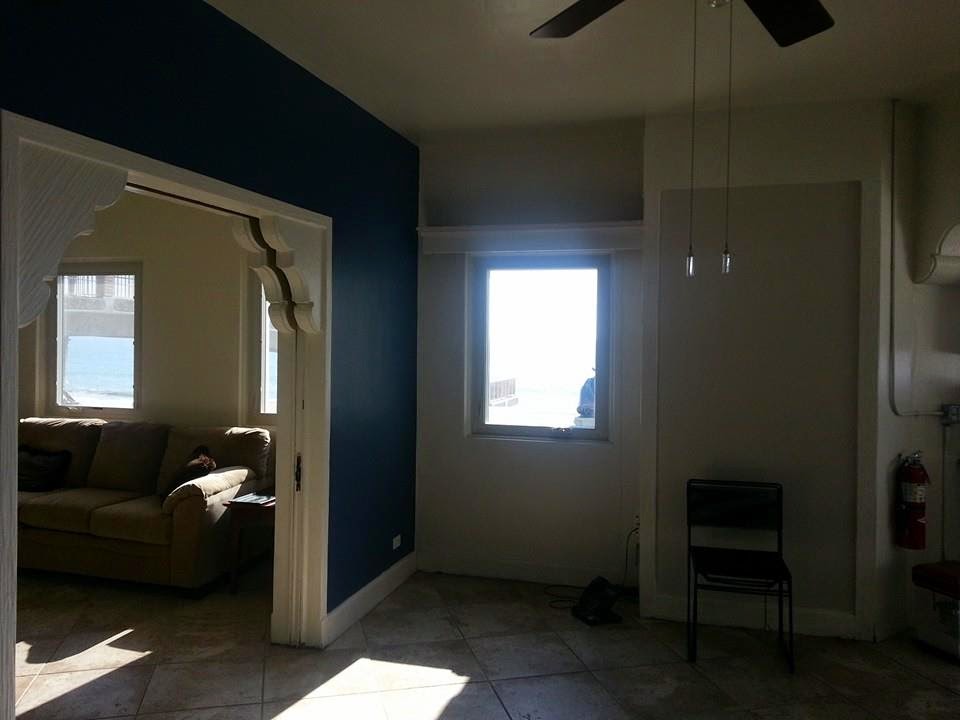
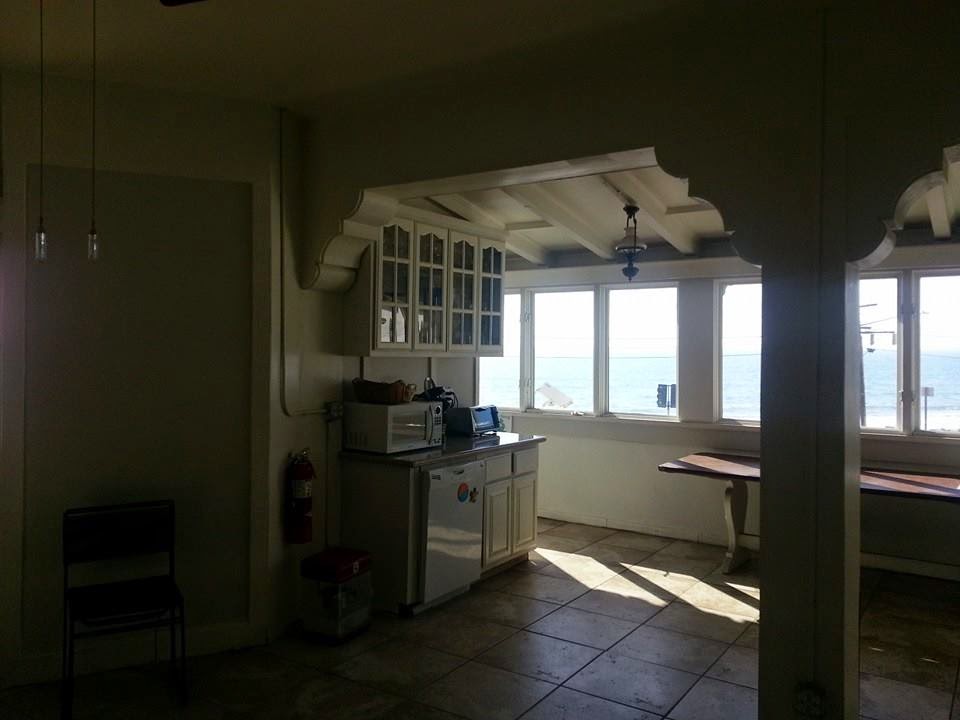
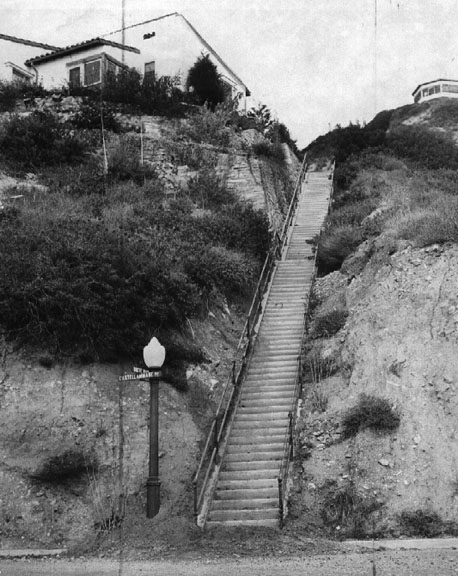
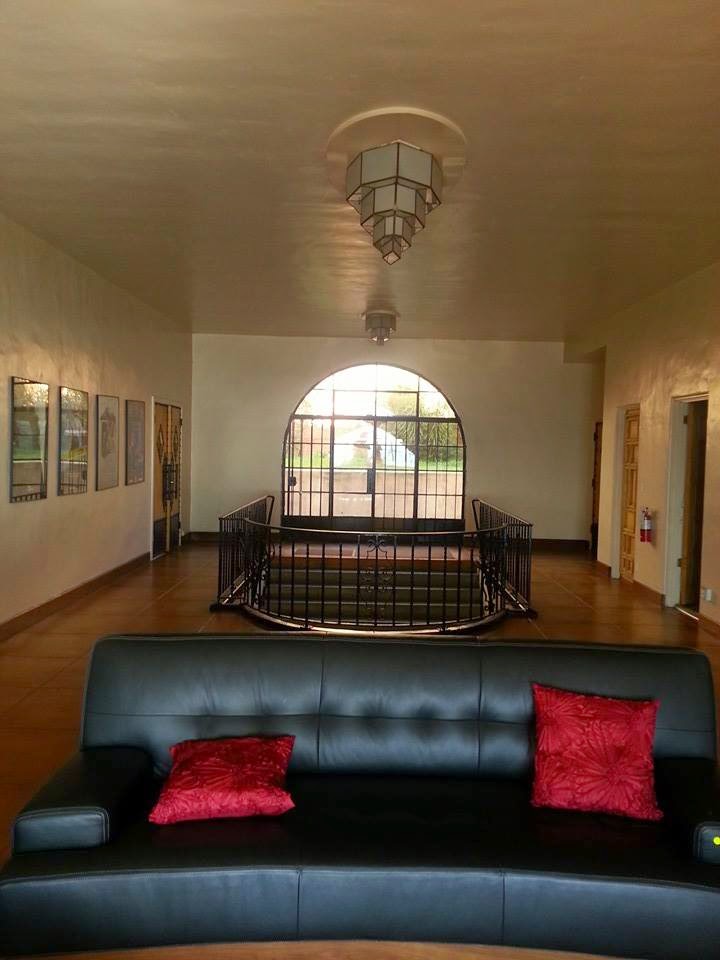
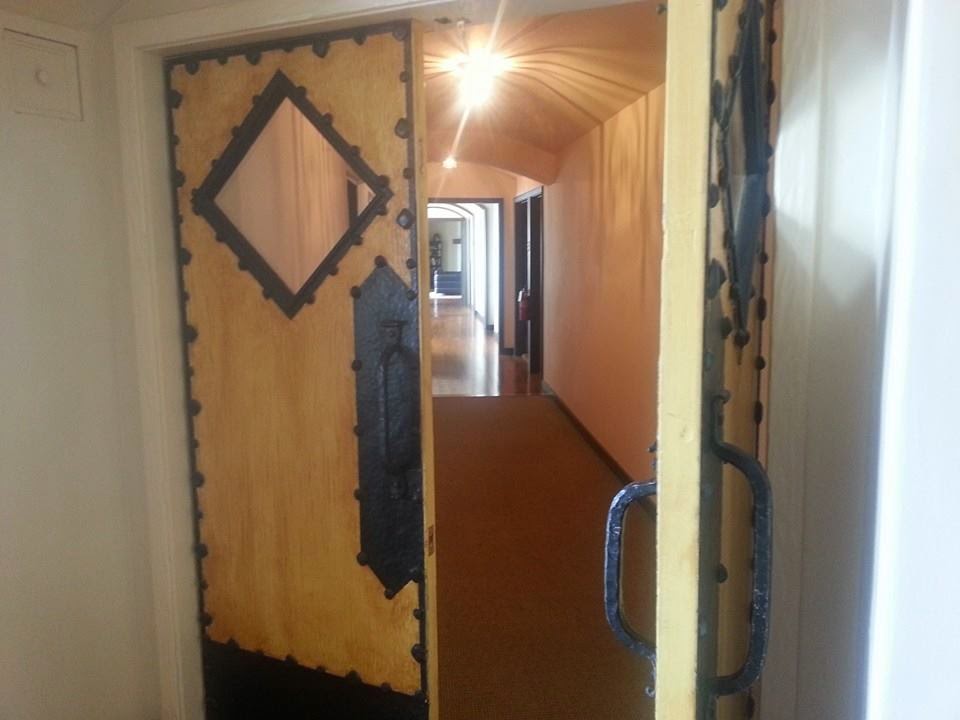
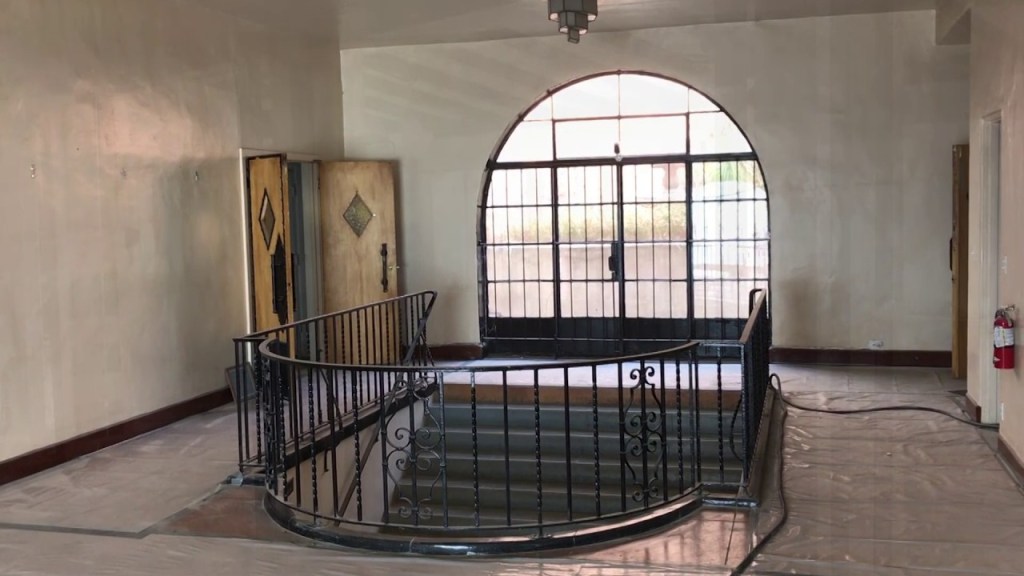
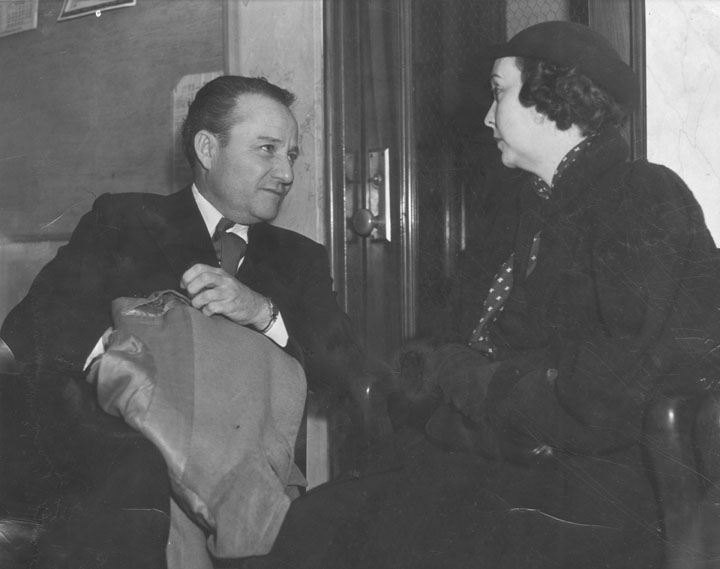
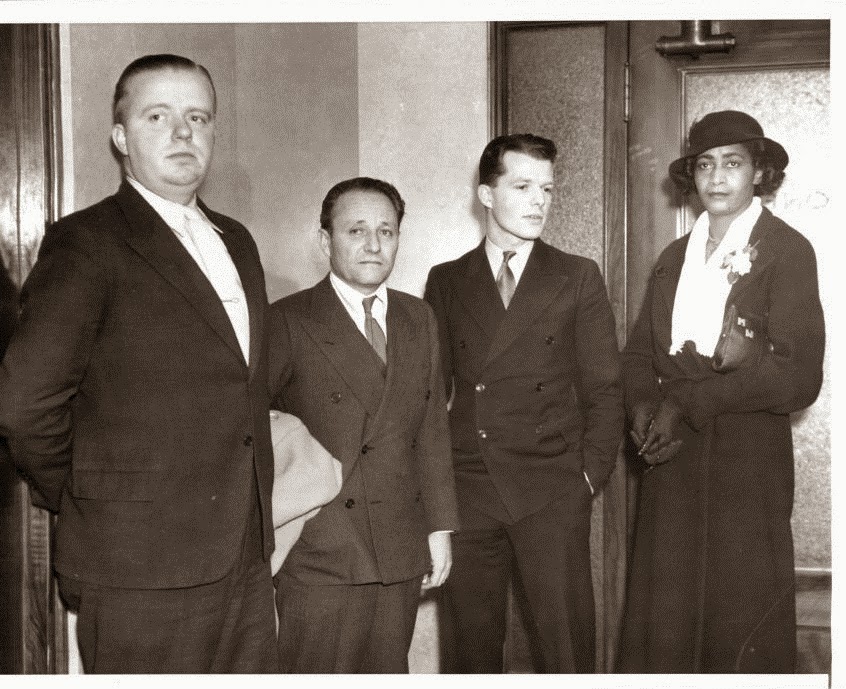
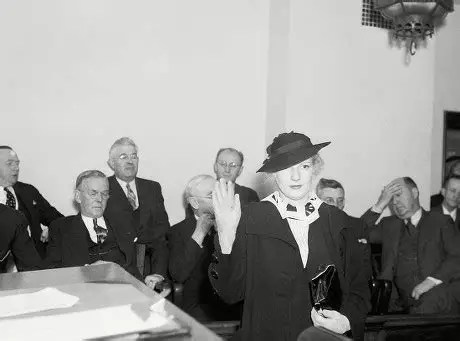
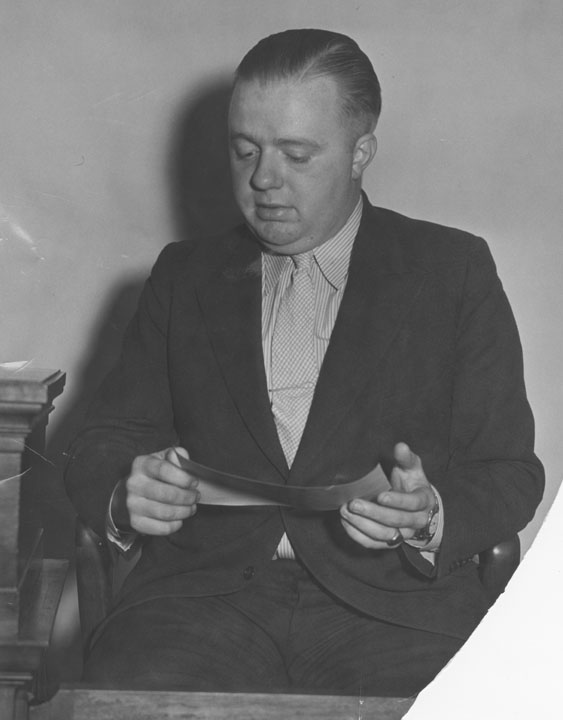
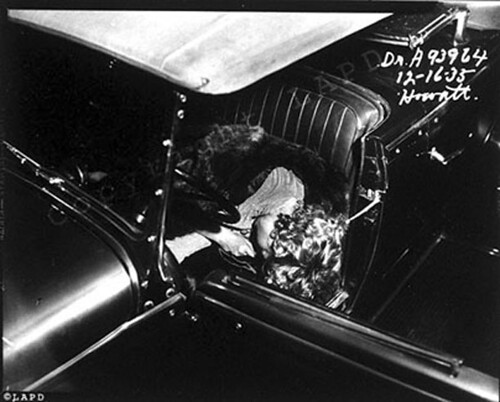
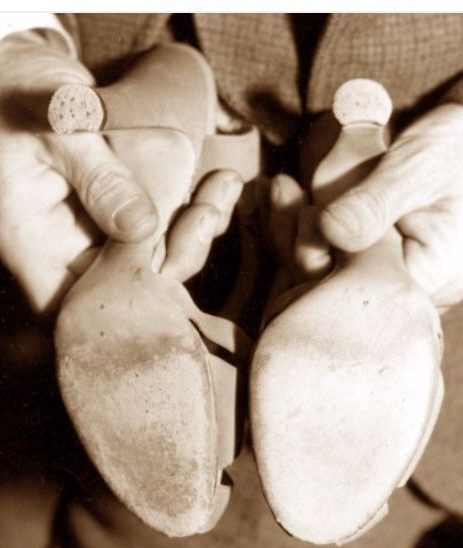
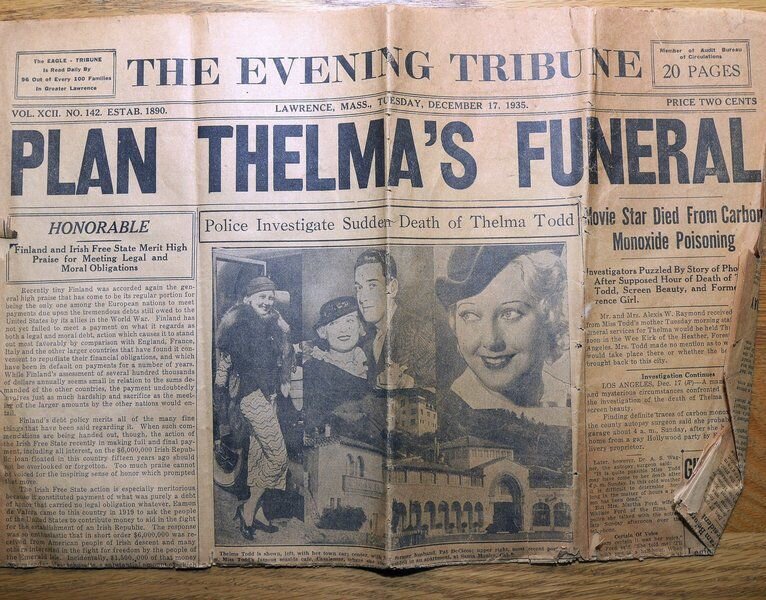
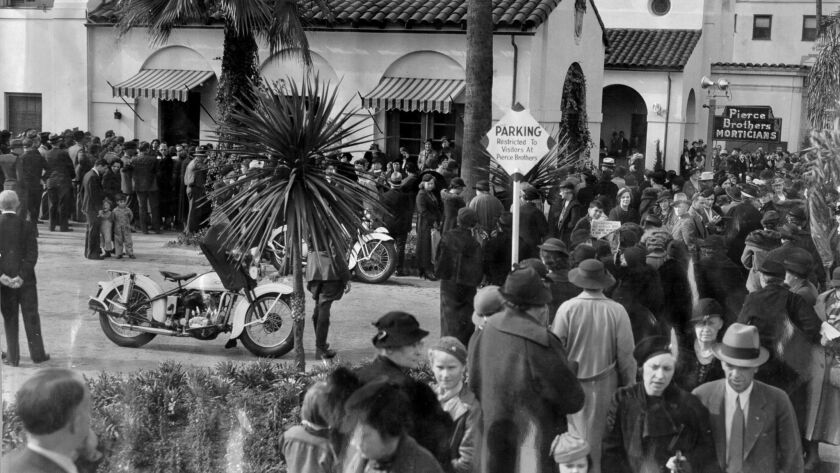
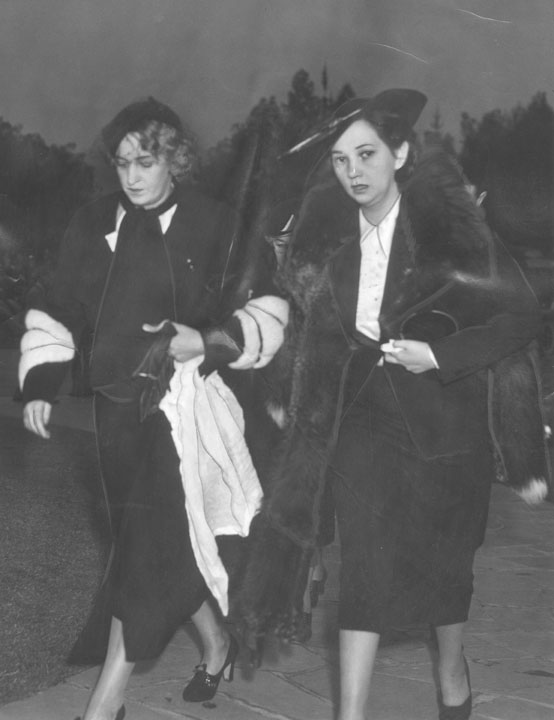
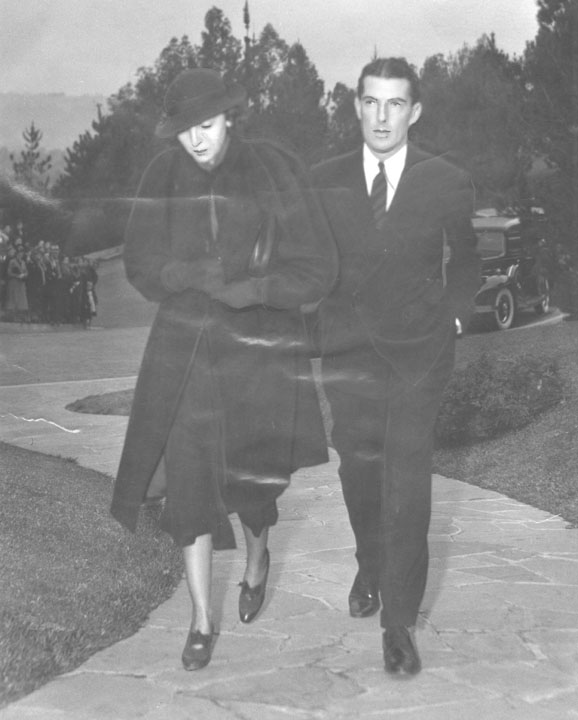
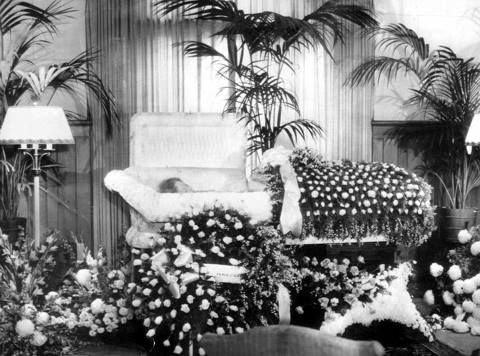
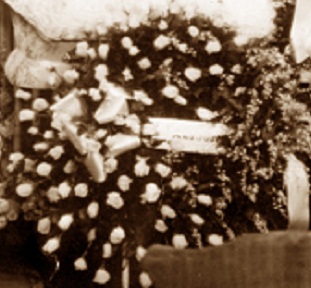
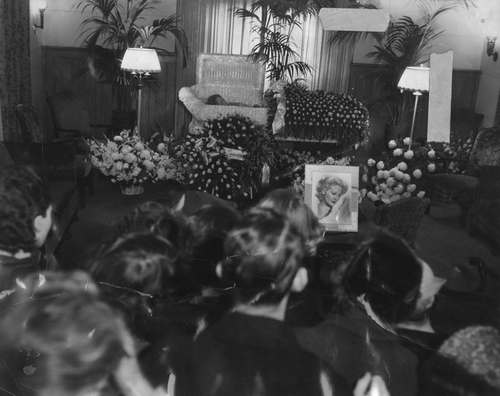
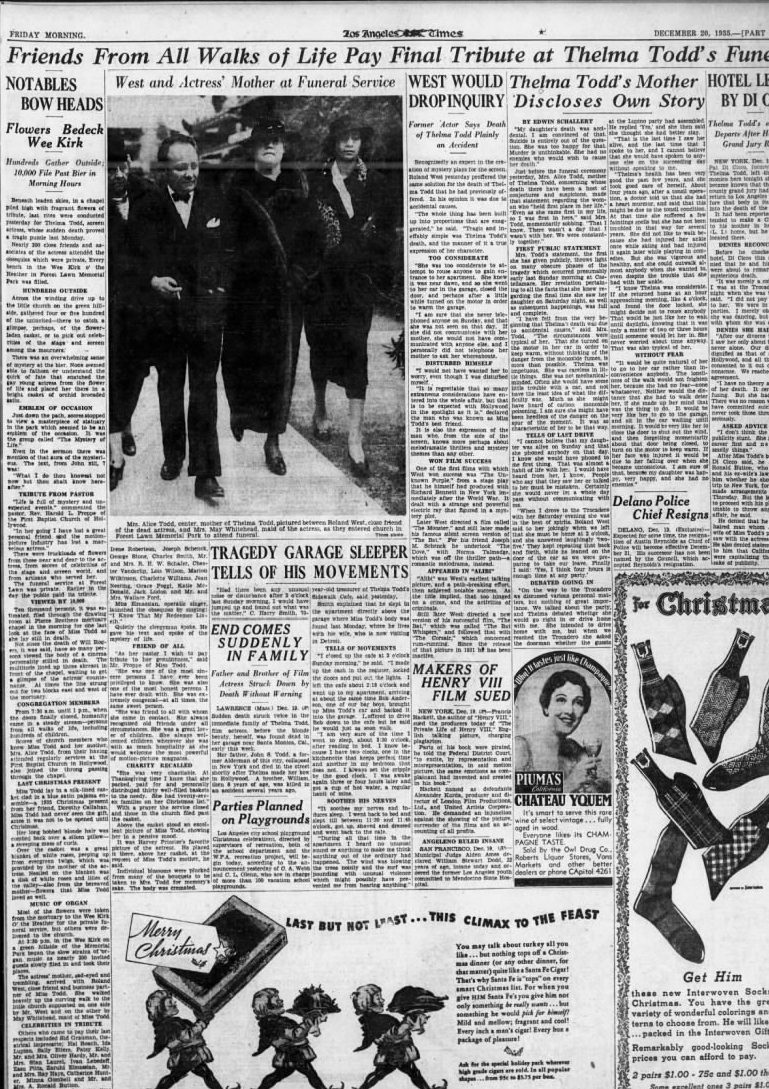
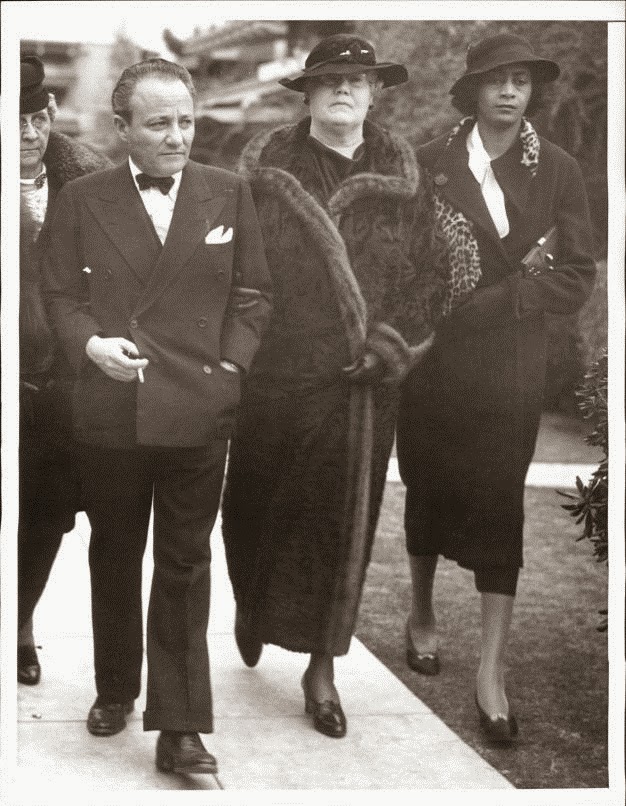
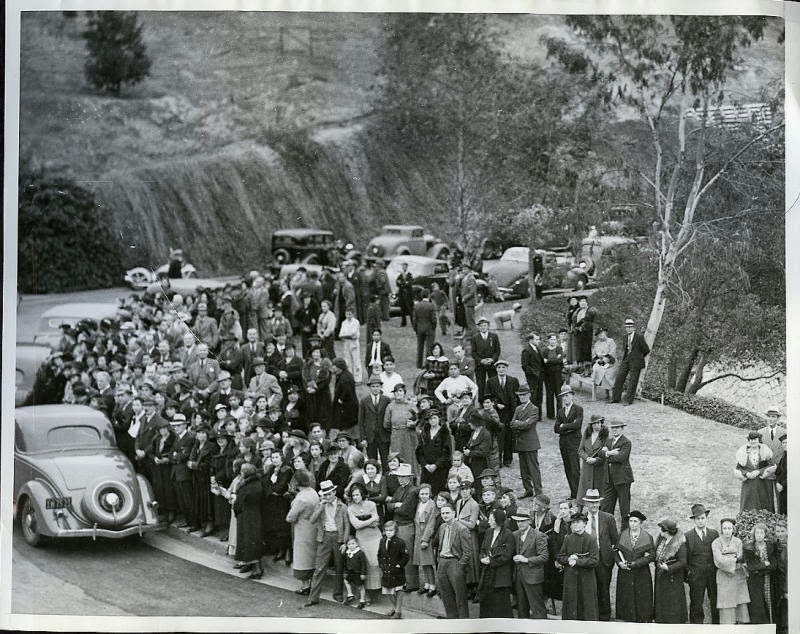
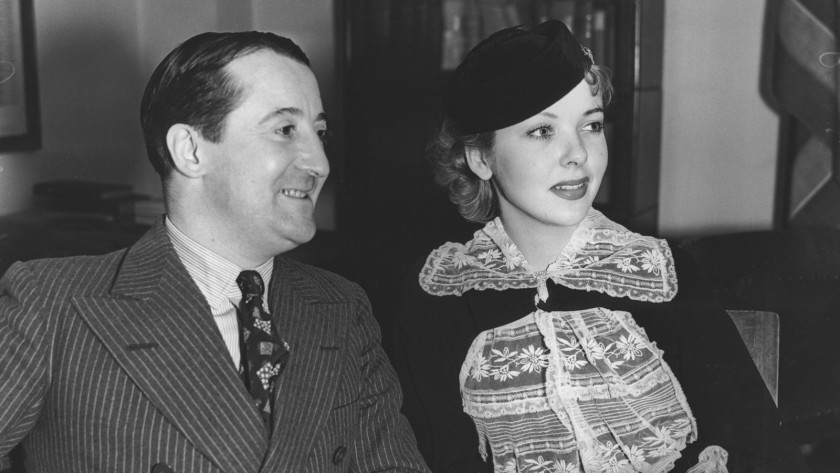
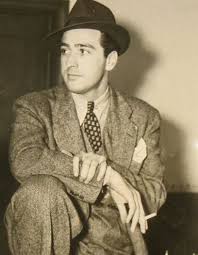
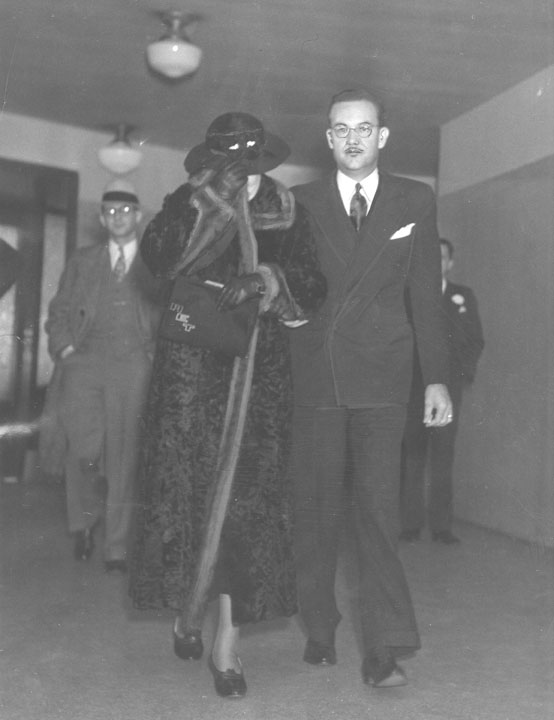
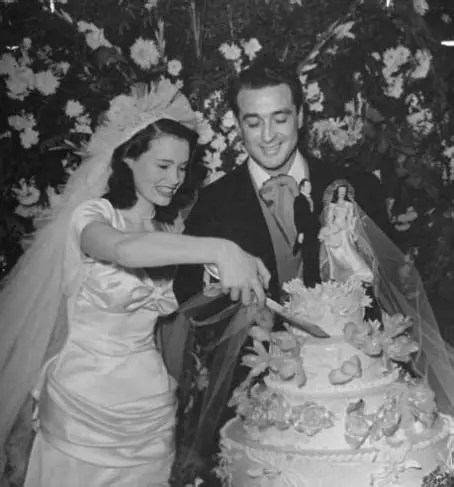
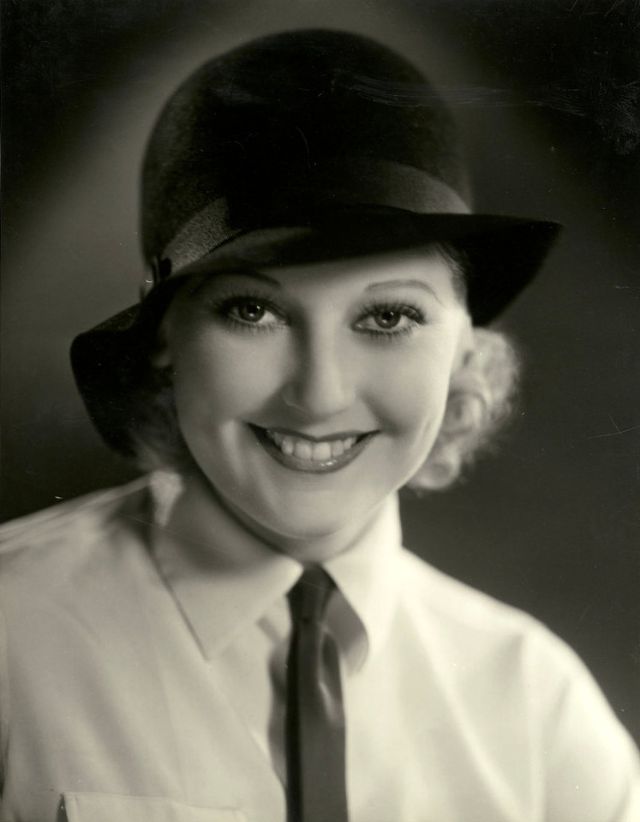
 Crimes and Catastrophe
Leave a comment